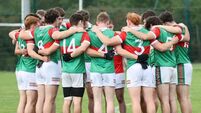
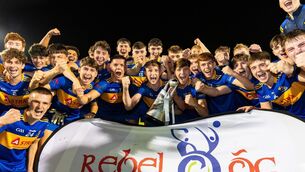
Pat Daly: 'Competition is the problem. Cups. Championships. Coaches. The figures speak for themselves'
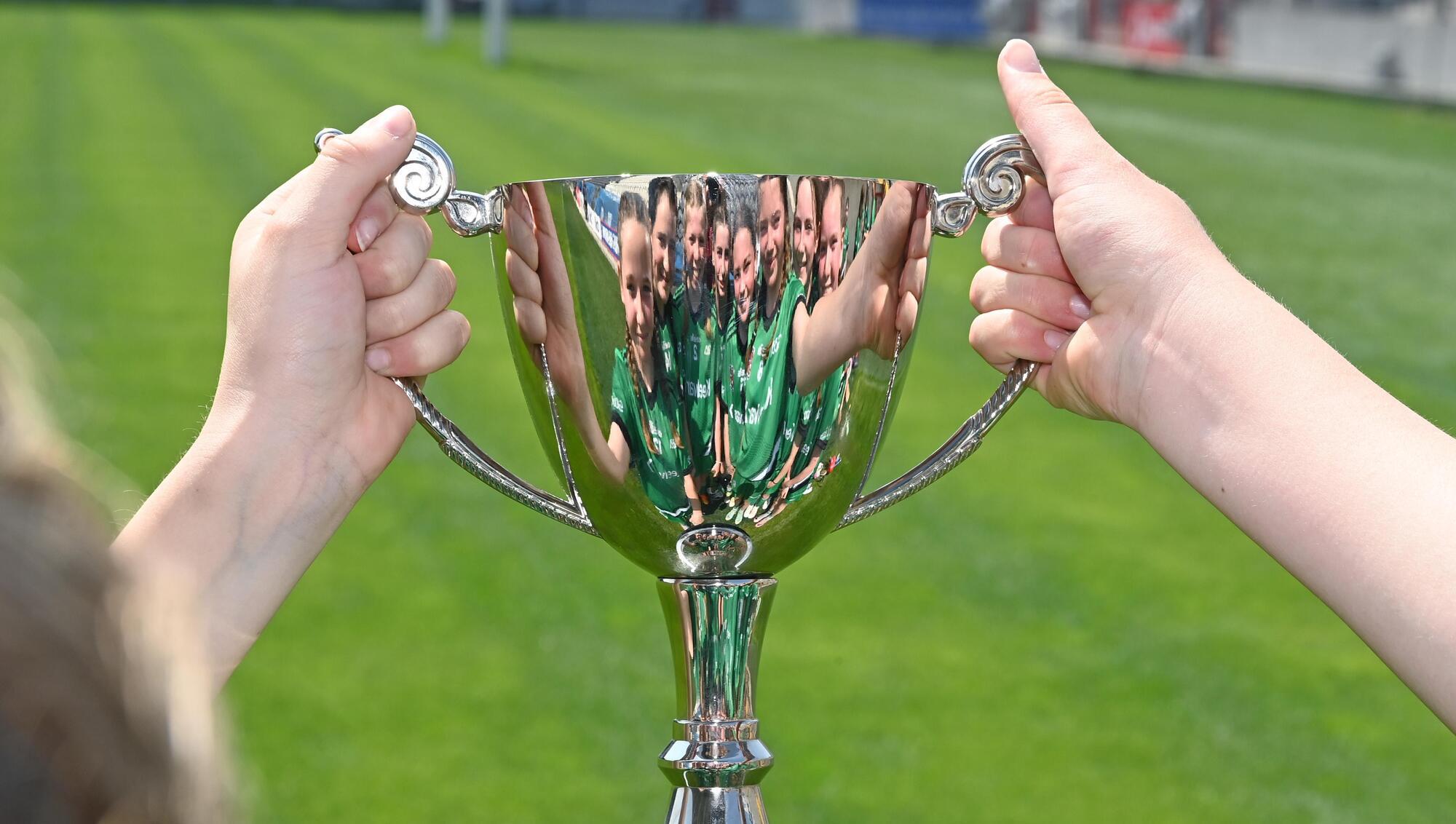
Pat Daly: 'Competition is the problem. Cups. Championships. Coaches. The figures speak for themselves'. Picture Denis Minihane.
The recent email circulated to all GAA units was just the latest escalation of a long-running war. This year HQ already announced their intention to tackle this issue head-on.
GAA Director General Tom Ryan outlined as much in his annual report. The document, published in February, focused on “creeping competitiveness” at juvenile levels.
“Too much ‘meaning’ is being assigned to games for the 7-11 age cohort,” he wrote.
“Where blitzes and fun predominated, we now see the emergence of leagues for such age groups.
“We also have the growing emergence of unofficial tournaments which are being treated like All-Irelands for children as young as 10 years of age or younger.
“We hear of the 'best' children playing while others are left on the sideline. The damage that this does to children, families, clubs and the Association is profound.”
As revealed by this week, an email was circulated by Croke Park serving a reminder of existing rules for players under the age of 12.
“Coaches must reassess the balance between the need to win games and cups versus the need to develop players and recognise the importance of fair play,” it stated.
For decades Pat Daly was the vanguard of coaching and games development strategy. He served as GAA Director of Games and drove the introduction of Go Games. These small-sided full participation games use modified playing rules aimed to drive development and derive maximum enjoyment while doing so.
There are no recording scores, competitions, trophies, or player awards.
“The priority is to put the person at the centre of the games and make sure everybody gets a game, everyone gets a go,” Daly explains.
“So if we talk about player development, what we were seeing up to the end of primary school was kids being omitted left, right and centre. That is the complete antithesis of development. We would say put the person at the centre of the process. Ensure they are getting a game.
“That is the inherent attraction in any sport, the prospect of playing the games. Kids are not inspired by drills or watching on. That was the underpinning philosophy. At the time, Jesus, there was a huge revolt against it. People didn’t want them. The culture wasn’t ready for them.
“For people who have embraced them and see them for what they are, a bid to put the person at the centre and provide a quality introduction to Gaelic games, they work.”
Daly joined the association in 1981 as Youth Officer. He has heard all the cases against this principle countless times. A common counterargument is that competitiveness should always have a place at all levels.
“We have to be careful with language here. Every game is competitive. When my kids were small playing out the back, the games were competitive. It could’ve been walk-up games.
“The issue is are they developmental? The likelihood is that if they are competitions they are not. Everything is competitive, people talking about non-competitive, there is no such thing. Kids playing in the schoolyard are competitive. But the result doesn’t really matter, they go home and that is the end of it. It needs to be developmental as well. That is the primary purpose of the Go Games.
“Unfortunately, what tends to happen, if you get a club and coach that are fixated on competition or a championship or a cup, this gets lost.”
They started out wondering what is best for a child’s technical, tactical and physical development as well as their enjoyment. It led them to research from DCU and Dublin County Board’s Games Development Department.
The title stems from the creed: every child gets a go. Fittingly summarised by a Belgian expert invited to the Coaching Conference in 2019. He pointed towards the key speakers sat at the top bench and said, “that is what benches are for. Old people to sit on. Not kids to look in at games.”
As highlighted by Tom Ryan, a recent audit by the Child Safeguarding Committee on behalf of Sport Ireland found that 46% of clubs (718 clubs out of the 1559 club submissions) reported complaints by parents over lack of playing time for their children as one of the main issues brought to the attention of the Club Children’s Officer or the relevant Committee Club Children’s Officer.
“Jack McCaffrey’s father, Noel, was involved. He played with Dublin and he is a doctor. Niall Moyna from DCU as well. Mickey Whelan subsequently did a PhD study that proved the efficiency of what we were doing.
“The fundamental thing with sport for kids is that it allows them to live in their imagination. If you deprive them of the opportunity to play, on the bench, as the Belgian guy said, they can’t be within their imagination. You deprive them of that opportunity. No innovation. Nothing. They get nothing from it and they move away from sport.”
What does Daly say to coaches frustrated by how this policy impacts them? That’s the problem. It is not supposed to be about them.
“This is not about winning or losing. This is about development. A child is a child. A child has developmental needs. The way some people speak, it is fair enough for adults. But not primary school.
“‘The winner takes all, survival of the fittest, be aggressive, all this stuff.’ That is fine if it is an adult intercounty setup. But at this level, the needs are totally different. It needs to be about fun, friendship, fitness and freedom to express yourself.
“Formal competition is the problem. Cups. Championships. Coaches. The figures speak for themselves, we see huge contraction.
“If it is to be developmental, the emphasis can’t be on outcomes. Then we get fellas left on the bench, the big fella thrown in midfield, decisions made for the sake of winning.
“Winning and development are polar opposites. If the emphasis is on winning, it will be to the determent of development.
“As I said, every game is competitive. It is in the nature of games. The critical distinction that we are trying to make here is are they developmental? To say at the end of this process, this person will be able to kick off their left and right. We will have developed bi-lateral coordination. They will be experienced in fairness and freedom with their friends. That is winning in this context.”

CONNECT WITH US TODAY



Be the first to know the latest news and updates