Half-time in the GAA: A breather or something more important?
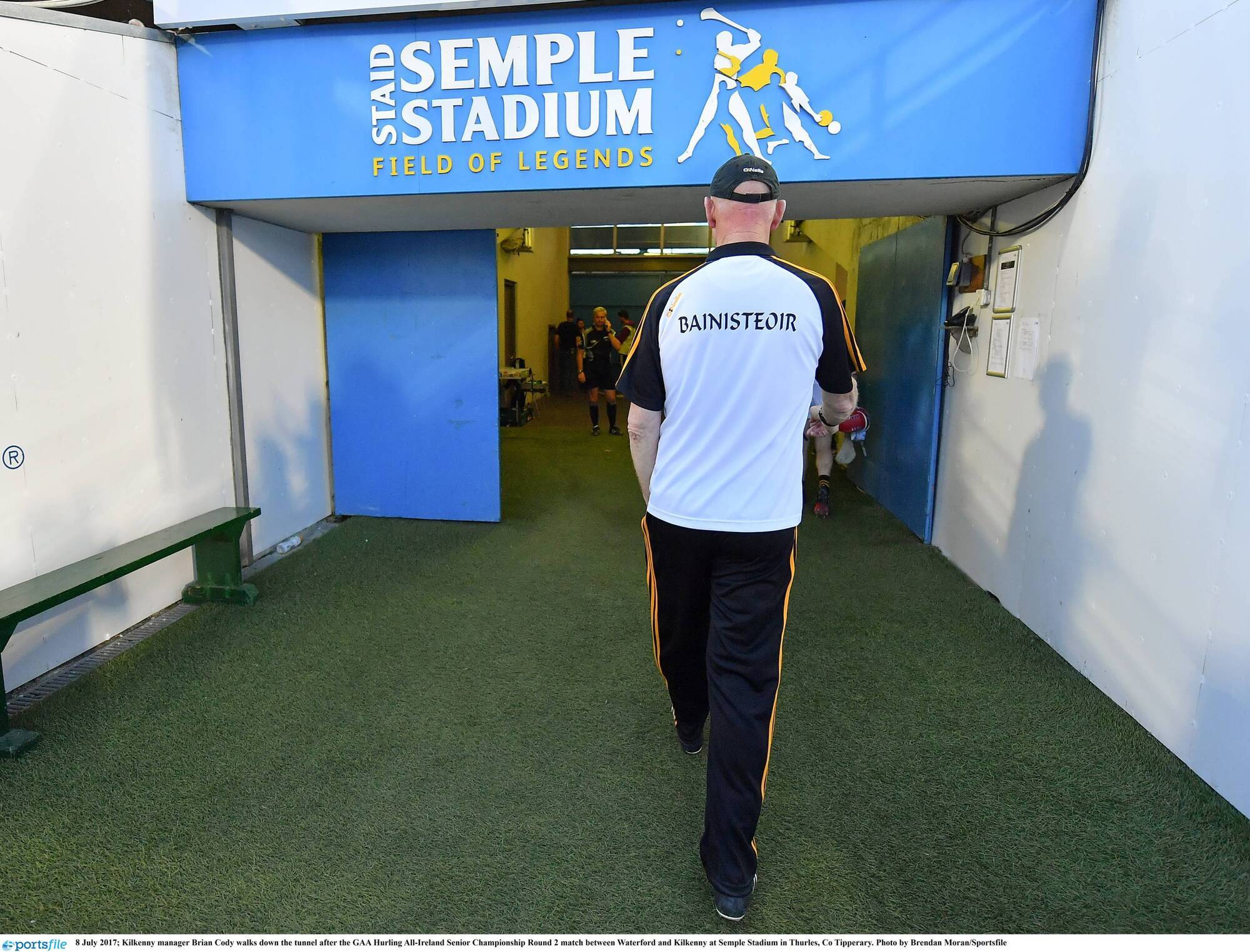
‘YOU KNOW THE PROBLEM. NOT WORKING HARD ENOUGH’: Legendary ex-Kilkenny manager Brian Cody walks down the tunnel at Semple Stadium in Thurles. Pic: Brendan Moran/Sportsfile
Hollywood could only dream of turning points like it.
Look up half-time speeches in the GAA’s exhaustive encyclopaedia and the top entry is obvious. An iconic part of Armagh’s breakthrough 2002 success is Joe Kernan smashing his runners-up plaque from the 1977 decider.
Repeated exhaustively ever since. That is the most memorable thing to happen at half-time that day. What was the most important thing?
There is no shortage of options. Four points down, Kieran McGeeney gathered them round and unsheathed his blade. He couldn’t stomach the freedom Kerry were getting in Croke Park. Make it hard. Fight for the breaking ball. Be more physical, he stressed.
The captain then cornered Aidan O’Rourke in the bathroom and doubled down. No backwards step. O’Rourke was booked for a crunching tackle on Colm Cooper early in the second half. Cooper did not score for the remainder.
Des Jennings, one of the sports psychologists with Hugh Campbell, told Oisín McConville to forget about his penalty miss and kick the ball over the bar immediately after running back onto the pitch. McConville was concerned about the Kerry fans on the Hill and instead opted to boot a ball down the field. He went on to score the decisive goal.
A regular feature was that they would emerge from the tunnel late and keep the opposition waiting. Play the game on their terms.
So, what’s the key to a perfect half-time? Kernan’s dramatic display? Hardly. There have been hundreds of similar acts that are went unnoticed or forgotten because the result went the other way.
How much does half-time even matter?
“That is the biggest myth in football, the halftime adjustments,” said NFL great Eli Manning recently.
“You go in, you use the restroom, you eat a couple of oranges and then the head coach says, 'Alright, let's go!'”
Whatever about its importance, there can be no doubting the value of a half-time lead in the GAA. Take the football championship last year, in 83.33% of games the team leading at the break went on to win.
Considering six matches were level at half-time, it means just four ties saw a side let their lead slip.
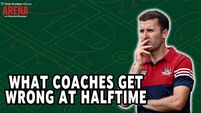
With comebacks come the inspirational speech anecdotes. In the 2015 All-Ireland final versus Galway, Kilkenny were three points down an the interval. In typical fashion, Brian Cody was scathing: ‘You know the problem. Not working hard enough.’ He threw the gauntlet down and walked out for them to sort it themselves.
Jackie Tyrrell was an unused sub having spent the season plagued by injuries. He stood up and let loose: “This is not us. This is not what we’re based on, this is not what we’re born and bred on,” he roared as revealed by Colin Fennelly post-match.
35 minutes after those words they were champions.
In the 2018 Connacht final, Roscommon were a goal to the good in Dr Hyde Park. Galway’s Kevin Walsh was usually detailed orientated and a calm figure in the dressing room but this time he changed tack.
A year previous, Roscommon had beaten Galway at the same stage. He told the group about Kevin McStay coming across to shake his hand and leave before the final whistle. What he perceived as an arrogant gesture became a motivational weapon. They burst out and blitzed them.
As soon as the final whistle sounded Walsh made a beeline for his opposing manager, arm outstretched.
“The thing about half-time messages, it all depends on the team you have,” says former Limerick manager Billy Lee. “For us it was important when trying to build the team. They were young and growing, it is a good time to reaffirm the gameplan and how they are performing.
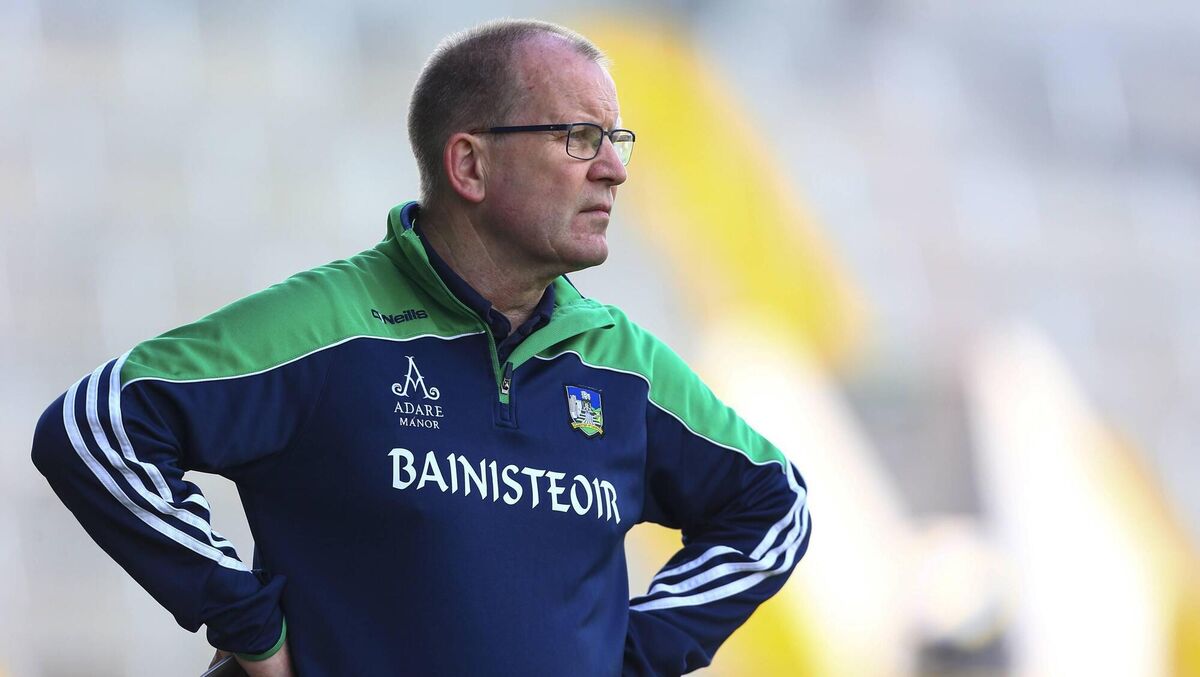
“Experienced players just want numbers, focused on targets and all that. The way I used to go about it, let the lads go in. Give them two or three minutes on their own.
“We’d a young group and that could lead to too much talk so we’d say, lads take a breather, relax and gather your thoughts. Then we’d go through the data before letting them back out. It depends where their development was at. Kerry footballers or Limerick hurlers have their own targets, we had to set the bar for us. Not copying them. Year-on-year, bit-by-bit, we’d raise it.
“It wouldn’t be fair otherwise. I remember the year we were promoted, we played Carlow. We totally realigned at half-time. We asked them questions really and let them work out the answers. Even when it comes to numbers, if they asked us sometimes we’d tell them it was all positive whether it was or not.
“It was about the particular game; We played Derry in 2019. At half-time we didn’t give them any stats or numbers. I felt they were nearly in awe at the start. It was nothing to do with numbers, they were standing off and needed to attack the game. It was their frame of mind.”
In recent years, several counties have held meetings to discuss optimising half-time. A team is a wide array of palates, can you cater for every taste?
The Limerick hurlers put huge stock in measurements. From that stems accountability and justifications. John Kiely and Paul Kinnerk are both trained maths teachers. During Covid, they still needed raw numbers even if analysis teams were not allowed to be present. Instead, they worked from a Limerick office, dialled in on Zoom with the matchday dashboard and were linked up to head analyst Sean O’Donnell.
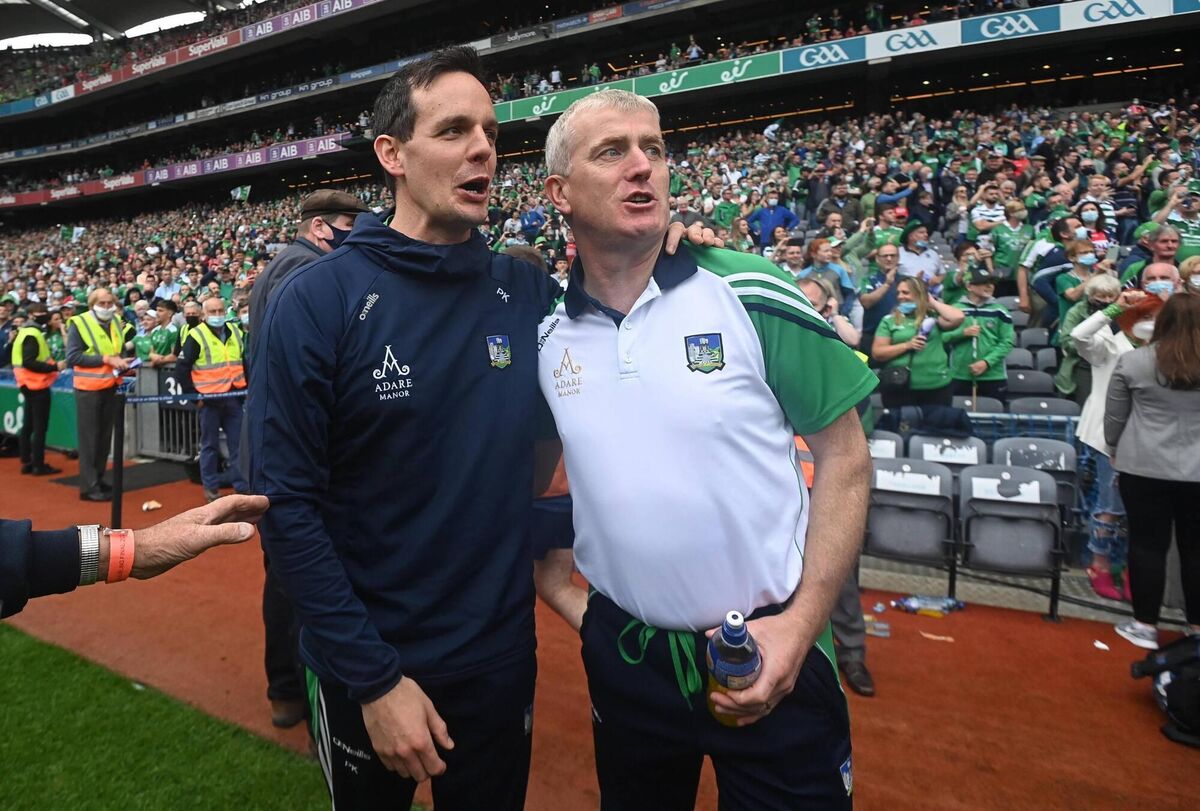
Even later when stats teams were pushed down into the stadium with no access to power, they utilised portable power banks and kept to their strategy. All that effort to nail a ten-minute window. It was all of a plan: every piece mattered.
As for adjustments, of course they make a difference.
Usually, the only player O’Donnell speaks to directly is Nickie Quaid in relation to puckouts. One of the constant features of Stephen Cluxton’s career was his ability to change it up based on feedback. In the 2017 All-Ireland final, Mayo won six of 14 Dublin kickouts as their enormous middle third destroyed that platform.
In the second half Cluxton went short with all 11 restarts and they didn’t lose one.
The key is tailoring to what is at a team’s disposal. Tomás Mount has worked with Westmeath’s hurlers and recently the footballers. In 2022 they won the Tailteann Cup. Under Jack Cooney, Mount had suggested trialling something during the O’Byrne Cup.
He could hear everything management said on the line during a game over the radio. What if he cut clips based on that and then showed them to the group at half-time?
The first few minutes were set aside to fuel and recover. Then Mount would present, a selection of short highlights showing a certain play that was working or a channel where they were finding joy. Using the video analysis tool NacSport, he could tag a ‘coach note’ live and have the footage ready for the half-time presentation.
“Anything we showed them was based on what Jack said,” says Mount. “Something we need to tweak, say we thought this player would be making our line breaks but they have taken him out. How do you counterattack that? The players discuss it then.
“The best coaches I’ve worked with, they placed a huge emphasis on half-time. The days of hitting the table and all that are gone. I go down to the dressing room 90 seconds before halftime and if I see they have won six of our long kick-outs and scored four points, we need to resolve that. Especially since it is harder to get messages onto the field now than it used to be.”
Sometimes it doesn’t go to script. Sometimes it shouldn’t. Years ago, Lee was coaching Castlemahon footballers.
They’d lost a hurling final the Sunday previous and a week later the effects were still lingering with one player evidently lethargic. The management team all agreed they needed to use half-time to get him going so Lee concocted a plan.
“There was no point going at him hard really, instead, just before we were going out, I looked at him across the room. He was a big strong strapping fella, 6’2, 6’3. I said to him, ‘run at me.’ We were all standing in a huddle. ‘Run at me.’
“He still didn’t budge so I barked at him. ‘Fucking run at me!’ He came and hit me across the dressing room, landed me across the other side of it. I was grand anyway.
“You didn’t hurt me, did you? And I’m 10 years older than most of ye. Come on now. The rest of them were watching this and nearly took the door off the dressing room going out.”
Is it about the physical, psychological or tactical? All and more.
Management can pinch and manipulate half-time like a piece of clay. Whatever shapes they make are their own design. It must cater for the audience and their preferences.
The secret isn’t about one specific ingredient. It’s a recipe.
CONNECT WITH US TODAY



Be the first to know the latest news and updates