Hurling Tactics Board: How can Tipperary beat Limerick?
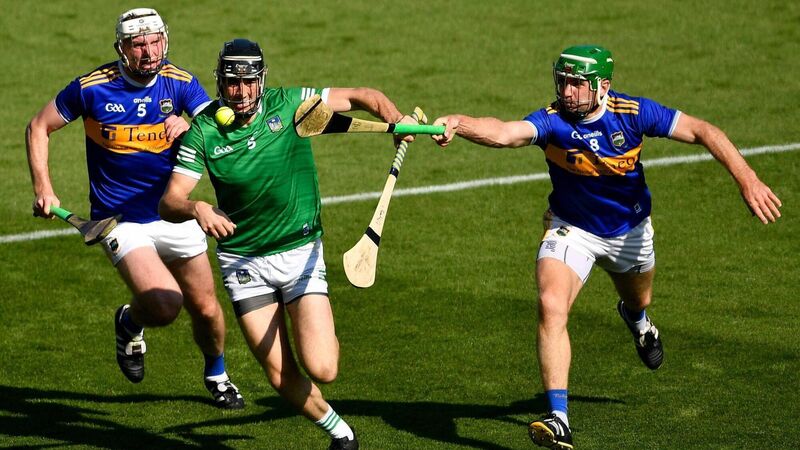
Diarmaid Byrnes of Limerick in action against Séamus Kennedy and Noel McGrath of Tipperary during last year's Munster SHC final. Tipp must find a way to navigate Byrnes Island.
Tipperary find themselves in an incredibly tough spot this weekend in the home of the back-to-back All Ireland champions. Coming in off two defeats, the bookmakers rate the game an eight-point handicap in favour of Limerick.
So what would need to go right for Tipp to re-ignite their season?
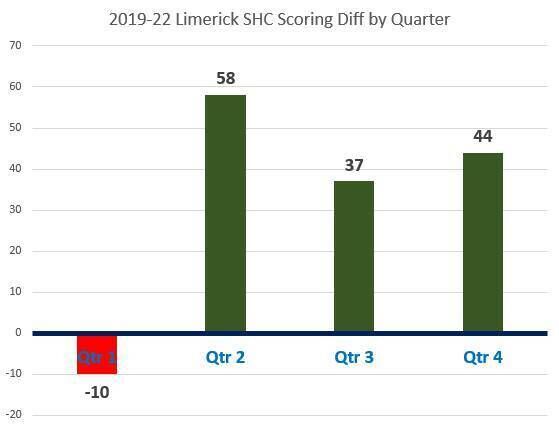
One little quirk about this superb Limerick team is that they are slow out of the blocks. When you take their SHC games from 2019-22 (17 games) Limerick have only had a lead in seven after the first quarter and trailed in nine. Most famously, they were 1-8 to 0-2 behind against Kilkenny in the 2019 All Ireland semi-final. Limerick eventually get their game up to speed and usually crush their opponents (winning 14 of those 17 games).
Colm Bonnar must focus on an aggressive start from his troops, throw caution to the wind and bank something to work from. They have already shown they are capable of this in the Waterford game, gaining a 1-11 to 0-8 lead after 25 minutes in Walsh Park. This early lead allowed them to withstand the Waterford comeback — they outscored Tipp 2-11 to 0-6 over the next 30 minutes — and stay within reach to force a tight finish. A similar approach could be crucial against Limerick.
A contentious debate in Tipperary surrounds the argument that the county needs to evolve their style towards a more “modern brand” of hurling. This usually means moving the ball through short passes out from defence to put your backs or midfielders in a better position to deliver higher quality ball into inside forwards. Limerick are the most impressive team to play ball out from defence.
When you assess this approach with a team you must look at the risk-reward analysis. How confident are your defenders/midfielders playing short passes under pressure, how well drilled are they to move cohesively and not allow a player to be isolated and turned over?
There is no bigger test in hurling than facing the Limerick press. In their past four championship seasons (2019-22) Limerick have scored 7-53 (74 points) from turning ball over in the opposition third of the field. This is 27 points more than the next best team. Limerick generate nearly five shots a game from turnovers in the opposition third, these can be killer moments in games, think back to Limerick’s three goals scored in the 2018 All-Ireland final all coming from opposition third turnovers.
The losses of Peter Casey and Cian Lynch reduces the ability of Limerick to close down defenders and tackle at speed, so Tipp can be a little bit braver.
But they must consider the risk-reward of working short passes when faced with such an excellent pressing team. Do Tipp have the best ball handlers in positions to move possession forward? Or do they need to focus on clearing lines quickly and asking more from their forwards to fight and win ball? If there is a weakness in Tipp’s short play then it will be exposed.
In the NFL there was a famous cornerback, Darrelle Revis, who at his peak would cover the best Wide Receivers in the game, removing their threat as offensive weapons. His nickname was “Revis Island”, a place where no Wide Reciever could have success. Limerick have a similar defender in Diarmaid Byrnes. Too often in games the opposition goalkeeper must look elsewhere rather than puck a high ball near Byrnes. He has dominated multiple forwards, his wing back zone is like Byrnes Island. For Brian Hogan and Tipp to gain some inroads to the Limerick defence they need to find a way to compete aerially with Byrnes.
Tipperary must 'hammer the hammer'.
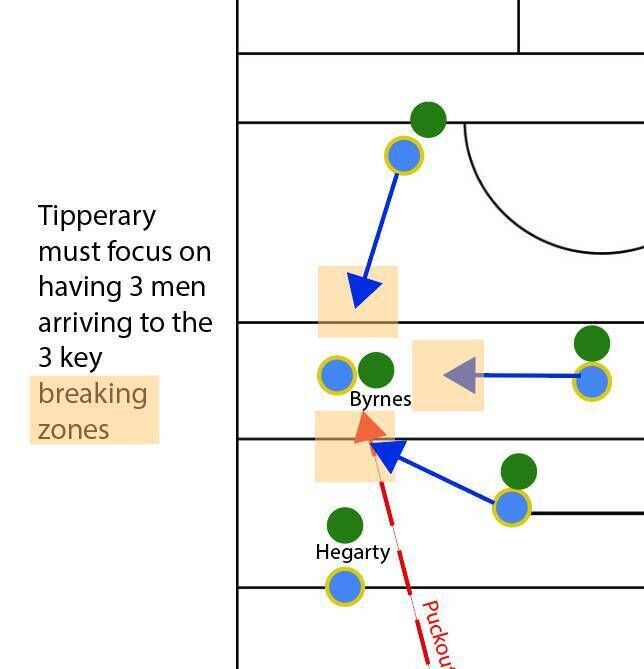
Taking away Byrnes' dominance, having bodies arriving to win breaks would give Tipp a huge chance to unsettle Limerick. Byrnes usually has Gearóid Hegarty sitting in front of him so Tipperary might focus more on landing puckouts over Byrnes' head. Asking him to sit deeper or to turn and chase. Brian Hogan is more than capable of mixing up his distances and can try keep Byrnes and Hegarty on their toes.
Colm Bonnar might consider who his best competitor is, which player relishes a battle and would never stop fighting regardless of early losses. A ferocious battler would be best suited to facing Byrnes with the mentality to unsettle and create breaking ball for his teammates.
Tipperary can then focus on the positioning of players to be ready for breaking ball — too often teams are outnumbered by the Limerick wing forward sitting deep and having their midfielders closer to the break than opponents. Breaking ball is a lottery, but having fewer bodies than your opponent at the breaks is a common mistake — a “talentless” mistake that is fixable with work on positioning.
Tipp face a team who have already shown their ability to adapt and react to various threats. In round one, Cork, scarred from the All-Ireland final, focused on protecting their full back line and were successful in frustrating Limerick deliveries to their full-forwards.
So Limerick adapted – Byrnes and Hegarty led an onslaught from outside the Cork 65m which saw 13 shots from play returning 0-8.
A week later Waterford brought aggression, speed and power, taking Limerick head on. Limerick lost their leader Lynch early on, yet still were able to up their tempo and move the ball at speed to avoid Waterford pressure. Tipperary face a huge challenge no matter how you look at this game.
CONNECT WITH US TODAY



Be the first to know the latest news and updates