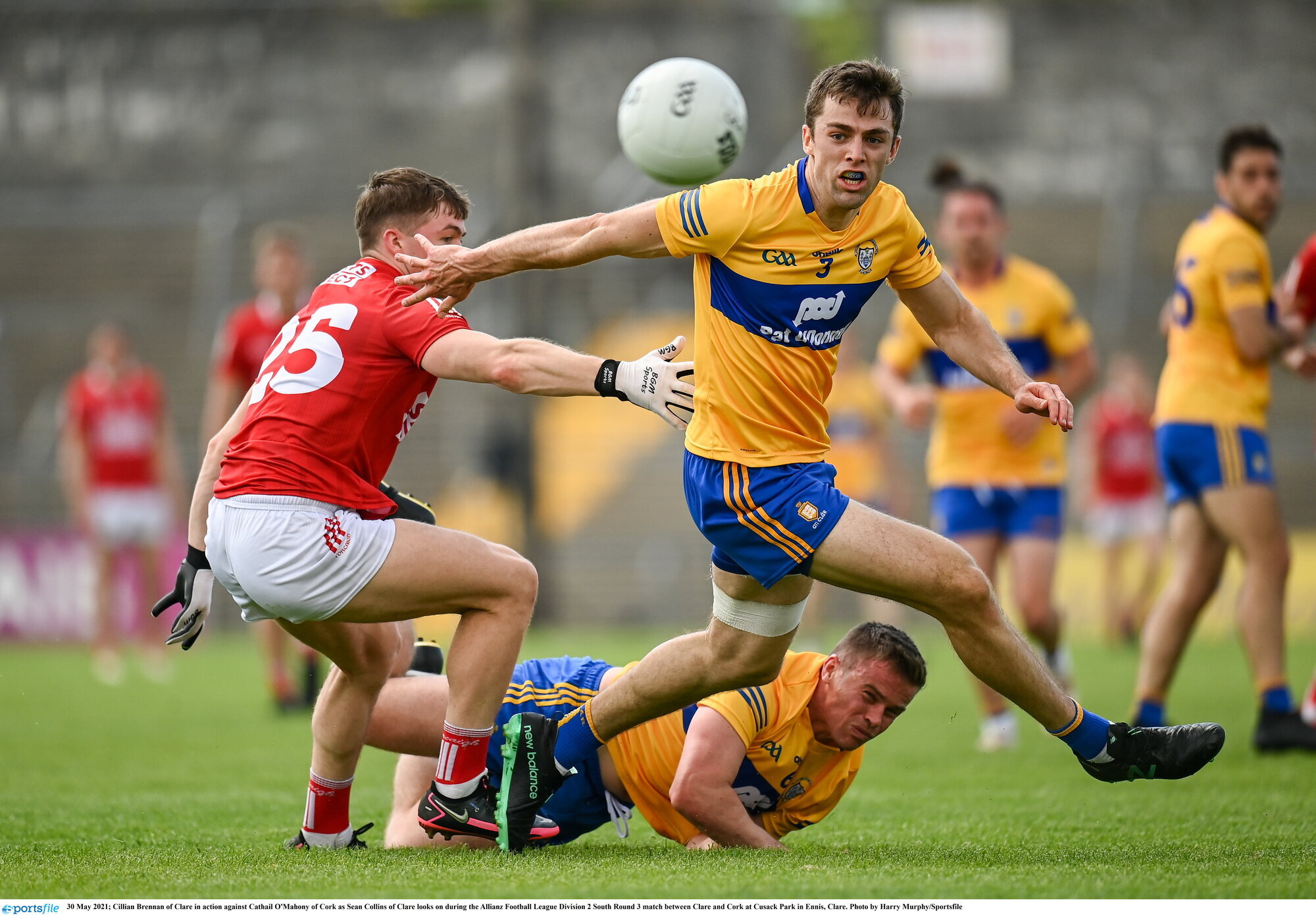
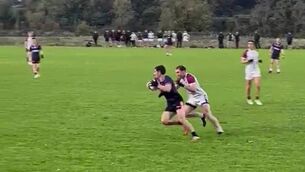
Cillian Brennan was called up to the Clare football panel in the weeks after the county’s 2016 Division 3 League final win over Kildare.
In his five years as part of Colm Collins’ set-up, the full-back has known nothing other than Division 2 fare and, in more recent campaigns, involvement at the business end of the table and contending for promotion to the top tier.
The 24-year-old’s deep appreciation for the quality of League opposition he has been exposed to during his time with Clare is rooted in the several springs he spent watching older brothers Gary and Shane ply their trade in Division 4 and the county’s many unsuccessful attempts to rise out of the basement division.
This Sunday, and far, far removed from Division 4 struggles, Clare will attempt to topple 2020 All-Ireland finalists Mayo and, in the process, bridge a 25-year gap to the last time the county was involved in an eight-team top flight.
“I count myself very fortunate to know nothing other than Division 2 because I would have been going to Clare games for a long time to follow Gary and Shane, travelling to London, Kilkenny, and all over,” Cillian begins.
“It is not easy in those divisions, it takes a lot to get out of them. So when we were lucky enough to get up to where we are now, it is about trying to build on that. It is great to be competing against these teams and trying to better yourself. Sunday is a great challenge to have.”
While this Clare group have been rightly lauded for safeguarding their Division 2 status in each of the past five seasons, this is the second successive year where Collins’ charges find themselves with a home fixture that carries the prize of promotion.
Last October, Armagh departed Ennis with a five-point win and promotion to Division 1. Brennan doesn’t need to be told that such opportunities won’t continue to present themselves year-on-year.
“We are going to attack Sunday with everything we have. When you get this chance, you want to put your best foot forward and see where it takes you.”
With a Munster quarter-final away to Kerry in the calendar for Saturday, June 26, this weekend’s visit of James Horan’s Mayo represents perfect preparation for their Killarney assignment. Better still if a positive outcome can be mined, Brennan adds.
“With the condensed nature of the season, you have to be prepared for what is going to come after and we have another huge challenge after Mayo. The performance will be a big part of Sunday, but we will of course want to win. We don’t want to be there to make up the numbers.
You want to be putting yourself up against these best teams. In games like these, you find out where you are at and you learn a lot about yourself as a team. If we could get a result, you are facing those teams on a consistent basis next year.
“It is full focus on Mayo for now and once the final whistle goes, focus will turn to the Munster Championship.”
The Clondegad clubman takes the call between logging onto sessions at the AIESEP Conference (International Association for Physical Education in Higher Education).
A qualified primary school teacher, Brennan is currently two years into a PhD at Limerick’s Mary Immaculate College where he is exploring the experiences of Bachelor of Education graduates with a specialism in PE.
“PE specialism came in when the Bachelor of Education degree became a four-year degree in 2012. There are only graduates from 2016 onwards. The PE specialism has given these graduates a lot of skills to develop their own PE teaching and it seems to be working quite well in schools. But they may need further support within the schools to share their expertise.”
On the subject of PE provision at primary school level, the Clare defender continued: “One of the big issues there does seem to be present is lack of confidence among some teachers, given the range of subjects they have to teach. You also have to remember there are great teachers in primary schools around Ireland that are driving PE, pushing the standards and keeping things going.
“My view is everyone could benefit from a combined, collaborative approach. So, external coaches that are coming in — whether they be GAA coaches, IRFU, FAI, or whatever national governing body they may be coming from — working together with primary school teachers. This would enable teachers to benefit from some of those content specific skills, while coaches could benefit from some of the pedagogical skills teachers bring to the table. Working together is key.”

Cancel anytime
CONNECT WITH US TODAY
Be the first to know the latest news and updates