Absolute confidence, strategies, and signals: The evolution of the hurling goalkeeper
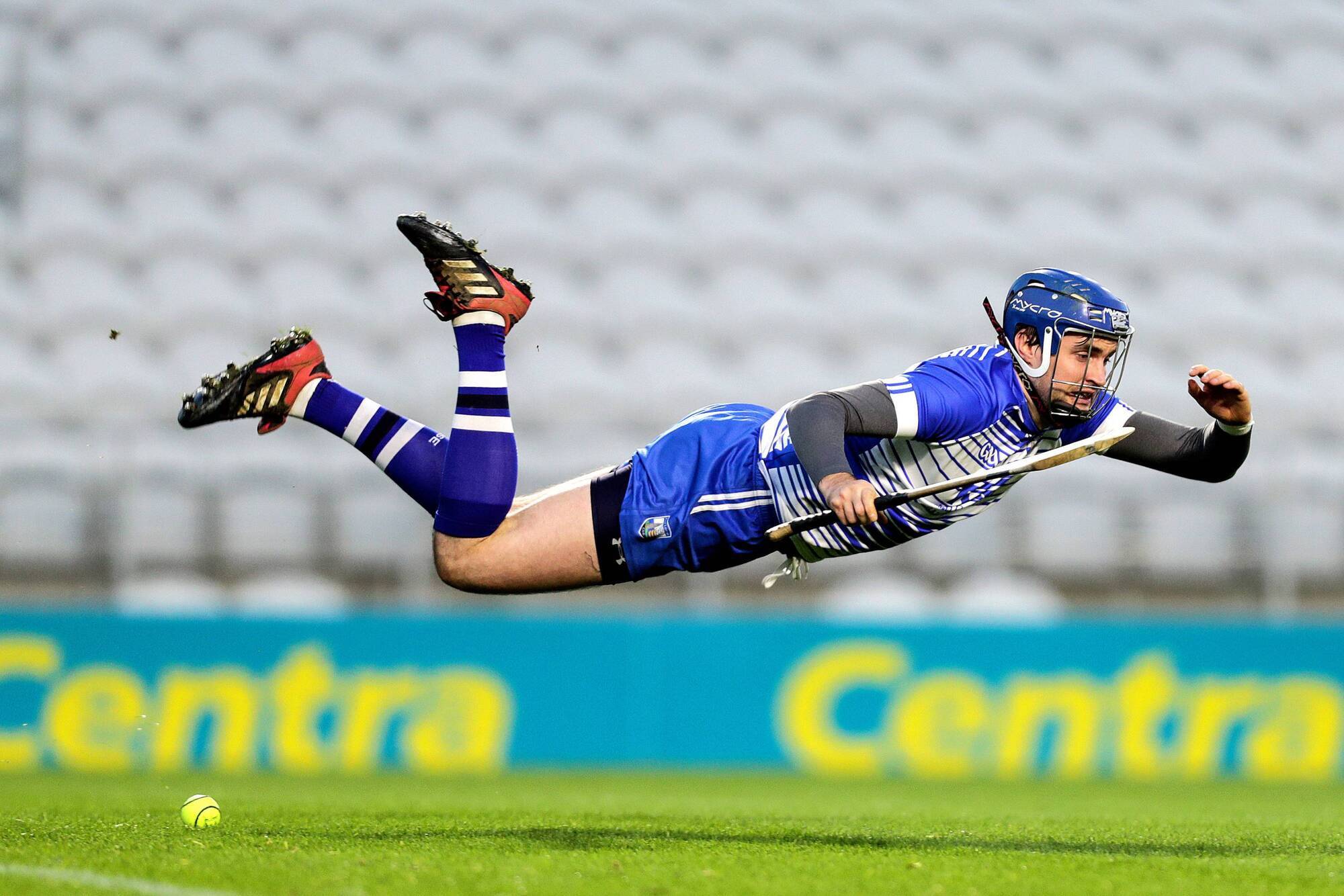
FLYING STOPPER: Waterford goalkeeper Stephen O’Keeffe announced his retirement from inter-county hurling less than a month after playing in the All-Ireland final
Cork and Waterford face what can truly be called a period of transition next season, whenever that season happens.
Both sides have to replace long-serving goalkeepers, Anthony Nash and Stephen O’Keeffe respectively.
Bringing in a goalkeeper can be tricky. Sub keepers often serve a lengthy apprenticeship with little chance of action, and maintaining focus and motivation isn’t easy.
Just ask one of the men who stepped down over Christmas.
“It can be difficult,” says Anthony Nash, who was a Cork panellist behind Dónal Óg Cusack for years.
“There would have been times when my family would have talked to me about going back, and at times I got offers to go and play in America instead of waiting here as a sub.
“I knew I wouldn’t be playing, I was behind Dónal Óg, the best goalie in the country at that stage, and Martin Coleman was an exceptional goalkeeper as well, but I enjoyed the training, because it was of such a high standard. I learned every time I went to training from the two of them.”
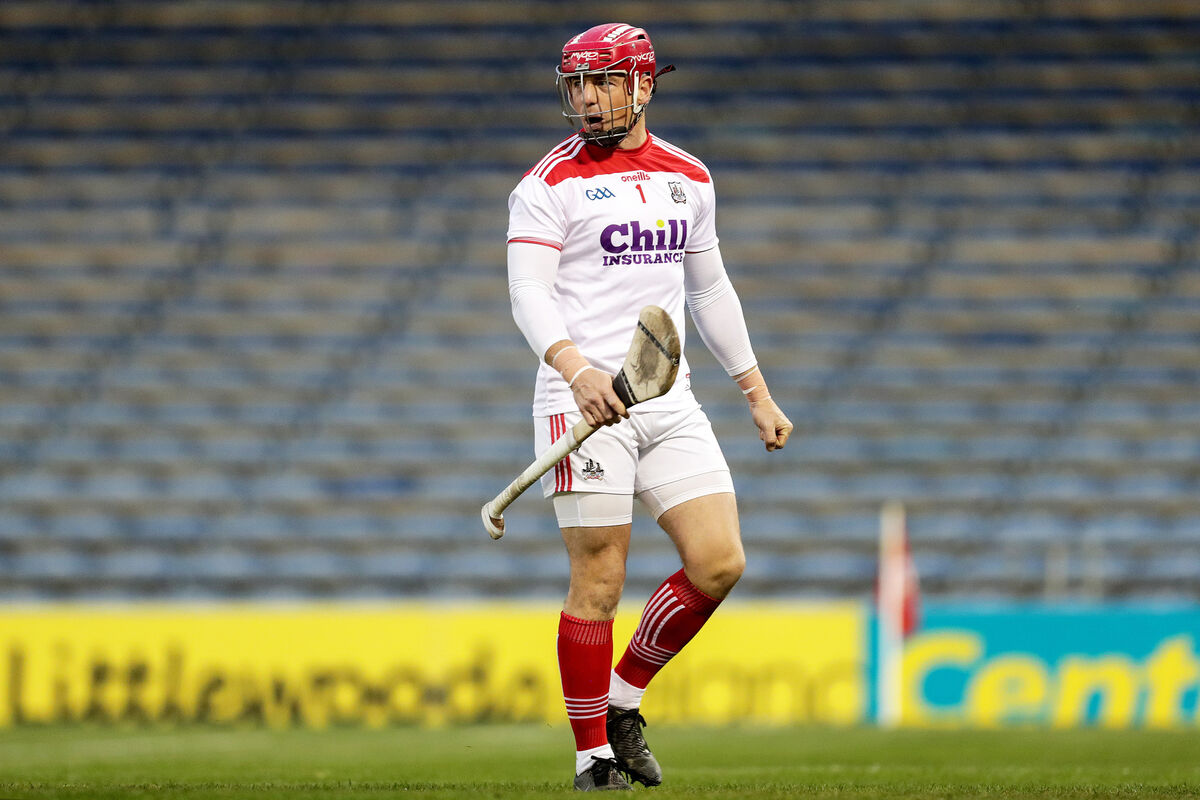
David Herity can empathise. He can share his own experience in goal with Kilkenny when motivating his Kildare hurlers, and in particular the need for his keepers to be focused.
He says: “In my final year with Kilkenny I took over from Eoin [Murphy] and then he took over from me again later that season. It was a bizarre enough year but you tell your own keepers that that’s the kind of thing that can happen, and they have to be prepared for it.
“In the final game of the Christy Ring last year, something similar happened, when Paddy McKenna dropped out and Mark Doyle, who hadn’t played a competitive game for us all year, came in. And he had a great game in the final, in fairness.
“You have to constantly remind them that something can happen at any time. I remember in my final year [with Kilkenny] reading about situations in other sports where goalkeepers replaced goalkeepers — just keeping myself motivated and aware that something like that can happen.”
From week to week, even small things can keep the sub keeper primed. “It’s important to have your goalkeepers involved and tuned in all the time,” says Herity.
“You have to give him as much game-time as possible — sometimes they can get games in pre-season competitions but then they’re shelved, there’s nothing the rest of the year.
“It’s easy to sit back and relax, and cruise through the year as a sub keeper, but he needs to have the mentality to realise that his chance can come along at any time.”
In his time as Dublin boss Anthony Daly can recall a couple of “awkward” conversations when it came to handing out the number one jersey, but he points to another county to show how a new keeper beds in.
“Galway is a good example — this year Eanna Murphy came in as a new keeper and he gave an exhibition of goalkeeping against Limerick in terms of what you and I would think of as goalkeeping. But some people were picking on what Galway gave up from his puck-outs in terms of scores.
“That shows how hard the keeper’s job is now, that there’s a ton of stuff for a keeper to work on, but Shane [O’Neill, Galway manager] would probably feel with Eanna that ‘this fella’s a top keeper, any other issues are things we can work out’.
“If you had a situation where a keeper had a great puck-out but his handling was a little nervous because he was starting out, say, then a manager looks at his underage pedigree, his club performances, and decides: ‘I’ll stick with this fella, he’ll come good’.
“But if there are still issues, there might come a time when you think: ‘I better look at another fella’.”
Daly acknowledges that looking at the other fella can be a challenge, drawing on his experience with Dublin.
“I remember choosing between Alan Nolan and Gary Maguire when I was with Dublin. Alan was a great keeper but Gary was my number one.
“Alan’s gone on to prove himself a great number one, but that was a difficult enough situation because he wanted to play, which was understandable, but I had to think in terms of the whole team.
“It’s become much more specialised now, the position is so demanding. That’s why I say keepers have a ton of stuff to do.
“They’re working on long puck outs, hitting space, they’re working with backs on how to defend as a unit, there are short puck outs — or restarts, as was some up and coming coaches told me to call them — and then there’s shot stopping. It’s full on.”
That training load is a concern for Donal O’Grady. The former Cork manager points out that the pandemic now makes bedding in a new keeper more difficult.
“There’s an additional headache now because of Covid. The restrictions mean it’s not as easy for a goalkeeper to build up a relationship with his defence because you can’t play practice games with full teams.
“On top of that, it’s harder to practice a puck out strategy, which always takes a lot of practice, because now the keepers are probably working with poles and targets rather than moving players who are working off the keeper’s signals — or giving signals themselves to the keeper.
“If a goalkeeper has been part of the panel for a while it helps, because he’ll know the players and will have trained with them at least. He’s not starting from scratch. That might help Waterford and Cork.
“In general, though, a team like Limerick have an advantage because they have their system well worked out — they can take a couple of months off and click back into the way they played last year. Other teams could be looking at a return to collective training in what, March? That wouldn’t be much time for a new keeper to work on a new puck out strategy.”
O’Grady adds that the goalkeeper’s personality is another factor: “The keeper has to be the most confident player on the pitch. He’s always just one mistake away from disaster, so he has to have absolute self-belief, absolute confidence.
“Which complicates everything for the manager because he needs the first-choice keeper to be confident, and he also needs the number two to be confident.”
Sometimes the manager has the keeper’s number all the same. “You nearly have to have ‘team goalies’ at this stage, to keep the goalkeepers together as a unit,” says Daly.
“But then they’re nearly all fruitcakes themselves, aren’t they?”


CONNECT WITH US TODAY



Be the first to know the latest news and updates