GPA expect rise in demand for counselling service
The Gaelic Players Association (GPA) are prepared in the event there is a jump in inter-county players contacting their counselling hotline this month.
The figures for April won’t be known until the beginning of next month but after a slight increase in the first three months of 2020 compared to last year’s quarter one a rise in the number of calls would not be surprising as society begins to count the cost of the mental health challenges posed by the coronavirus outbreak.
With so many inter-county footballers and hurlers’ self-worth wrapped up in their playing careers and no collective training or games having taken place for seven weeks, the GPA are aware of what their members are experiencing.
“We don’t have April figures and I would anticipate that those will be the most significant because this has been the month when things have become more uncertain and challenging for a lot of people,” says GPA player welfare manager Jennifer Rogers.
“What is an important thing to say is that compared to 2018 we had a 20% increase in uptake in 2019 in the counselling services in new referrals.
"That is quite positive in a way because it shows that maybe the stigma and what stopped people who might have been reluctant to reach out and seek help is decreasing and the issue of talking and seeking support has been normalised a little bit more.
Obviously, we’re also getting the message out there that this support is available for players and hopefully has an impact later on because early intervention and prevention is something that we’re very focused on and the sooner we can encourage players to seek help the better.
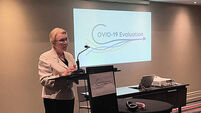
In part reacting to the challenges posed by the pandemic, the GPA launched a webinar for players covering aspects ranging from mindset/personal development to sleep and well-being to injury prevention while training in isolation to financial well-being. Approximately 150 players have signed up for each episode.
The next webinar series will put a major focus on mental well-being and fitness as the GPA recognises the uncertainty faced by members can be disconcerting particularly when so many consider themselves players first.
Rogers says: “That issue of athletic identity and self esteem, confidence and worth, we know that a lot of athletes’ identities are tied up with their athletic identity.
"From our student reports, we saw that almost 50% of the student athletes saw themselves as athletes more than students, so it is something we are aware of and we have put supports in place with our first transition class last year, which is focused on players who are transitioning from the game or considering retirement.
“We are aware it’s an issue and maybe this time is giving a taste of what life is like without the GAA.
“In terms of identities, inter-county players have a lot of innate qualities and transferable skills that they would have developed through their dual careers on and off the field.
"We know things like resilience, discipline, commitment, determination… they have all those skills as well as team-work and work ethic.
What we’re trying to do is encourage old players to explore those skills a little bit more now that they have some more time and to put more focus on how those skills can transfer into the other aspects of their lives.”
In January, all GPA staff and player development officers took part in a two-day mental health first aid programme to ensure they were suitably skilled if they were the first contact for players in need before referring them to counsellors.
“With our 24-7 confidential free counselling line, when all this began we linked in with them just to ensure there would be no issues if there was an increase in demand,” adds Rogers.
“Obviously, the face-to-face counselling isn’t available but that phone service and Zoom sessions are available for players.
What we have been doing is linking in with squads and players to make them aware of that service for them to know that it’s there and normalising that this is a stressful time for everybody and if they do feel as if they need to talk to somebody that the service is there and also that we’re here.
Rogers says the final webinar on personal finances this Monday aims to assist players currently facing work pressures.
“Obviously, there is a lot of uncertainty for players with the current situation because of employment. That webinar will hopefully give some guidance around finances and put some players’ minds at ease.
“A lot of our members would be employees or self-employed so what we did when the Government announced the income supports we were able to collate all the relevant information and sent out a relevant summary to players by profiling our membership.
“Players were really appreciative of that and we got a lot of direct contact from them with queries.”