McIntyre: Tackling team’s mental health too much for McGuinness
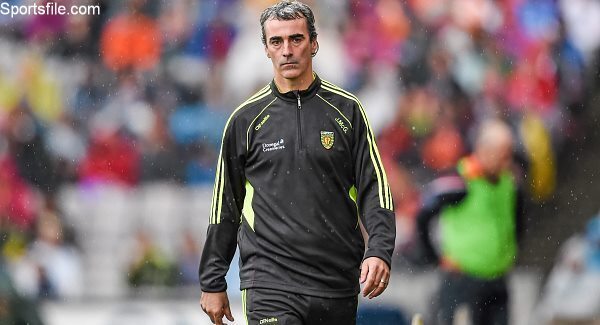
Jim McGuinness has created a welcome precedent, but specific sports psychologists are required by county teams, according to the University of Limerick’s Dr Tadhg McIntyre.

McIntyre: Tackling team’s mental health too much for McGuinness

The lecturer in sport, exercise and performance psychology describes the Donegal manager as being more than a sports psychologist and being in an ideal position to create the necessary environment for his players to perform. However, he believes experts are required to address the mental health of teams and asking McGuinness to add that to his brief is too much.

“The benefit of having somebody at the top of the sport who has this background and credibility is that it probably says ‘okay, that has to be part of your repertoire and if it isn’t you make sure that somebody in your backroom team does that’. That’s the key. You need to cover this base. Doing a couple of coaching courses isn’t going to be enough. Right now we’re interested in training the next generation of sports psychologists to have an awareness around mental health.

“Not every team can afford to have a psychologist, but county boards can involve psychologists in helping train coaches and players and I think the key issue is getting them to help the college and minor teams. That’s where a huge impact can be made. What you’re trying to do is attain sustainable performance and that’s about looking after people’s lifestyle, mental health and performance on the pitch.

“You want someone independent to be able to assess and help players if they do have issues around lifestyle. There is a place for a coach who is well trained in the principles of psychology and at the same time a consultant. What you need to make sure is that they have clearly defined roles. Jim has a defined role at the performance end and you probably want somebody else in to have a different strategy and look out for the welfare and mental health of the players. That allows him to push the buttons in term of performance and not to have to worry about that as well. Sometimes you’re asked to share everything with the coach.

“If you did that, what you’re doing is burdening the coach with a lot of information which they never would have previously heard. So it tends to blur their world rather than focus.”

Mental health is now the buzz phrase for sports psychologists working with elite teams. “It’s so demanding that for years they have to prioritise playing above their work careers for a number of years. That’s a big deal. To train close enough to what Olympic athletes are doing and making huge commitments. The great thing is they can do it within their own communities but a lot of Olympic athletes get sent away for 200 days a year to train.

“That’s not good in the long term. At least Gaelic games allows the chance to create an environment for sustainable performance. ”

McIntyre appreciates why McGuinness has routinely asked his players to sign an agreement of commitment to Donegal. “The contract means you get ownership. The key to motivation is to own their goals and direction. That idea of a contract and the group signing up to it is really powerful. It’s a buy-in. The smart thing about it is it’s only about perception. He might know exactly what he really wants and he shapes the environment for them to buy into these principles and standards among the team. ”

More in this section

Cookie Policy Privacy Policy Brand Safety FAQ Help Contact Us Terms and Conditions

© Examiner Echo Group Limited