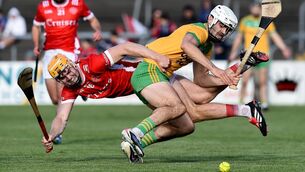
Dual player nothing but an easy target
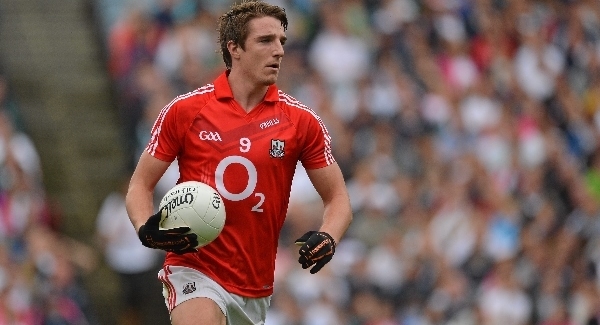
The ready consensus about the impossibility of the dual mandate in the GAA makes for grim reading if you’re a romantic, but also hints at a wider question that nobody seems keen to field, possibly because the answer is so problematic. Isn’t the dual player the logical outcome when the full spectrum of GAA activities is made available by clubs and county boards?
The main aim of the GAA is not to promote Gaelic football. Or hurling. It’s to promote Gaelic games, emphasis on the plural. The Association’s purpose is not to exclude participation, but to encourage it. Or is it?
What seems to be happening with the head-shaking about dual players attempting to play Gaelic football and hurling at the elite level misses the point entirely, as far as this observer is concerned.
If a county is promoting all the Gaelic games codes, rather than taking an a la carte approach based on its likelihood of success, then the dual player is an inevitable if infrequent result.
Taking the view that the levels of preparation necessary for both codes mean one can’t serve both masters equally well is neither here nor there. That outlook misses the wider picture, where counties not only take little interest in some sports but actively discourage its players from participating.
A noted hurling coach of this writer’s acquaintance was assigned to a county some years ago with a view to helping coaches within that county raise standards. He made an appointment with a county board officer to firm up a time and place to meet up and organise a couple of sessions. The official had to cancel at short notice, however. After he cancelled the next two at short notice as well then the coach got the message and moved on.
This isn’t a hurling-only issue. Counties which have a greater chance of success with the small ball are equally adept at letting the less popular code know its place.
A former footballer with one of those counties once recounted for me an agonisingly convoluted discussion with a county board official about travelling to a game. The official clearly hoped, without spelling it out, that the player would offer to drive to the game himself; the player dug his heels in and kept asking pointed questions about the team bus he expected the county board to hire for the (lengthy) journey.
This isn’t a Cork-only issue either, even if Aidan Walsh, Eoin Cadogan and Damien Cahalane have helped to foreground the discussion for people. Anyway, as sensible observers have added since last weekend, Cork’s demise on Sunday was a matter for 15 players, not three players who are playing hurling and football.
The truth is many counties are in dereliction of their obligations to provide the full spectrum of Gaelic games to the people of their counties. It suits them to have the prospect of a successful dual player rubbished by pundits because it substantiates their either/or stance when it comes to the games on offer.
Far from being a minor distraction, those counties’ inability or unwillingness to promote both games raises basic existential questions about the GAA itself. Is it an organisation intended to facilitate elite competition, with a heavy emphasis on the word ‘elite’? Is it a participation-based organisation seeking to get people playing its games on as wide a basis as possible?
From this perspective it’s not clear if those two aims can co-exist at all, never mind peaceably, or even at different levels within the organisation. Either way, expect the dual player to be rubbished from now until the end of September.
He’s too awkward a reminder of the contradictions within the GAA to be anything but an easy target.