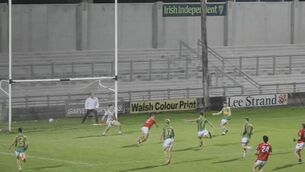
Burns reveals damning report on Fermanagh’s horrific year
This is one of several damning revelations in the Jarlath Burns-headed hard-hitting 77-page review of the Erne County’s year. The Armagh star pulled no punches as he criticised the county board, the management and players who walked out of the panel.
“A small, but very determined group of people set themselves totally against the appointment of the manager and decided to do all they could to thwart the progress of the county’s GAA fortunes in 2011,” Burns said.
“Those involved need to examine their conscience and ask themselves if their actions were serving the cause of the GAA in their county or feeding selfish preconceptions which they themselves held.”
But he also criticised the board telling them to “accept its role in the poor performance of CLG Fhear Manach 2011”. But he found that the players who remained in the squad “emerge as true heroes”.
Former All Star Barry Owens was described as “leading his men with dignity and diplomacy through an extremely difficult time”. However Burns concluded the 11 who left should have made their disenchantment known to the team captain and county executive.
“They left the county at the mercy of the media and the subject of gossip and ridicule.” And he found the management made “alarming errors” although “they did their best under the circumstances”.
“The decision not to have trials was a mistake... The players who were against John O’Neill’s appointment should have been approached and failure left a disaffected rump on the outskirts of the panel.”
In his report, which contains 14 considerations and five recommendations, Burns urged the county executive to work together and support decisions taken despite personal agendas or feelings.
County chairman Peter Carty, secretary Tom Boyle and treasurer Hugh Crudden were also part of the review committee. Burns’ stark recommendations found the management’s failure to approach Club Eirne was “an error of judgment and an indication of the disconnect between the manager and certain people in this group”.
The much-criticised training methods of the management were “universally praised” but the medical back-up was “not commensurate with the needs and expectations of a modern county set up”. The report concluded that under normal circumstances it would be easy to give the management a second year but “regrettably these are not normal circumstances”.

CONNECT WITH US TODAY



Be the first to know the latest news and updates