HSI want to benefit from the Horse and Greyhound Racing Fund
Intrinsically linked with this, however, is the unstated aim of eliciting state support.
By demonstrating how the sector can, as outlined by HSI, contribute “to the maximum possible extent, to our export-led economic recovery”, we will have addressed why government should invest in the industry.
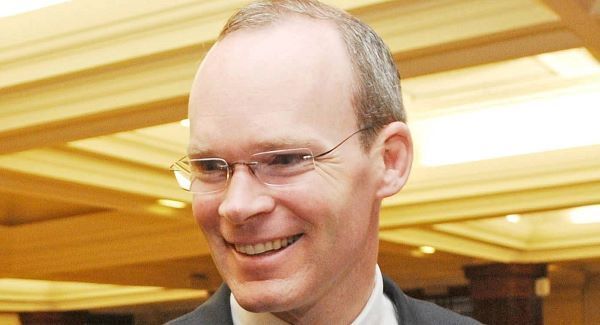
Agriculture Minister Simon Coveney deserves to be commended for his support of the industry in its aim to devise a strategy. For a minister to attend the current run of six public forums on the plan is a tremendous opportunity for the sector and demonstrates his belief the goal is achievable.
However, he needs to have the best information when/if he goes to the government to make a case for backing the sport horse sector, which could come via the long-stated HSI proposal that it benefit from the Horse and Greyhound Racing Fund. The fund this year saw an allocation of €54.2m to Horse Racing Ireland and Bord na gCon, broken down 80% and 20%, respectively, with much raised through a tax on betting.
While sport horses are not associated with betting, when it comes to its contribution to the economy, it stands up well alongside the fund’s two beneficiaries.
Junior Agriculture Minister Tom Hayes told the Dáil that “it is estimated the Irish bloodstock industry provided 14,000 jobs — many in rural areas — almost €l.lbn in economic output and exports worth some €174m”, while “Bord na gCon estimates that the greyhound industry employs over 10,300 people and contributes an estimated €500m in economic output to local economies”.
By contrast, a study by UCD found that the contribution of the Irish sport horse industry to the economy is over €708m annually, with 12,512 full-time jobs. Also, that there are 47,096 people involved in the sector, which contributes to the household income of 29,295 people.
So, to put things in context, HRI and Bord an gCon received over €43m and almost €11m, respectively, this year from the fund, while HSI’s total budget for 2014 comes in at under €5m.
A major aspect of the strategy, is to “increase the income of horse breeders, producers and the wider supply chain”.
Cathal O’Donoghue, head of Teagasc rural economy and development programme, says that to achieve this, data must be compiled to give a broad picture. This would also allow it to speak with one voice when outlining its goals to government.
“This strategy is all about generating economic activity,” said Mr O’Donoghue. “The minister can’t prioritise, so we need one voice and one way to go and that means a coherent plan. We can’t go to government in piecemeal fashion; all elements of the industry will need to work together.
“I’m an economist and it is fundamental that we know the quality of horse and what the market will pay for that horse. We need cultural change to encourage sellers to provide the price earned by a horse. Everyone would benefit from this.
“We in Teagasc collect data in terms of farm income and we feed it back into the sector. The same should apply to the horse sector. It is about getting information to make the right decisions for the benefit of everybody.”
The second public forum took place last night in Kilkenny. Mr Coveney is on home turf tonight when he attends the gathering at the Carrigaline Court Hotel in Co Cork, at 7.30pm. On Tuesday, the roadshow moves to The Lady Gregory, Gort, Co Galway, with meetings in Ulster and north-west.
* Ballindenisk hosts the second round of the FEI’s flagship eventing nations cup series next week and current leaders France will be aiming to stop a British hat-trick at the Cork venue.
Organiser Peter Fell, however, feels both countries would do well to take cognisance of the Irish quartet which is speculated to be Joseph Murphy (Electric Cruise), Sam Watson (Horseware Bushman), Sarah Ennis (Sugar Brown Babe), and possibly Camilla Speirs (Portersize Just A Jif) if she recovers from an arm injury.
“I see the French leading after dressage, but how they’ll cope with an Irish cross-country track is open to question. The British have shown they can handle it, having won in the past two years,” said Mr Fell.
“However, the Irish are very solid. They will be there or thereabout in dressage and are sure to be very strong in cross-country and show jumping.”