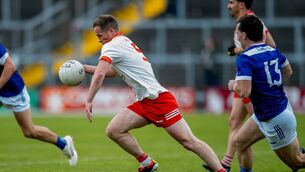
Sport can ill-afford to lose alcohol sponsorship
The ethics of accepting such backing from the manufacturers of alcohol products have been debated endlessly here in Ireland and abroad with detractors pointing to the massive health and financial problems caused by alcohol abuse.
The topic was raised in a recent report of the National Substance Misuse Strategy steering group, published at the start of February, calling for a ban on alcohol sponsorship of sporting and large outdoor events.
At present, Heineken and Guinness are the two most high-profile alcohol sponsorships in the Irish sports market with the former the title backer of rugby’s European Cup and the latter one of three main sponsors of the GAA’s All-Ireland hurling championship.
“This has always been an issue and some will question why gaming should be allowed while alcohol is under the spotlight so much,” said Julie Clark who is UK leader for PwC’s Sport and Leisure section.
“In a difficult economic climate like the one we are currently in we probably can’t afford too many sectors not to be involved right now. I’m more on the side of the business objectives but there is an ethical side obviously.”
Clarke was speaking recently at the Irish launch of her report on the global sports market up to 2015 entitled ‘Changing the Game’ which actually delivered an upbeat verdict on a sector experiencing continued growth despite the current economic downturn being experienced in most countries.
A prediction of 3.7% annual compound growth has been attributed to an improved global economy, are bound in TV advertising, the ongoing migration of sports to pay TV and the resurgence of financial services and automobile companies in sponsorship.
However, the trend away from alcohol tie-ins is not a universal one.
The easing of regulations banning beer sponsorship in the USA has led to significant sponsorship deals for the NFL (American football), NHL(hockey) and MLS (soccer) while triggering a sharp jump in the sponsorship spend of the alcohol companies concerned.
Clarke’s report also detailed trends and expectations in areas such as media rights, merchandising and gate revenues and gave a geographical breakdown of figures for the various regions worldwide.


CONNECT WITH US TODAY



Be the first to know the latest news and updates