A course that can quickly turn ugly
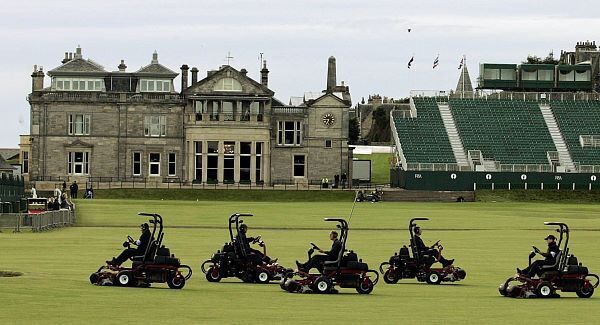
Each event is famed as much for their pedigree as for their history. For the begrudgers there is the opportunity to take a swipe at the pomp, the pimm’s, the blazers and, of course, the strawberries.
But behind all the traditions lie many of the most sought after and prestigious titles in the world none more so than this week’s Open Championship at the self proclaimed “home of golf” the Royal & Ancient Club of St Andrews.
As a venue for the Open Championship, it has stood the test of time, witnessing everyone from Old and Young Tom Morris to the best of modern era players like Nicklaus and Woods, both of whom have won at the venue.
This week a field of 156 players from around the world will tee off at St Andrews, dreaming of glory but only a select few stand a realistic chance.
The winning formula for championship links golf hasn’t changed much in the past 100 years — namely avoid the treacherous pot bunkers which litter the course and then execute a sound game-plan that takes into account the shifting winds.You cannot just aim and fire – you must strategise each shot as if it were a game of chess.
Despite its fame, the first impressions of the Old Course at St Andrews on a warm calm day can draw mixed reviews from “what’s all the fuss about” to “overrated”. But over time most of the greats have learned to appreciate and respect not just its history but also the fact that this flat, treeless landscape never plays the same from one day to the next.
Even more remarkably those same bunkers which look almost out of play and redundant on a calm day seem to obstruct your vision and game-plan on every shot when the wind picks up.
With blind shots, penal pot bunkers, shared fairways and seven vast double greens it would be easy to say that St Andrews probably breaks most of the rules of modern course architecture but it is also a timeless and “proven” masterpiece which has kept golfers guessing despite the rapid advancements in technology.
As a golfer and enthusiast I have long been an ardent critic of the fact that the R&A and the USGA seem to have taken their eye off the ball in terms of halting the alarming advances in modern technology (especially the ball) which has resulted in great golfing properties worldwide becoming almost redundant because they have become too short and cannot expand their boundaries.
The simple solution would be to lighten the ball or even reduce the size of a tee peg!
I am disgusted that these changes have also led to a power game to which the average amateur cannot appreciate (500 yard plus par fours) and a diminished golf skill set.
Thankfully links golf is different in that it requires the type of imagination and shot making skills of the likes of a Tom Watson so rarely witnessed in the game today.
In what other professional environment could a near 60 year-old win a major professional tournament?
The most competitive players this week will be those best able to employ that strange mixture of power and finesse.
Their head must rule their heart but their flair must also be matched by sound technique.
With the weather set to be mixed they must be able to overcome the disappointment of a bad draw weather-wise and show the emotional resilience to get on with matters.
As five-time champion Tom Watson so famously said, “Learning to love the links and all the fair and unfair nuances that come with it — is the hardest part of the battle.
“If you can get your head around it then you can prosper”