Donal Lenihan: Rugby has never faced so many challenges for audience
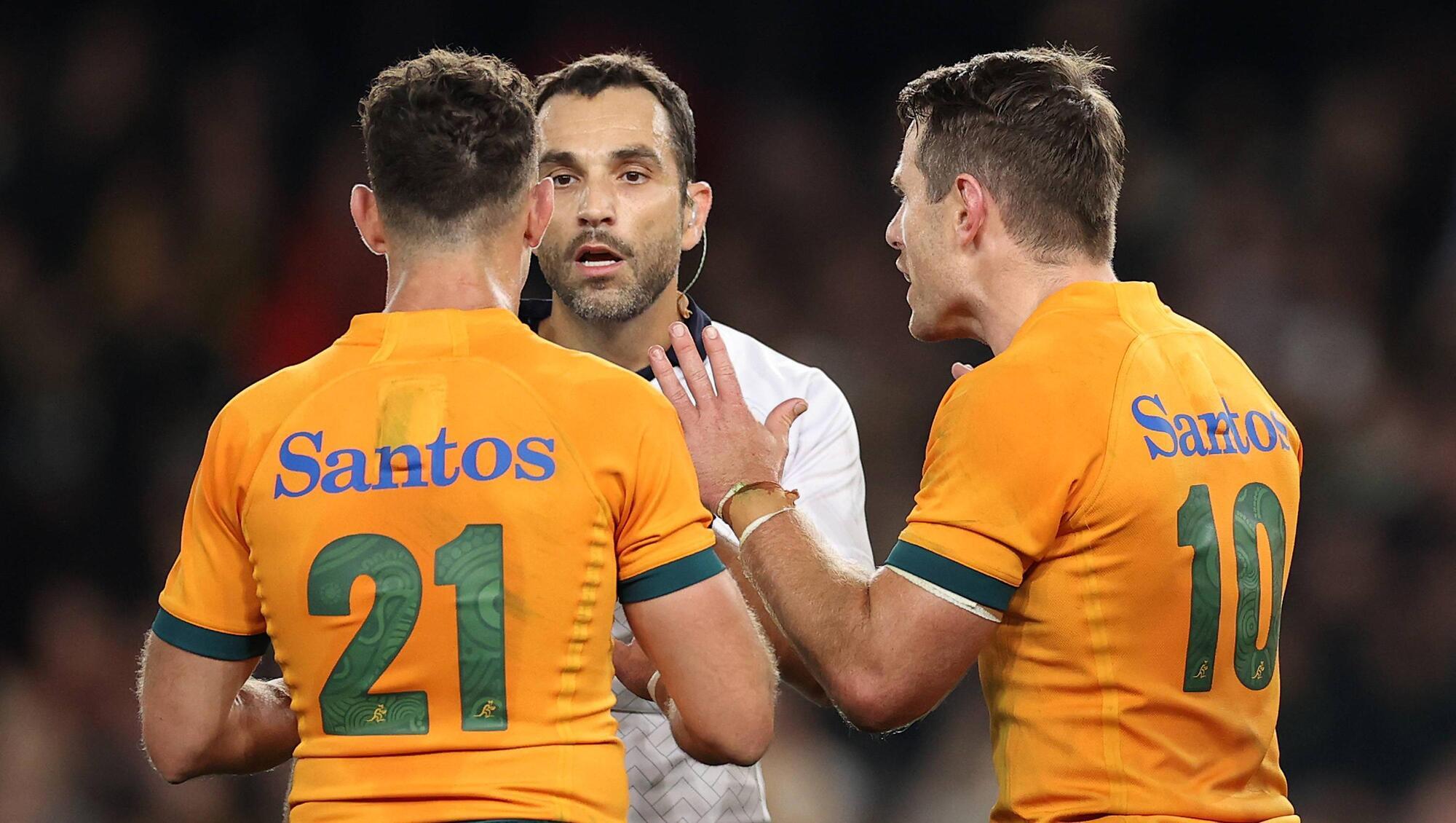
TIME-WASTING: 'If Raynal has set a precedence whereby teams will be penalised for gamesmanship or deliberate time wasting to slow down play, the game as a spectacle will benefit'.

With another demanding season already up and running, the game has never faced so many challenges. The impact of the coronavirus pandemic has asked serious questions of the financial model on which the professional game is based, not least in England’s Gallagher Premiership, where the complete over-reliance on private benefactors with deep pockets is finally coming home to roost.
As an entity, the Premiership has accumulated combined losses of over £500m since its inception. Already this season we’ve seen Worcester Warriors go into liquidation while of the great English clubs, Wasps, have until next Monday to pay a tax bill of £2m to the Revenue or face a winding up order. The owners of three others - London Irish, Gloucester and Sale Sharks - have indicated that those clubs are also available for takeover should a reasonable offer present itself.
With a class action involving over 200 former players against World Rugby and a number of individual unions surrounding concussion coming fast down the track, the game as its currently structured requires a major overhaul.
On the field, despite some cracking games across the Gallagher Premiership, URC and French Top 14, the sport is in the midst of an officiating dilemma. This manifested itself at the highest level across the summer test series and continued into the southern hemisphere's showcase tournament, the Rugby Championship.
For many, the decision of French referee Mathieu Raynal to penalise Wallaby out-half Bernard Foley for time-wasting when Australia were protecting a three-point lead at the death of their captivating clash with New Zealand in Melbourne last month represented the last straw.
The merit or otherwise of Raynal’s unusual call has been debated ad nauseam, with solid cases presented on both sides of the argument. Therein lies the crux of the problem. Too many facets of rugby officiating come down to individual interpretation.
This not only leads to a lack of consistency but can make it very difficult for the casual observer - which the sport badly needs - to expand its viewer base, to grasp what’s going on. There were several other occasions throughout that fraught Bledisloe Cup classic that could have been called for time-wasting, not least around penalty kicks at goal which, the law states, must be executed within a 60-second window.
While the cynical amongst us have little sympathy for the Wallabies given they’ve never been slow to adopt a “whatever it takes to win attitude” and were the pioneers of the sledging that has become part and parcel of the game now, imagine if Ireland lost their recent test series against New Zealand on a similar call. We would not be happy.
For the record, having listened carefully to the dialogue that took place between Raynal and Foley, I think the official was well within his rights to reverse that penalty. Never has the game been more difficult or challenging for the referee, as evidenced by an alarming series of blunders made, on and off the field, in Ireland’s historic first ever win over the All Blacks on home soil, in Dunedin, in a chaotic second test last July.
At one stage New Zealand should have been reduced to 12 players due to a sequence of incidents that led to a yellow and a red card being issued to both New Zealand tight head props in the space of a few minutes, eventually leading to a brief period of uncontested scrums.
New Zealand’s most influential forward, Ardie Savea - temporally withdrawn to facilitate the introduction of a front-row replacement - should have been allowed back on the field on the completion of the yellow card period and the recommencement of contested scrums, but was refused re-entry by the fourth official.
Chaos ensued with nobody really sure what was happening. No wonder one highly respected referee I met on the journey home from New Zealand felt completely exposed and let down by those in charge at the top.
My sympathies lie with the referees in the first instance. The game has become far too complex and is suffering badly from having too many cooks impacting on the decision-making process. In one recent URC game, the referee held a protracted mini-conference on the field with his two assistants and the TMO about whether a yellow or red card should be issued for a particular offence.
All we were short was a show of hands as the officials openly debated the sanction before coming to a conclusion after four minutes of interaction. While it is always desirable to get the right outcome (which doesn’t always happen despite the intense scrutiny of events), the interminable delays are killing the momentum of the game.
The process around the review of try-scoring incidents and the restrictions placed around the TMO, based on the question asked by the referee, also leads to confusion. If the TMO has clear evidence to suggest that a ball has been knocked on in the act of grounding, they should be able to communicate that clearly to the referee, regardless of the original decision.
The first half of Munster’s recent match against Zebre in Musgrave Park ran 15 minutes over time due to constant stoppages, injury, and TMO referrals. Everyone was bored to tears.
That point was highlighted by the ARU’s official letter of complaint to World Rugby after that game in Melbourne when, without referring specifically to the controversial decision by Reynal, their concerns focused on “the state of the game today and the overbearing nature of rules and officials”.
For me, the ground rules changed the day referees were mic-ed up for all to hear live on television. That addition has been brilliant in keeping the audience informed and up to speed with the reasons behind the various decisions but the cult of the referee becoming a personality in their own right was created. The genie was out of the bottle. Let’s just say some handle it better than others.
Once that happened, the old adage of the best referees being the ones that go unnoticed over the course of the 80 minutes was thrown out the window. How can you avoid noticing the officials when their voice and interactions with players and fellow officials take up so much time.
The stop-start nature of the game also plays into the hands of the monstrous teams, like South Africa, and is proving increasingly frustrating for sides who, without that raw physical power, want to play with high tempo and increase the number of minutes the ball remains in play.
Raynal may well have done the game a service by penalising Foley for time wasting. After all, he gave the Wallaby out-half three warnings to play the ball, then stopped the clock to give him an official warning to kick to touch which Foley failed to heed.
By that stage, the No 10 had consumed 39 of the 90 seconds left on the clock leaving Raynal with no choice but to award a free kick against him. The fact New Zealand went on to score the winning try with the clock in the red on added to Australia’s angst.
If Raynal has set a precedent whereby teams will be penalised for gamesmanship or deliberate time-wasting to slow down play, the game as a spectacle will benefit.