Donal Lenihan: It's inevitable that Six Nations will go behind a paywall
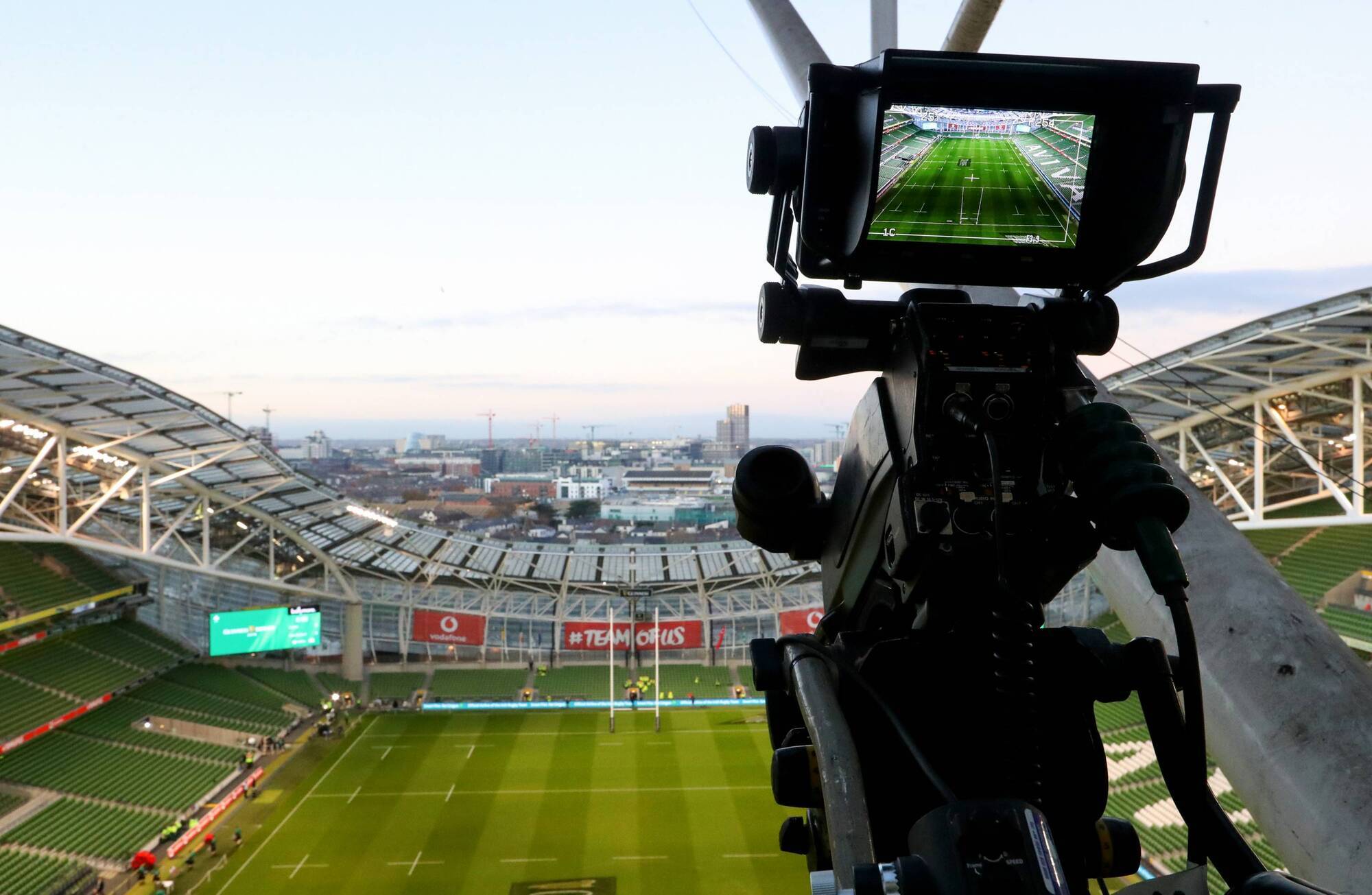
News that the CVC deal to purchase a 14.5% share in the commercial rights of the Six Nations Championship at the pre-pandemic valuation of €409m is due to be announced any day now. Picture: INPHO/Tommy Dickson
“The ultimate measure of a man is not where he stands in moments of comfort and convenience but where he stands at times of challenge and controversy.”
— Martin Luther King Jr
This time last year, all Six Nations unions were basking in the warm glow of comfort and convenience when contemplating the financial windfall from potential lucrative investment in the professional game. Venture capitalists were ready to pay handsomely for a share of the action across the domestic leagues and the international game.
CVC Capital Partners had already bought a stake in the Gallagher Premiership, the Guinness PRO14, and were on the verge of closing the deal to acquire a 14.5% commercial share of the blue riband of international rugby, the Six Nations Championship.
Only 18 months ago the unions were awash with opportunities and serious change was on the horizon. World Rugby was in advanced talks on the prospect of agreeing a Nations Cup, involving the major international countries at Tier 1 and 2 levels, leading inevitably to an integrated global season.
Adversity is supposed to bring people together, yet in the midst of escalating numbers of Covid-19 cases across Europe, we have seen nothing of the sort from our rugby leaders. The suspension of action in rounds 3 and 4 of the European Champions and Challenge Cup is understandable given the more contagious nature of the new British strain of the coronavirus.
Yet, instead of having some sort of consensus and joined-up thinking about what might happen to fill the void left by a fortnight of European inactivity (and the idea of freeing up some space at the back end of the season to play the games), unilateral decisions were taken.
So while the PRO14 and Top 14 rescheduled some domestic league games for the vacant weekends, their counterparts in the Gallagher Premiership decided on a two-week break. Self-interest played a role here with some English clubs happier to stick with the original schedule during the Six Nations window given that it meant their opponents would have fewer internationals available.
Closing down for a fortnight in England means no wiggle room for the postponed European pool games to be played in the spring. Within days Darren Childs, CEO of Premiership Rugby Limited and an EPCR board member, announced that “it was decided very quickly by the CEOs of all three leagues that Europe would be completed in the four remaining scheduled weekends in April and May. The exact structure has not been agreed and we’ve already started those discussions.”
It’s not clear what EPCR made of Childs’s statement or if he broke ranks in announcing it prematurely. Right now EPCR has no alternative but to fast forward the Champions Cup into a round of 16, comprising the top eight in Pools A and B, after the opening two rounds in a format still to be decided.
At one stage it was suggested that only the top four in each pool would advance to the quarter-final playoffs but that would have been grossly unfair. With some teams — including current holders Exeter Chiefs — outside the top four due to having a game cancelled because of a coronavirus outbreak in their club, it means the integrity of the tournament would be compromised even more.
The only pity with the top 16 play-off scenario is that the innovative home and away quarter-final, introduced for the first time this season in this outstanding tournament, has had to be sacrificed.
Imagine Munster returning home from Toulouse, trailing by eight points from the first leg in the Stade Ernest-Wallon. Imagine a packed Thomond Park getting behind their team to not only win the game but haul in the points differential. Hopefully, this format will be retained next season and stadia all around Europe will be packed to the brim.
Right now all the major leagues are more worried about the financial issues challenging their very survival and how best to come through this scary period. The first dividend from CVC that accrued to the respective unions in relation to the sale of a 28% stake in the PRO14 has already been absorbed in keeping the domestic game afloat at a time when revenue from gate receipts has ceased to exist.
The big lesson to emerge from this traumatic period for professional rugby is that the funding model has an overreliance on bums on seats. Unlike professional soccer, the broadcast money generated from the sale of television and radio rights is insufficient to sustain the game long term.
Sell-out crowds of 60,000+ that the top soccer clubs are guaranteed for all their home matches is a very lucrative added extra but they have been able to absorb that loss of income, at least for the time being.
Given the primary focus of the venture capitalists is to generate a major financial return on their investment in the medium to long term, the administrators must be very careful not to sell off the crown jewels of the sport for short-term gain.
Therefore news that the CVC deal to purchase a 14.5% share in the commercial rights of the Six Nations Championship at the pre-pandemic valuation of €409m is due to be announced any day now. The only caveat is that CVC have insisted on a Covid clause facilitating a deferral in payments, scheduled over a five-year period if fixtures are cancelled due to the virus.
The most immediate challenge facing the home unions and CVC is in balancing their diverse interests. With the lucrative broadcasting rights for the Six Nations set to be renegotiated before the conclusion of this season’s tournament in March, CVC will be chasing a substantial increase in the revenues generated by going down the subscription route.
This means the likes of Sky Sports, BT Sport, and new platforms like Amazon entering a bidding war, sending rugby’s biggest tournament behind a paywall. It’s inevitable. In doing so, the unions will have to assess what long- term damage this will inflict, as making the championship subscription-based will inevitably massively reduce viewership figures over the next four years.
That is exactly what happened when cricket and Formula One went down this route and had a detrimental impact on the playing numbers attracted to cricket as fewer young kids were exposed to watching the sport growing up.
When Sky Sports agreed to allow Channel 4 show the 2019 Cricket World Cup final between England and New Zealand, it was the first international cricket match to be broadcast free to air in the UK since the 2005 Ashes series. It attracted an audience of 8.3m people, making it one of the most viewed broadcasts of the year.
Further evidence of this was revealed yesterday when Sky Sports announced that Sunday’s Liverpool v Manchester United game at Anfield became the biggest ever audience for any event on Sky Sports with an average of 4.5m tuning in, peaking at 4.8m in the final five minutes. To put that in context, BBC had 9.6m viewers for the England v France Six Nations game in Twickenham on Super Saturday in 2015 when Ireland won the championship on points difference. Last February’s first-round game in Paris between the same sides attracted an average audience of 5.9m for BBC and peaked at 7m.
In the early 2000s, Sky Sports held the exclusive broadcast rights for England’s home rugby internationals when the RFU broke ranks with the other unions in the Six Nations. While they reaped the rewards financially, viewership shrunk, to such an extent that when Martin Johnson led England to their World Cup victory over Australia in 2003, the vast majority of the English players, including Johnson and out-half sensation Jonny Wilkinson, were unknown to a large majority of the English sporting public.
The current climate means rugby will be forced into taking the big bucks from the satellite platforms, not least to satisfy the commercial interests of their new partners. A compromise of sorts can be accommodated whereby each individual country can retain a minimum number of games on terrestrial television, be it RTÉ or Virgin Media in Ireland’s case.
Hopefully, by the time the 2022 Six Nations tournament comes around, watching sports live in the flesh will be an option once again if you’re lucky enough to get your hands on a ticket. Without access to the games on terrestrial television, the viewing options are about to shrink even further.