PM O'Sullivan: John Kiely and Limerick avoided a trap, but old Tipperary vulnerabilities arise
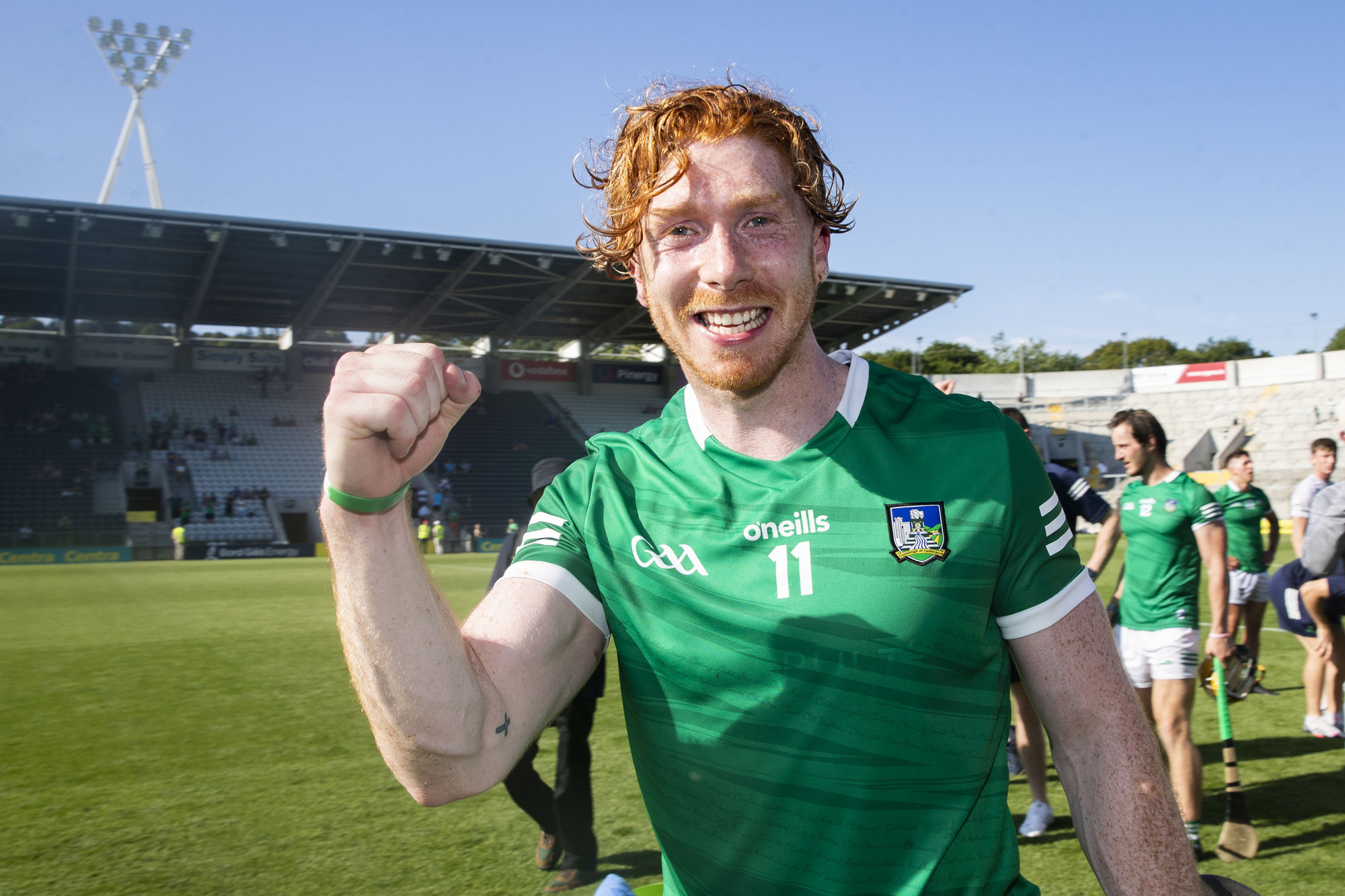
Cian Lynch: Working miracles for a Limerick team with huge self-belief. Picture: INPHO/Tommy Dickson

Had Tipperary climbed aboard an ark, we would have remained impassive.
What could surprise on a transfixing Sunday evening in Páirc Uí Chaoimh? There came literal swelter and metaphorical deluge, as Limerick swept away a 10-point half-time deficit with power hurling of nigh Biblical cast. They ran out eventual winners by a margin of five. Tipperary were not so much defeated as shattered.
At half-time, Liam Sheedy clapped like a preacher man, full of hard belief. The Tipperary manager would end up an undertaker, burying the day’s hopes.
Sheedy has always been jiggy with confidence but the roots of Sunday’s fervour seemed plain. Limerick, destroyed for stretches, lay 10 points down. The script was being scrawled in Tipp italics.
What changed? The third quarter’s astonishing reversal, Tipperary outgunned by 1-10 to 0-1, fostered lateral thoughts on 21st-century hurling. What were the main lessons?
Most hurling teams now operate with a false 11, a centre forward who drifts onto neat clearances. Main idea? Make a holding centre back redundant while the false 11 slots and assists.
Declan Hannon is the epitome of centre back as quarterback, a playmaker for whom marking is the least of his duties. During Sunday’s first half, Jason Forde performed the false 11 role with aplomb, arrowing over for fun. Michael Breen and Noel McGrath were false wing forwards, constantly dropping off.
Liam Sheedy and colleagues pushed a double bet. First, making Hannon redundant would blunt Limerick’s options. Second, one possible rejig would strengthen Tipperary’s hand in overall terms. If Limerick sent midfielder Darragh O’Donovan, say, to shadow Forde’s peregrinations, shifting Cian Lynch from centre forward to midfield, Tipperary would acquire a spare man at the back, six defenders on five forwards. This alteration would free up Pádraic Maher for a role in which he typically excels.
John Kiely and colleagues avoided this trap. Limerick’s front six ramped up pressure on Tipperary clearances after the break. The squeeze worked, in that false half-forwards got caught in no man’s land, when deliveries could no longer be pinpointed. Kiely’s preference for workrate in attack over a spare man at the back got endorsed. This upshot possesses long-term resonance.
Doubtful enough. As of July 2021, the prospect of fairly honourable quarter-final defeat to Cork or Galway or Waterford might appeal. Overcoming Kilkenny in a semi-final would likely just mean another encounter with Limerick.
Which hardly appeals. Put most simply, Limerick are getting better and Tipperary are not getting better.
Broader truths about this Premier group roosted. The current panel still depends on figures who emerged in the late 2000s and early 2010s, men such as Séamus Callanan, Noel McGrath, Brendan Maher, and Pádraic Maher. This generation suffered many close defeats but still garnered three All-Irelands (2010, 2016, 2019). Within their county, people love to make a case for ill-fortune in not winning four or five senior titles.
I wonder about that sentiment. Three senior titles seems in or about apt and not at all parsimonious.
Tipperary of the 2010s, replete with classy hurlers and fine stickmen, could hurl wonderfully at times. But they were always vulnerable to being outworked and outpaced. That those three senior finals were all won against Kilkenny suggests a lack of focus in other contexts. Truly great teams never lack focus, whatever the opposition.
There is also 2019’s narrative. En route to taking the Liam MacCarthy Cup, Tipperary got trimmed by Limerick in the Munster final, beat a 14-man Laois, beat a Wexford side that blew up through silliness, and beat a 14-man Kilkenny. That route represents one of hurling’s least prepossessing achievements.
If Tipperary are a truly great team, they will rebound and win a 29th senior title in 2021.
Limerick certainly seem that kind of team in waiting. Last Sunday put them staring down the barrel of a howitzer. They did not blink. The county is now 140 minutes away from the sort of glory only really special teams can grasp.
Self-belief in their dressing room must be off the charts. Cian Lynch is a miracle hurler. But Limerick need to avoid red cards. Consistent discipline remains an ongoing issue.
As has been well flagged, Aaron Gillane deserved a straight red card for his 38th-minute pull across Cathal Barrett. A head-high tackle by Séamus Flanagan on Pádraic Maher, later on, was not as clearcut a decision but plenty culpable. John Kiely will need words in certain ears.
Less flagged were the implications of Barrett’s foul. Gillane arguably had a better goalscoring position, if left unfouled, than was the case with Jake Morris against Clare in that recent Munster semi-final. While Aidan McCarthy was sin-binned in a widely criticised decision, Paud O’Dwyer showed no intention of sin-binning Barrett. This new rule wants mending. The insertion of ‘probable goalscoring opportunity’ for ‘goalscoring opportunity’ is badly needed, along with ending the requirement that the fouled player is brought to ground.
Meanwhile, Clare got Cork and Galway got Waterford. Hard to pick winners, with all four counties producing such glitchy performances. Clare might be coming into some momentum, though, and Galway will gain best chance if they pick a fast and energetic midfield.
The heat is on, as per the immortal words of Glenn Frey, with no arks allowed.