Christy O'Connor: How great coaches like Andy Reid can shape the future
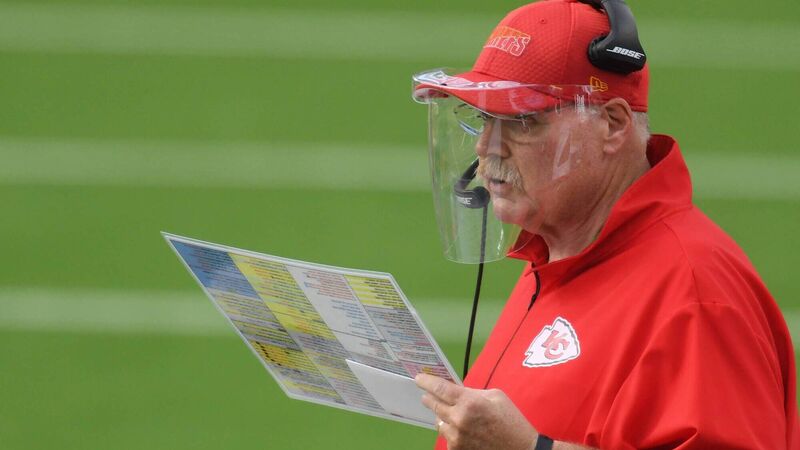
INSPIRATIONAL FIGURE: Kansas City Chiefs’s head coach Andy Reid leads his team to successive Superbowls on Sunday. Picture: Harry How/Getty
When the race to the Superbowl began heating up in last month's AFC Divisional play-offs, the narrative inevitably turned to Andy Reid’s incredible coaching tree, and of how long the roots had grown, and how far the branches have now reached.
Reid’s Kansas City Chiefs, the holders, will play in successive Superbowls on Sunday but Reid had to negotiate his way past teams in January led by head coaches he mentored and fostered.
When the Chiefs defeated the Buffalo Bills in the AFC championship game, the Bills head coach, Sean McDermott, had first worked with Reid when becoming his personal assistant with the Philadelphia Eagles in 2001.
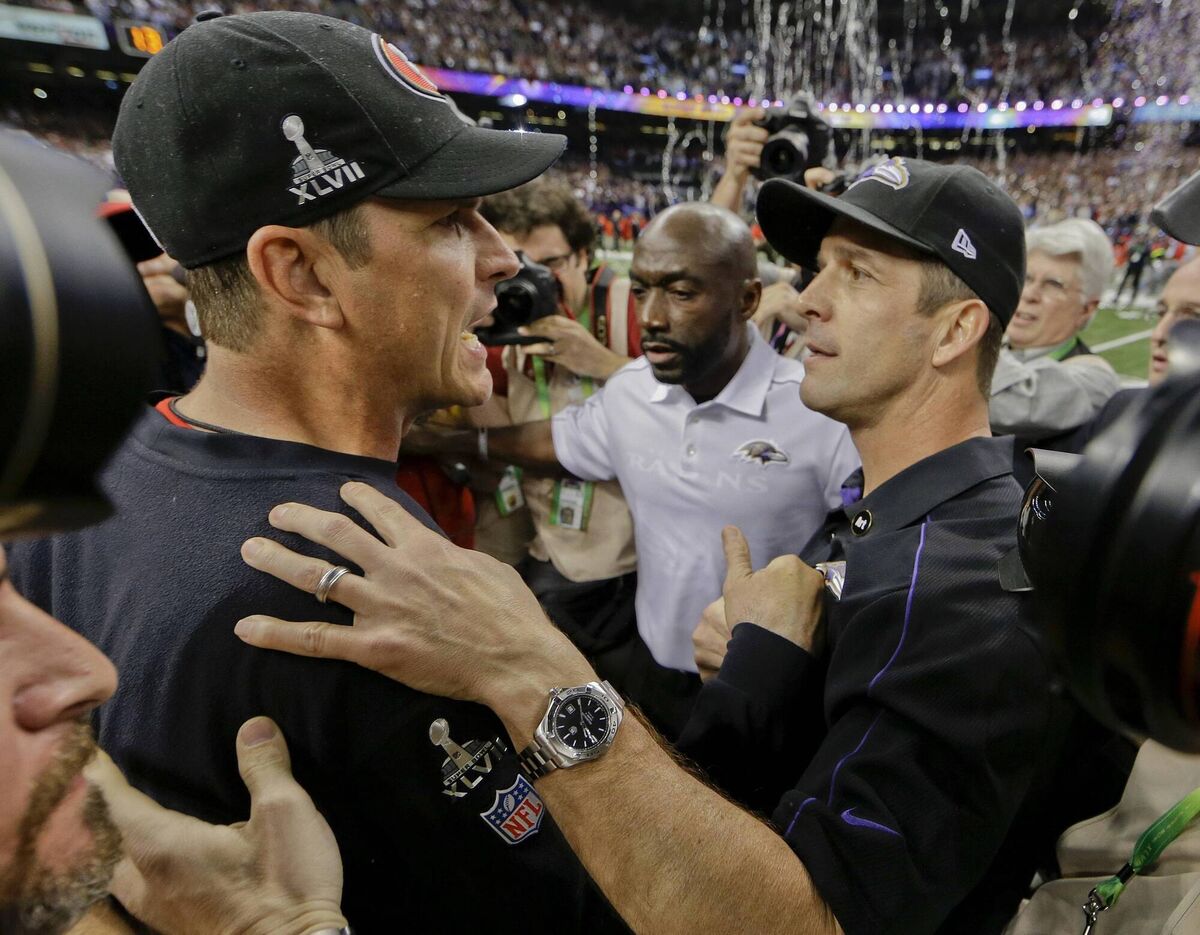
McDermott’s Bills had already taken out the Baltimore Ravens, whose head coach, John Harbaugh, first joined Reid’s coaching staff in Philadelphia as a special teams coordinator in 1998. On the same weekend of Divisional play-offs, the Chiefs overcame the Cleveland Browns, whose head coach, Kevin Stefanski was once a coaching intern for Reid.
Reid began planting the first significant seeds of his coaching tree when taking over the Philadelphia Eagles in 1998-’99. His coaching staff subsequently included Harbaugh, McDermott, Brad Childress, Ron Rivera, Leslie Frazier, Steve Spagnuolo and Pat Shurmer, all of whom went on to become an NFL head coach. Doug Pederson, who joined Reid in Philadelphia in 2009 before following him to the Chiefs, later returned to lead the Eagles to the 2018 Superbowl title.
Coaching trees in the NFL have often been over-rated but Reid’s has borne some of the richest fruit imaginable. Three of Reid’s former coaches have reached the Super Bowl, two have won it, while most of the others have had some measure of playoff and divisional success in their NFL careers. With the exception of just two, the rest of Reid's assistants who have gone on to become head coaches were in the league in 2020-’21.
That list could soon be extended as two of Reid’s current assistants, Eric Bieniemy and Mike Kafka, have already received interest for head-coaching positions. Bieniemy, the Chiefs’ offensive coordinator, was promoted to that role in 2018 when Matt Nagy left Reid’s set-up to become head coach of the Chicago Bears.
"One of the most important things in any profession is where you start," said Harbaugh last year. "Who you start with really makes a big difference. If you start with people that do it the right way - good people, teach you the right things - it just gives you a chance, it gives you a huge leg up.”
The right environment, guided by the solid leadership of a good manager, can certainly create the ideal hothouse for growing future coaches and managers. That environment doesn’t necessarily have to be a winning one but, once the culture and values within the set-up are strong and properly aligned, there is greater potential to shape people.
That dynamic can even be more empowering again when players are hardened from a set-up well versed in the running of a highly-disciplined operation, but even more driven when the set-up didn’t achieve what they hoped to.
The dog days along the way certainly mould future inter-county managers. That was clearly a huge factor for the two managers who have grown the strongest coaching tree from one team in hurling and football over the last 30 years – Ger Loughnane and Pat O’Neill.
Before Loughnane and O’Neill guided Clare and Dublin to the 1995 All-Ireland titles, their players’ journeys were similarly defined by disappointment and devastating defeats in previous years. And in time, those experiences hardened those players’ conviction and steeled their resolve for the future.
It has been no surprise that Dublin’s modern revolution has been led by men from that 1995 side; Pat Gilroy, Jim Gavin and Dessie Farrell have managed Dublin’s to eight All-Irelands since 2011.
Jason Sherlock was a massive factor in Dublin’s five-in-a-row as Gavin’s coach between 2015-’19, while five more of that team which played in the 1995 All-Ireland final have been involved as inter-county managers, coaches or selectors – Paul Clarke, Mick Deegan, John O’Leary, Mick Galvin (Dublin) and Paul Bealin, who managed Wexford, Carlow and Westmeath.
Of the 17 Clare players which featured in the 1995 All-Ireland final, six went on to become inter-county senior managers – Cyril Lyons, Anthony Daly, Davy Fitzgerald, Brian Lohan, Ger ‘Sparrow’ O’Loughlin and Ollie Baker.
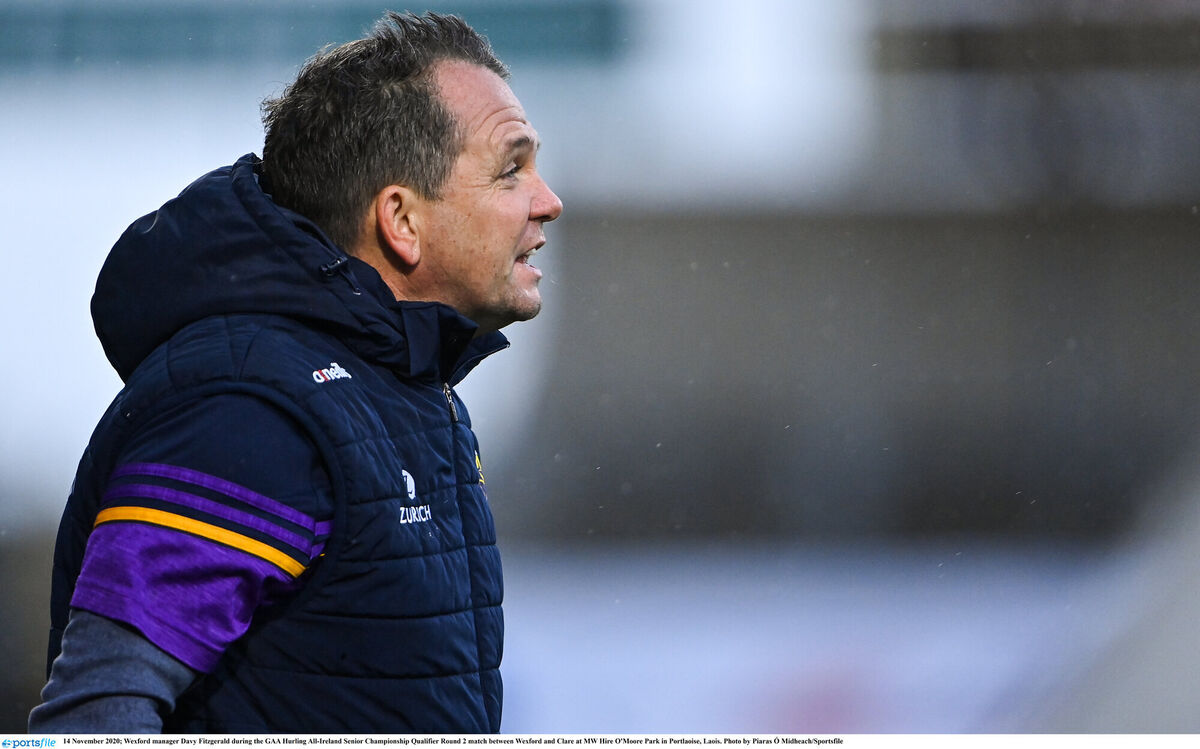
Five of those players worked under Len Gaynor in the early 1990s, before Gaynor took over Tipperary, whose side faced Clare in the 1997 Munster and All-Ireland finals.
Gaynor only lasted two years in Tipperary but his imprint clearly left a mark on so many of the players he managed during that era; five of those Tipp players who played in the 1997 All-Ireland final became inter-county senior managers, two of whom won All-Irelands, with two more managing teams to All-Ireland finals; Colm Bonnar, Declan Ryan, Liam Sheedy, Michael Ryan and Liam Cahill. Tommy Dunne is one of the best coaches in the game, while Brendan Cummins is also building a solid reputation as a coach.
Most coaches and managers have learned their trade under a long succession of different people. Declan Ryan, Michael Ryan, Bonnar, Sheedy (just for one season) and Cahill (at the end of his career) also played under Michael ‘Babs’ Keating. With Nicky English and Ken Hogan also having managed Tipperary, Keating has some claim to having planted the greatest hurling coaching tree, considering three of his former players managed Tipp teams to four All-Irelands. Some of his other former players also left a significant coaching foot-print; Richie Stakelum was a brilliant lieutenant for Anthony Daly in Dublin for six years.
Most managers need time and experience before ascending to the top job but that period in the mid to late 1990s was a very fertile period for producing future inter-county managers and coaches. From the Mayo sides John Maughan managed between 1996-’99, three went on to manage the county; Pat Holmes took over from Maughan in 2000 before later returning as joint manager with Noel Connelly, while James Horan managed Mayo to three All-Ireland finals. Liam McHale, James Nallen, Peter Burke and Kieran McDonald have also been part of Mayo backroom teams.
The 1998 Galway All-Ireland winning side also spawned a raft of future coaches and selectors, including the county’s previous and current senior managers - Kevin Walsh and Padraic Joyce.
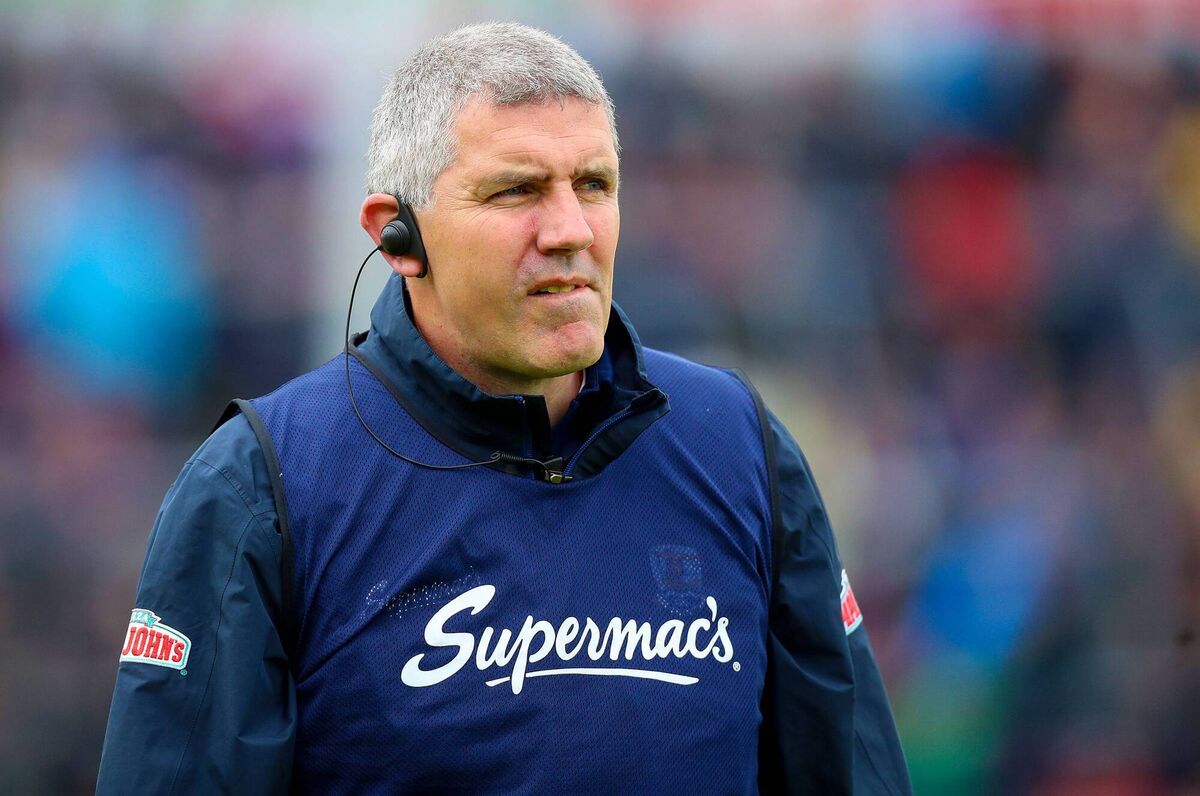
Many of those whose playing careers took off in the 2000s have been learning their trade ever since, but the time is clearly coming right for a host of them now.
Mickey Harte is one of the greatest managers in history and the branches of his tree are now clearly blossoming; Brian Dooher replaced Harte as joint-manager with Fergal Logan; Enda McGinley was appointed Antrim manager in November, with Stephen O’Neill on his ticket; Ryan McMenamin is now in his second year as Fermanagh manager; Gavin Devlin, Harte’s trusted lieutenant in the latter years of his Tyrone management, has since moved to Louth with Harte.
Gavin is learning from one of the best but most of the top coaches and managers are hungry to accumulate as much knowledge as they can before stepping up to the top job. And the learnings are all the greater again when those lessons have come from the most intense environment.
Of course, there will always be managers who forge their own path, who plant their own seeds, grow their own roots and then cultivate a whole new coaching tree. Most inter-county managers will naturally have been inter-county players but some of the greatest and most influential managers of the last 40 years never played senior inter-county; Eugene McGee, Cyril Farrell, Diarmuid Healy, Canon Michael O’Brien, Jack O’Connor.
Reid never played in the NFL, and neither did two of American football’s greatest head coaches – Bill Walsh and Bill Bellichick. Both men also fostered platoons of coaches, but Walsh is seen as the father of the American football coaching tree; five of his former assistants combined to win seven Super Bowl titles as head coaches. Two — Mike Shanahan and George Seifert — won it twice.
Now Reid is trying to do the same, but he will be going up against another former assistant on Sunday in Todd Bowles, the defensive coordinator for the Tampa Bay Buccaneers. Bowles worked under Reid during his final season in Philadelphia in 2012 before becoming head coach of the New York Jets for three seasons.
The branches of Reid’s coaching tree are still growing, still extending, and forever flowering.