Turning Ireland’s biomethane ambition into action
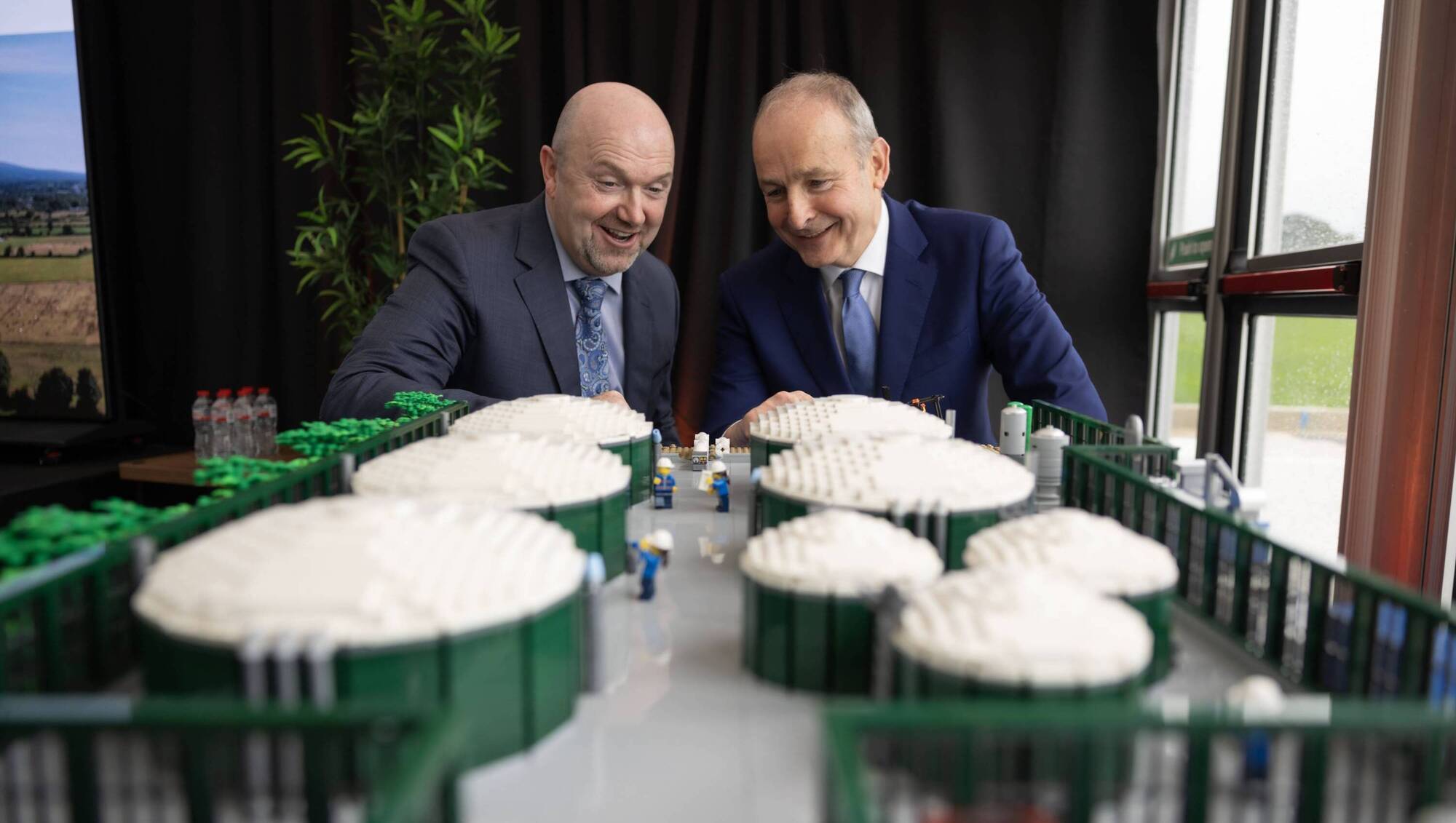
Taoiseach Micheál Martin, with David Kelly, CEO, at Gas Networks Ireland.
Ireland’s energy transition presents a dual challenge: reducing carbon emissions while maintaining the secure and reliable energy supply that homes, businesses and industry depend on every day.
For many sectors, particularly manufacturing, food production and agriculture, as well as transport, decarbonisation is not as simple as switching to alternative technologies. Achieving climate targets will require a range of solutions capable of delivering emissions reductions while supporting economic growth. Biomethane is emerging as one of the most promising of these solutions.
Biomethane is a renewable gas, produced from organic materials such as agricultural residues, food waste and other feedstocks through a process known as anaerobic digestion. It is chemically identical to natural gas, which means it can be transported through the national gas network and used in existing equipment without the need for significant infrastructure changes or capital investment.
The Government’s National Biomethane Strategy has set an ambitious target of producing 5.7 TWh of biomethane annually, offering a viable alternative energy source that creates a significant opportunity to strengthen energy security and reduce reliance on imported fuels.
2026 has been an important year for Ireland’s biomethane sector, with several significant milestones delivered by Gas Networks Ireland.
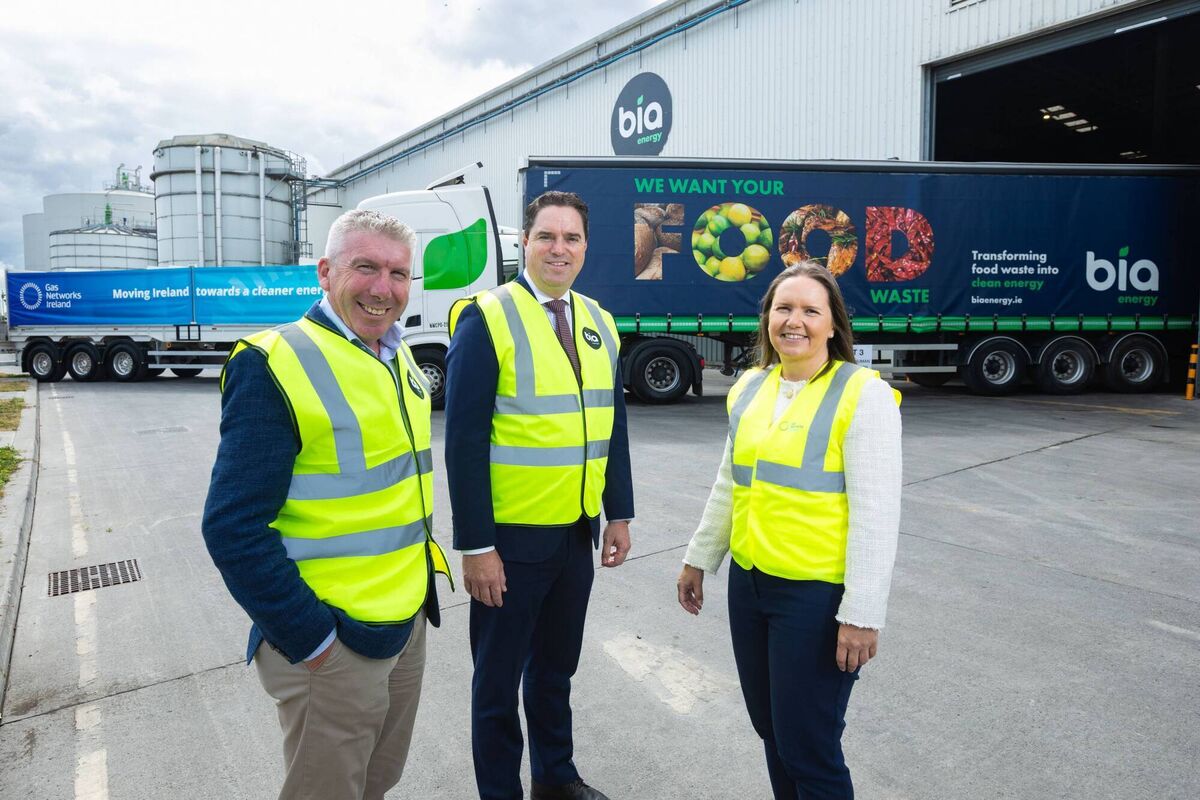
The country's first biomethane production plant to be connected to the national gas network was Bia Energy’s €90 million Huntstown facility in Co Dublin, officially launched by Minister for Agriculture, Food and the Marine, Martin Heydon, in August. Speaking at the launch, the Minister remarked, “The connection of Bia Energy’s anaerobic digestion facility at Huntstown represents a significant step forward in the development of Ireland's renewable gas sector. It demonstrates how agricultural and organic waste can be converted into a valuable renewable energy source, reducing emissions and enhancing energy security.
“The project also delivers benefits for agriculture through the production of digestate as a byproduct of anaerobic digestion, which can be used as an alternative to chemical fertilisers, supporting more sustainable farming practices and a circular economy. In July, the Government started issuing €19 million in funding to projects such as Bia Energy’s Huntstown facility that were successful under the 2024 Biomethane Capital Grant Scheme.”
Investment in biomethane facilities and infrastructure will provide the momentum and growth required to scale the production and use of this renewable energy source.
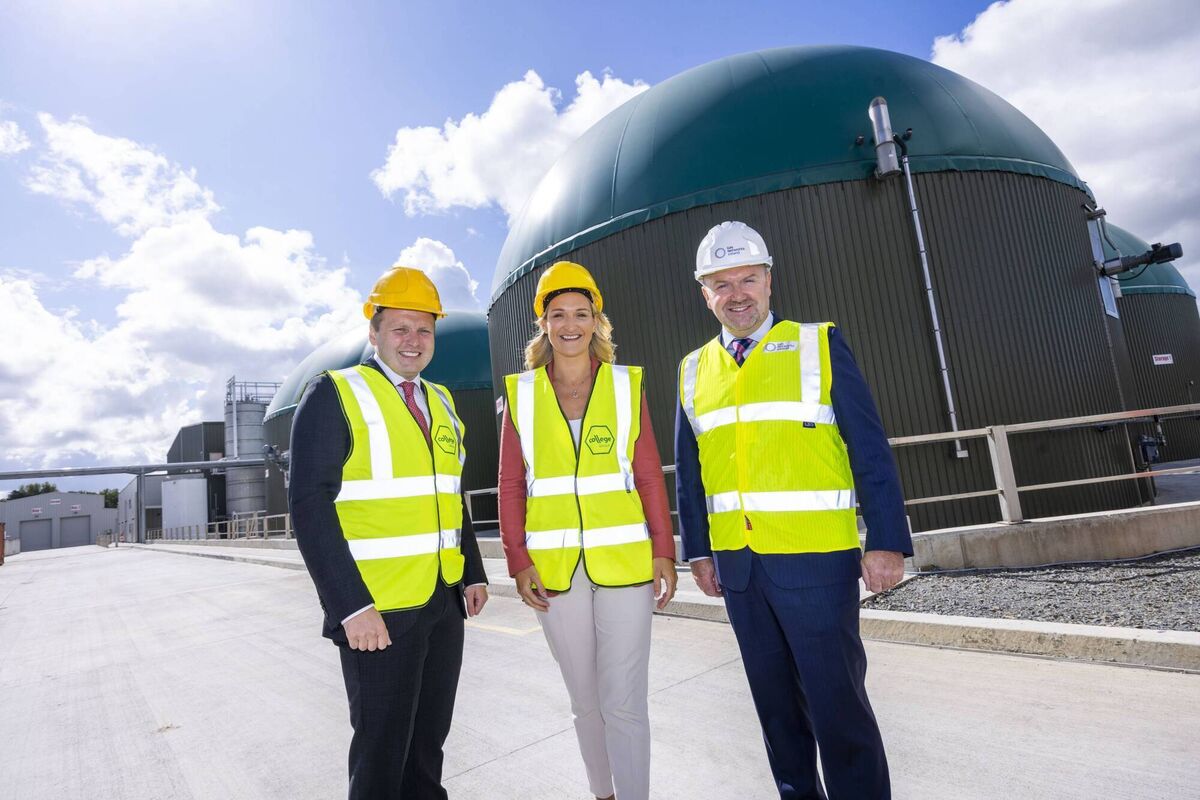
The second biomethane facility connected was College Group's plant in Nobber, Co Meath, where Minister Helen McEntee joined stakeholders to mark the project completion. At the launch, the Minister commented that, “It is fantastic to see a business from my own constituency at the forefront of Ireland’s transition to renewable energy. College Group has been an important part of the Nobber community and economy for more than 35 years and its continued investment in innovation, renewable energy and new technologies demonstrates the contribution that ambitious Irish businesses can make to our national climate and energy goals.
“This facility is a great example of the circular economy in action, taking food and agri-food by-products and transforming them into a valuable source of renewable energy. It is also an important investment in the local economy, supporting jobs and demonstrating that the transition to a lower-carbon economy can deliver real opportunities for communities across Ireland.
“Projects such as this also have an important role to play in strengthening Ireland’s energy security. Producing more of our own renewable energy here in Ireland from resources generated within our own economy, means greater resilience and less reliance on imported energy.”
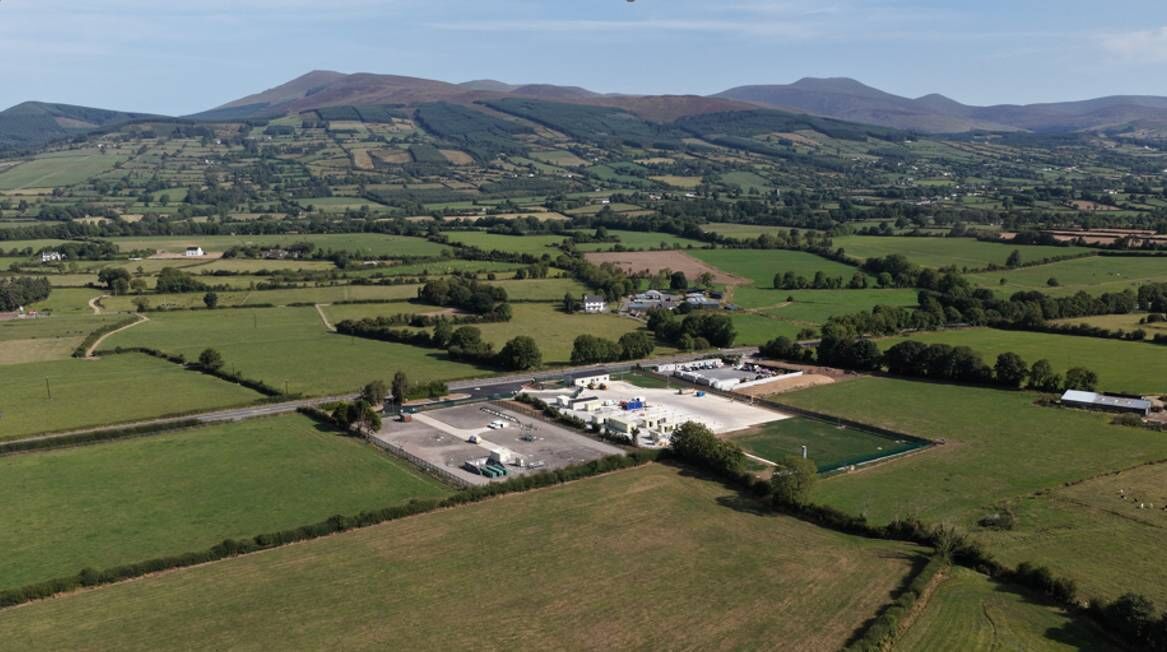
However, direct connections to the gas network will not always be viable. Many biomethane producers will be in rural areas where the cost of a direct pipeline connection could be prohibitive. The construction of Gas Networks Ireland's €32 million Mitchelstown Central Grid Injection (CGI) facility is a significant step to address this issue and encourage growth in biomethane production and use.
At the official opening in October, Taoiseach Micheál Martin said: “The opening of the Mitchelstown Central Grid Injection facility is an important milestone in Ireland’s renewable energy journey and in the development of our indigenous biomethane industry.
“Ireland has set an ambitious target for biomethane production by 2030, and delivering the infrastructure to connect this renewable gas to our national network is a vital element in helping to achieve that goal.
“This investment also has the potential to create new economic opportunities in the agricultural sector, providing farmers and rural businesses with opportunities to diversify their income while contributing to our climate and energy security objectives.
“I’m delighted to return to Mitchelstown, having turned the sod on this project in October 2024, and to see the construction completed and ready to play its part in Ireland’s renewable energy future.”
The Mitchelstown CGI facility introduces an innovative new route to market as biomethane can be transported by trailer to Mitchelstown and injected into the national transmission system from a central location. This approach will help producers unlock renewable gas potential across a much broader geographic area.
At full capacity, the facility will be capable of injecting up to 700 GWh of biomethane annually into the gas network, equivalent to approximately 12 per cent of the Government’s 2030 biomethane target.
Gas Networks Ireland has also been working closely with our business customers to demonstrate together how biomethane can support decarbonisation across a range of industries. Pilot projects involving businesses such as the Malting Company of Ireland, Ahascragh Distillery and Kingscourt Brick are exploring how renewable gas can reduce emissions in high-temperature industrial processes that can be difficult to electrify.
These initiatives provide practical examples of how biomethane can help businesses progress their sustainability ambitions while continuing to use their existing production processes and equipment. In turn, it offers their customers a product to enjoy that has been produced sustainably through innovation and collaboration with partners in the supply chain.
As Gas Networks Ireland marks 50 years of moving Ireland’s energy, the organisation is also working to shape its future. This year’s progress demonstrates that Ireland’s biomethane sector is beginning to scale. From the first network connections and innovative industrial trials to landmark infrastructure projects, the foundations of a new renewable gas industry are being established.
No longer a pipe dream, Ireland’s biomethane ambition is moving beyond potential and into delivery, creating a cleaner, more secure and more sustainable energy future for the country. Gas Networks Ireland will continue to work with various sectors of the economy to deliver the infrastructure and technologies required to keep moving Ireland’s energy in a sustainable way.