SETU connects Ireland’s southeast to a changing Europe
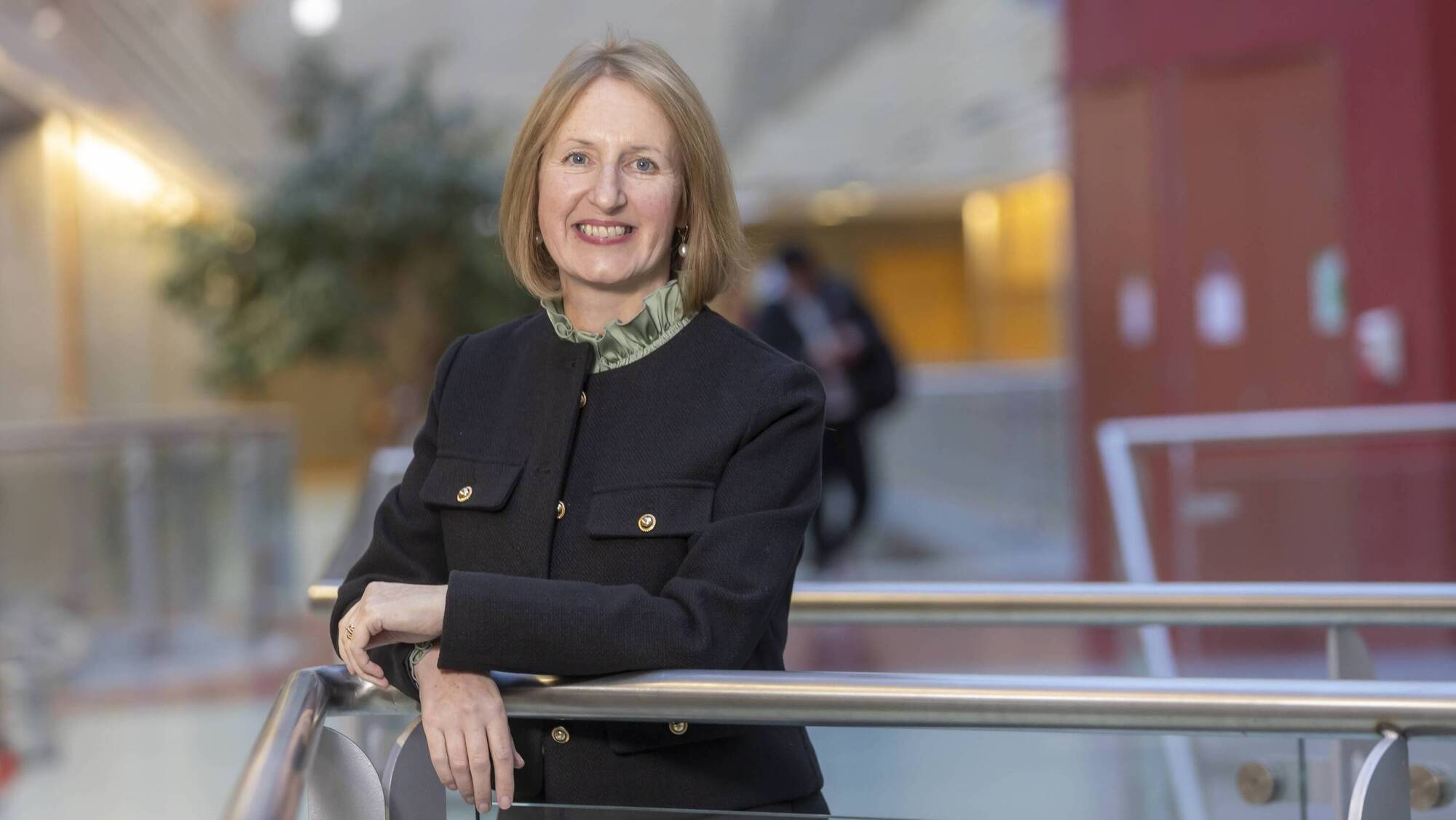
Professor Veronica Campbell, president of SETU
From quantum-secure communications and artificial intelligence (AI) to offshore wind, aerospace and European university alliances, South East Technological University (SETU) is showing how a university with regional roots can contribute to a stronger Europe.
That regional-to-European role takes on particular significance as Ireland holds the presidency of the Council of the European Union. For former Irish ambassador to the US and SETU honorary doctorate recipient Dan Mulhall, the presidency comes at a pivotal moment as the EU responds to rapid technological change, geopolitical uncertainty and the need to strengthen its economic and social resilience.
One of the tests of Ireland’s presidency, Mulhall says, will be how effectively Ireland uses its position to advance its interests in a changing global economy.
“As global trade patterns shift and protectionism gains ground, Ireland cannot afford to be complacent,” he says. “We ought to proactively strengthen our position within the EU, invigorate trade links and offer ourselves as a stable and strategic bridge between transatlantic and European markets.” But Ireland’s ability to compete in that changing environment will depend on more than trade. It will also require the capacity to conduct research, drive innovation, develop skills and translate knowledge into practical outcomes.
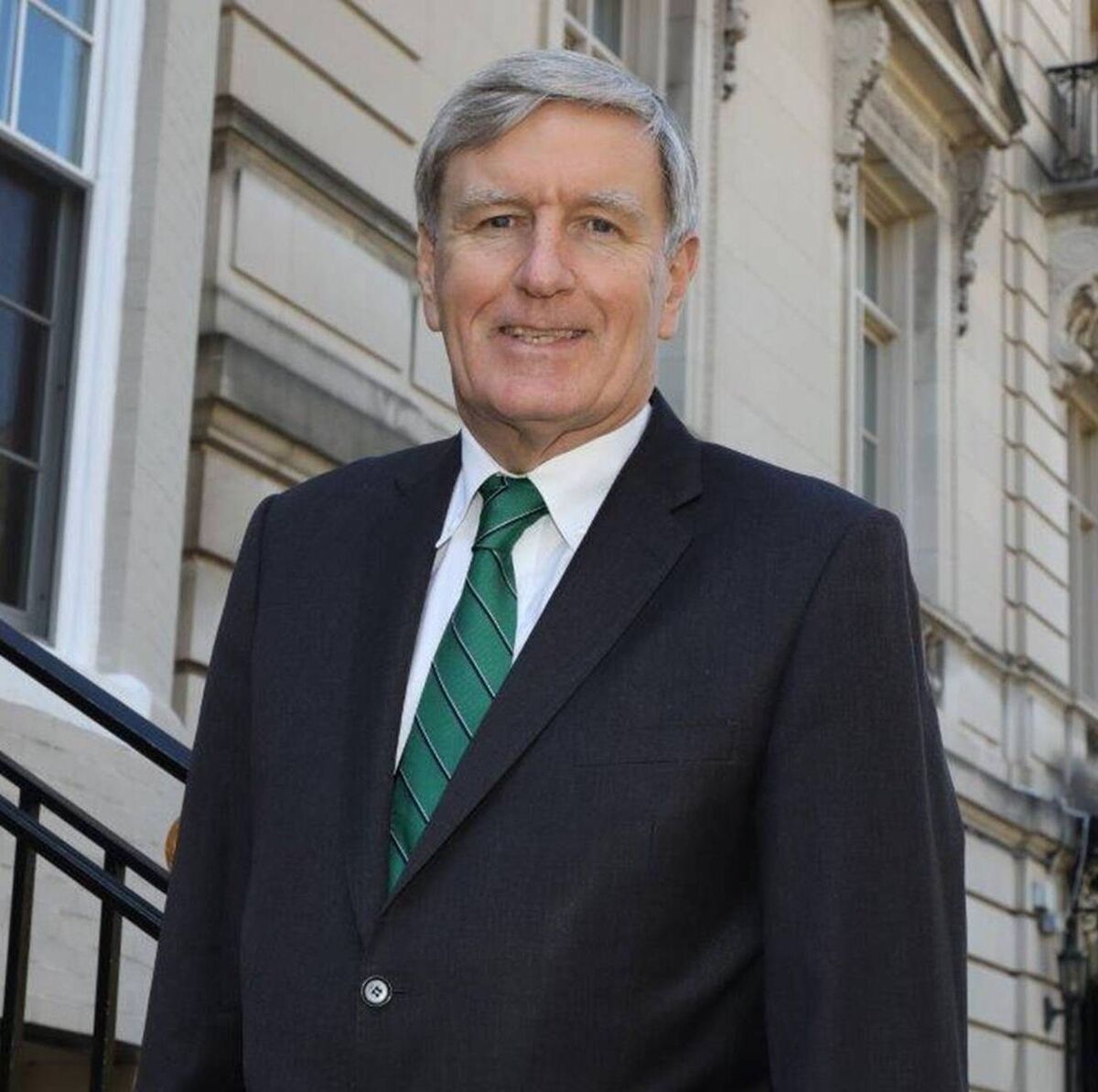
“As a country we need to be ambitious in using our research, innovation, skills and partnerships to build capability here in the southeast while contributing to Europe’s competitiveness, security and social development,” says Mulhall. “As the only university in Ireland’s southeast, SETU has a vital role to play in connecting these regional strengths with European priorities and delivering impact at both regional and European level.” Ireland’s presidency is focused on three priorities of competitiveness, values and security. Those priorities are reflected in the university’s research, its international partnerships, the skills and talent it develops, and its work with industry and regional and international partners.
“With an annual economic impact of more than €1 billion, SETU is making a significant contribution to the economic and innovation landscape of the southeast and beyond,” says SETU president Professor Veronica Campbell.
“Our growing European research footprint, together with almost €13 million in funding secured through Horizon Europe, positions SETU as a leading force among Ireland’s technological universities in European research and innovation.
“This international reach reflects the university’s commitment to delivering at scale for our region, our country and our European partners,” says Campbell.
One of the defining questions for Europe’s economic future is how it can remain competitive amid rapid technological change and intensifying global competition. For SETU, competitiveness is concerned with equipping people with the skills employers need, and turning research into economic and social value.
“SETU is playing its part in the European competitiveness debate by connecting research with industry, skills with employment and regional strengths with international opportunity,” says Campbell.
The university’s participation in Ireland’s new €460 million national research centres is one example of this approach. Researchers are contributing to three of seven Research Ireland centres in areas including AI, medicines development and quantum technologies.
SETU’s Walton Institute is also leading Ireland’s participation in TransEuroOGS, an €18 million European project involving Ireland, Germany, Greece and Luxembourg. The project forms part of Europe’s EuroQCI ambition to develop more secure communications infrastructure. The work is aimed at creating secure links between space and terrestrial communications infrastructure, using quantum technologies to help protect sensitive information.
Elsewhere, the university’s research is putting AI to practical use, with more than €1.1 million in Enterprise Ireland funding supporting two projects to digitise housing inspections and compliance and tackle food waste in the agri-food sector.
Competitiveness may shape Europe’s economic strength, but the EU is also founded on shared values and co-operation across borders.
SETU’s membership of EU-CONEXUS, the European University for Smart Urban Coastal Sustainability, connects the university with partners across France, Spain, Germany, Lithuania, Croatia, Romania and Cyprus. Through the alliance, researchers, staff and students collaborate on shared challenges while providing access to international expertise, networks and opportunities.
Since joining in 2022 SETU has contributed to European micro-credentials, a joint master’s programme in leadership and sustainable development and an Alliance Careers Network. The university has also played a leading role in shaping the alliance’s future, hosting key meetings and securing almost €1 million in additional funding to support this work over the next two years.
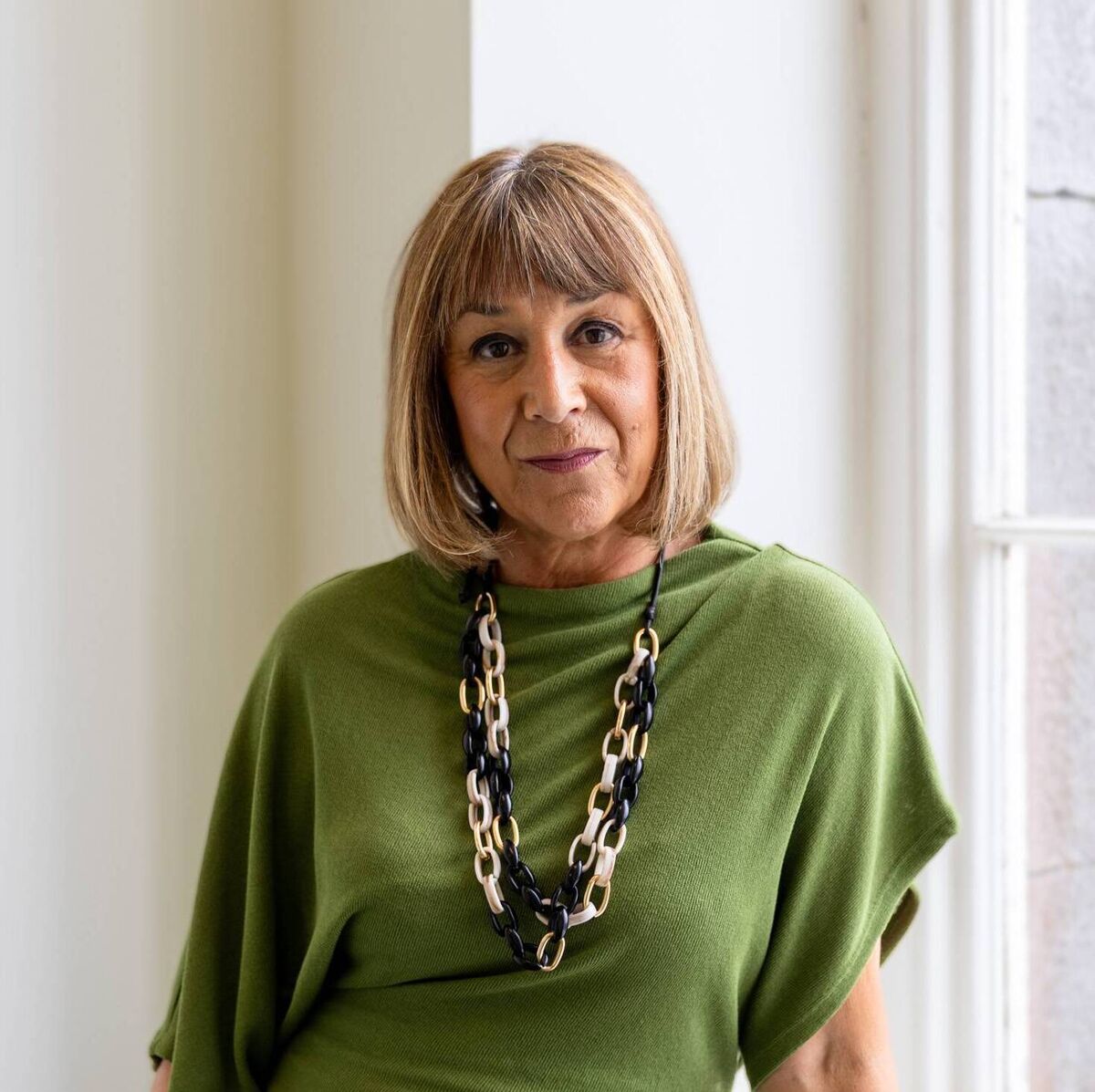
“EU-CONEXUS gives our researchers, staff and students the opportunity to work with European partners on shared challenges affecting coastal regions and communities,” says Helen Murphy, head of faculty of education and lifelong learning and EU-CONEXUS academic council member.
Under EU-CONEXUS seed funding, the university is involved in research into antimicrobial materials and in developing an international virtual interprofessional learning experience, involving students on SETU’s Master’s of Pharmacy programme and medical students at Universidad Católica de Valencia San Vicente Mártir (UCV).
“These are practical collaborations that bring European expertise and opportunities to the southeast, while allowing SETU to contribute its own knowledge to challenges across Europe,” Murphy says.
EU security is increasingly connected to technology, energy, infrastructure, specialist skills and the resilience of strategic industries.
As MEP Cynthia Ní Mhurchú, a member of the European Parliament’s Transport Committee, says: “Europe’s strategic autonomy depends on the people and capabilities required to maintain critical systems, develop advanced technologies and support strategically important industries.
“If Europe cannot protect critical infrastructure or develop the technologies on which it depends, it cannot remain economically competitive. And without the skills to support those technologies, neither security nor innovation can be sustained,” she said.
Offshore wind development is of particular significance to the nation, bringing with it new infrastructure, and its own set of regulatory requirements and cybersecurity challenges.
SETU is building capability in this area. As members of the South East Offshore Wind Partnership, SETU and Iarnród Éireann have come together to address the challenge of upcoming new cybersecurity legislation, on foot of which, SETU’s cybersecurity and critical-infrastructure programmes have been tailored to address the needs of the offshore wind and maritime sectors.
Additionally, SETU has partnered with the Maritime Area Regulatory Authority (MARA) to develop skills and expertise for the maritime and offshore energy sectors. SETU became the first higher education institution to sign a strategic co-operation agreement with MARA last year.
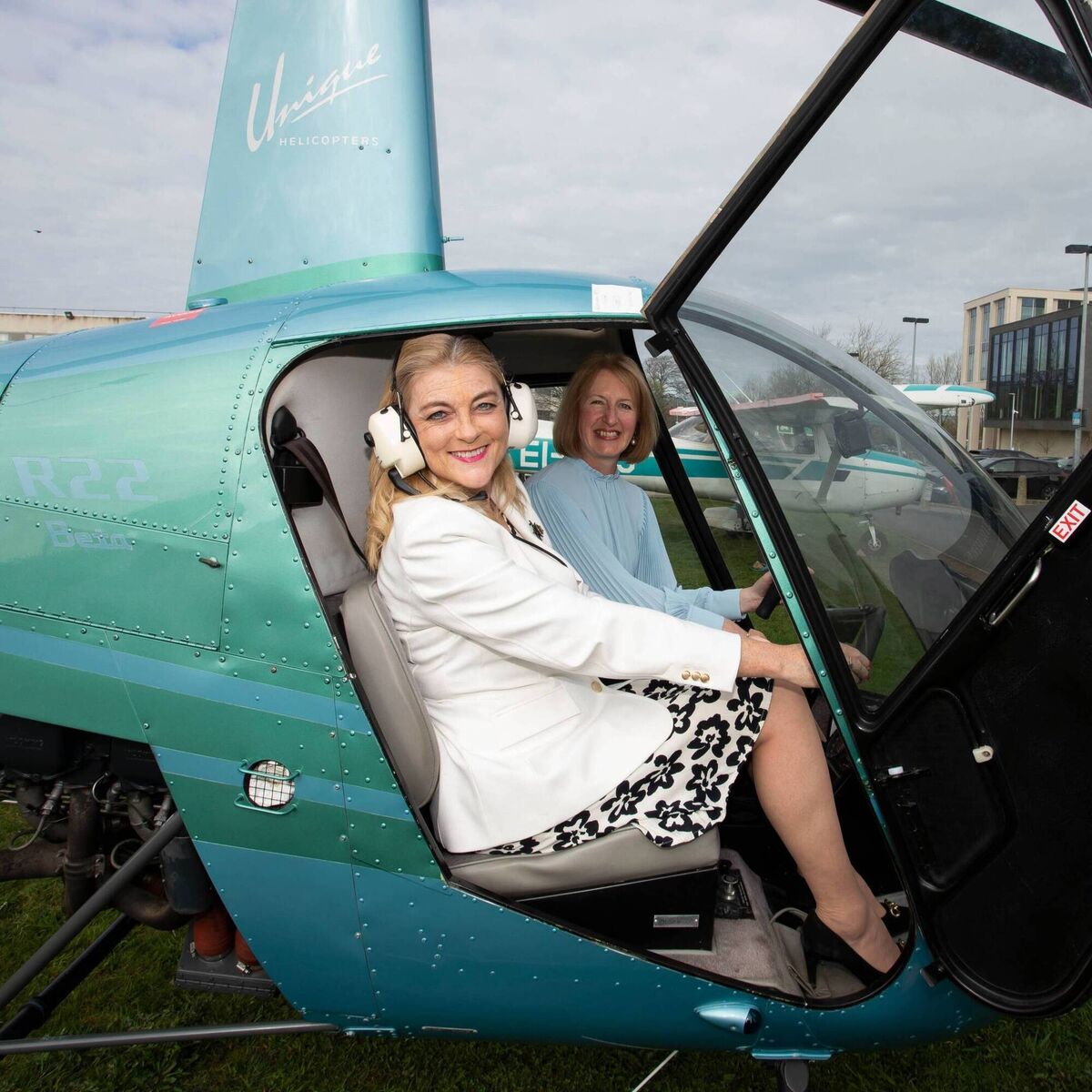
SETU’s work also extends into aerospace through its aircraft mechanic apprenticeship, its Master’s of Engineering in Flight Test Engineering and the signing of a memorandum of understanding with Waterford Airport to develop a National Aerospace Academy, specialising in unmanned air vehicles.
The university is one of only two technological universities in Ireland to achieve EASA Part-147 compliance, supporting the delivery of the aircraft mechanic apprenticeship.
“Aerospace education and the university’s continued collaboration with industry supports competitiveness while building capability in a strategically important sector,” Ní Mhurchú says. “It shows how the work SETU is doing here in the southeast can have a wider European impact, by developing the skills, research and innovation that Europe needs to strengthen its security and competitiveness.” That connection between regional capability and the wider European agenda will be explored further on October 6th and 7th, when SETU joins the Southern Regional Assembly and Waterford City and County Council in co-hosting an official EU presidency associate event at the Theatre Royal in Waterford.
The event, Driving Urban Regeneration by Mainstreaming the New European Bauhaus, will bring together European, national and regional leaders to explore how design, sustainability and inclusion can shape the future of urban regeneration and Cohesion Policy across Europe.
Among the themes for discussion will be Ireland’s experience of sustainable urban development, Town Centre First, the integration of the NEB into Cohesion Policy and the role of research, innovation and the emerging NEB Facility in supporting future regeneration initiatives across Europe. The programme will also explore how the Irish model can inform future EU funding priorities and the next Multiannual Financial Framework.
As Ireland chairs the EU Council, the southeast is demonstrating what strength with unity means in practice. Through research and innovation, education and skills, European partnerships and regional collaboration, SETU and its partners are helping to build a stronger, secure and more competitive Europe, while showing how ambition in one region can contribute meaningfully to Europe’s shared future.