Breaking the cycle of farm accidents through early and community-led education
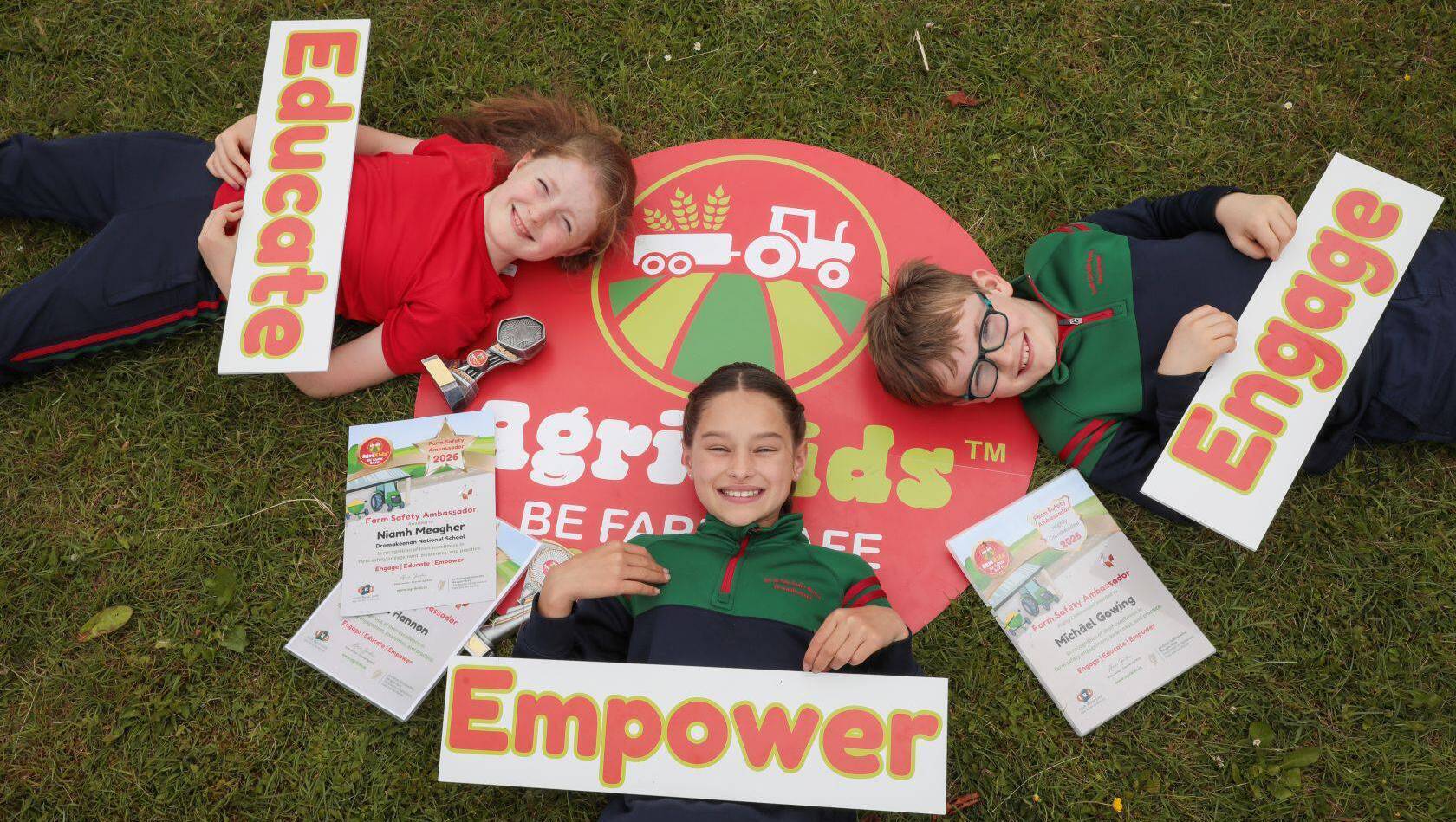
Niamh Meagher, Arya Hannan and Michael Gowing, Dromakeenan NS, Tipperary, AgriKids Farm Safety Ambassadors 2025 and 2026.
of Agrikids reminds farming families to include farm safety as a key message for the back-to-school period
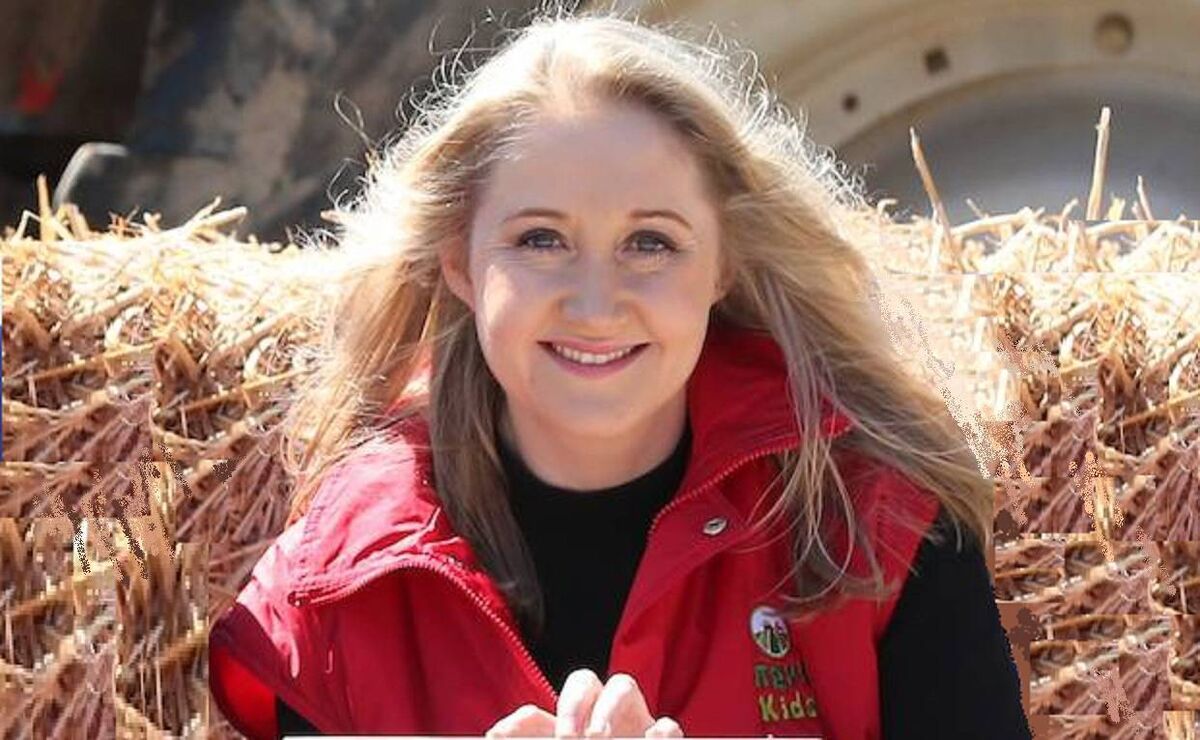
It seems like the weather knew back-to-school was looming. As my son’s heart sank with each tick of the August clock, so did the thermostat and suddenly it seemed the donning of school jumpers and buttoned-up shirts was no longer an improbable reality.
Sure, you know, they’ll only be back when it’s mid-term and the Halloween spooks give way to Yuletide cheer and then before we know it, ‘there’s a grand stretch’ will ring out once more.
It’s the cycle we know and expect, the constant moving forward that brings each season and ticks off the monthly milestones. In my first 10 years of running AgriKids it’s this cycle that defined how the year ahead would go. Back then it was somewhat of a lone crusade, visiting schools that reached out and attending shows during summer holidays. Creating resources in response to teacher and child feedback and pushing farm safety messaging and conversation starters across social platforms. All very trial and error (‘organic’ I believe is the acceptable term for this ‘see what happens’ strategy).
Now with support from Department of Agriculture, Food and the Marine and a new home with Irish Rural Link, AgriKids can be more defined in its activities. The work done to date has built a strong foundation of learning and insight garnered from those vital ‘piloting’ years. Initial inklings are now backed up by what has been witnessed from standing in hundreds of classrooms and show fields. Now I understand that by including children in the farm safety conversation, we are arming them with knowledge, understanding and a sense of awareness regarding personal safety and the safety of those around them.
Children are unapologetically unfiltered when it comes to calling out dubious behaviors and actions. I recall many (many) years ago when an anti-smoking campaign moved 10-year-old me to hide my grandparents’ cigarettes and throw sideward glances at my dad as he got his pipe prepped and packed. ‘Smoking is choking, don’t flash the ash’, I would recite, not really understanding what ‘flash the ash’ actually meant.
However ineffective my own micro protest might have been, what hasn’t changed is how society still recognises the influential power of children in affecting social change, especially when it comes to the health and welfare of those they love and rely on, their family. An observation that gives life to the AgriKids, engage, educate and empower ethos.
In the late 20th century, the marketing and advertising agencies, coined the phrase ‘Pester power’ (or in America, nag-power).
James McNeal in his paper, Kids Market: Myths and Realities, (Paramount Market Publishing Inc, New York, 1999), referenced the term ‘‘power’’ as suggesting that children exert significant influence over their caregivers.
We may believe this behaviour is largely reserved for supermarket checkouts (where sweets have now repositioned themselves, I notice), the idea however, can have more positive use. In a previous role I held, the company supported the Green Schools programme and I was intrigued at how influential primary school children were in educating their parents on the benefits of reduce – reuse – recycle, helping to grow Ireland’s recycling rates as a result.
With ‘pester power’ window typically taking place with children from speaking age up to approximately 15 years old, from which point it is assumed they have access to their own pocket money, thus negating their need to ‘pester’.
So, is that our window when it comes to leveraging the power of the pester in helping to bring change to the issue of improving farm safety? It certainly tallies with what AgriKids has encountered along the way. The level of engagement, feedback, classroom discussions in primary schools and anecdotal evidence that shows how children have brought the message from their classroom to their homes.
But if children get the message in schools and pass it on to parents at home, will the parents listen and if they do is it enough to influence them to change a habit? For many farmers, we are asking them to change the habit of a lifetime, even if it is to potentially save a life.
Well, quite frankly, that is down to them. There is only so much a school talk, social media campaign, flyer or safety demo can do. It takes a physical effort to make real change happen.
Statistics published by the Farm Safety Partnership Advisory Committee (FSPAC), an advisory body to the board of the Health and Safety Authority (HSA), in their Farm Safety Action Plan (2025–2027) drills down into the sobering realities of farm injury and death.
In the five years 2020 – 2024, 72 people died on our farms. 40 were over the age of 65, and 4 were children. The 4 children were lost as a result of a farm vehicle.
A further 28 lives were lost between the ages of 18 and 64.
The causes: farm vehicles & machinery (33 lives); falls (13 lives); livestock (13); drowning (4).
With non-fatal accidents, the Teagasc National Farm Survey (NFS), issued in 2022, detailed that an average 4,500 farmers are injured annually. Of these injuries it is not specified what injuries are life-threatening, life altering, life limiting or more minor.
What may not be discussed or widely understood are the economic impacts relating to non-fatal farm accidents, the NFS also recorded the number of days farmers were unable to work following an accident.
19% of farmers reported losing 61+ days; 6% lost 11-10 days; 21% between 4-10 days, while 1 in three farmers experiencing an accident reported missing up to three days of work.
It’s also worth noting that 22% of farmers surveyed following a farm accident reported missing no days. Which to be honest doesn’t have me raising a toast to their good health but more raising concern as to the level of after-care they did pursue given just how serious a farm accident can be. If it was significant enough to be reported, surely it was significant enough to require follow up care.
While statistics prove the scale of the issue, I go back to my original point of the influence children can play in helping curb the trend, change the culture and support a farm in becoming a safer workplace.
Since September 2025 and with direct support from DAFM, AgriKids has scaled its engage, educate and empower ethos with the roll out of the SPHE linked AgriKids Farm Safety Ambassador programme for primary schools. Being more than a little mindful of an already rammed primary school curriculum, the programme offers two options for teachers; The Farm Safety Hour and the Farm Safety Day programme. Both of which are accompanied by an array of age and ability appropriate content and resources to support teachers.
The programmes can be run at any time throughout the school year and alongside any other safety topics. In fact, it encourages a community-led approach, where local farmers, Gardai, vets, first responders, and all who work and operate in the area of farming and rural safety and wellbeing can deliver talks and events to any participating school under invitation. AgriKids has developed a manual to guide any would-be talkers in the delivery of a farm safety talk. Tips include what to bring, what to cover and how long to speak for. Trust us, the children just want to hear about working on a farm and what you do to take care when doing so.
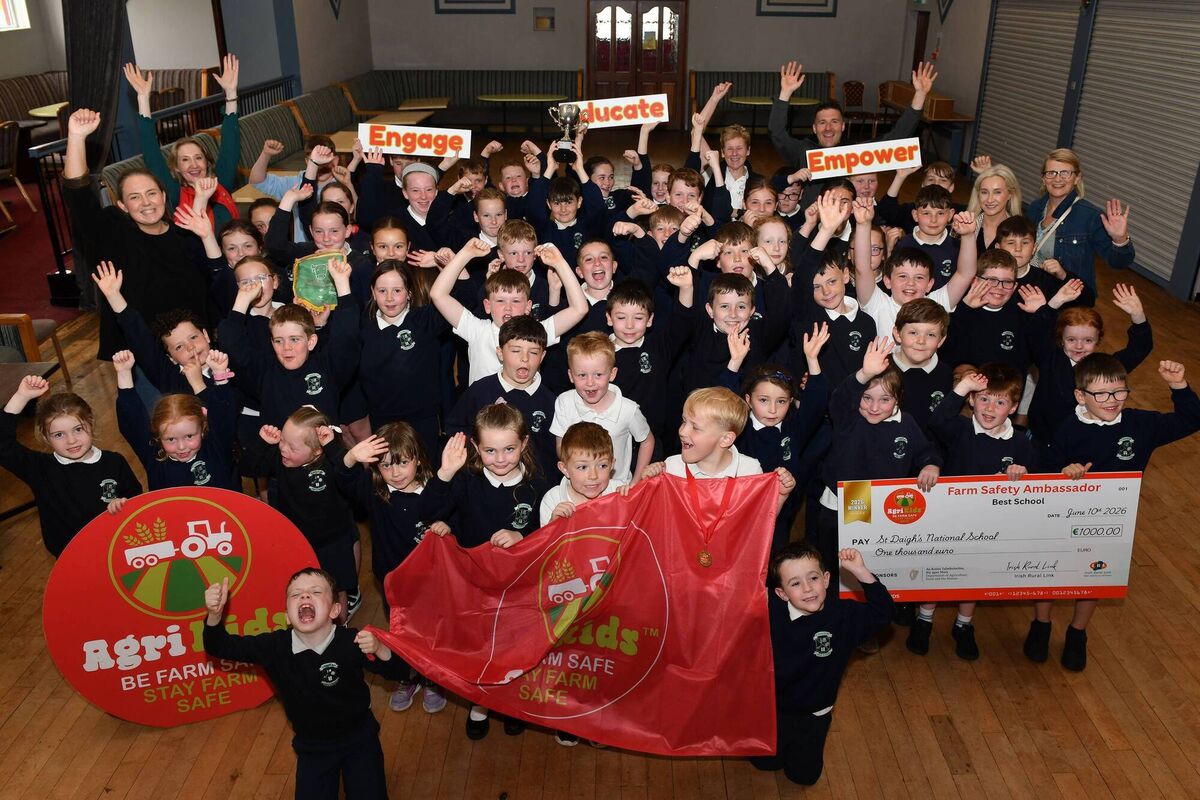
Those schools who opt for the ‘Farm Safety Day’, also mean they are on track to earn their Farm Safety Flag, which is earned on completion of the three Ambassador Themes; Farm and Field Safety; Animal Safety and Wellbeing and Tractor & Machinery Safety. As an added incentive, participants also qualify for the AgriKids Ambassador Awards. An initiative that rewards best school and class as well as learning initiatives and children, aka, Farm Safety Ambassadors, who have gone above and beyond in supporting the programme delivery in their school.
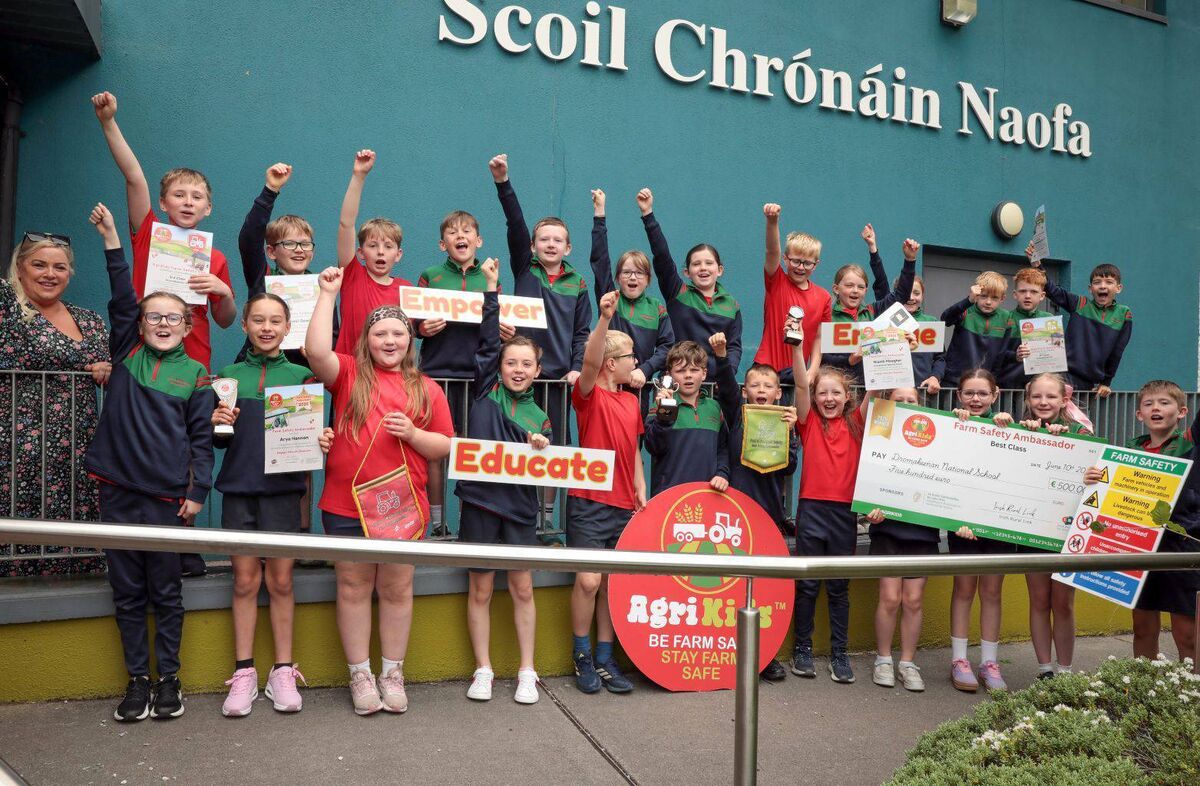
The children who have been fortunate enough to win this accolade have shown passion for farming and for sharing their knowledge with their classmates, younger and older. When possible, they have invited their school to their own family farms and have pushed themselves out of their comfort zone by presenting and speaking publicly about safety and various farming enterprises. One inspiring little boy helped form an AgriKids Committee in their school. This elected group from all class grades ran numerous meetings which were minuted and recorded in their dedicated committee book. Hearing stories of children learning important skills in communications and bearing responsibility gives way to greater resilience and confidence as they grow and mature to adulthood.
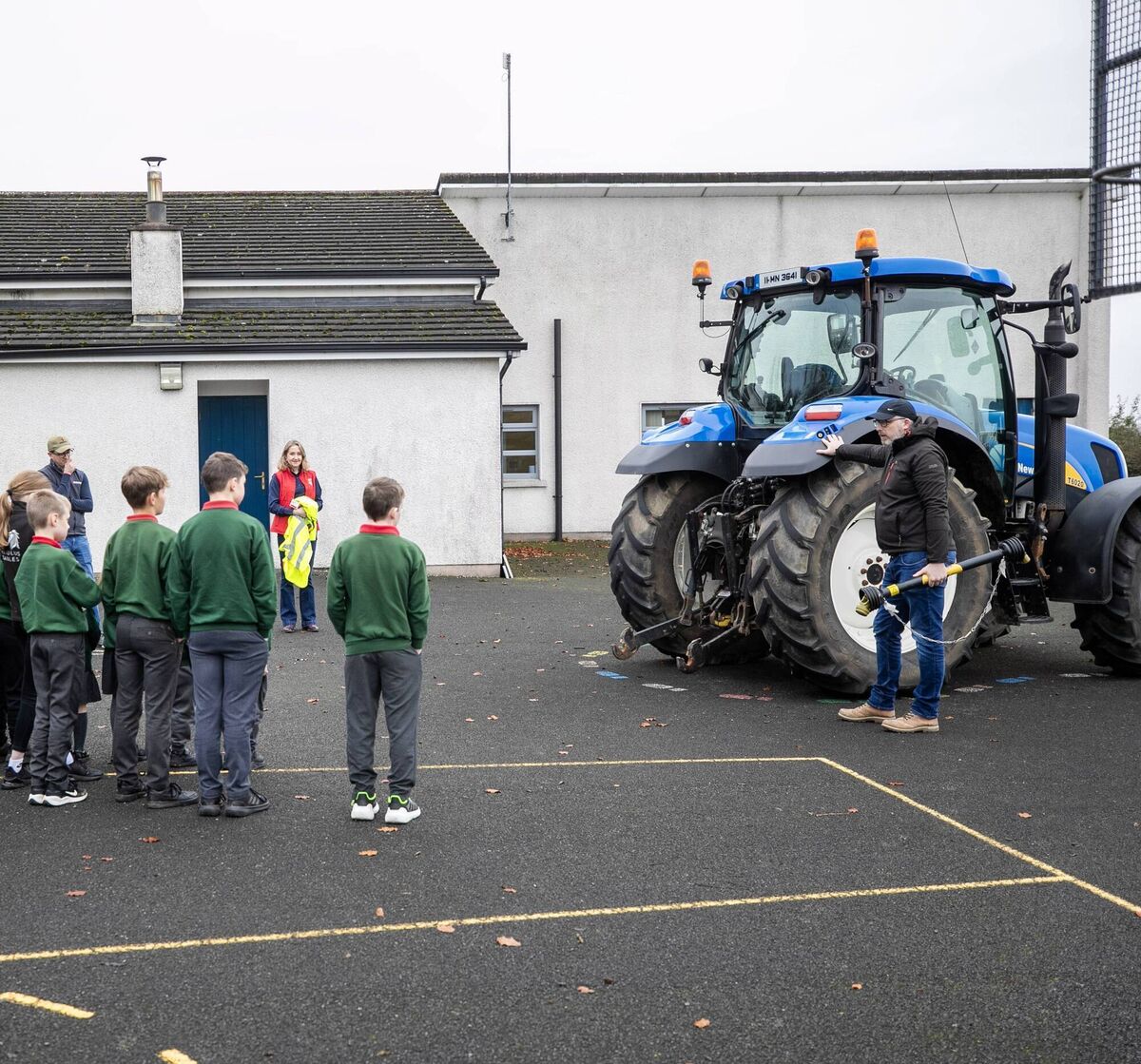
This approach has also brought some great examples of ‘it takes a village’ mindset, where farming parents have brough tractors and livestock to their local school and delivered talks on tractor safety and farm life. Local vets detail animal handling and care. A favorite example comes from a school in Carlow who ran a fund raiser for their local animal rescue following a visit from a shelter staff member and dog to their school. The children collected food, bedding and toys for the animals, an action that led to them winning an AgriKids Ambassador ‘Best Learning Initiative’ award.
In May of this year, a local lady from Dingle contracted AgriKids and arranged for 19 farm safety workshops to 12 schools across the Dingle peninsula. Alongside AgriKids, were local farmers, representatives from North, East & West Kerry Development (NEWKD) and the Irish Natura & Hill Farmers Association (INHFA), delivering talks, tractor and quad safety demonstrations, delivered through English and Irish for those schools in the heart of the Gaeltacht.
The availability of a dedicated child centric programme such as AgriKids, means that outcomes like this can be possible for younger children. But it must be community led, so that it is relevant and familiar, it must inspire the children who are excited to bring the learning home and ultimately it must be taken on board by the parents. Then and only then can we truly hope for a safer future on our farms.
The AgriKids programme, supported by the Department of Agriculture Food and the Marine is set to kick off again from September, and interested schools can register to participate in either programme option by visiting the website.
If you or anyone you know has been affected by any part of this article, please contact Embrace FARM, to learn more about their emotional and practical supports for farm families following injury and death.