Big Beach Clean 2026: Final call to join 7,000 Clean Coasts volunteers
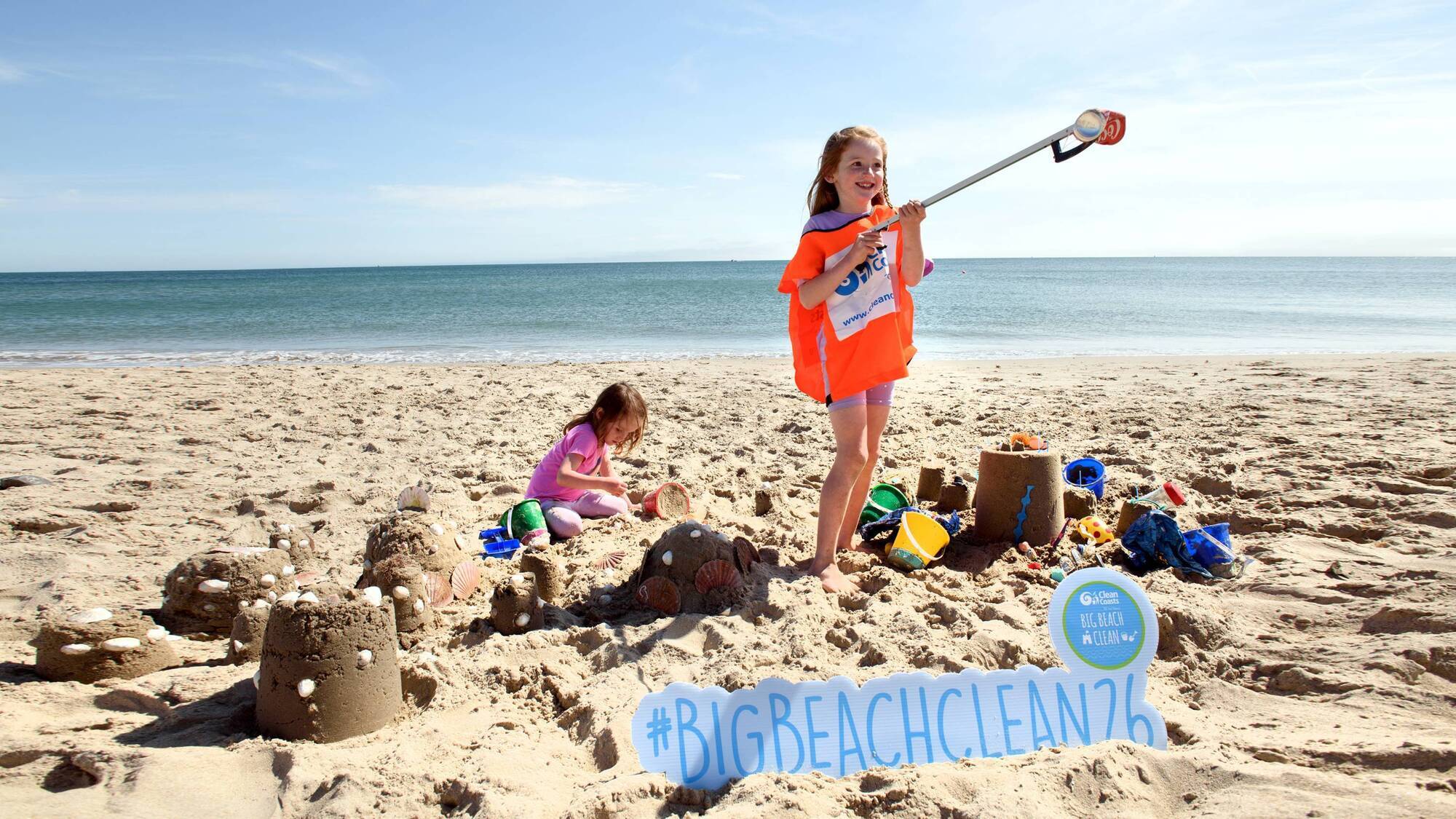
Register for the Big Beach Clean 2026, supported by Kia Ireland and protect Ireland’s coastline. Pictured are Rosie and Liadh Kealey enjoying and protecting the beach at the Big Beach Clean launch at Rosslare Strand, Wexford. Photo: Maura Hickey
Ireland’s coastline stretches for over 7,000 km, serving as a place of recreation, natural heritage and rich marine biodiversity. Yet, beneath the surface lies a persistent challenge that no single organisation or local authority can tackle alone: marine litter.
Every year, tonnes of waste find their way into our seas and wash up on our beaches, posing an ecological threat to marine life, water quality, and the stability of coastal habitats.
Addressing this issue often requires more than occasional clean-ups; it needs organised, sustained, and collaborative community action. This is where Clean Coasts' annual Big Beach Clean comes in. The Big Beach Clean is held as part of the International Coastal Cleanup, which is a global beach cleaning action led by Ocean Conservancy and attracts hundreds of thousands of volunteers globally every year.
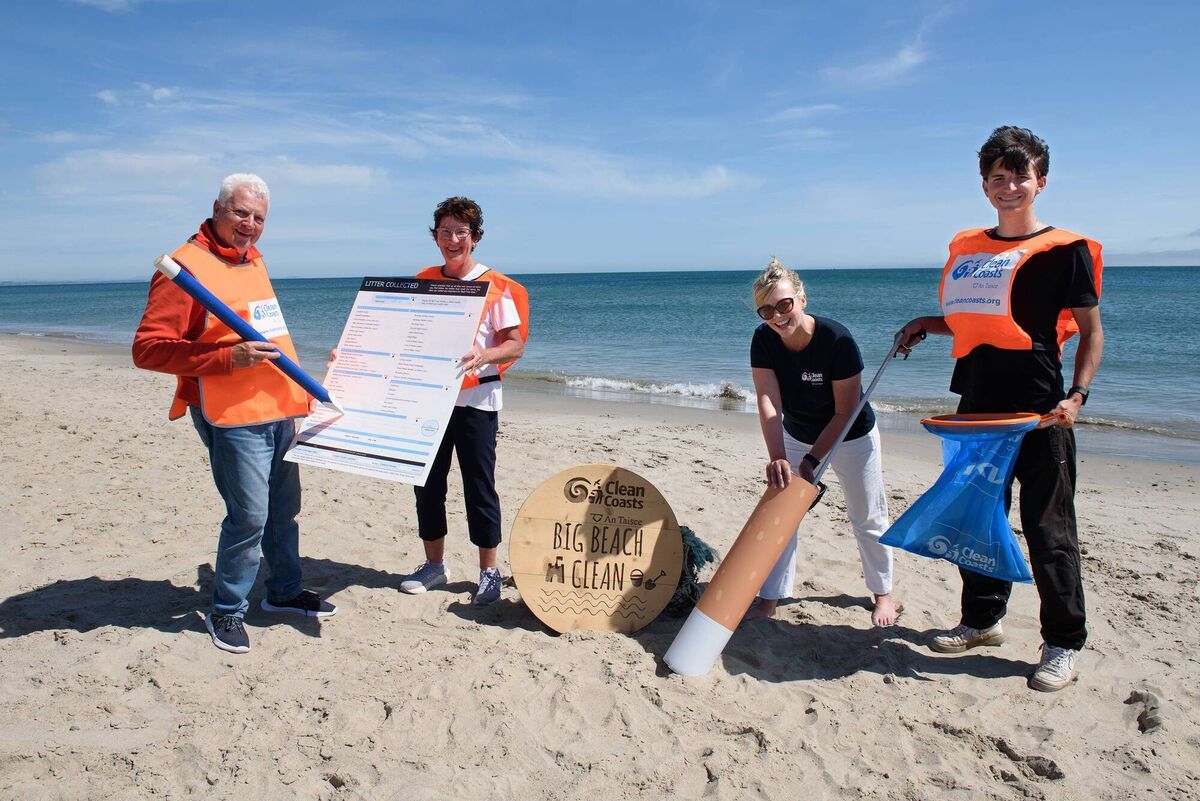
The Big Beach Clean brings together individuals, families, friends, community groups, schools, sporting organisations and businesses from all corners of the country and unites them in a common goal of protecting our ocean and waterways.
Being part of this collective event means that all our small actions, together, have a massive impact. As well as removing all of this litter from our ocean and waterways, we're also helping to gather data that can be used to inform policymakers across the world.
Organised by An Taisce’s Clean Coasts programme, which has grown over the past two decades to encompass over 2,500 groups and tens of thousands of volunteers, the Big Beach Clean unites communities nationwide.
The scale of the community response is striking. In 2025, this nationwide effort mobilised over 11,000 volunteers across hundreds of registered clean-up events, removing approximately 60 tonnes of marine litter from our shores. These volunteers joined a global movement of 630,000 across the world working to improve the health and integrity of our ocean. Behind each effort is a community, group or individual that decided not to wait for someone else to act. As noted in recent Irish Business Against Litter (IBAL) coastal surveys, measurable improvements in beach cleanliness across the country are directly attributed to the expanding work of Clean Coasts groups, volunteers, and local authority support.
Removing litter from a beach provides an immediate, visible improvement, but the true value of the Big Beach Clean extends far beyond the physical weight of the rubbish removed from the sand. Without analysis, waste simply shifts from sand to landfill, missing a vital opportunity to stop pollution at its source.
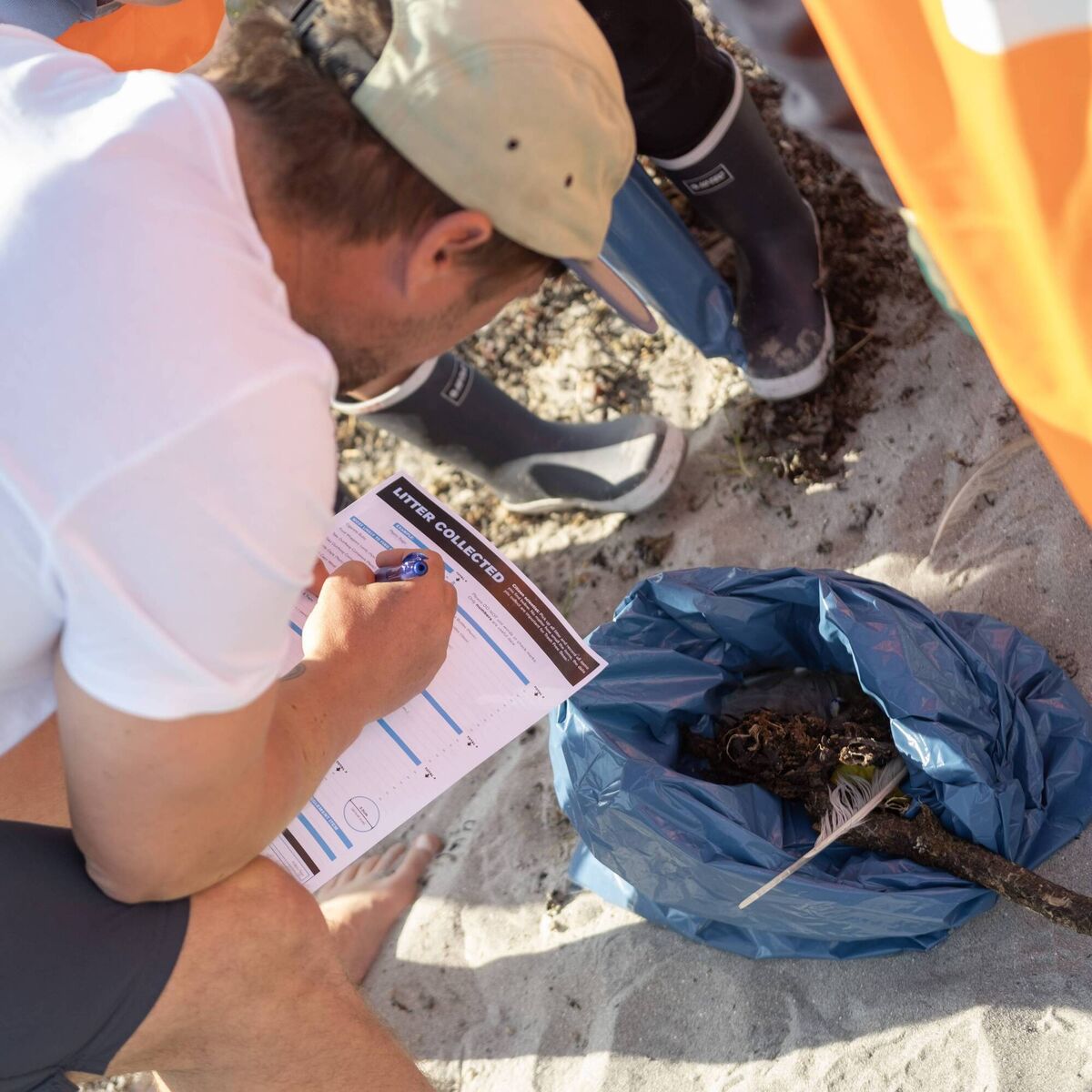
Data collection is a cornerstone of the Big Beach Clean. When volunteers register for the event, they receive Marine Litter Data Cards or use the Clean Swell app to record specific types and quantities of items found, ranging from cigarette butts and plastic food wrappers to fishing gear and beverage cans. This structured citizen science project transforms a local clean-up into a global environmental assessment.
The data gathered provides researchers and policymakers with an invaluable snapshot of marine litter trends, revealing which items appear most frequently and tracing pollution back to consumer habits or policy gaps. In 2025, the top five items collected were fishing gear, plastic pieces, cigarette butts, microplastic pieces and food wrappers. A striking feature of these results is the absence of plastic bags, plastic straws and cutlery, plastic bottles, bottle tops and soft drink cans from the list.
Their absence is the result of effective policies being introduced, namely a levy on plastic bags, a deposit return scheme for cans and bottles and a ban on certain single use plastic items.
Cigarette butts are still one of the top items globally and nationally. Why not help create more awareness by doing your own separate challenge to see how many you can pick up on 15 mins. Our current record at a corporate clean-up event was 800!
The ecological health of our coastlines depends on maintaining delicate balances within marine and tidal ecosystems. Plastics and synthetic materials break down over time into microplastics that infiltrate marine food webs, while abandoned fishing gear and packaging pose fatal entanglement hazards to marine mammals and seabirds. Furthermore, smothering debris can alter fragile habitats, blocking sunlight and degrading the integrity of coastal habitats as a refuge for the plants and animals that call them home.
When volunteers remove these items, they directly reduce the chemical and physical stress placed on coastal wildlife. Clean beaches mean safer nesting grounds for coastal birds, healthier rock pools, and cleaner waters for fish and invertebrates.
Community-led conservation supports the ecological integrity of these habitats, ensuring they remain resilient against broader environmental pressures such as climate change and sea-level rise.
The success of the Big Beach Clean relies entirely on the collective power of local action. You do not need marine biology credentials or your own specialised equipment to participate. Clean Coasts provides free clean-up packs kindly sponsored by Kia Ireland. These kits contain bags, gloves, high-visibility vests, a clean-up guide and data cards to ensure every group has the resources required to run a safe and effective event.
Whether you choose to organise a clean-up with your workplace, join a local Clean Coasts group, or spend an hour walking a familiar stretch of coast with family, your contribution matters. Every bag of rubbish filled and every data card completed adds momentum to a national movement dedicated to safeguarding our natural heritage.
Over 350 groups and more than 7,000 volunteers nationwide have already signed up to join the Big Beach Clean from the 18th to the 20th of September, to remove marine litter from our coast and take part in an international citizen science project. Join them by registering your own event before the 7th of September!
Visit to sign up, order your clean-up pack, and help protect Ireland's coastline for future generations. Our coastlines give us so much: recreation, peace, and natural beauty. This September, let's give something back. Sign up, step onto the sand, and become part of the solution.