Getting the succession planning started is still the secret
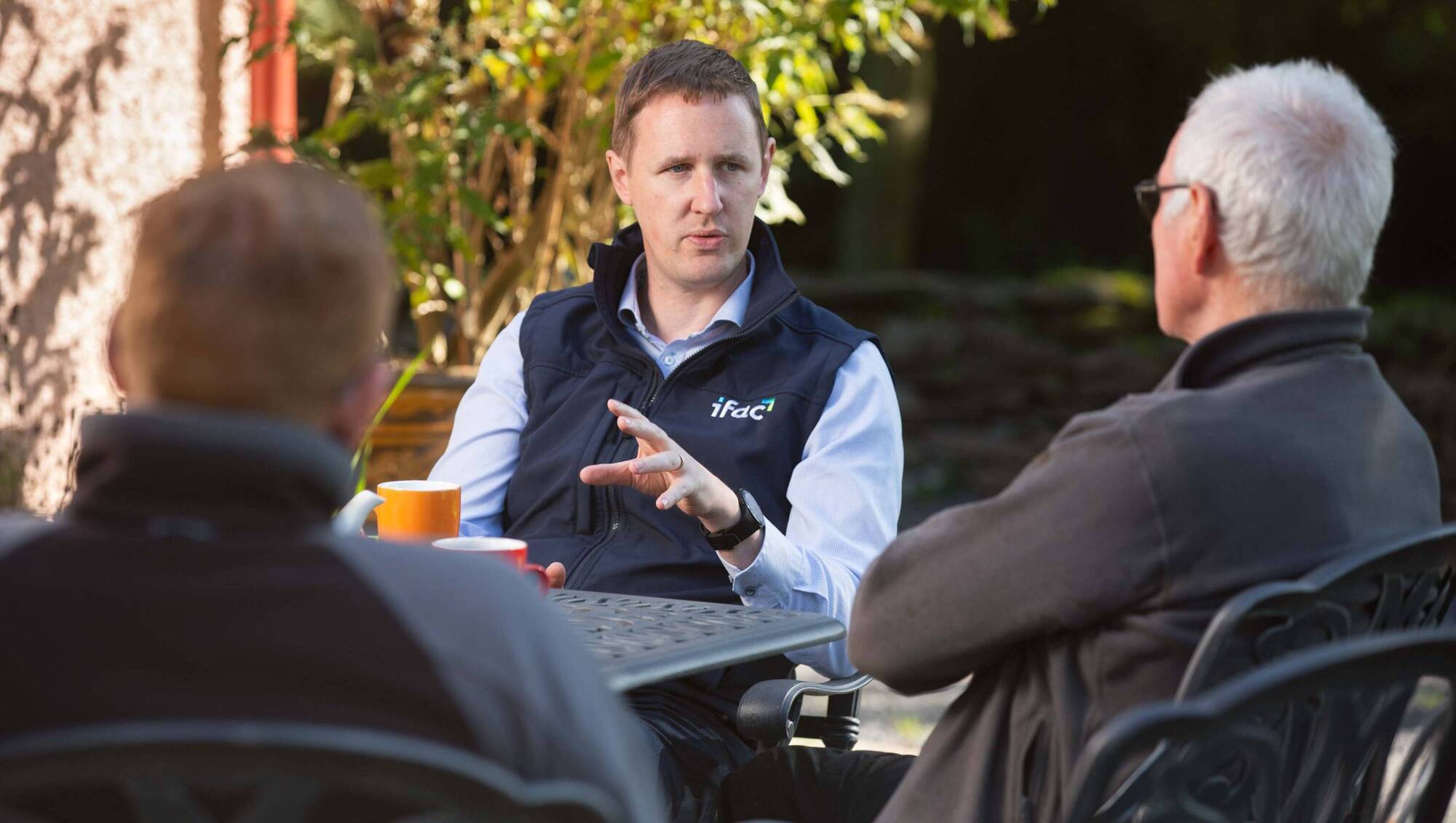
A new ifac survey has found that more farms are identifying successors and fewer farmers say the subject is too sensitive to raise. Have a chat with your local ifac partner.
Every year we sit down with farming families across the country and ask how succession planning is going. And every year, the same familiar issues come back. Farmers are unsure where to start, or they keep putting the conversation off.
Our latest Irish Farm Report shows that 2 in 5 farmers still do not have a formal successor identified, while 42% do not have a will in place. In fairness to farmers, that compares well with many other sectors. But it is still a huge gap given how important the farm is to the family. When something unexpected happens, those gaps can make an already difficult time much harder.
The good news is that succession does not have to be decided in one go. It is a process, and the important thing is to get it started.
The natural instinct is to think first about who will take over the farm. But before deciding that, you need to think about your own position.
What income will you need in retirement? Will your pension be enough? Will you still need an income from the farm? And do you want to remain involved in the business after the next generation takes over?
The answers will have a big influence on what is possible.
Our research shows that 60% of farmers believe having their own personal pension makes succession planning easier, yet 1 in 4 still do not have a private pension in place.
Getting your own financial position sorted early makes the rest of the conversation easier. You know what you need from the farm before deciding what happens next.
Families who talk about succession early generally find the process easier than those who leave it until a decision has to be made.
This year's findings show some progress. More farms are identifying successors and fewer farmers say the subject is too sensitive to raise.
But there has also been an important change.
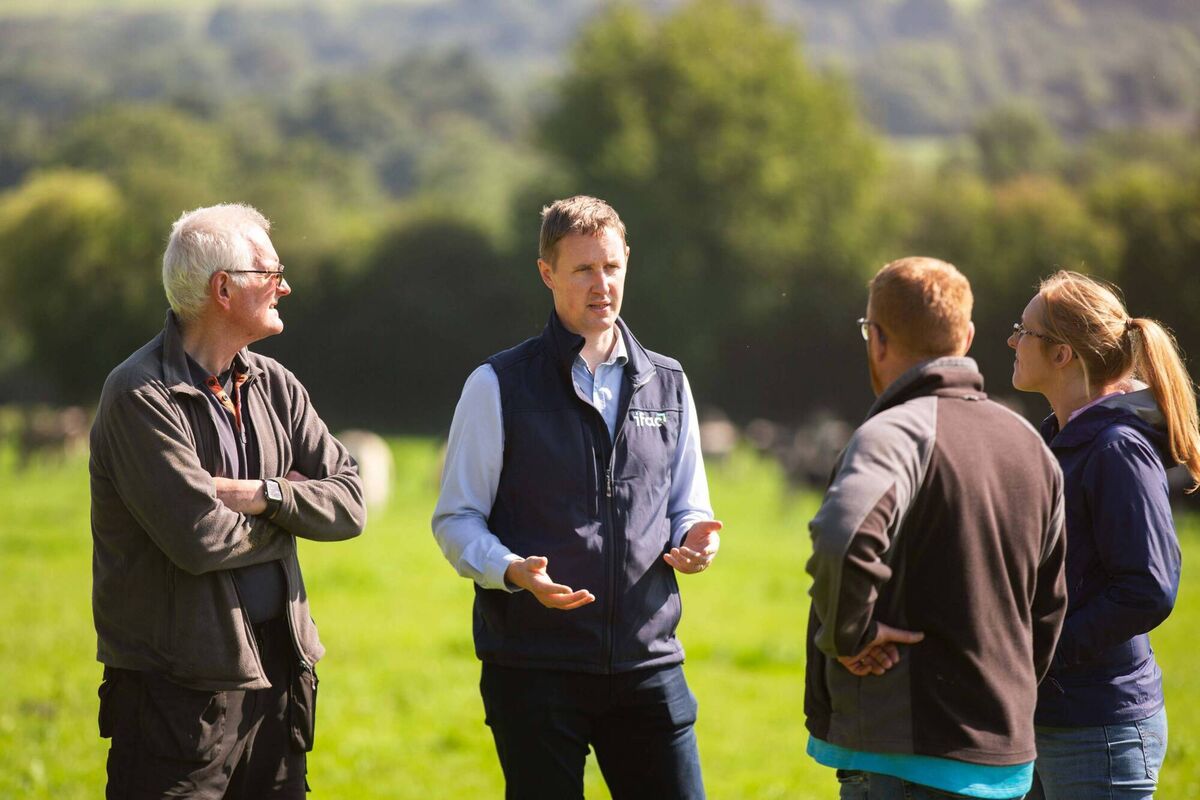
For the first time since we started the report seven years ago, the farming lifestyle not appealing to the next generation has become the main barrier to succession, ahead of business viability.
That changes the conversation. Parents can no longer simply assume that a son or daughter working away from the farm will eventually come home and take it over.
The question is not only who could take over the farm, but whether they actually want to.
That needs an honest conversation. What does the next generation want from their career and their life? Do they want to farm full-time, part-time or not at all? And, if they are interested, what would need to change to make the farm work for them?
It is far better to have those discussions while there is still time to consider the different options.
Once everyone has a broad idea of what they want, you can start looking at how to put it in place.
For some families, that will mean transferring the farm to a son or daughter. For others, it may involve a partnership, long-term leasing, share farming or gradually bringing the next generation into the business.
There may not always be an obvious family successor either. That does not mean the farm has no future. Leasing, partnerships and other arrangements can allow the farm to remain productive even where the next generation chooses a different path.
There are often other family members to think about as well. If one child is taking over the farm, how are the other children provided for? Trying to divide everything equally can sometimes leave the farm itself unviable, while doing nothing can create resentment later.
There is rarely one answer that works for every family. The important thing is to deal with these questions openly rather than leaving them for somebody else to resolve after you are gone.
Your will should also reflect the plan. There is little point in having an understanding within the family about what is supposed to happen if the legal documents say something different.
Tax should not drive the succession plan, but it does need to be considered before anything is transferred.
Agricultural Relief and Business Relief can reduce the taxable value of qualifying property by 90%, while Retirement Relief can significantly reduce the Capital Gains Tax arising for the person transferring the farm.
Stamp Duty also needs to be considered. Consanguinity Relief can reduce the Stamp Duty rate on qualifying transfers of land between certain relatives to 1%, while Young Trained Farmer Relief can provide full relief from Stamp Duty where the relevant conditions are satisfied.
These are valuable reliefs, but none should simply be assumed to apply. Agricultural Relief, for example, has conditions that need to be considered before and after a transfer, while the availability of the Stamp Duty reliefs will depend on the circumstances of both the person transferring the land and the person receiving it.
A small change in timing or structure can sometimes make a significant difference to the eventual tax bill. That is why the tax advice needs to come before the transfer, not after it.
No two succession plans will look exactly the same, and nobody needs to resolve everything in one meeting.
The first conversation might simply establish who is interested in the farm, what everyone wants and what questions still need to be answered. That is progress.
From there, you can look at your own financial security, the future of the farm, the position of the wider family and the tax and legal steps needed to put the plan in place.
The biggest mistake is often not making the wrong decision. It is putting off making any decision until circumstances make it for you.
If succession is something your family has been putting off, start with one conversation. Speak to your local ifac Partner and we can help you work out what needs to happen next.
For more, see: