EirGrid graduate building a career at the heart of Ireland’s energy transition

Engineering graduate Loretta Murray, who through the graduate programme at EirGrid, is helping to shape the future of Ireland’s electricity network while building a career in one of the country’s fastest growing sectors.
For Cork engineering graduate Loretta Murray, a career in energy emerged from a lifelong passion for problem-solving.
Today, through the graduate programme at EirGrid, the operator and developer of Ireland’s electricity grid, she is helping to shape the future of Ireland’s electricity network while building a career in one of the country’s fastest growing sectors.
As Ireland continues its transition towards a low-carbon energy future, the demand for skilled graduates with the ability to solve complex technical challenges has never been greater. EirGrid is playing a central role in that transition, enabling the integration of renewable energy sources to support the country's climate ambitions.
The organisation recently launched its Group Strategy 2026, an ambitious roadmap which will see €18.9 billion invested in transforming Ireland's electricity transmission system by 2030, supporting growing electricity demand and delivering the largest programme of grid development ever undertaken in Ireland.
Through its graduate programme, the organisation is attracting talented graduates from across Ireland and providing them with the opportunity to develop rewarding careers while contributing to projects of national importance.
For Murray, a native of Dunmanway, engineering was a very early choice when thinking of her future career.
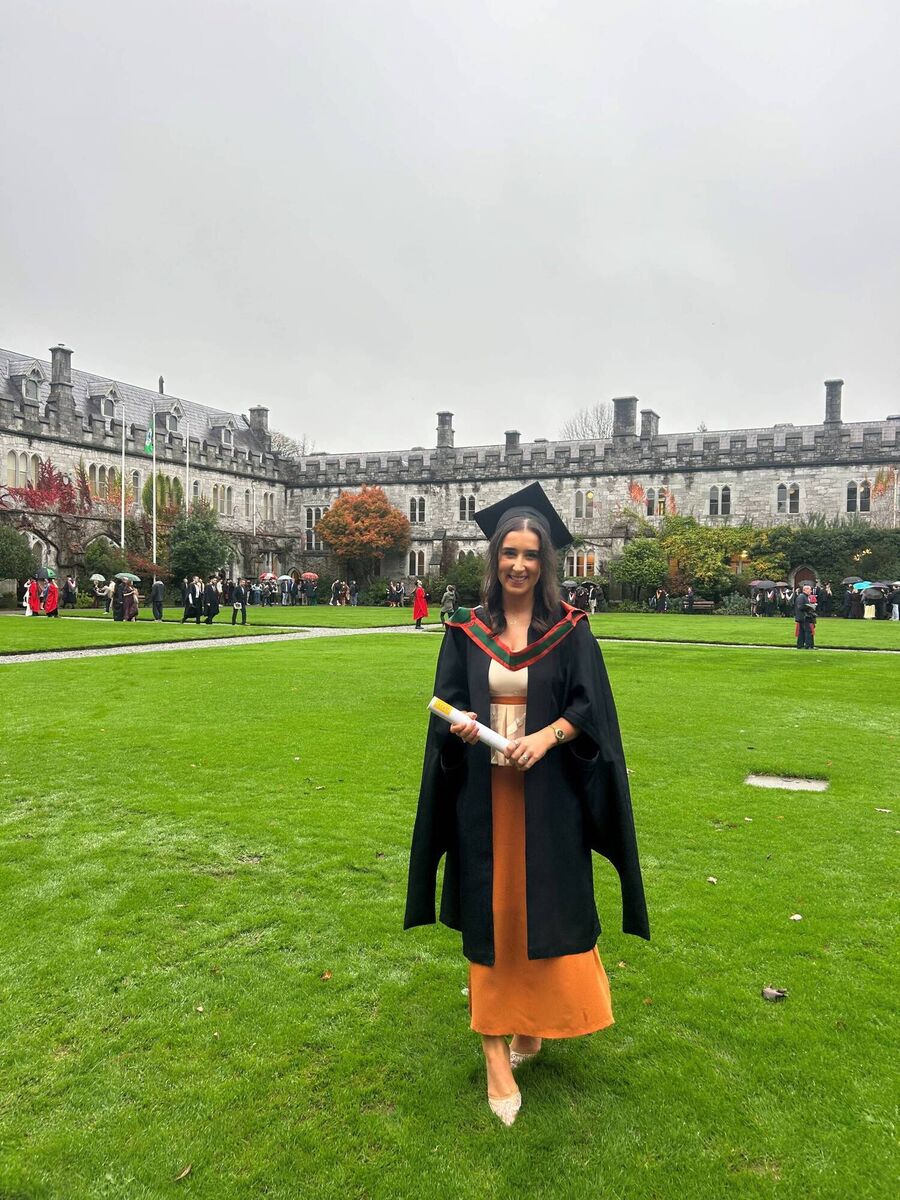
“I knew from a young age that I wanted to study engineering. It felt like a natural fit, combining my aptitude for maths with my curiosity of how things work.”
Murray studied civil, structural and environmental engineering at University College Cork, drawn by the opportunity to address environmental challenges through practical infrastructure solutions. Like many engineering students, she was motivated by the prospect of applying technical knowledge to real-world issues, particularly those related to sustainability and the environment.
During her final year, she developed a strong interest in the energy sector through her dissertation on industrial decarbonisation and the impact of heat pumps on the Irish electricity grid. As Ireland works to transform its energy infrastructure and increase the amount of renewable electricity powering homes, businesses and communities, graduates entering the sector have the opportunity to contribute directly to one of the most significant national projects of this generation. For Murray, that prospect made EirGrid a particularly attractive career destination.
“That research gave me an insight into the challenges involved in transitioning to a more sustainable energy system,” she explains.
“What excites me most about working in the energy industry is the scale of the opportunities involved and the positive impact it can have on society and the environment.”
As Ireland works to transform its energy infrastructure and increase the amount of renewable electricity powering homes, businesses and communities, graduates entering the sector have the opportunity to contribute directly to one of the most significant national projects of this generation. For Murray, that prospect made EirGrid a particularly attractive career destination.
“Coming from a civil and structural engineering background, I wasn’t exactly sure where my career would take me. The chance to experience different roles and build a broad understanding of the industry was a huge attraction.”
EirGrid’s graduate programme is designed to give graduates exposure to a broad range of disciplines across the business. Over two years, participants typically complete three rotations, allowing them to gain valuable experience in different teams and functions.
Designed to give graduates exposure to a broad range of disciplines across the business, participants typically complete three eight-month rotations, allowing them to gain valuable experience in different teams and functions. Graduates are supported by experienced colleagues, dedicated mentors and structured learning opportunities that help accelerate both personal and professional development.
The programme welcomes graduates from a wide range of academic backgrounds including engineering, IT, cybersecurity, economics, business and other disciplines. Alongside hands-on experience, participants benefit from continuous learning opportunities, hybrid working arrangements, leadership exposure and the opportunity to build professional networks across the organisation.
It is also supporting EirGrid’s continued growth as it delivers on its strategic ambitions. As investment in the electricity grid accelerates, graduates will have opportunities to contribute to some of the most significant infrastructure, technology and sustainability projects currently underway in Ireland.
EirGrid’s reputation among Ireland’s graduate community continues to grow. Earlier this year, EirGrid climbed forty-seven places to reach number 50 in GradIreland’s prestigious Ireland’s 100 Leading Graduate Employers ranking, underlining the organisation’s growing appeal as an employer of choice for graduates seeking meaningful and future-focused careers.
For Murray, one of the greatest benefits of the programme has been the breadth of experience available from an early stage in her career.
Her first rotation was in interconnection, where she gained experience in electricity markets, interconnector operations and the wider power system. A standout moment came when she travelled to Santa Clara, California, to support factory acceptance testing for the market management system.
“It was an incredible opportunity that exposed me to large-scale industry projects, international stakeholders and responsibilities I never expected to have so early in my career.”
Experiences such as these demonstrate the scale and complexity of the work undertaken within EirGrid and the level of responsibility entrusted to graduates. Whether contributing to major infrastructure projects, supporting electricity market operations or helping to plan the future needs of the power system, graduates have the opportunity to make a tangible impact from day one.
Murray is currently working in transmission power system planning, helping to assess how Ireland’s network will evolve to support future electricity demand and increased renewable generation. The role involves analysing future requirements, evaluating infrastructure needs and contributing to long-term planning that will help ensure the electricity grid remains resilient, reliable and capable of supporting economic growth.

Looking back, Murray says the experience has provided a depth of industry knowledge that simply cannot be replicated in a classroom.
“There was a steep learning curve at the beginning, but the support from colleagues across every rotation has been fantastic. It gave me the confidence to take on increasingly complex work and showed me the variety of opportunities available within EirGrid.”
For graduates across the southern region, EirGrid’s Cork office provides graduates with access to meaningful projects, expert mentors and collaborative teams, while allowing them to contribute directly to work that supports communities and businesses across Ireland.
“For anyone considering their next career step, I would strongly recommend exploring opportunities in the energy sector. It’s an industry that combines innovation, sustainability and long-term career development, while giving you the chance to work on projects that have a real impact on people’s lives.
“Through the graduate programme, I’ve been able to gain experience across multiple disciplines, develop new skills and contribute to work that will help shape Ireland’s energy future. It’s incredibly rewarding to know that the work you do can make a lasting difference.”
Applications for EirGrid’s Graduate Programme open on 18 September 2026. To learn more and apply, visit .