Plant Health starts with us: Simple actions that protect Ireland’s food, environment and future
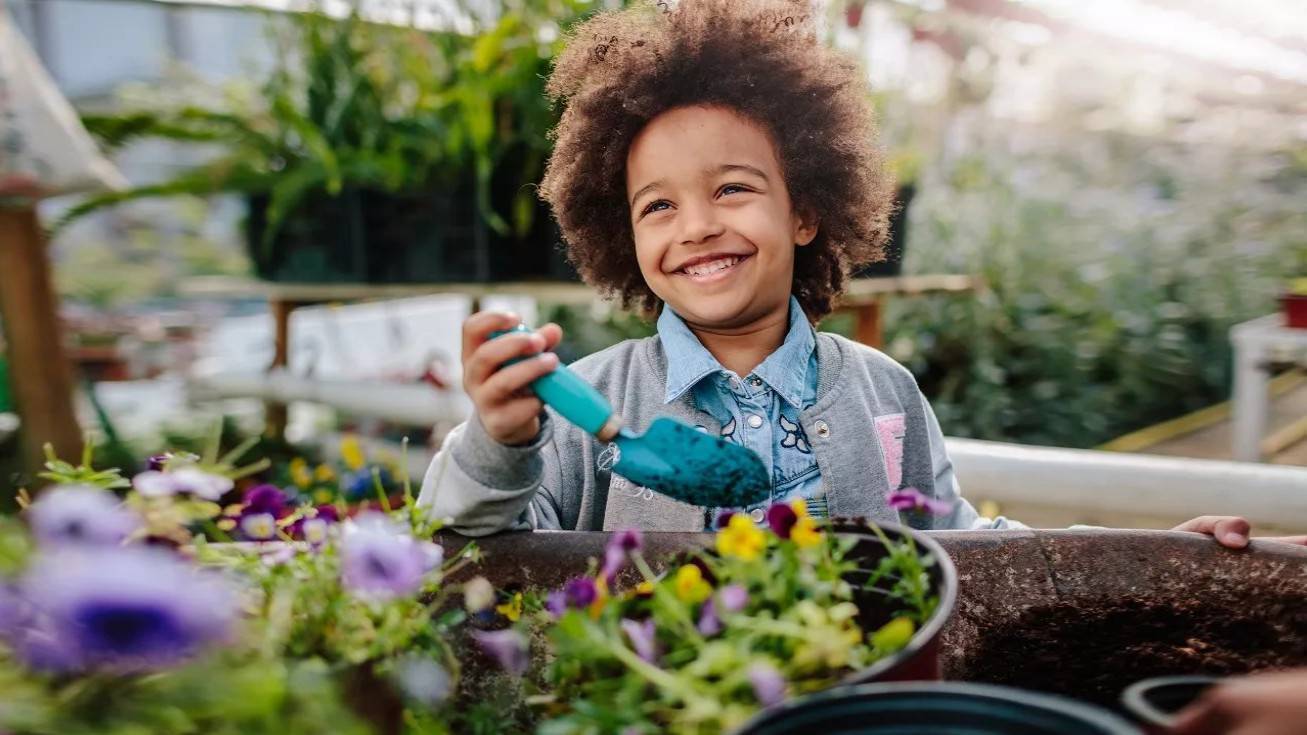
#PlantHealth4Life key message: Plans face growing threats from pests and diseases that can spread rapidly through global trade, online shopping and international travel.
Plants are all around us. They make up 80% of the food we eat, produce the oxygen we breathe, support biodiversity, help regulate the climate and underpin Ireland’s agriculture, forestry and horticulture sectors. Yet plants face growing threats from pests and diseases that can spread rapidly through global trade, online shopping and international travel.

That is the message behind #PlantHealth4Life, the European Union campaign led by the European Food Safety Authority (EFSA) and the European Commission, with support in Ireland from the Department of Agriculture, Food and the Marine (DAFM). Now in its fourth and final year, the campaign is encouraging people across Ireland to take simple actions that can help protect our plant health, food security and biodiversity.
While plant health may sound like a specialist issue, it has a direct impact on everyday life. Healthy plants are essential for producing food, supporting rural communities and maintaining the landscapes and ecosystems that make Ireland unique. When pests and diseases spread, the consequences can be severe, affecting crop yields, increasing production costs and damaging natural habitats.

Ireland has experienced first-hand the devastating impact of plant disease. The Irish Potato Famine of the mid-19th century, caused by Phytophthora infestans, more commonly known as Potato Late Blight (PLB), remains one of the starkest examples of how Irish plant health can affect our society, food supply and livelihoods.
More recently, Europe has witnessed the destruction caused by Xylella fastidiosa, a bacterial plant pathogen that has devastated olive groves in southern Europe. First detected in Italy in 2013, it has infected and killed millions of trees, causing significant environmental and economic losses.

These examples demonstrate why prevention is so important. Once certain pests and diseases become established, eradication can be difficult or impossible.
One of the easiest ways people can help is by being mindful when travelling. Holidaymakers often bring home souvenirs from abroad, including plants, seeds, flowers, fruits or vegetables. However, these seemingly harmless items can carry pests or diseases that may not be visible to the naked eye.
The advice from experts is simple: when travelling outside the EU, avoid bringing home plants, cuttings, seeds, fruit or vegetables. Leaving them behind can help prevent harmful pests from entering Ireland and other EU countries. Before returning home, it is also worth checking luggage carefully for any plant material or plant-based souvenirs that could inadvertently pose a risk.

For gardeners, plant health starts with making informed purchasing decisions.
When buying plants from garden centres or nurseries, look for the plant passport. This official label confirms that the plant has been inspected and meets EU plant health requirements. It also allows authorities to trace plants if a pest or disease issue emerges.

When shopping online, it is important to buy from reputable suppliers. Plants purchased from outside the EU must be accompanied by a phytosanitary certificate, which confirms they have been inspected and are free from harmful pests and diseases.
Choosing plants suited to local growing conditions can also help create healthier, more resilient gardens. Monitoring plants regularly for signs of disease and reducing reliance on pesticides through sustainable gardening practices can further support plant health.

Supporter of #PlantHealth4Life campaign, garden designer and UN Food and Agriculture Organization (FAO) Goodwill Ambassador for Ireland, Diarmuid Gavin, said: “We often think of plant health as something distant, but it starts in our own gardens and green spaces. The choices we make, what we plant, where we buy from, how we care for our gardens, all have a real impact. This campaign is a reminder that small, informed actions by many people can make a big difference for plant health, biodiversity and climate resilience.”
The campaign is also encouraging parents, teachers and communities to help children understand the importance of plants.
From growing vegetables at home to exploring local parks and forests, there are many opportunities to teach young people how plants support life. Helping children recognise the value of healthy plants can foster a lifelong appreciation for nature and encourage responsible environmental stewardship.
Simple activities such as identifying trees, observing insects and learning where food comes from can all help build awareness of plant health and biodiversity.
The central message of #PlantHealth4Life is that everyone can make a difference. By travelling responsibly, shopping wisely, gardening sustainably and sharing knowledge with others, individuals can help prevent the spread of harmful pests and diseases.
Ireland’s Chief Plant Health Officer, Louise Byrne, emphasises the importance of simple, everyday actions. “Protecting plant health is something everyone can contribute to. Simple steps like sourcing plants responsibly, avoiding bringing plants and seeds home from abroad, and staying alert to signs of pests and diseases, can have a significant impact. By working together and staying informed, we can help protect Ireland’s environment, food systems and biodiversity,” she said.
To learn more and access resources, videos and practical advice, visit efsa.europa.eu and discover how simple everyday actions can help safeguard Ireland’s plants, food supply and environment.