EirGrid, ensuring nature thrives in journey to cleaner energy future
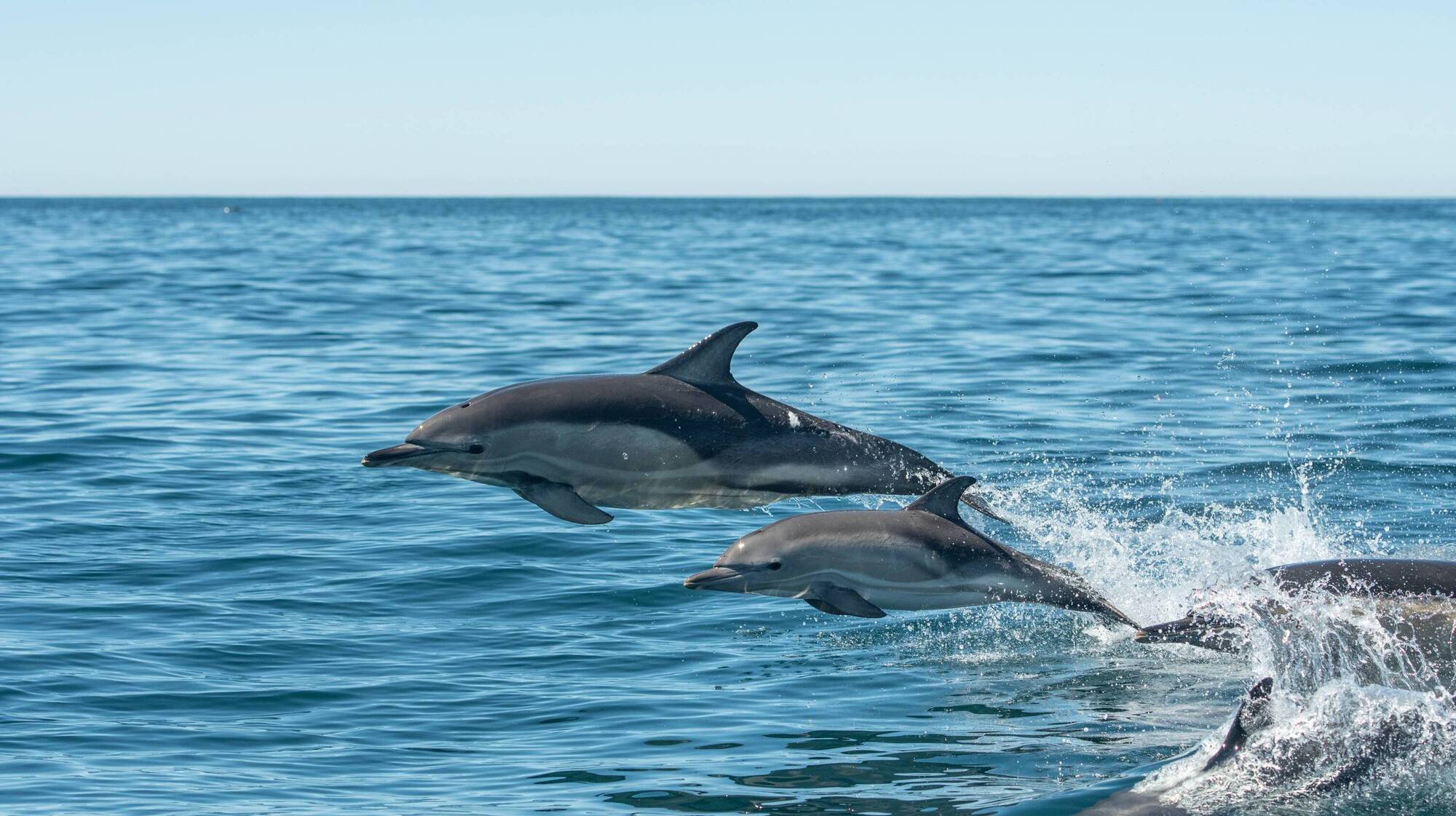
EirGrid, protecting Ireland's biodiversity: Marine Mammal Mitigation Plans implemented by trained Marine Mammal Observers, who monitor protected species such as whales, dolphins and seals during survey activities.
As operator and developer of Ireland’s electricity grid, EirGrid is leading the transition to a renewable energy system for future generations.
To support Ireland’s economy and local communities, we are facing into a critical decade of development for the country and must ensure the electricity infrastructure is there to meet this demand.

With an unprecedented amount of infrastructure set to be delivered, this work must be done while not only protecting, but more importantly, enhancing, biodiversity and ecosystems.
“At EirGrid, we have been tasked with delivering an electricity grid which will not only meet future energy demands, but will also bring us closer to meeting Government targets for 80% of our energy to come from renewable sources,” Robert Fennelly, lead senior ecologist with EirGrid, said.
“However, infrastructure delivery and nature restoration are equally critical in the face of the Irish government’s Biodiversity Emergency and the EU Nature Restoration imperative.”

Since the Irish Government declared the twinned biodiversity and climate emergency in 2019, EirGrid has accelerated its nature restoration action, which is now embedded in all major infrastructure projects.
An example of this was recently seen at the Oldstreet 400kV substation in Ballynaheskeragh, Co Galway, where EirGrid, ESB Networks, and a nationally recognised bat expert jointly designed a high-quality artificial bat roost — a shelter where bats live, often in colonies.
During pre-planning ecological surveys, EirGrid’s ecological consultants discovered that a farmhouse on the site, which required demolition, was serving as a breeding roost to an estimated 33 common pipistrelle bats. Bat roosts are strictly protected by law in the Republic of Ireland and across Europe.
“In line with our licence from the National Parks & Wildlife Service (NPWS) and with best practice bat mitigation guidance, a replacement roost was erected before the original roost could be interfered with,” explained Fennelly.
Follow-up surveys using the latest thermal imagery technology have confirmed that the artificial roost is now occupied by three times the number of bat species which were present in the existing farmhouse.
Since 2022, consultants working with EirGrid are now required to implement ‘Nature Inclusive Design’ proposals on all transmission grid projects.
Fennelly continued: “Protecting and restoring nature is a key part of how we approach the transition to a low-carbon energy system, which is why our ecology team is involved in strategic work on nature restoration and nature-inclusive design.
“This involves looking beyond simply minimising impacts to actively restoring and enhancing biodiversity.”
Much of this work can be seen on the construction of the Celtic Interconnector project, which EirGrid is delivering alongside RTÉ, the French Transmission System Operator. This will see the development of a subsea link between east Cork and the north-west coast of Brittany, allowing the exchange of electricity between Ireland and France.
All landscaping at the Celtic Interconnector converter station at Ballyadam, in east Cork, was designed to function for biodiversity, rather than amenity or aesthetics.
For example, the landscape design restricts use of commercial seed, instead adopting a ‘green hay’ approach to meadow creation, while all shrub and tree species approved for planting within the site are native.

Threatened Greater Knapweed plants were also moved out of the working area to a permanent meadow section on the site to be managed long-term by EirGrid.
Whilst temporarily disruptive to the Greater knapweed plants, this action will actually protect the populations long-term, as they are now managed under EirGrid’s ownership, and are not at risk from scrub encroachment.
As well as building out the onshore grid, EirGrid's offshore plans are also progressing in the south coast of the country, through plans for approximately 900 MW of electricity to be supplied from wind farms in the sea off Ireland’s south coast.
“With significant offshore infrastructure on the horizon, we are taking our nature protection and restoration actions offshore,” Fennelly said.
This includes the use of Marine Mammal Mitigation Plans implemented by trained Marine Mammal Observers, who monitor protected species such as whales, dolphins and seals during survey activities and direct measures to mitigate underwater noise impacts.
“Designs are also being developed for offshore cables and substations which will attract marine life to our infrastructure, such as carbon-neutral reef cubes, 'fish hotels,' and Marine Matts that protect subsea cables and pipelines.”
EirGrid also recognises the value in supporting communities in their own efforts to enhance nature in their own area.
Since 2022, EirGrid’s Community Benefit Policy has a standalone biodiversity strand, with equal funding assigned to funding biodiversity, sustainability, and community projects.
To date, EirGrid has shared €543,815 in funding for community biodiversity projects in areas hosting the Celtic Interconnector project, with a second funding phase currently open. This second phase will have a further €361,013 available specifically for community biodiversity projects.
“As we look towards our climate targets, we are delivering grid projects which will increase the amount of renewable energy on the grid, while continuing to meet electricity demand in communities, homes and businesses right across Ireland.
“We at EirGrid are committed to taking action to tackle the urgent challenge of the climate and biodiversity crises. We can and will do more for nature and the wider ecosystem as we continually improve our sustainable development processes, and target a lasting positive impact on nature,” Fennelly concluded.
To learn more about how EirGrid is delivering a more renewable energy system, visit eirgrid.ie