Succession ‘urgent challenge’ looming in Ireland’s agri sector
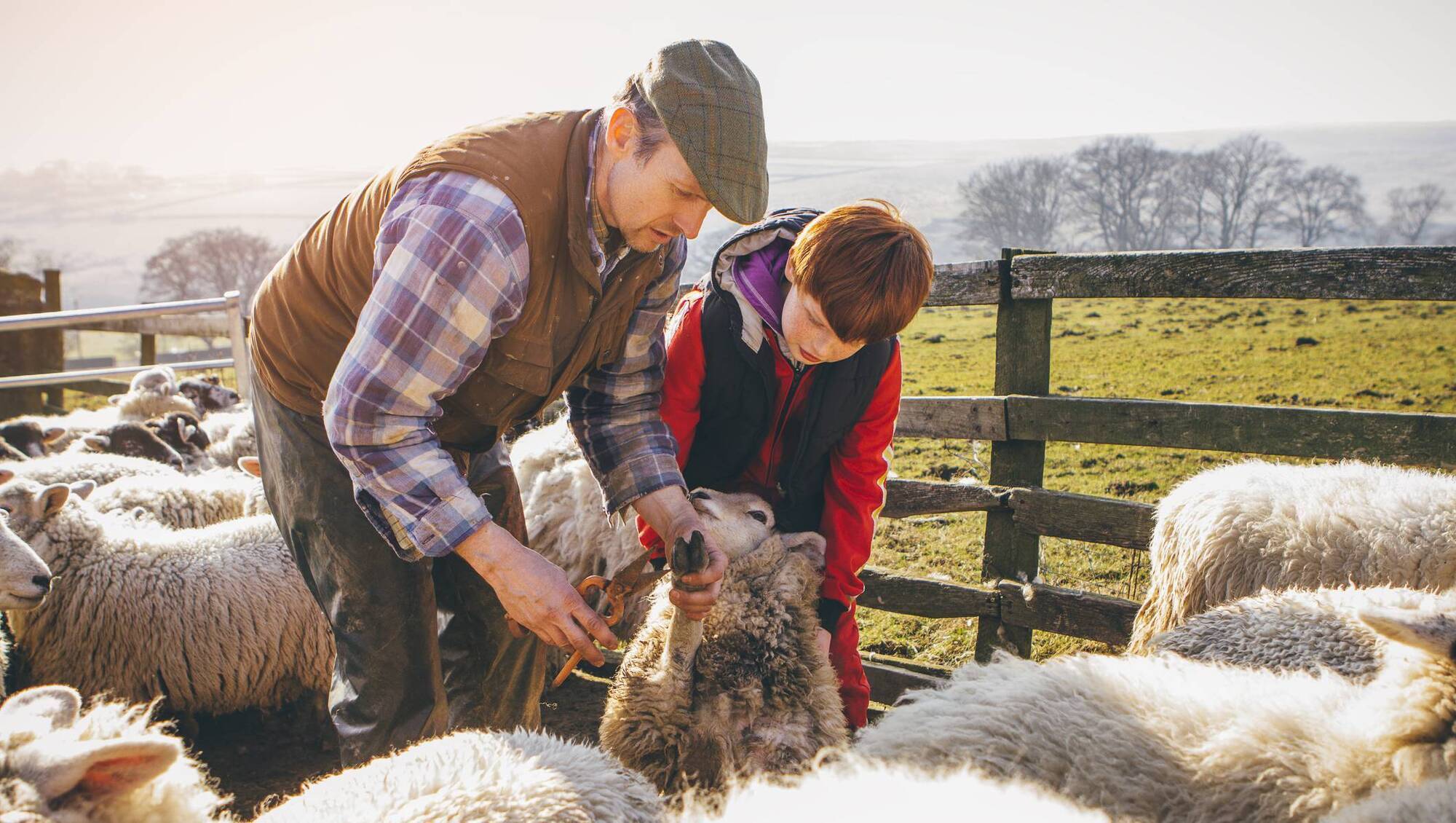
With many farmers working into old age, by the time handing over the farm comes to mind, in a lot of cases their adult children have already established careers elsewhere. Picture: iStock
What happens to a farm when it has no obvious successor or its long-term viability is under threat? These are some of the most pressing issues facing Irish farmers, and the answers are not always straightforward. The realities of succession planning, the viability of farm enterprises, and how risk is navigated in a rapidly evolving sector are big sources of anxiety for the modern farmer.
Alan Clarke is a chartered accountant in public practice with specialist expertise in agricultural extension and innovation. He says the issue of succession in modern Irish agriculture is a “growing and urgent challenge”.
“Succession is no longer simply a matter of timing or family tradition; it has become one of the most pressing structural issues in Irish farming today,” Clarke says. Compared with 20 or 30 years ago, the landscape has shifted dramatically – he points out that the age profile of Irish farmers continues to rise.
“Teagasc reports that one-third of farmers are over 65, and the average age is now approximately 58, a steady upward trend over decades,” he says. “At the same time, the proportion of younger entrants is extraordinarily low: CSO survey data shows that only 4.3 per cent of farm holders are under age 35.”
Bank of Ireland’s Eoin Lowry agrees, saying the issue of succession is not unique to Ireland but is a widespread challenge across Europe and even globally. “The most pressing challenge in agriculture is the ageing demographic of farmers,” the bank’s head of agri says. “In Ireland, the average farmer is around 59 years old, a figure that is consistent across Europe and similar in countries like the United States and Australia. This trend has worsened over the past 20-30 years.”
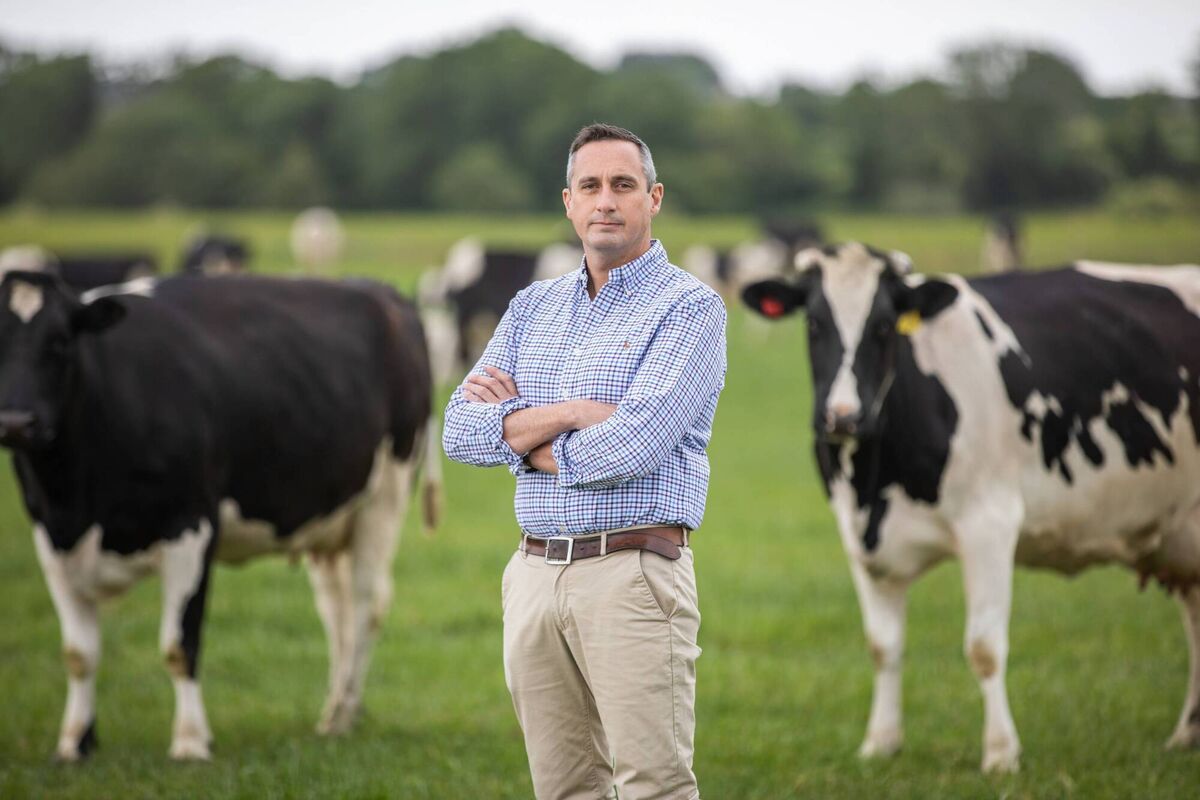
Farmers are increasingly farming into old age, and by the time the topic of succession crops up, children may be in their 40s and already have established careers in other fields, he notes.
Clarke agrees, saying the emergence of highly paid fintech, pharma and IT jobs has further lured the young, would be next farmer generation away, making it harder to retain interest in family farming. “The Ifac Farm Report 2025 shows that 23 per cent of farmers believe farming’s lifestyle no longer appeals to the next generation, making recruitment of family successors increasingly difficult.”
One obstacle is the bottom line: “We have 120,000 farms in this country, but according to Teagasc, only a third of them are commercially viable,” Lowry points out.
And despite increased awareness of succession, Clarke notes that one in five farmers still has no identified successor, leaving a substantial segment of farms in limbo.
“It is clear that succession today requires structured planning, early communication, financial preparation and an openness to new collaborative models, all areas where advisers play a critical role,” he says. “Farm transfers, whether within families, through partnerships, or via leasing now involve a complexity that would have been almost unrecognisable a generation ago.”
Further adding to this complexity, farm families face increasingly sophisticated rules around Capital Acquisitions Tax, agricultural relief, stamp duty, and qualifying conditions under CAP. Yet awareness of available supports remains low, Clarke says, with Ifac reporting that 65 per cent of farmers are unaware of the Succession Planning Advice Grant designed to assist with legal and advisory costs.
Tax relief is also available for a farm partnership which qualifies as a Succession Farm Partnership, whereby a farmer agrees to transfer at least 80 per cent of the farm assets to a chosen successor within a specified time period.
But younger and newly entered farmers are taking critical steps to ensure their farms can survive and compete in the decades ahead. Clarke says the research shows a shift toward professionalism, diversification and sustainability.
“A study of organic and multifunctional farmers shows that many are adopting diversified enterprise models, eco-compatible technologies and innovative production systems as part of long-term viability planning,” he says. “Diversification is now a strategic norm rather than an exception.”
Farmers are also increasingly adopting renewables and driving efficiency, in a bid to be more sustainable but also with a view towards the long-term viability of their farm. “Solar on-farm energy generation, improved water storage and slurry management infrastructure are increasingly part of transition strategies,” Clarke says.
Lowry notes farmers are more open to sustainability measures, that in turn increase the long-term viability of the farm. “They are conscious of the physical risk, which is the impact on weather from climate change, but also the evolving EU policy landscape and national policy landscape around agriculture and climate targets in the sector,” he explains, adding that Bank of Ireland offers specific loans to farmers wishing to make sustainable investments.
“We see them as much more willing to adapt and that’s good because a more environmentally friendly farm is a more viable farm into the future.”
Younger farmers are also much more likely to engage in cash flow planning, budget preparation, the use of advisory services and participation in structured partnerships, Clarke adds. “Notably, farm partnerships have been shown to vastly increase the likelihood of having a named successor, making them one of the most effective tools for phased succession planning.”
Lowry says the long-term view is needed – any farmer that begins farming today in their 20s will be farming for the next 50 or 60 years. He urges farming families to involve their children at a young age.
“We bank with 50 per cent of farmers in the country and we see that, while agriculture has its challenges – and succession is one of them, no doubt – it is a huge opportunity [for] Bank Ireland, because we recognise that there’s going to be 30,000 young farmers coming into Irish agriculture in the next decade.
“The challenge for us as banks and as an agricultural sector is, how do we support and encourage those young farmers to be viable and successful in their farming journey?”