Food security comes into focus as agri exports hit record high
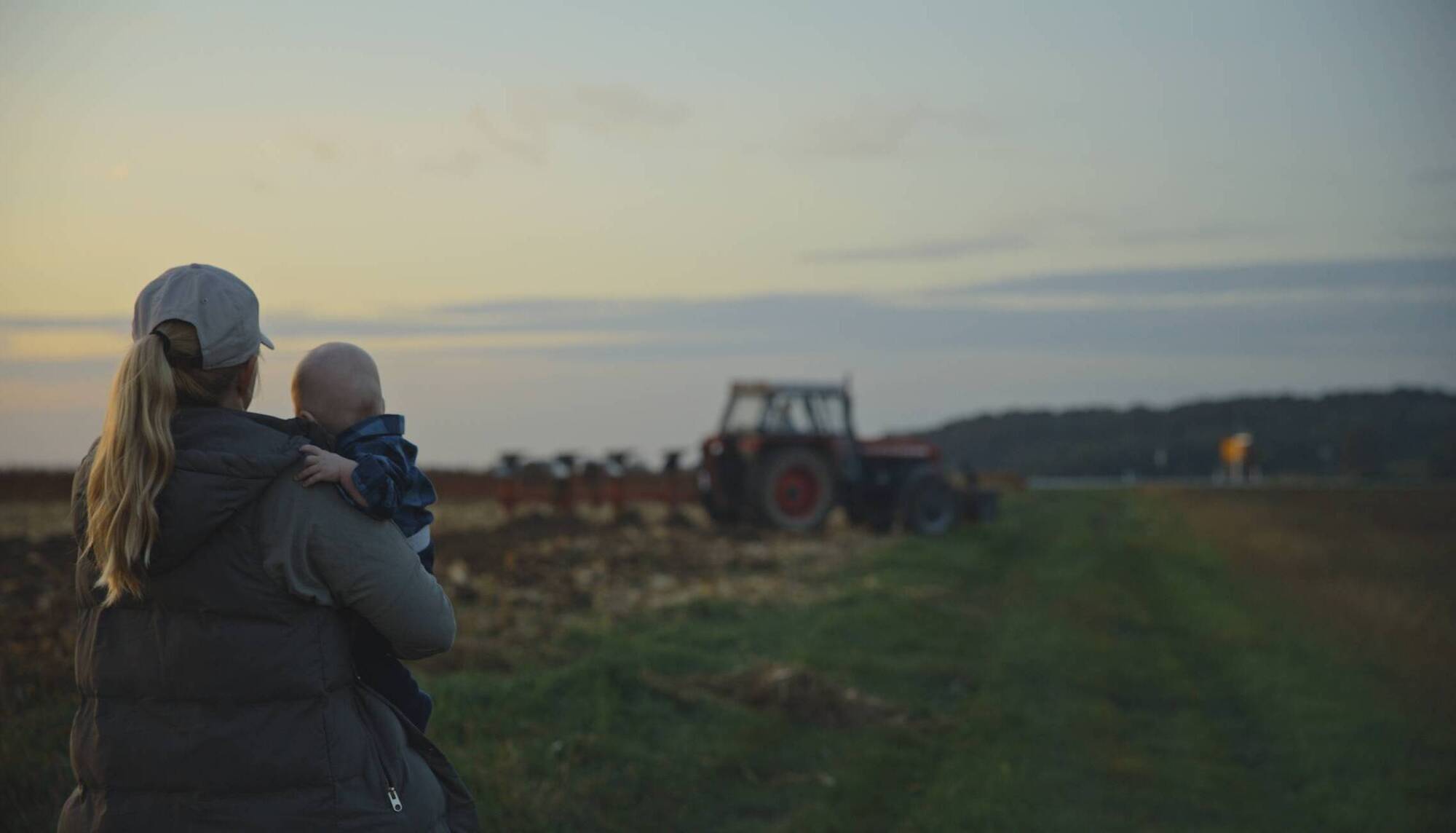
Ireland may need to consider growing more of what it consumes in order to safeguard food-supply security for the future. Picture: iStock
Farming plays a central role in Ireland’s economic performance and, fittingly, a growing one. The value of the Republic’s food, drink and horticulture exports increased by 12 per cent last year to a record €19 billion, according to Bord Bia.
That’s despite a climate shaped not just by weather events but inflation, changing consumer behaviours and geopolitical uncertainty.
On-farm innovations are helping, something in which the State has a strong pedigree.
“Irish innovators are synonymous with food and agriculture around the world and have an established reputation for delivering pioneering and groundbreaking solutions for shared global challenges, such as animal health and nutrition, addressing sustainable practises, and addressing food security,” says TJ Hughes, senior client adviser with Enterprise Ireland.
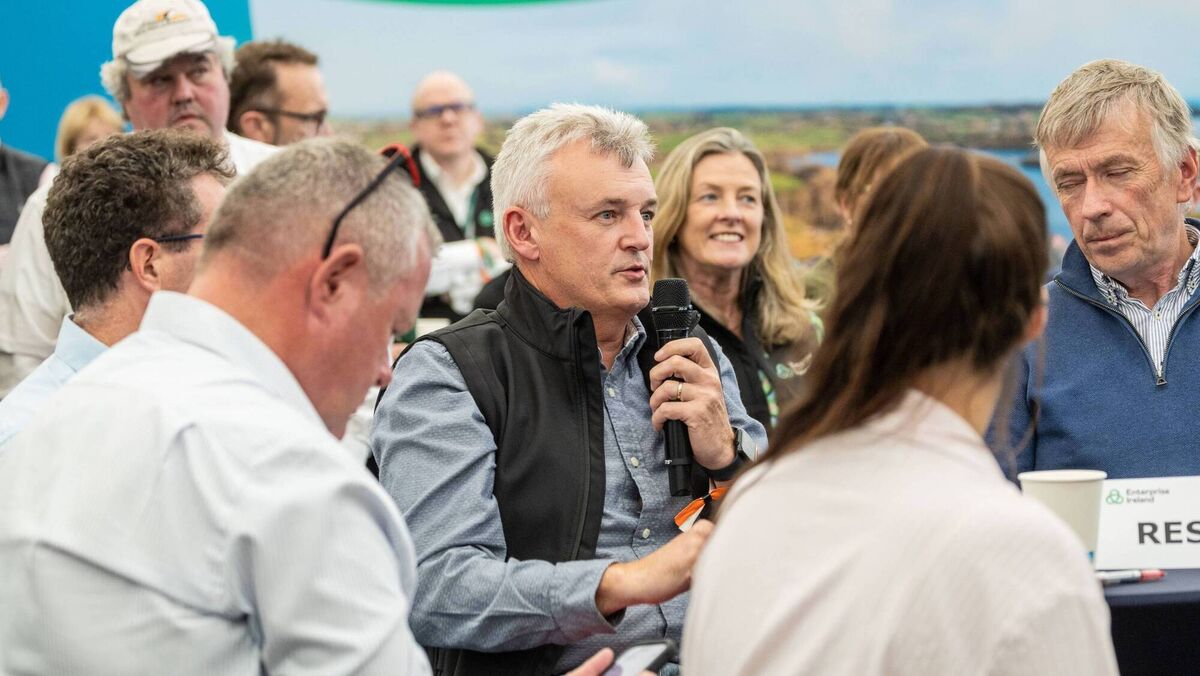
“For many of the agritech companies Enterprise Ireland engages with today, you can often trace their heritage to people or families that farmed – it is quite simply in their DNA. The solutions that these companies develop and sell across the globe have been designed and produced with an understanding of what is practically required on the farm to efficiently get the job done.”
Irish innovators are developing solutions across the sector, including farm equipment and machinery, livestock handling and housing, crop cultivation and protection, animal health and nutrition, smart farming solutions, and sustainability.
“Agricultural equipment and technologies are becoming more sophisticated and complex, and farmers are increasingly seeking solutions which drive efficiencies in their operations to address challenges such as access to labour, increased regulation, competition, pricing fluctuations and unpredictable weather,” says Hughes.
“AI-driven technologies are increasingly impacting across the whole of the sector, as they can directly inform real-time decisions. R&D investment is crucial for companies to keep evolving their products and keep pace with the changing dynamics in the market.”
Despite its success, Emma Walls, chief executive of the National Dairy Council, feels farming – and dairy farming in particular – is underappreciated as an engine of economic growth.
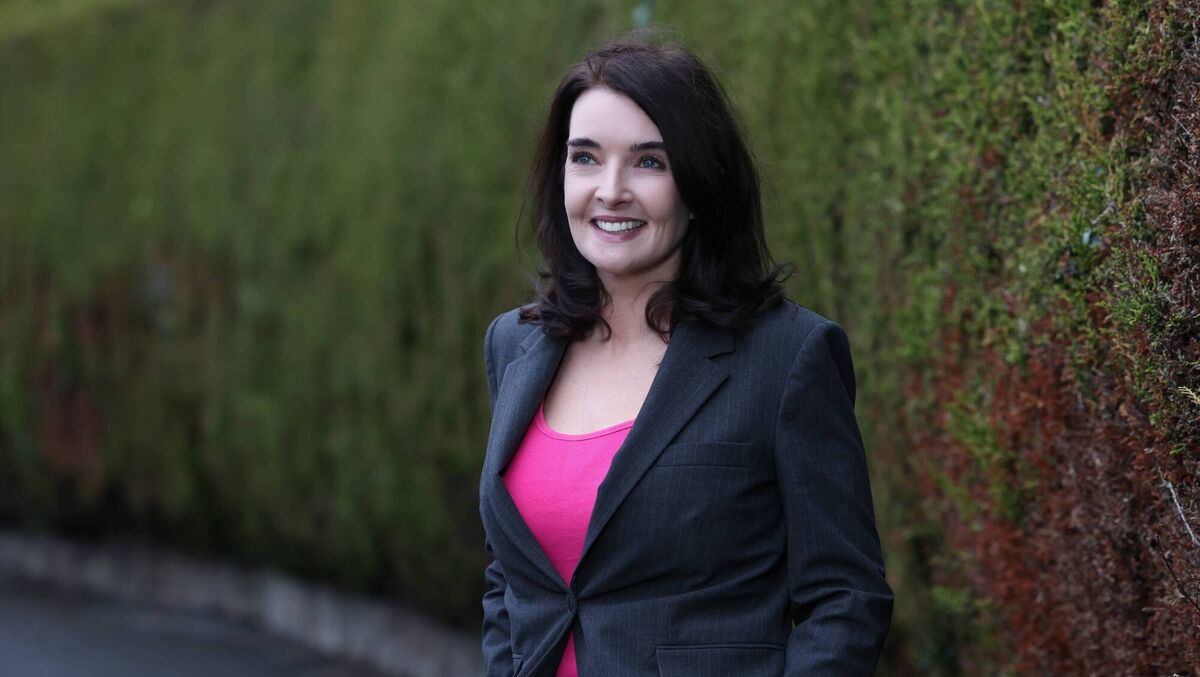
“We’re very focused on foreign direct investment, which is crucial for the economy, but dairy gets overlooked. Indeed, it’s not all that long ago since we were talking about all of agriculture as a sunset industry, when in fact it has proven to be extraordinarily resilient,” says Walls.
Not only that, but global consumer brands such as Kerrygold and Baileys, and trade brands such as Tirlán’s Truly Grass Fed, a premium ingredient for food and nutrition companies, have helped to drive Ireland’s reputation as a producer of premium food around the world.
At the same time, innovations from groups such as Kerry and Carbery have helped bring what were commodity goods up the value chain into such areas as nutraceuticals, medical nutrition and functional foods.
“We should be unbelievably proud of what is accomplished here. It’s also servicing a rural economy and helping to keep those communities viable and vibrant. When you factor in all the multipliers, it dwarfs tourism, is a massive industry of benefit both to our national economy and our global reputation. It’s also an industry that’s not going to pick up and move somewhere else.” This year, however, with the US and Israel’s war on Iran already challenging the supply of fertiliser, Ireland’s farming sector is being looked at through a food security lens. Here too the sector’s performance is strong, so far.
The Republic ranks second of 113 states for food security, according to the Global Food Security Index, behind, perhaps surprisingly, given its short growing season, Finland.
The resilience of our food supply chain has been challenged in recent years, by Brexit, Covid, and Russia’s invasion of Ukraine.
So far it has come up trumps, helped by membership of the EU and a Common Agricultural Policy that was established not just to support farm incomes but to ensure food security too.
But while the State is a net exporter of meat and dairy, it is a net importer of fruits, vegetables, grains and oilseeds, points out Kevin Hanrahan, head of the Rural Economy Development Programme at Teagasc.
Although supply chain conditions are not as bad as they were in 2022, he points out, when Ukraine was invaded just as the world was already dealing with snarl-ups from the pandemic, the issue of food security is firmly back on the table.
Membership of the EU helps protect us, and it makes sense to leave the foodstuffs we import to countries such as Spain and the Netherlands which can grow them at scale, leaving us to also specialise in the foodstuffs we are optimised for.
However, Ireland may need to consider growing more of what it consumes in order to safeguard that security of supply for the future.
With the Strait of Hormuz choked, one-third of the world’s urea can’t move, to the immediate detriment of the developing countries that depend on it most, Hanrahan points out.
As a wealthy country, Ireland will be insulated from the worst of any shortages but may ultimately have to revisit its approach to fertiliser too, he suggests, including increasing the use of anaerobic digesters to develop more (and more environmentally friendly) fertiliser ourselves.
“It’s about having the conversation about how important it is to us, as a society, to have a greater proportion of what we consume locally, produced locally, and I am not sure whether people will be willing to pay more to have that,” he says.
Given the central importance of farming, which he believes should be considered part of the energy system – “it’s producing the energy we as humans need to function” – current events make food security more pressing than ever.
“In terms of geopolitics, we don’t think enough about the ‘tail risks’ – the things that are very unlikely to happen, but could happen and, if they were to happen, would be a big deal,” he says. “We’re in that space right now.”