MTU Cyber Innovate graduates launch four cybersecurity startups
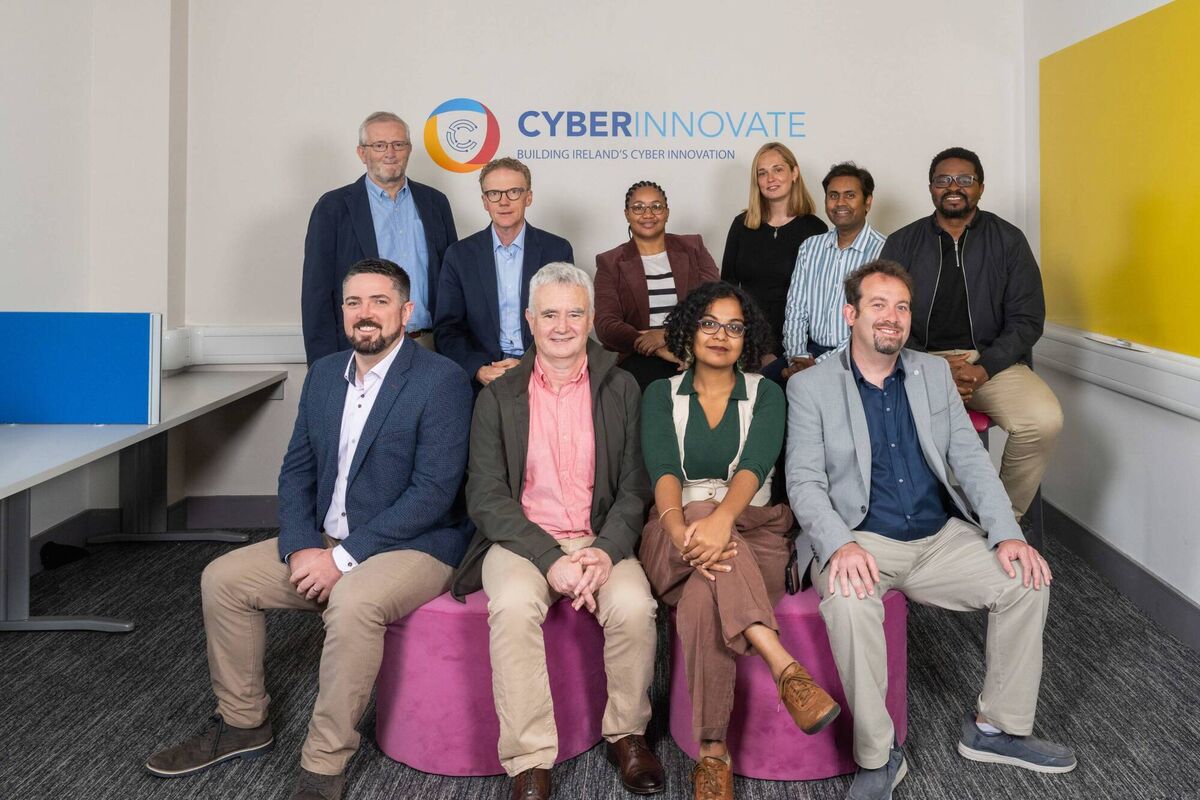
Advanced level defences against cyber threats: Participants in the 2025 Cyber Innovate programme at Nimbus Centre, MTU, all of whom gained a deep understanding of proven innovation methodologies, such as Design Thinking and Lean Startup. Photo: Joleen Cronin
The next generation of cybersecurity entrepreneurs and leaders is being developed at Munster Technological University (MTU) through its Cyber Innovate programme.
This is a needs-led entrepreneurship programme, delivered over ten months, full-time at MTU. The programme offers a tax-free scholarship of €38,000 to participants in addition to a post-graduate diploma qualification.
Applications are now open for this highly sought-after programme for mid-career professionals looking to explore opportunities for cybersecurity innovation and startups. The programme is backed by a wide range of academic and industry experts and offers a wide professional network to successful participants.
Working in multidisciplinary teams, the students search for cybersecurity related problems and then generate and validate new ideas for products and services which may lead to them creating new cybersecurity startups.
Director of the programme, Ronan Coleman, explains that students spend the first semester immersing themselves in a specially designed ‘Immersive Environment’, enabling them to identify cybersecurity needs.
“The ‘Immersive Environment’ is what differentiates this programme from other innovation or entrepreneurship programmes,” says Mr Coleman. This module is delivered over an eight-week period, where students will spend two days each week visiting a partner company and interviewing members of the company’s cybersecurity team.
“The creation of this environment is a big ask of our incredibly generous and knowledgeable industry partners as it necessitates a lot of pre-planning and the availability of 8+ staff members for the two-day visits. It has been enabled by MTU’s leading position in the Irish cybersecurity ecosystem. The partner companies have well-established links with MTU through its alumni, Chair of Cybersecurity and researchers, its Cyber Skills programme and the MTU-based Cyber Ireland of which Cyber Innovate is a member and partner.
“The objective is that the student teams identify a real and pressing need or problem during this period, which they then go and further validate by focusing on a particular customer segment. They then try to develop a solution for that customer segment, rather than the traditional approach of having a solution or technology which is trying to find a problem or application.”
The early successes of the Cyber Innovate programme have led to it being recognised, along with Ailtire, the programme's first start-up company, in the latest Enterprise Ireland / Pitchbook report on “Ireland’s Cybersecurity Landscape”.
MTU Cyber Innovate is co-funded by the Government of Ireland and the European Union through the ERDF Southern, Eastern & Midland Regional Programme 2021-27.
Clodagh Mulcahy and Paul Ward established their business, Mulcahy Ward, having met and worked together on the Cyber Innovate Programme.
With decades of technical, commercial and consulting experience behind them, they say that Cyber Innovate was an excellent launch pad for their cybersecurity business.
While every business should be concerned about cybersecurity risk to some degree, they say that many people don’t know where to start. “We identified a clear need for a trusted partner to provide the necessary cybersecurity advice.”
While saying that cyber attacks are becoming more sophisticated all the time, and agreeing that we live in scary times, they stress that they do not use scare tactics with their clients. “We need to be honest with our clients if we are to gain their trust,” they say, “but the threats are real.”
As cybersecurity advisors, the aim of Mulcahy Ward is to maximise a company’s resilience and minimise risk.
“Whether you are assessing your cybersecurity readiness, aiming for ISO 27001 certification or working towards regulatory compliance with NIS2 or DORA, we are here to help. We are not lawyers, or IT solution providers, but our cybersecurity advisors have the right mix of practical, technical and regulatory credentials to prepare you in advance of a cyber attack.”
The three co-founders of Ailtire – Aileen Sheehan, Colm McSweeney and Damion McGing – say that Cyber Innovate brought them together as a team with complementary strengths, allowing them to engage directly with companies.
They say the postgraduate qualification was a bonus but the real value came from the structured innovation process, the exposure to industry and the step-by-step support that helped them validate the problem, develop the concept and translate it into a company with commercial potential.
“We gained practical innovation methods along with the business and market research skills needed to establish our own venture confidently,” says Ms Sheehan. “The programme opened doors, created opportunities and provided the momentum that helped bring Ailtire to life.”
‘Ailtire’ means architect in Irish. The company believes that security must begin with the architecture. Ailtire is an AI-native threat modelling platform that helps businesses understand the security risks in their system design in minutes rather than months, and take action before issues arise.
Resilium, founded by Paddy Lange, specialises in safeguarding operational technology for the industrial sector. Unlike general IT security, the core focus of the company is on keeping factories running and ensuring physical safety on the shop floor.
Mr Lange says the Cyber Innovate programme “is truly distinctive because it is fundamentally a needs-led entrepreneurship programme – not a technical course – that is also fully funded.
“My participation in the programme culminated in the founding of Resilium, a cybersecurity start-up, following an extended and rigorous period of customer discovery. The programme itself is intense, comprising three core phases; the problem/needs phase, the solution phase and the commercialisation phase.”
The primary gain from the programme was a deep understanding of proven innovation methodologies, such as Design Thinking and Lean Startup.
“Crucially, these methodologies were immediately applied in an immersive environment, carrying our primary research across various industry verticals. This fieldwork allowed us to observe, engage, reflect and ideate to find genuine opportunities for innovative products and services.
“This process is fundamentally different from having a product idea and then trying to force it to fit the market. Real fieldwork finds real needs and identifies gaps created by digitalisation, and only then are new product and service ideas generated and subsequently validated. In a nutshell, it is needs-led entrepreneurship.”
Mr Lange praises the support provided by MTU Cork, the Nimbus Centre and the Rubicon Centre for programme participants.
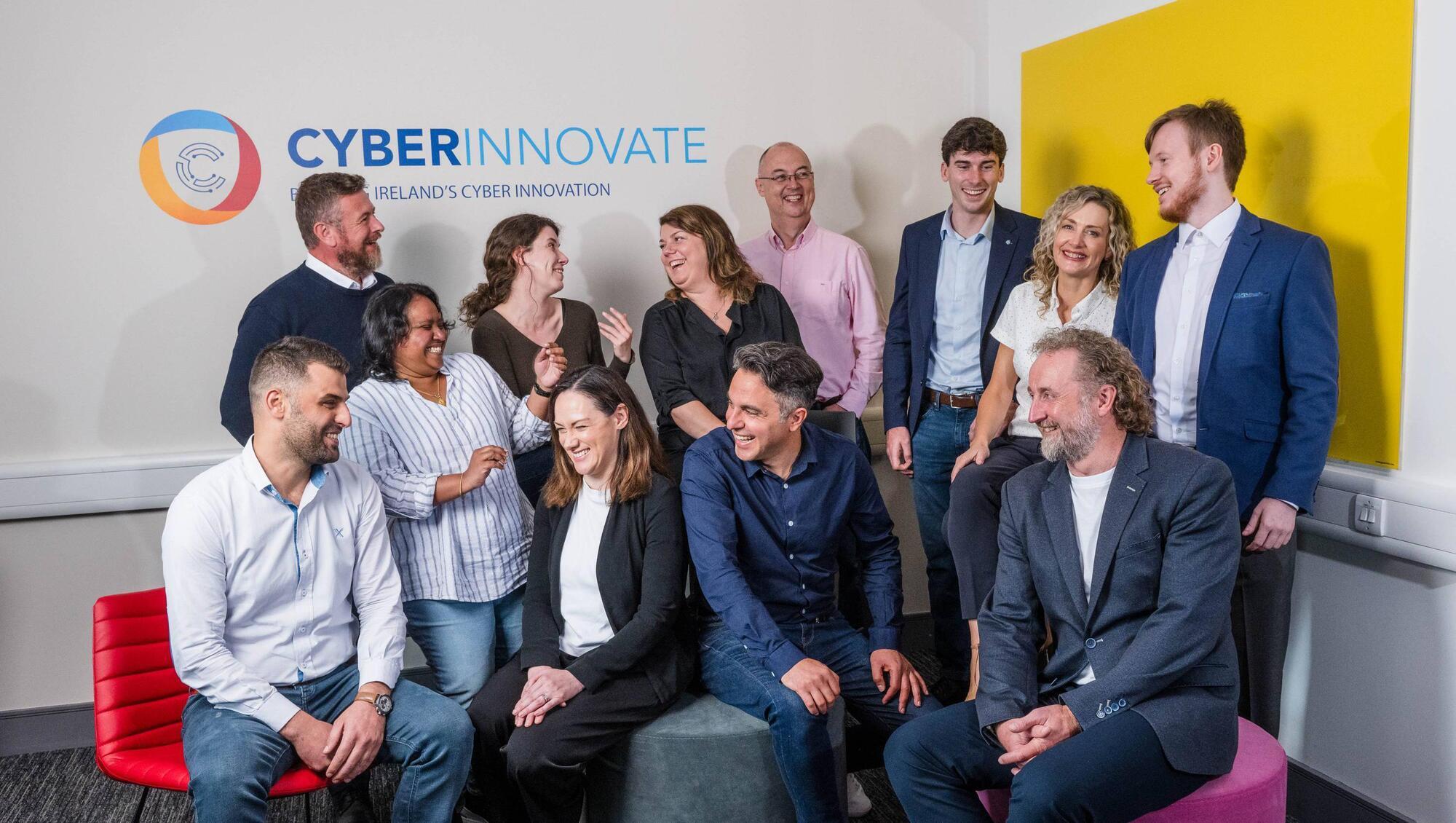
“It was, however, the great people I was privileged to meet who truly made the difference. Our cohort consisted of twelve participants from wonderfully diverse backgrounds, which provided the grounds for rich challenging and valuable discussions.
"The friendships forged, the support extended and the networking opportunities created by my fellow participants made this full-time programme a truly unforgettable and rewarding experience.”
Cyber Innovate and Ailtire were both mentioned in the EI/Pitchbook report ‘Ireland’s Cybersecurity Landscape’ recently.
- Applications for next year’s cohort for the MTU Cyber Innovate programme are open until mid-April. Interested candidates can find more information on the programme and apply for it through the Cyber Innovate website: