Ireland is ready to take a stand against the rising tide of ocean waste
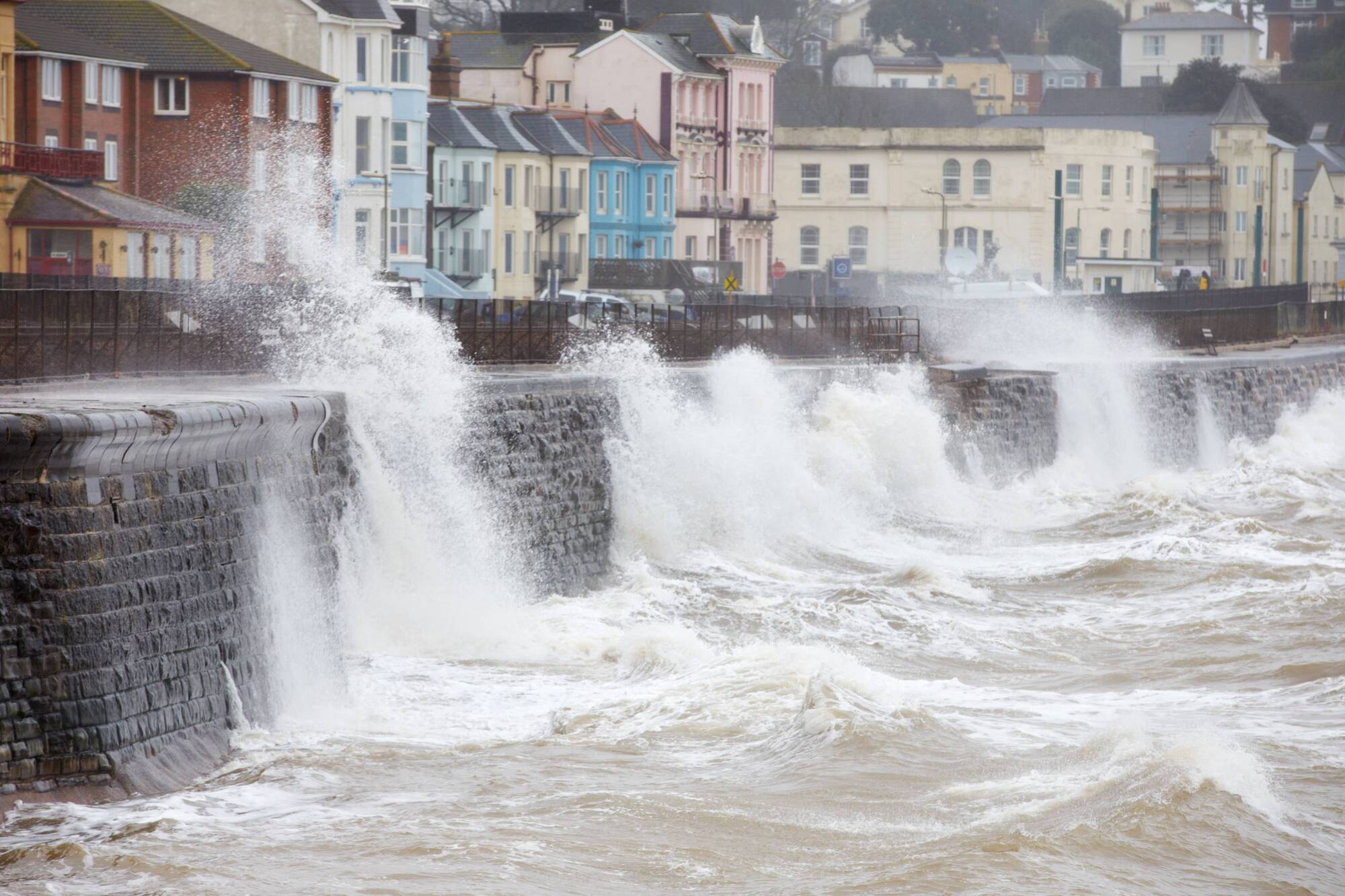
Like other island nations, Ireland is particularly vulnerable to oceanic changes resulting from climate change.
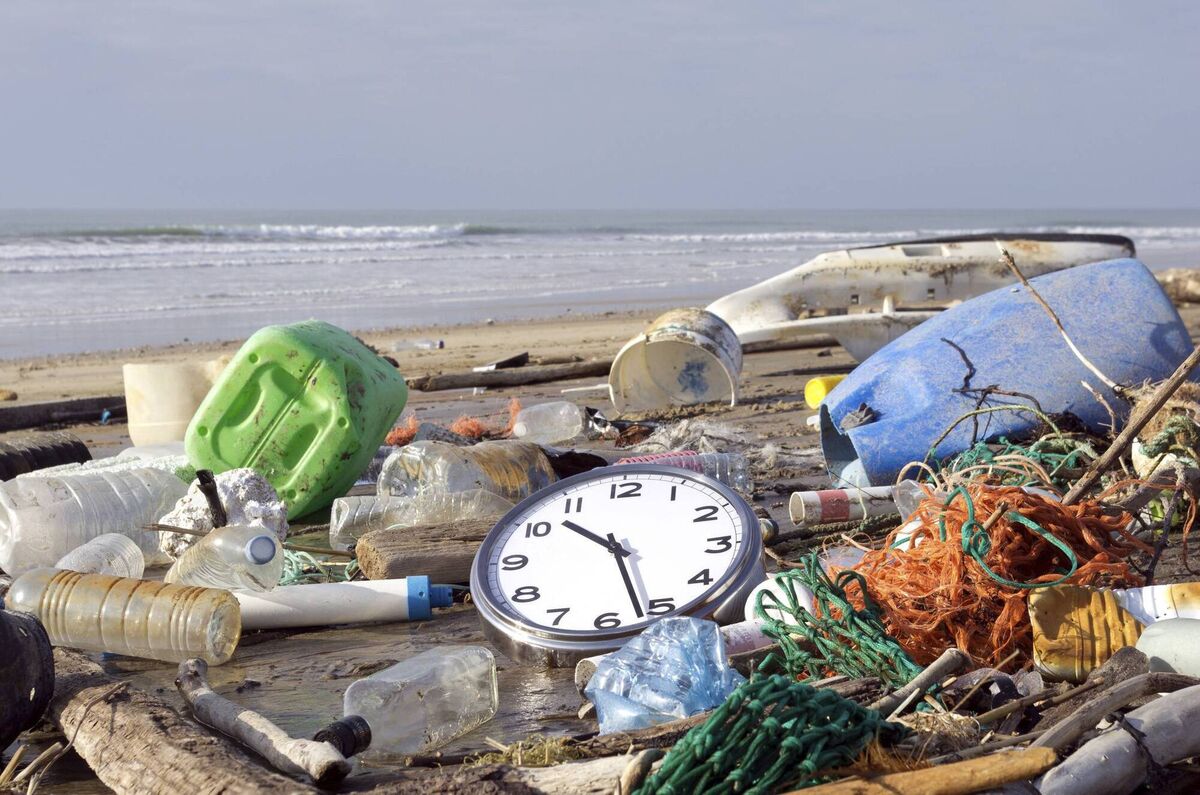
Around 80% of marine debris is made of plastics which pose a serious problem for marine ecosystems. Ireland’s Clean Oceans Initiative is working with fishing trawlers to sieve and retrieve daily waste plastic from the Ocean, which is then collected on land and recycled.
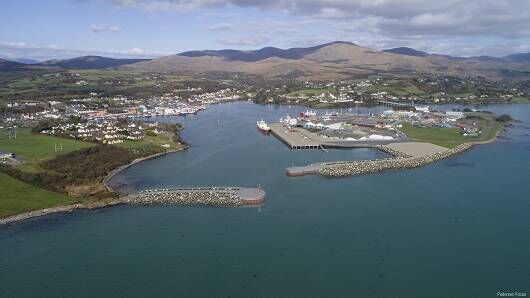
In political geography, we know where Ireland is, on the western fringe of Europe facing into the Atlantic Ocean. But in physical geography, Our Ocean Next Door knows no national or international boundaries. Climate change is the key test of our time, affecting all coastal states equally. Ireland is at the coal face, being the first Northern European landmass ocean air and sea currents meet. There is growing global acceptance of the reality of the impacts of climate change on our Ocean and has also driven a sharp focus on the need for solutions and actions to address those pressing challenges.
Washed as we are by the North Atlantic Drift, Ireland’s climate variability is predominantly maritime influenced. Like other island nations, Ireland is particularly vulnerable to oceanic changes resulting from climate change. It is for these reasons that we Irish feel a particular empathy towards the small island developing nations of the world.
A whole of Government approach to Climate Action, encompassing both Mitigation and Adaptation is being undertaken here in Ireland. The Department of Agriculture, Food and the Marine has specific responsibility for the Seafood sector, as well as for Agriculture and Forestry in this context. While this focus on climate change domestically is essential, it must be supported by a collective effort of the Nations of the world working together. This is particularly the case with regard to the Ocean.
The IPCC Special Report on the Ocean and Cryosphere in Changing Climate highlighted key international findings:
- Oceans are likely warming at all depths
- Global sea level is rising with regional variations
- A geographical shift of marine species is being observed due to ocean warming
- Marine heatwaves are increasing in frequency and severity
- Ocean acidification is increasing
The potential impact of climate change on fisheries and aquaculture is immense. Ten per cent of the world population depends on fisheries for their livelihoods and 4.3 billion people are reliant on fish for fifteen per cent of their animal protein intake. In a world where the global population is increasing by 82 million people per year, every year, it is a reality that an increasing number of people will be reliant on protein from our Ocean in the coming decades. A risk to sustainable seafood production from the Ocean poses serious concerns for a significant proportion of the global population.
Here in Ireland, fishing has traditionally played and continues to play, a vital role in the sustainability of coastal communities around Ireland. According to BIM’s The Business of Seafood reports, Ireland’s Seafood sector contributed €1.22 billion to the Irish economy in 2019 and €1.09 billion in 2020. The total value of seafood landed into Ireland’s main fishing ports was €424 million in 2019/€346 million in 2020 and Irish seafood exports were worth €640 million and €590 million respectively (the dual impacts of Brexit and Covid19 clearly affecting 2020). Over 16,000 people are employed around our coast both directly and indirectly.
The impacts of climate change on the seafood sector are likely to include increased risk of damage to fishing vessels, fishing gear and seafood infrastructure from the increased severity of storms and frequency of storm events. There is expected to be a change in traditional fisheries as increasing sea temperatures affect spawning and harvesting seasons and the distribution of certain stocks move northwards. Widespread shifts in the distribution of fish and fisheries have been already been documented in the North Atlantic, with 16 of the 21 species examined showing changes since 1985 (ICES 2017). Events such as harmful algal blooms are also expected to occur more frequently and impact on shellfish harvesting opportunities. Increased ocean acidification is expected to lead to reduced shell growth in commercially important seafood species such as oysters and mussels. Sea level rise has the potential to affect the future operability of harbours and the suitability of some coastal regions for intertidal aquaculture.
A continued and intensified focus on adaptation, climate action measures and the sustainable management of our fish stocks will be central to the continuation of a sustainable supply of seafood and global food security for a growing world population in the coming decades. The Department annually funds the Marine Institute to undertake fisheries science and ocean monitoring research to continue to further Ireland’s understanding of the Ocean Next Door. The Marine Institute also avails of funding calls from other sources such as the EPA and the European Commission and works collaboratively with third level institutions to target research expertise on some of the challenges ahead. During 2021 the Institute will conduct a baseline study of essential ocean variable monitoring in Irish waters, current measurement programmes and data quality. In order that there is recognition for the value of ocean ecosystems services, Bord Iascaigh Mhara is developing a demonstration natural capital accounts model for the Seafood Sector. Such initiatives will pave the way for ocean climate resilience in Ireland.
Another great challenge that we face in the Ocean is the issue of marine pollution from plastics and other sources. An estimated 80% of marine debris is made of plastics. Plastics pose a serious problem for marine ecosystems. In 2019, the Minister launched Ireland’s Clean Oceans Initiative, working with our fishing trawlers to sieve and retrieve daily waste plastic from the Ocean, which is then collected on land and recycled. The Department is funding developments in our fishery harbour centres and in local authority run facilities to plan and manage for appropriate recovery and disposal of plastics which cannot be recycled. The application of the incoming Single-Use Plastics and the Port Reception Facilities Directives will require an examination of what happens to our waste so that it doesn’t become marine debris in the future.
In a recent public consultation, the Department ran on climate change, one of the questions asked of respondents was “Where do you get your information on climate change?”. Many of the answers given were from recognisable state bodies, research institutions or international scientific publications, but there was a significant number getting their information from other sources such as NGOs, newspapers and social media. There is a challenge for us all in this, for Government, for the scientific community and for citizens. How do we make sure that the information is trusted, accessible and widely available for consumption? This is one of the reasons that the Department of Agriculture, Food and the Marine, and its agencies, are embedding Climate Action across policies, programmes and across work streams – the action is to embed but this creates the opportunity for innovation and harnesses the collective input of policymakers, scientists, technical experts and industry representatives to generate meaningful climate action.
Maritime fishing traditions have cultural significance and form part of the identity of coastal communities. Spatial conflict is likely if certain types of activities are displaced due to designations or consents for other activities. As highlighted in the forthcoming National Marine Planning Framework (NMPF) (due to be published on 17 June), the potential for spatial conflicts can be mitigated through early, persistent and meaningful engagement. Increased public awareness and understanding of the range of opportunities for the coexistence of activities in our ocean environment through online visibility, information leaflets, local meetings etc can alleviate the concerns of the local community and lead to more inclusive management of our marine resources. A strong evidence-based approach together with stakeholder collaboration is essential to a long term climate resilient Blue Economy.
The European Maritime, Fisheries and Aquaculture Fund (EMFAF) for the period 2021-2027 amounts to €6.1 billion. Ireland is to be allocated €142 million and the overall size of Ireland’s new Seafood Development Programme 2021-27 will then be determined by the extent of Government co-funding. The new programme will allow the Minister to implement various support schemes for the fisheries, aquaculture and seafood processing sectors and for coastal communities. Embedding Climate Action across this fund will build on our Ocean Climate Action into the future.