Gilead Sciences: Lessons learned from the Covid-19 frontline
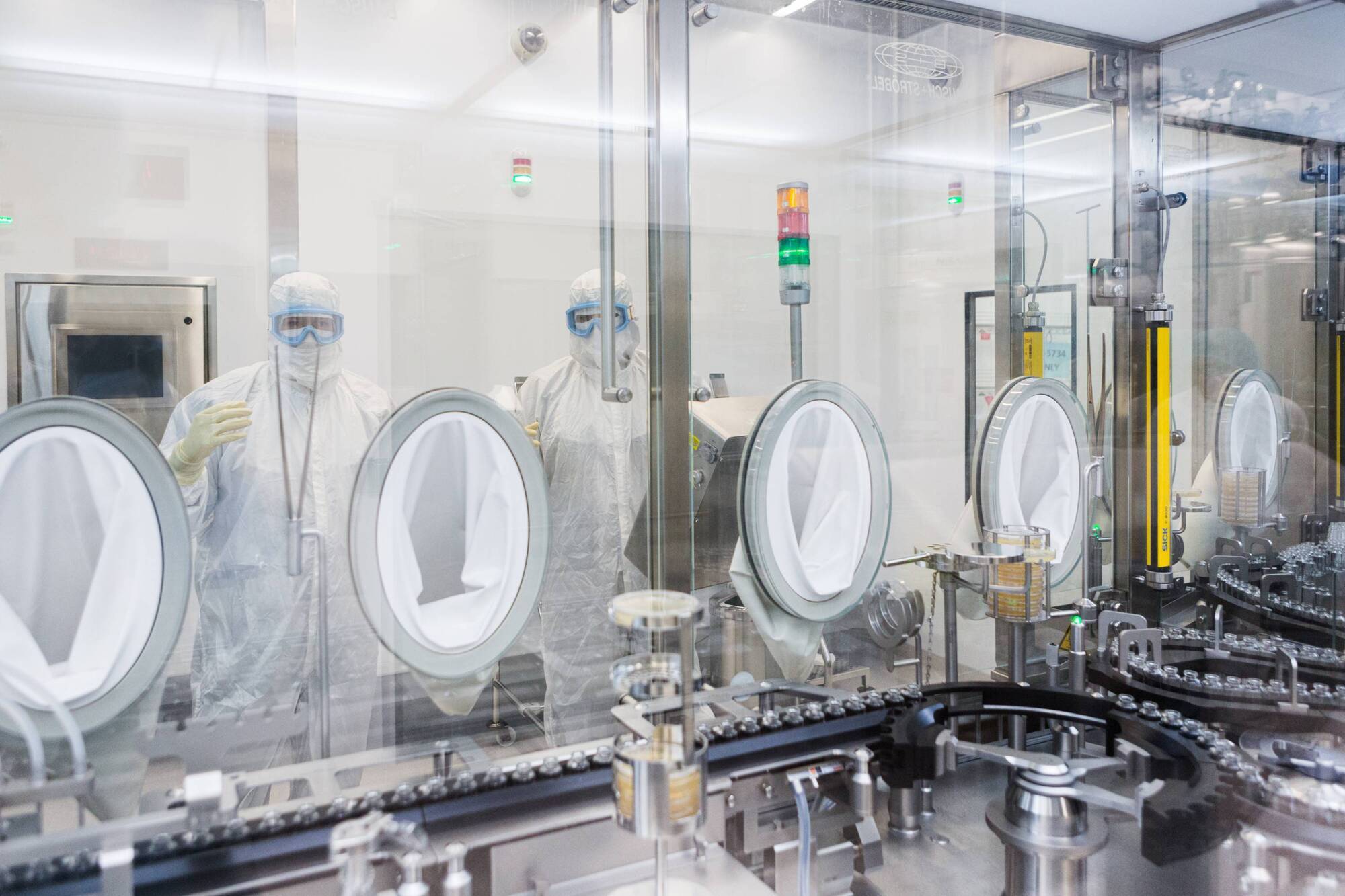
Gilead Sciences was able to use its library of antivirals, which the company routinely scans for different viruses, to gain a head start on tackling the Covid-19 virus.
Virologists have argued for many years that the greatest threat to human health would come from a virus which doesn’t yet exist in humans. As we continue to fight Covid-19 pandemic, few of us would question that claim.

The impact of the pandemic on communities, societies and economies has of course been devastating, but the experience has also provided lessons which will be invaluable in responding to future challenges.
A vaccine is of course the primary healthcare goal to manage a pandemic but having treatments which could save lives and reduce the burden on healthcare systems is also an acute priority.
Gilead has a library of antivirals that we routinely scan for different viruses, and that’s what we have done, as soon as we heard reports from China that a new virus posed a significant threat to humans. Thanks to this head start, we were able to initiate clinical trials around the world, just weeks after the pandemic began. This is not a coincidence of course, but the work of a team within Gilead, dedicated to researching an array of potential molecules for “emerging viruses” – with the aim of gaining a head start on any future outbreak.
This type of experimental research is costly and comes at a high risk, with no guarantee that the candidate treatments will ever be needed. But in terms of its potential impact on human life, the investment is worth the risk.
It’s one thing to have a viable experimental treatment, but quite another to be able to rapidly produce enough of it to meet the needs during a global pandemic.
What the experience of 2020 shows is that being able to move with speed is also key. As would be expected, we began rapidly expanding our manufacturing network and shortening the process of creating new stock from 12 months to six.
But it would still have been impossible for Gilead alone to produce enough supply to meet global needs. This is why we see incredible value in working together in a coordinated way to make the most efficient use of the precursor molecules and solvents.
Fortunately, as a result of prior work in HIV and HCV, we were able to call on global partners and established relationships with generic manufacturers to help us increase production and serve patients around the world, including in 127 countries in the developing world.
And our manufacturing operations in Ireland continued to seamlessly supply countries across Europe and other parts of the world outside of the United States.
Designing and making a new treatment is only part of the battle – across the world there are important systems in place which govern whether or not any treatment can be administered to patients. In an urgent situation like a pandemic, it’s important to streamline these processes as much as possible while still ensuring appropriate regulatory safeguards are in place.
From Gilead’s perspective, that meant working in close collaboration with regulatory authorities and governments and donating our existing supplies through June. We also consequently set a single Government price in the developed world to remove the need for lengthy reimbursement processes.
At Gilead, we are about creating possible and we know that we can only do so if we work in collaboration to advance science. This is why we have invested a further €7 million in our operations in Ireland which now also includes a new Paediatric Centre of Excellence. While our pandemic work continues, we will also be welcoming 140 new colleagues in our facilities across Ireland, including our new offices in Dublin. With this additional investment, we are looking forward to continuing our important work and growing our presence here in Ireland.