Powering Ireland’s energy future: Great careers within engineering renaissance
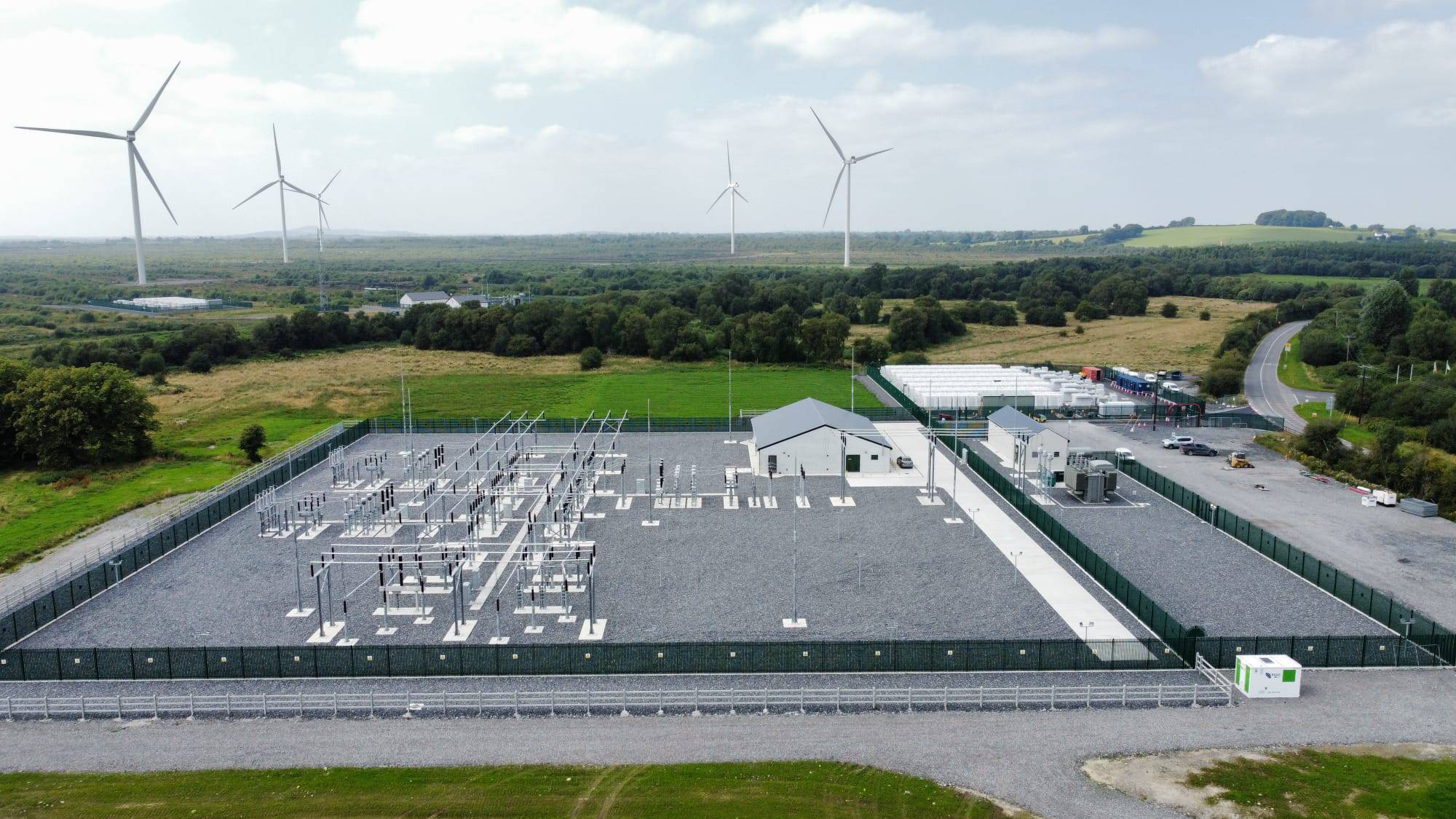
Suir Engineering delivered the full civil and electrical engineering design, construction and installation for Statkraft's Cushaling Wind Farm Substation & BESS renewable energy and storage facility in Co Offaly, opened in February 2026.
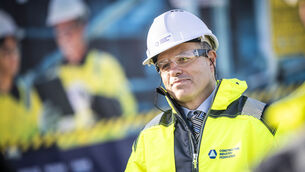
, Suir Engineering’s regional director of energy, power and renewables, explains why the opportunities for the next generation of engineers have never been greater as investment in Ireland’s electricity infrastructure accelerates
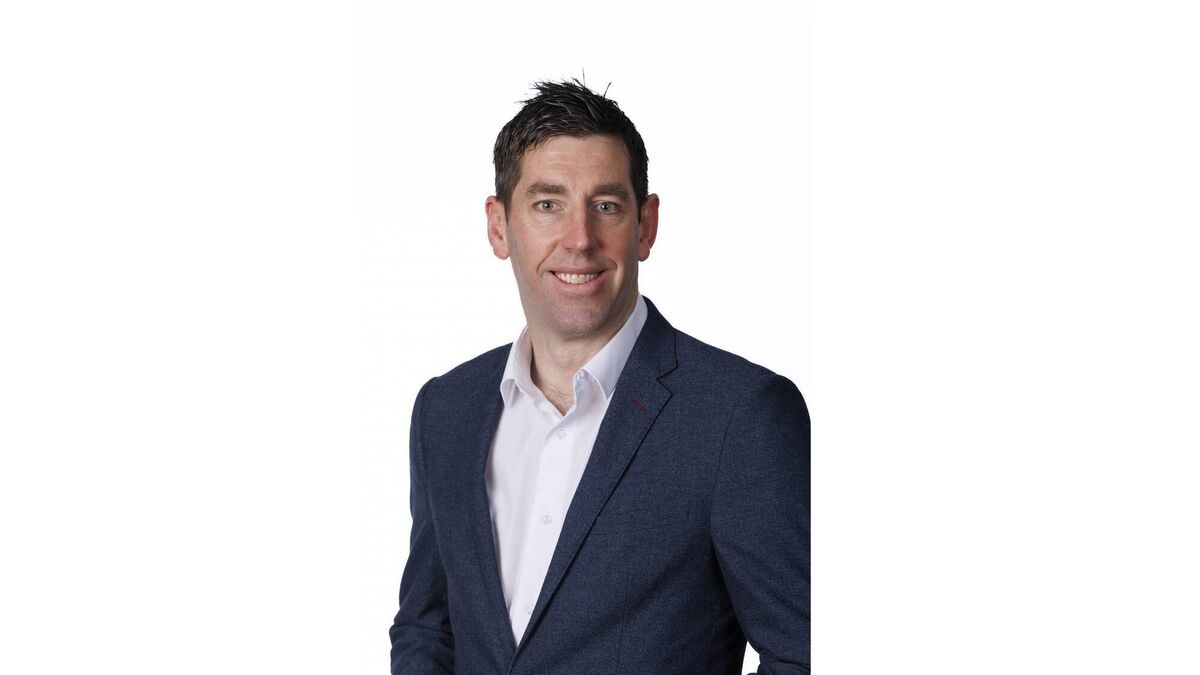
Since joining Suir Engineering as an electrical apprentice in 2004, John Hartley has enjoyed a multi-faceted career, from working on life sciences projects to complex energy infrastructure developments both in Ireland and the UK.
Now Suir Engineering’s regional director of energy, power and renewables (EP&R) for Ireland, Hartley’s progression reflects the exciting and varied career opportunities at a time when Ireland is transitioning to renewable energy.
But his big move came in 2011 when he started to work on a waste-to-energy power station project in the UK. Over three years, Hartley gained valuable experience working on HV and MV systems as well as making his first steps in management.
He went on to work on a range of EP&R projects, including Suir Engineering’s first GIS (Gas Insulated Substation) substations and grid stability projects, broadening his expertise with first-hand experience.
“What initially attracted me to the EP&R sector was the opportunity to work in an industry where you could solve real-world challenges, develop practical skills and see the tangible results of your efforts,” Hartley explained. “But also, from a personal perspective, long-term job security, and a skillset that would always be in demand, were very attractive.
“What has kept me interested throughout my career is the constant evolution of the industry, the diversity of challenges and the people I've had the opportunity to work alongside and learn from.”
Hartley describes the evolution of EP&R as a complete transformation, but he noted that generating renewable energy is only part of the challenge: engineers are now delivering infrastructure that is “not only more technically sophisticated, but also critical to achieving Ireland's long-term economic and environmental goals.”
“This is creating enormous opportunities in high-voltage substations, grid reinforcement, renewable energy connections, battery energy storage and technologies that support network stability,” said Hartley.
Indeed, Ireland will invest €18.9 billion in its electricity networks between 2026 and 2030; for Suir Engineering, this represents a chance to build on its experience delivering complex power infrastructure across both the UK and Ireland.
Skills for transition ‘’As projects become more technically complex, professionals who can combine traditional engineering knowledge with digital capabilities are paramount.’, He has seen firsthand how Building Information Modelling (BIM), digital engineering, advanced project controls and Design for Manufacture and Assembly (DfMA) are changing both design and delivery.
Artificial intelligence (AI) is another emerging area. Hartley sees potential for AI to support workers make better-informed decisions and focus on solving complex engineering challenges.
“Infrastructure investment on this scale can only succeed if we have the skilled people to deliver it,” said Hartley. “The demand for engineers, electricians, planners, estimators, commissioning specialists and experienced project leaders will continue to grow, creating long-term career prospects for both those entering the industry and experienced professionals looking for new challenges. At the end of the day, AI can’t, and won’t, replace people: engineering is a hands-on, people-first profession.”
Apprenticeships have long been an important part of Suir Engineering’s talent strategy, supported by its Apprentice Centre of Excellence. At Citywest HQ, the company trains up to 350 apprentices at various stages of their education in the facility, combining practical training, technical development and mentoring. But retention also matters, says Hartley.
“Retaining talented people requires more than providing training. It's about creating a culture where people feel valued, supported and empowered, where hard work and initiative are recognised and rewarded, and where individuals can clearly see a future for themselves.”
Suir Engineering supports graduate engineers through structured development programmes, mentoring, and on-the-job experience. And such opportunities extend beyond traditional engineering roles to areas including planning, estimating, commercial management, and more. There’s huge scope for advancement.
“Nearly all of our site leadership, from supervisors and construction managers through to project managers and project directors, have progressed through apprenticeship programmes,” Hartley said. “There are genuinely no limits to what individuals can achieve through ambition, hard work and continuous professional development.”
Hartley believes a successful career in engineering requires more than technical knowledge: recruits need commercial awareness, and the ability to lead and motivate teams are all important as individuals take on greater responsibility.
In an industry involving complex infrastructure and high-risk environments, safety must go beyond policy. It requires personal responsibility, effective planning and open communication; this empowers employees to challenge unsafe practices and speak up, he says.
For young people considering their options, Hartley encourages them to explore the different routes into the industry.
“Get as much practical experience as possible, ask questions and learn from the people around you,” he advises new recruits. “Seek out good mentors, be prepared to take on challenges and never stop developing your skills. Technical knowledge is essential, but attitude, reliability, teamwork and a willingness to take responsibility are equally important.”
For this apprentice-turned-company director, the appeal of engineering lies in its impact: ultimately, the next generation won't simply inherit the energy infrastructure we build today; they'll have the opportunity to transform it, says Hartley.
“For anyone with ambition, curiosity and a willingness to learn, I can't think of a more exciting industry in which to build a career.”

BLACK FRIDAY
Already a subscriber? Sign in