Sowing the seeds of success
’Seed stage is seen by many as the most challenging area of the fundraising'
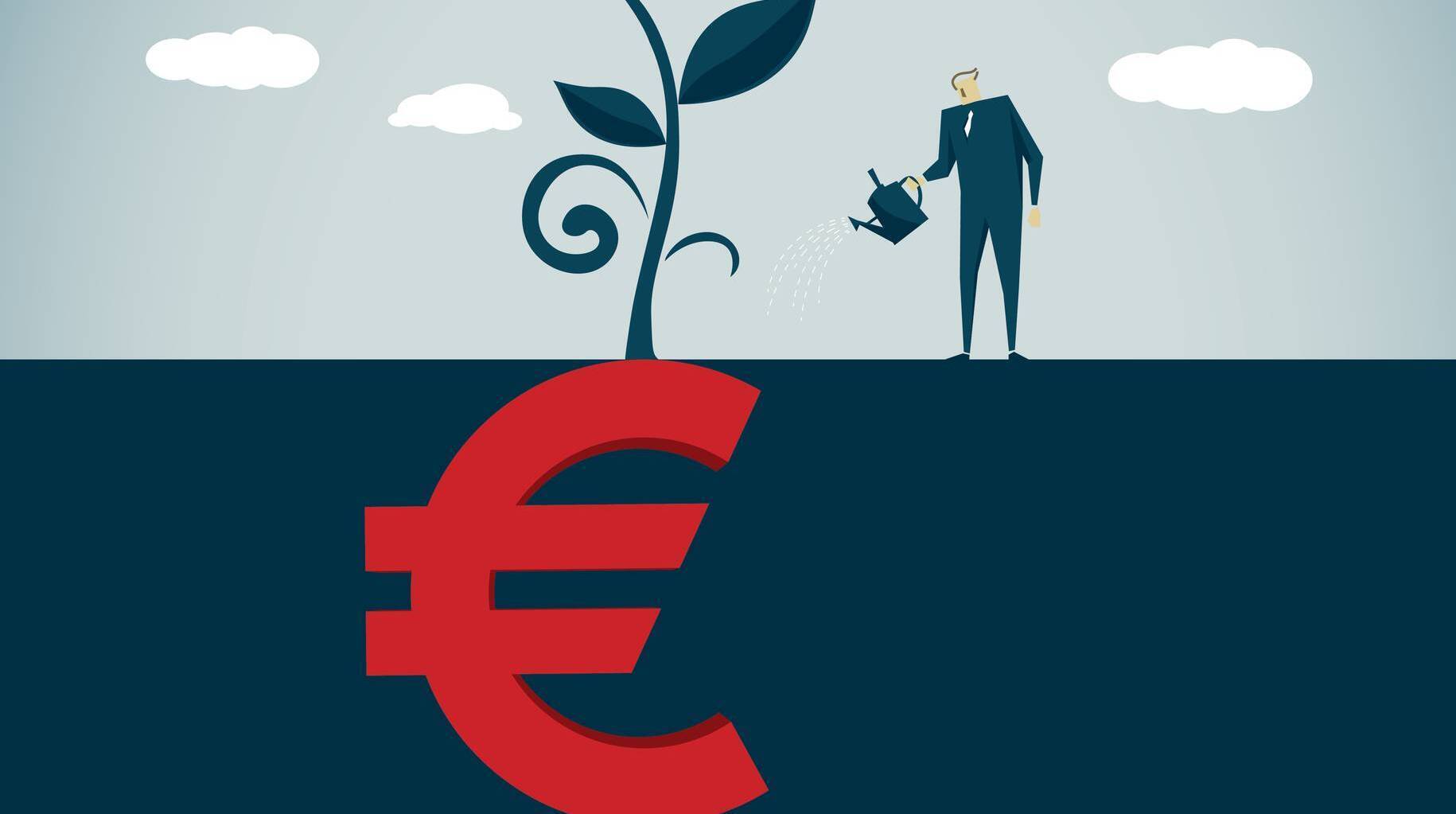
Business founders frequently find themselves in a Catch-22 situation. They have a great idea with real commercial prospects but don’t have the money to turn it into reality and the business doesn’t have assets or revenue to support borrowings or attract equity investors. That’s where seed capital comes in.
Ireland’s growing seed capital sector relies on a range of State supports for these high potential start-up enterprises which can help them get to the point where venture and other investors will sit up and take notice.
Ireland has developed quite a sophisticated start-up funding ecosystem over the past decade, with founders now able to access support from pre-seed through to growth-stage investment, although, as always, there is room for improvement, says Tom Early, head of new investments at Enterprise Ireland.
“However, funding alone is not what drives successful outcomes,” he notes. “The companies that scale successfully are typically those combining strong founder capability, clear customer demand, investor readiness and access to experienced mentors, investors and international networks.

“The continued challenge for Ireland is to increase the availability of private capital while ensuring innovative founders can access the expertise as well as the funding needed to grow globally.”
Seed stage is seen by many as the most challenging area of the fundraising, as it is often only the indication of promise in the product and team, says Claire Carroll, head of venture funding, at Enterprise Ireland.
“It is unlikely that stakeholders will ever say it is easier. There are, however, more opportunities to reach private investors through networking and pitching events, to use the Employment and Investment Incentive Scheme (EIIS) as an incentive for private investors, Seed stage funds are increasing in size, and more international funds are looking at Irish companies.
“Importantly, Enterprise Ireland introduced the Pre Seed Start Fund (PSSF) scheme with up to €100,000 available at the very earliest stages. This allows founders to unlock other private capital or to achieve some milestones which can be used to bring in next stage investors to a seed round.” The challenge to funding is often not securing initial funding but demonstrating enough traction to justify a larger institutional round, says Early.
“What we are also seeing is a lot more bridging rounds to get to series A to the proof points – partially that there were high valuations put on companies a few years ago and companies need to grow into those values now.”
Founders find every stage difficult as the amounts to be raised typically increase and fresh investor capital must be sourced each time, agrees Carroll. “There is evidence that the Series A stage has become more difficult in the past three to four years with investors demanding higher growth rates, increased levels of sustainable ARR (annual recurring revenue) and resilience of technology to meet the dynamically changing digital environment caused by AI.”
It will always lend credibility to an idea when there is demonstrated awareness of the market being addressed, having worked in the space and understood challenges to stakeholders will be expected, says Carroll. “Understanding how much capital they will need to get from milestone to milestone and probably doubling this. Understanding where their capital will need to come from, can it be sourced locally or is their project so niche that perhaps international investors or trade will need to be involved. How the team brings rounded skills to the business.”
Investors rarely expect perfection, but they do expect founders to understand the risks in their proposition and have a credible plan to address them, explains Early. He points out that professional investors might sometimes say that a company doesn’t need to give them a business plan to raise money but a company still needs a business plan to cover off all aspects of a business, not just the areas they are comfortable with, to give investors the information they want.
Carroll says there is a continued need for private capital in the Irish market. “Internationally, and notably in the US, the world’s most developed start-up market, the breadth of investors is extensive whilst in Ireland and generally in Europe it is much more reliant on States to cornerstone funds and provide early seed investment. It is very important that larger pools of capital, such as through pension funds, can be brought into the market.”