Touched by an angel

The right angel is worth far more than the cheque, bringing contacts and credibility. Picture: iStock.
Angel investors are a key part of the funding ecosystem for early stage ventures, providing valuable business expertise as well as cash.
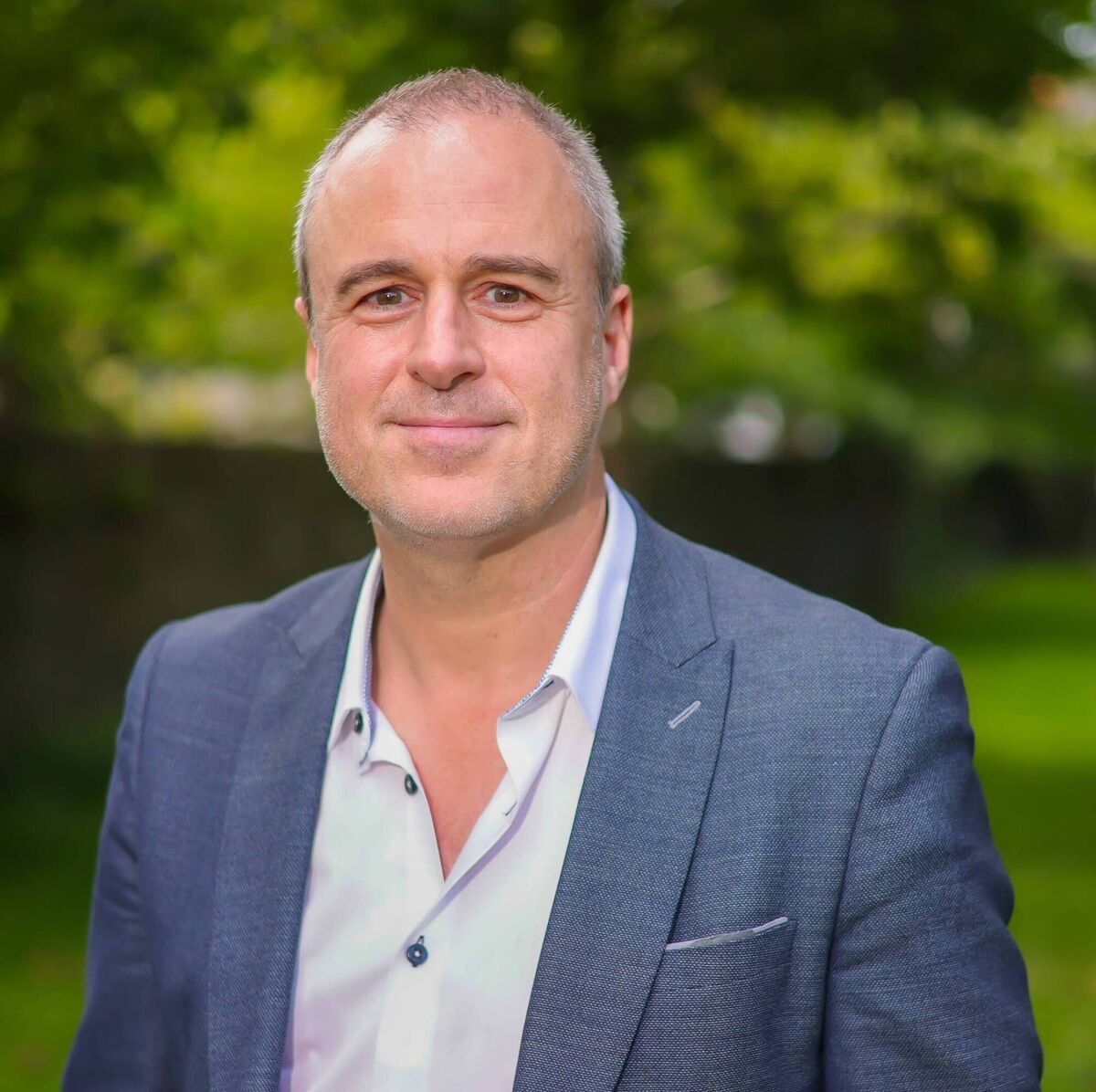
One man who knows a lot about angels is Richard Watson. Aside from his role as chairman of the Irish Venture Capital and Private Equity Association (IVCA) and managing partner of Furthr VC, Watson has co-invested with angels on dozens of deals over the years.
Angels, he says, are usually people who have built or run successful businesses themselves, backing companies with their own money at the earliest stages, generally at pre-seed and seed stages, often before venture capital funds get involved.
Cheques, he notes, typically range from around €25,000 to €250,000, sometimes more, in return for equity. Many invest through syndicates like Irrus Investments or the Medtech Syndicate, pooling cash and know-how to write bigger cheques, share the due diligence and spread the risk.
“The money matters, but the best angels also bring contacts, credibility and hard-won advice or ‘smart money’, with many taking a board seat,” he says.
So how should a business go about attracting angel investment? Watson says clear communication is a vital first step.
“You need to articulate clearly what problem you’re solving, why your solution is different and better, how big the prize is, and why your team is the one that will win. Build the relationships before you need the money, angels back people first. Get in front of them through the Halo Business Angel Network (HBAN), the accelerators, Enterprise Ireland, IVCA events and warm introductions. Have your house in order, including a sharp deck, a proper financial model, and a clear ask – and be straight about the risks. Trust is everything this early, and traction and honesty open doors that hype never will”.
Angel investors are aware of the high risk nature of their investment so they are interested in those ventures that can match that with outsized returns, he says.
“They’re hunting for the company that can return 10 times their money. Across a diversified portfolio the experienced ones aim for north of 20 per cent a year, but that usually comes from a couple of big winners, not steady gains, and it can fall well short when winners don’t materialise. Exits are slow, often seven to 10 years, and angel money is locked up in the meantime. Employment and Investment Incentive Scheme (EIIS) relief takes the edge off the downside and angel investors go in expecting surprises, not a smooth ride.”
The EIIS provides income tax relief of 35-50 per cent, which is a valuable incentive to angel investors, notes Elliott Griffin, founder and director of Business Venture Partners (BVP). In addition, they can co-invest alongside other angel investors in a syndicate, potentially benefiting from a broader base of investment experience.

He agrees with Watson that angels generally look for a tenfold return, knowing that parts of their overall investment portfolio will tank. “An investor takes a small stake in the company rather than a controlling stake. They are not lending money to the business, so if it doesn’t work out, they can lose everything. Across a portfolio, an investor might be looking to generate two to three times their overall investment,” he notes.
In this high-stakes environment, disagreements between founders and angels are not uncommon.
“Clashes sometimes happen, usually over strategy, spending, hiring or the pace of growth. The healthy ones get sorted by honest conversation and both sides keeping their eye on building value,” says Watson.
“Good governance heads off most of the rest, with clear expectations, a proper shareholders’ agreement, defined roles, all agreed at the outset. In the event of a serious falling out, the agreement in most cases provides the framework for resolving it, and occasionally an angel is bought out. But the real lesson sits upstream, in picking the right investor. The right angel is worth far more than the cheque, and the wrong one can be costly.”
An honest approach always pays dividends in these situations, Griffin adds.
“The best way to avoid clashes is to get to know your investors before taking their money and to establish clear expectations through a shareholders’ agreement. If the business changes direction because of customer feedback or technical setbacks, the founder should keep investors briefed. The worst thing is for a change in direction to come as a surprise. Ultimately, these investors have backed you and have a piece of your business. You need to back up their trust by communicating with them.”