Limerick staycations: Creativity without conformity
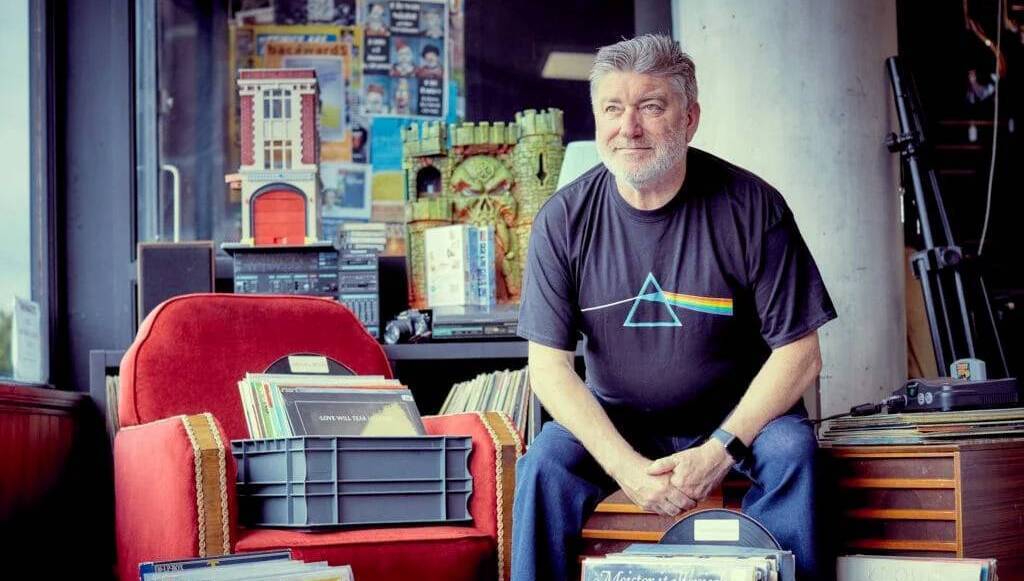
Pat Shortt in a scene from Wreckquiem by Mike Finn, one of the many cultural attractions drawing visitors to Limerick in recent years. Picture: Maurice Gunning
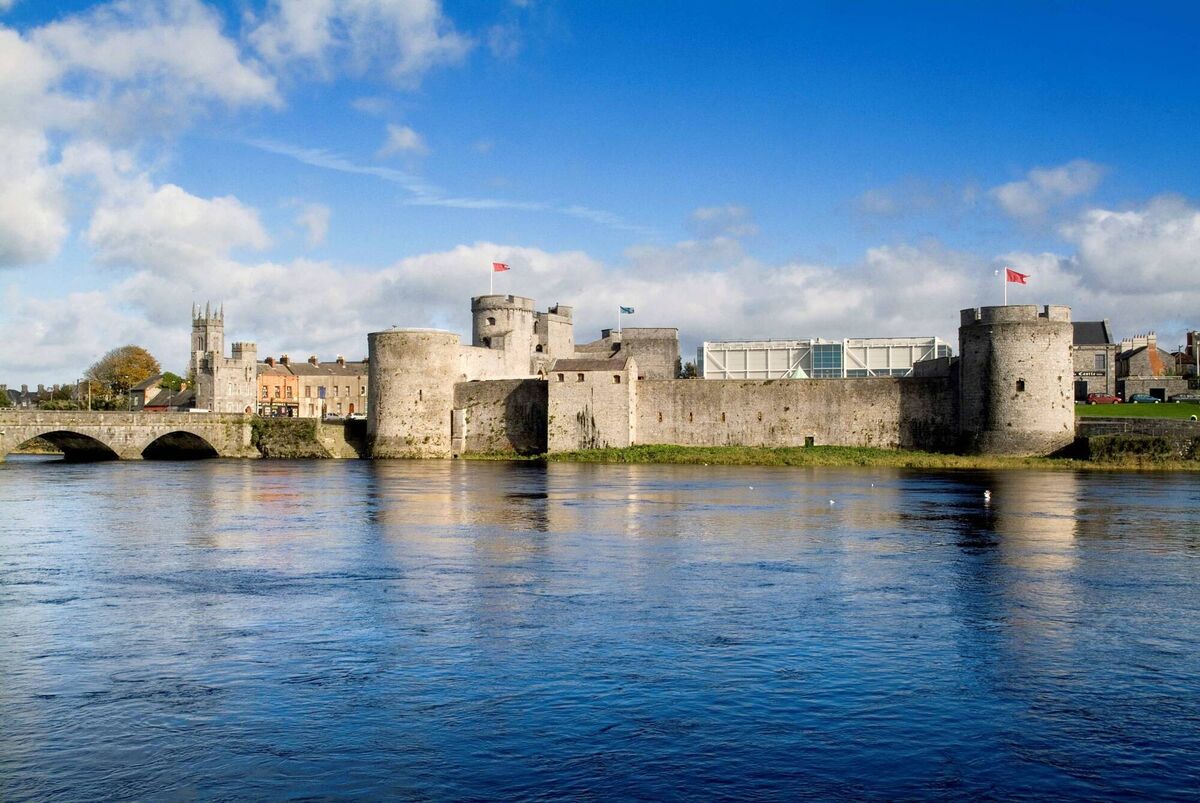
“If the herd goes right, then here, we go left.” You’d be hard-pressed to find anyone more enthusiastic about Limerick than Stephen Cunneen, owner of Treaty City Brewery, located in the Medieval Quarter opposite the castle named for Robin Hood’s nemesis, King John.
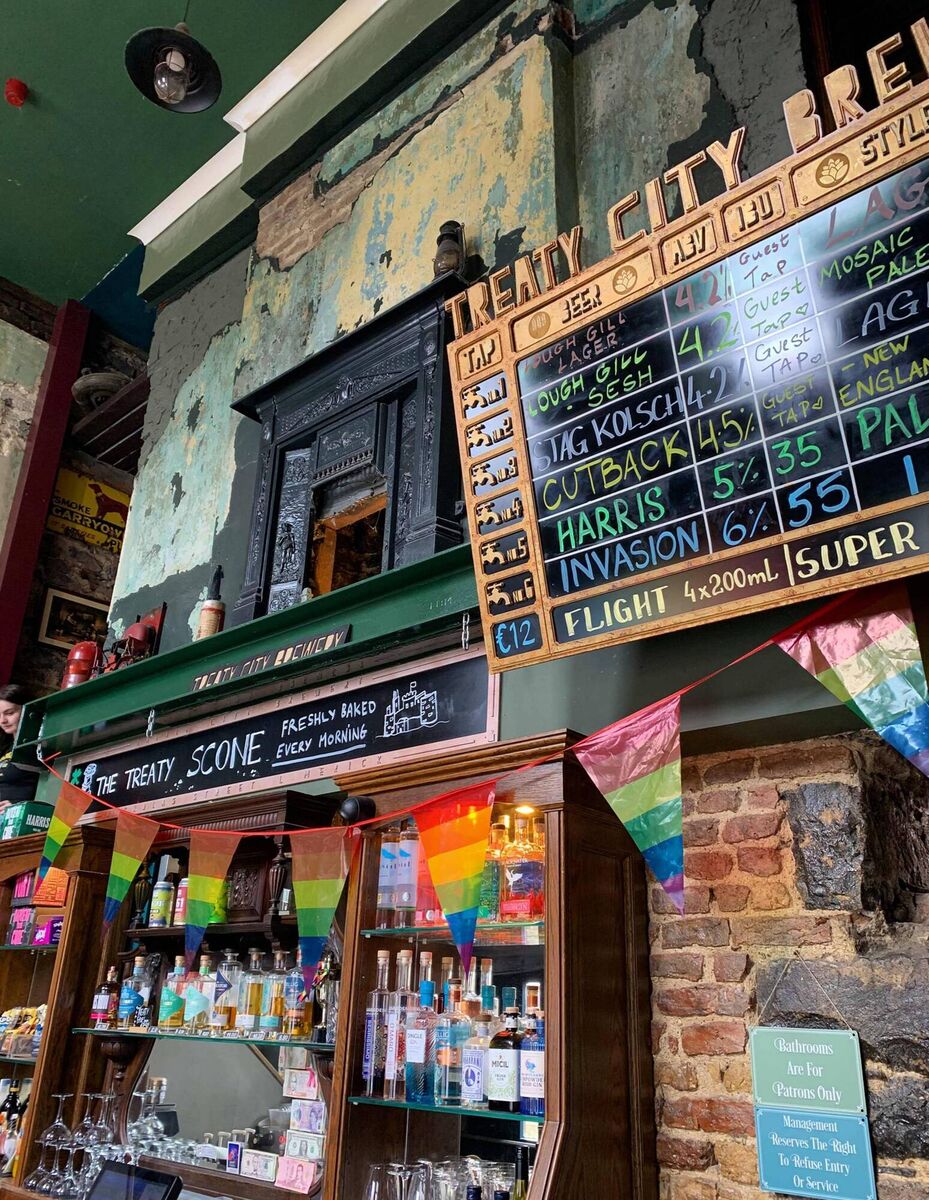
Surely one of the city’s coolest cultural hubs, the property’s deconstructed interior is a mind-bender, featuring furniture and materials salvaged from derelict buildings or acquired from charity shops, homes and local businesses. Not only does it allow the brewery to double as a living museum of sorts, but it also perfectly encapsulates locals’ insistence on marching to the beat of their own drum — a spirit more important than ever in this increasingly homogenised and sanitised world.
In addition to the unique alcoholic offerings, many of which are proudly named after local expressions such as Chillax to the Max and Makin’ Shapes, there are lazy jazz sessions every Sunday, performed by up to 12 musicians, along with occasional DJ sets. (The DJ box is made from a collection of repurposed materials, including a piano, dresser and mirror, and looms over the brewery tanks.)
“Limerick has always had potential and today, it’s being met,” Cunneen tells me with a smile. “There’s confidence in the air, and that has a lot to do with the arts.”
He acknowledges the widely reported challenges Limerick faced in the 1980s and 1990s, including the stigmatisation and devaluation of working-class communities. However, in recent years, the city has capitalised on the earlier success of local stars, from Richard Harris and Frank McCourt to Dolores O’Riordan, to become a key player in Ireland’s cultural scene. And it has done so without sacrificing its “edginess”.
“He
re, there’s a seductive mix of old-school working-class energy and new-school international assurance,” he says, before referencing the appearance of The Rubberbandits’ Blindboy on The Late Late Show in 2023.
“Today, we can have a local, who’s wearing a plastic bag and speaking in a thick Limerick accent, holding a conversation with one of our main broadcasters on the biggest show in the country. For us, that’s incredible.”
While Cunneen praises Shannon Airport, pharmaceutical companies and the various third-level educational institutions for their role in Limerick’s resurgence, he insists that the credit largely belongs to the local people.
“We’re doing our own thing here — we’re mavericks, we’re diverse. And if that appeals to visitors, we are more than happy to welcome them here and join us.”
Another Limerick resident deserving praise for his role in the city’s flourishing cultural movement is Mick Dolan, owner of his eponymous bar and restaurant. The mere mention of his name draws a smile from everyone I meet.
The three-stage venue, standing tall at the docks in the city’s south-west, has welcomed some of the world’s biggest acts since opening in 1994, including musicians and comedians such as Franz Ferdinand, Mumford and Sons, Duffy and Flight of the Conchords. The Cranberries regularly rehearsed here, too.
“I have loads of stories that would make a great book,” he jokes as we explore the sprawling, multi-level space. “But it won’t be released until after I’m gone; otherwise, I’ll be sued.”
Dolan says that for years many people regarded Galway as the west’s main cultural hub, but contends that Limerick is more than holding its own today.
“When I first moved down here from Dublin, there were times of the year when there wasn’t much going on — now, there’s something every week. Dolan’s is actually booked up until 2027.”
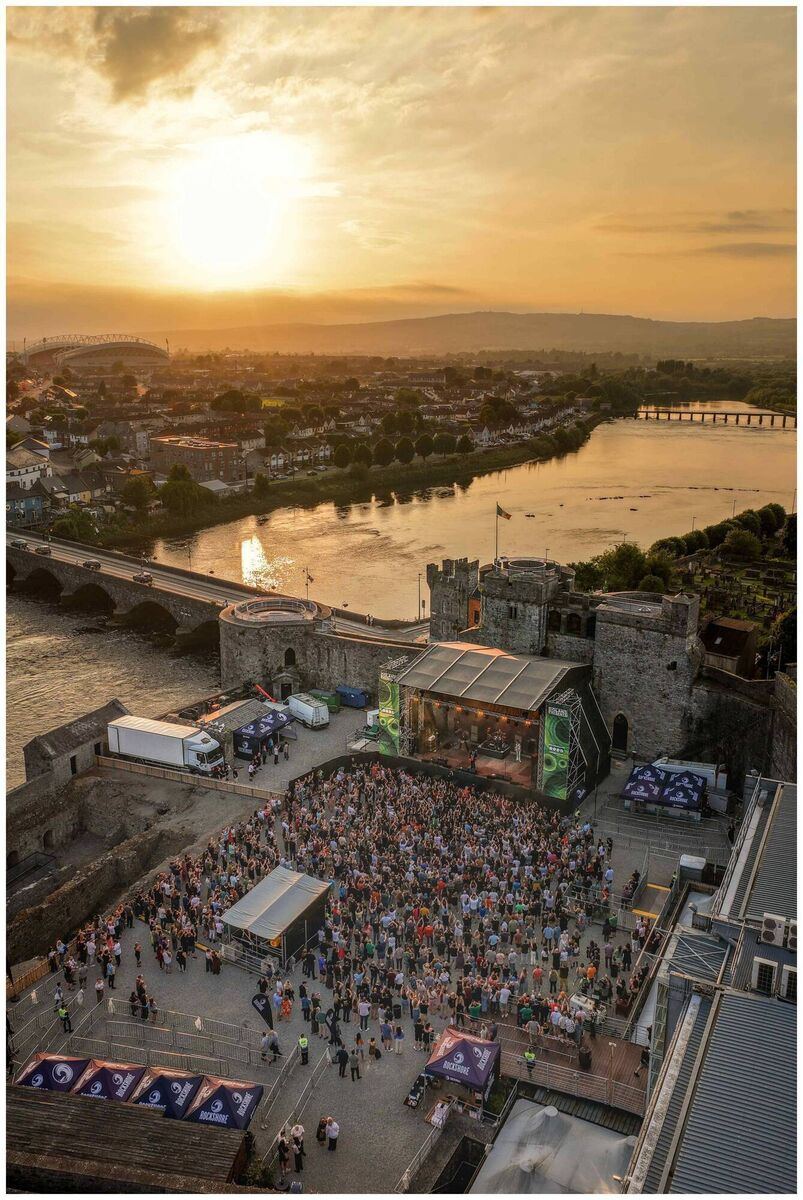
Building on this success, Dolan regularly organises performances across the city, including at the castle and along the docklands. This winter, a slew of acts will take to the stage in the unique, multi-mirrored Spiegeltent.
Another venue he uses is the Milk Market, a Limerick institution famed for its Saturday farmers’ market. Dolan says one of his fondest memories is a concert Sinéad O’Connor performed there in 2019, which sold out in under three hours. Poignantly, it became her final concert in the city.
“She was even planning to return to perform in the castle, but then tragedy struck. She loved it here — all the performers do.”
Local arts practitioner Ella Daly has ample experience collaborating with these performers, as well as many talented directors and writers. One of her professional highlights was producing Bread Not Profits, a large-scale, site-specific theatre production commemorating the centenary of the 1919 Limerick Soviet strike against the imposition of martial law by the British army. The award-winning piece was written by Mike Finn and directed by Terry O’Donovan.
More recently, she produced Wreckquiem, also written by Finn, about a record shop at the heart of a community of misfits under threat from developers. Its talented cast included Pat Shortt of D’Unbelievables fame.
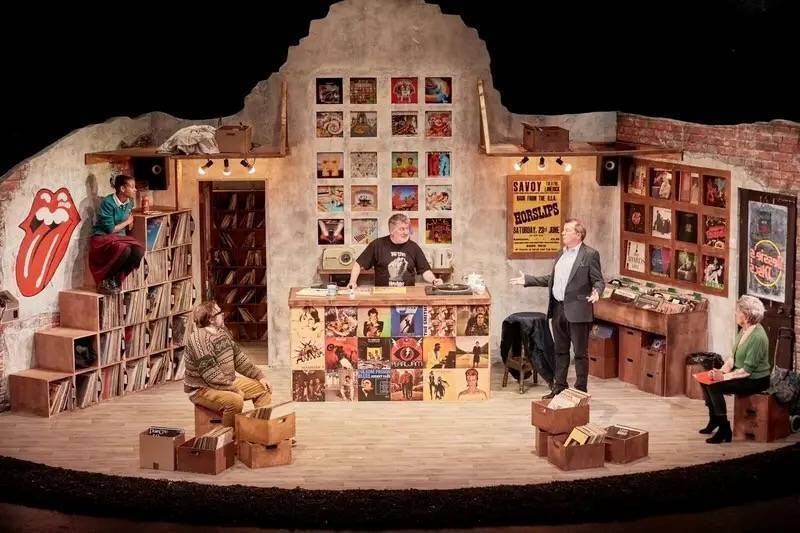
“There’s a real focus in Limerick on the voice of the everyman, the voice of the people,” she explains when discussing what distinguishes the city’s theatre scene from other regions across the country.
“There’s pride in who we are and a real sense of identity. We don’t need to be talked down to or talk ourselves up to other people.”
Daly believes this long-standing defiance fuels theatre makers, not only in their refusal to be overlooked when it comes to funding and media support, but also in the stories they tell. “Because we’re always fighting to get productions made, there’s a sense of striving in our work that I think makes it stronger.”
Daly is also a producer at the Limerick Literary Festival, which builds on the county’s rich storytelling heritage. It takes place on the last weekend of February, when invited authors from around the globe read their work and join conversations with audiences. Central to the event is the honouring of the work of Kate O’Brien, who was born in Limerick in 1897.
“Her work was banned in Ireland,” Daly explains. “She didn’t live in Ireland for long because she was too outspoken in her work, depicting people breaking away from the traditional Irish family.
“But she also wrote about her longing for home, for this place, and for all the good along with the bad.”
The festival’s programme isn’t limited to fiction. It also serves as a platform for journalism, poetry, short stories and biographical writing. A highlight is the Kate O’ Brien Award for a debut novel or a collection of short stories by an Irish female author.
“It’s really about honouring those women who have put themselves out there and published their first book, and to help them sustain their practice.”
Community is also at the heart of the Hunt Museum, the personal collection of art dealers and antiquarians John and Gertrude Hunt, accumulated between the 1930s and 1960s. Complementing its trove of global treasures from the Neolithic era to the Viking period — as well as works by renowned artists including Jack B Yeats, Renoir and Picasso — is an inspiring ethos of engagement with local groups.
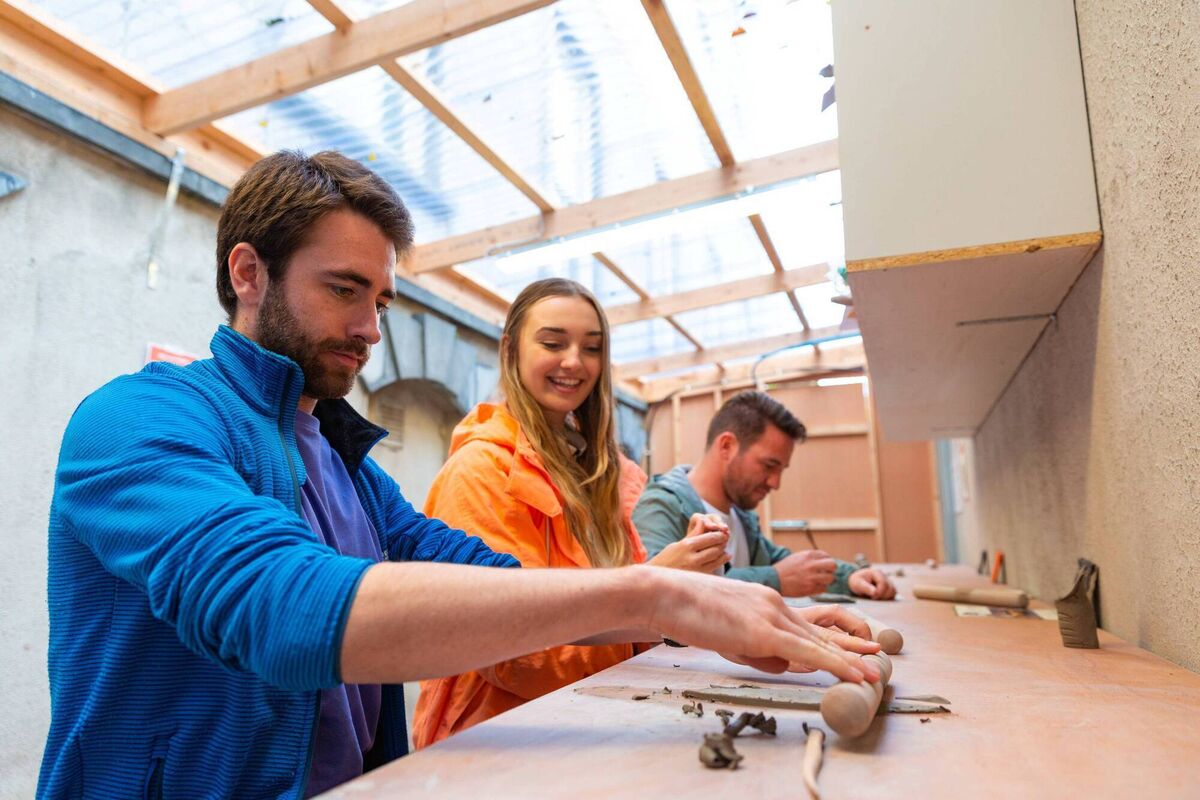
Teresa Crowley, director and chief executive of the museum, tells me that they host several exhibitions and displays that reflect what’s happening in Limerick, created not only by professionals but also by community collectives, including Limerick Ceramic Artists and students from transition year, art college and education and training boards.
“They bring their friends and families in — it’s a wonderful way to get people into the museum who might otherwise have felt it wasn’t for them,” she says. “That programme helps to break down any perceived barrier between the community and the museum. We’re for local people, as well as the culturally curious and visitors to the city.”
Another distinctive feature of the Hunt Museum is its docent programme, comprising 45 volunteers, mainly retirees with expertise in art, history and education, who are happy to offer visitors tours of the collections. As a bonus, many beautiful, long-lasting friendships have emerged among them, with regular formal and informal get-togethers organised.
Crowley also notes that she routinely encounters visitors who are surprised by the level of cultural activity here, and she believes the city’s reputation is constantly improving. While praise is certainly due to the “blockbuster” events such as Riverfest, the Hallowe’en programme and Féile na Gréine, Crowley feels that the real cultural magic happens at a micro level.
“They’re doing it in their local pubs and clubs, and quite often it’s not advertised by the city itself. That’s a wonderful scene to engage with. Here, art is created for the love of it. Here, you have the personal touch.
“It’s real and authentic.”
Domhnall O’Donoghue was a guest at The Strand Limerick, a property at the heart of efforts to promote Limerick as a tourist destination. The hotel offers discounts on many of the region’s cultural attractions and landmarks, and the staff are happy to provide support and guidance when compiling itineraries.