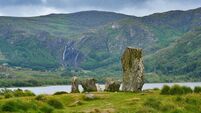
Staycations 2026 Galway, the Venice of the West
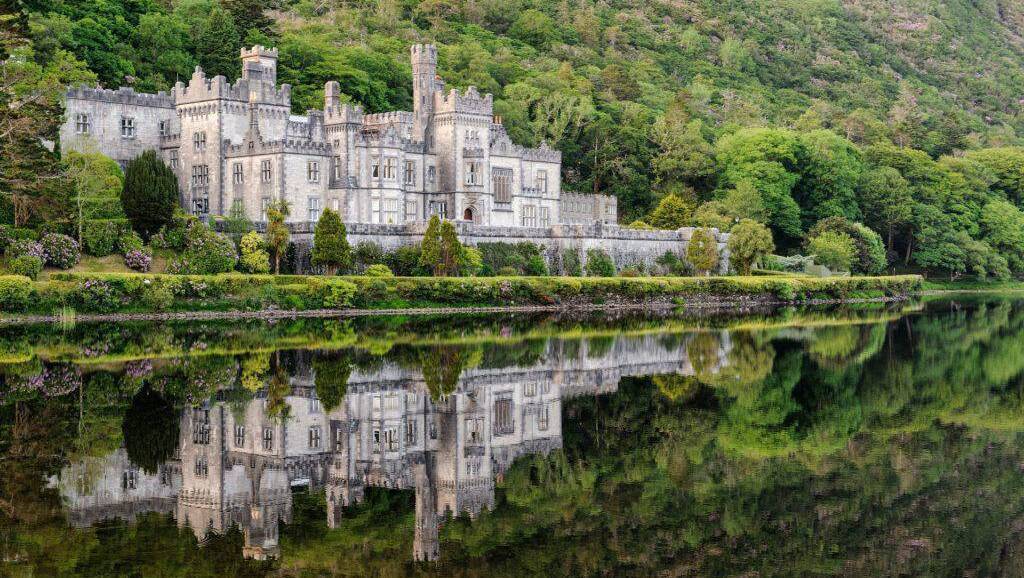
Kylemore Abbey is a beautiful Benedictine monastery and iconic visitor attraction set in 1,000 acres of mountainside in Connemara, Co Galway.
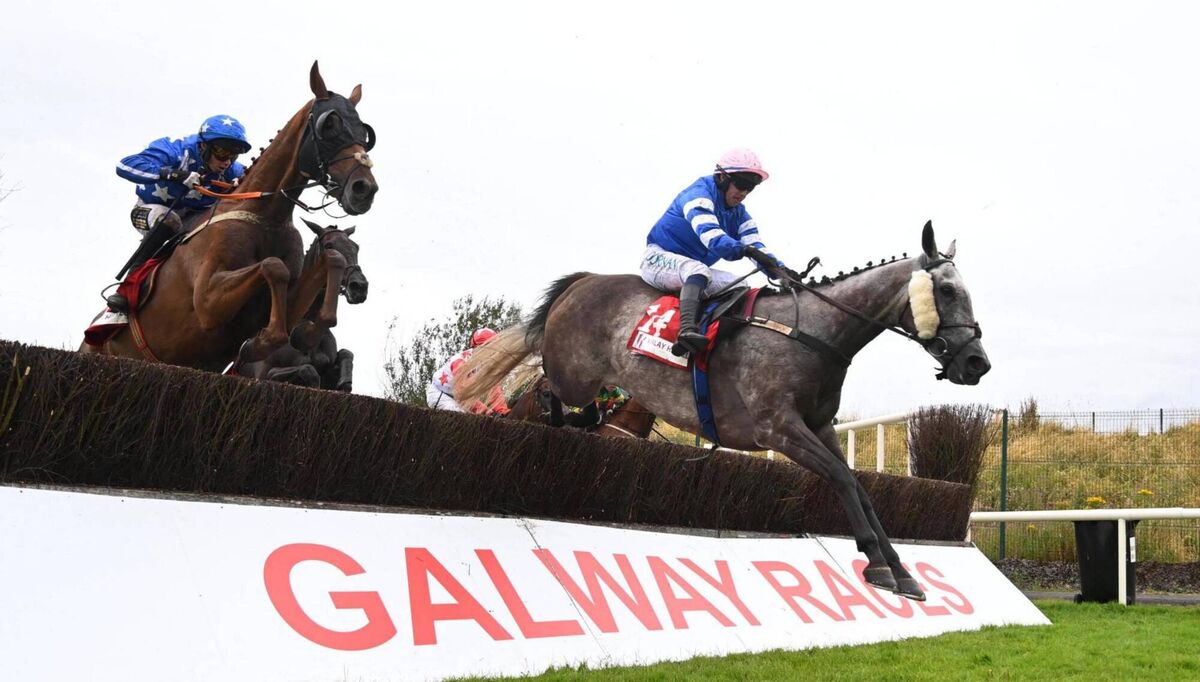
You never forget your first, as they say. For myself it was the Galway Races about 20 years ago – when Ireland was flying high economically and nary a sign of meltdown anywhere to be seen on the horizon.
In the company of a bunch of well-seasoned racegoers who knew every crook and nanny in the City of the Tribes, I let myself be led astray over a long weekend where evening frolics turned to dawn laughter on the sands of Salthill.
Suffice to say, I met at least 50 strangers who became instant friends – and developed my abiding love of Galway, and all of its many charms.
It’s a difficult task encapsulating just what is the magic of this city, but American author Claire Fullerton made a decent fist of it: “There is a feel about Galway you can wear around your shoulders like a cloak. It hangs in the air with its dampness; it walks the cobblestone streets and stands in the doorways of its gray stone buildings. It blows in with the mist from the Atlantic and lingers incessantly at every corner. I have never been able to walk the streets of Galway without feeling some unnamed presence accompanying me.”
And so it is for the many thousands who visit this city and county every year – a place whose everchanging vibe is good for the soul.
Famous for its cultural dynamism, it is a city that fairly bristles with bohemian energy everywhere from its colourful shopfronts, lively street performers, traditional pubs and some of the most unique festivals in Europe.
Playwright Bryan MacMahon described Galway City as “a wholesome, glittering, bright-minded, narrow-ribbed laughing kind of city,” while William Butler Yeats was impressed enough to declare “Galway is the Venice of the West”.
I would agree wholeheartedly with that sentiment, and wonder how the wordsmith WB would find the place in 2026. No doubt he’d sum it up poetically – and add further lustre to his deep affection for the place that inspired so much of his work.
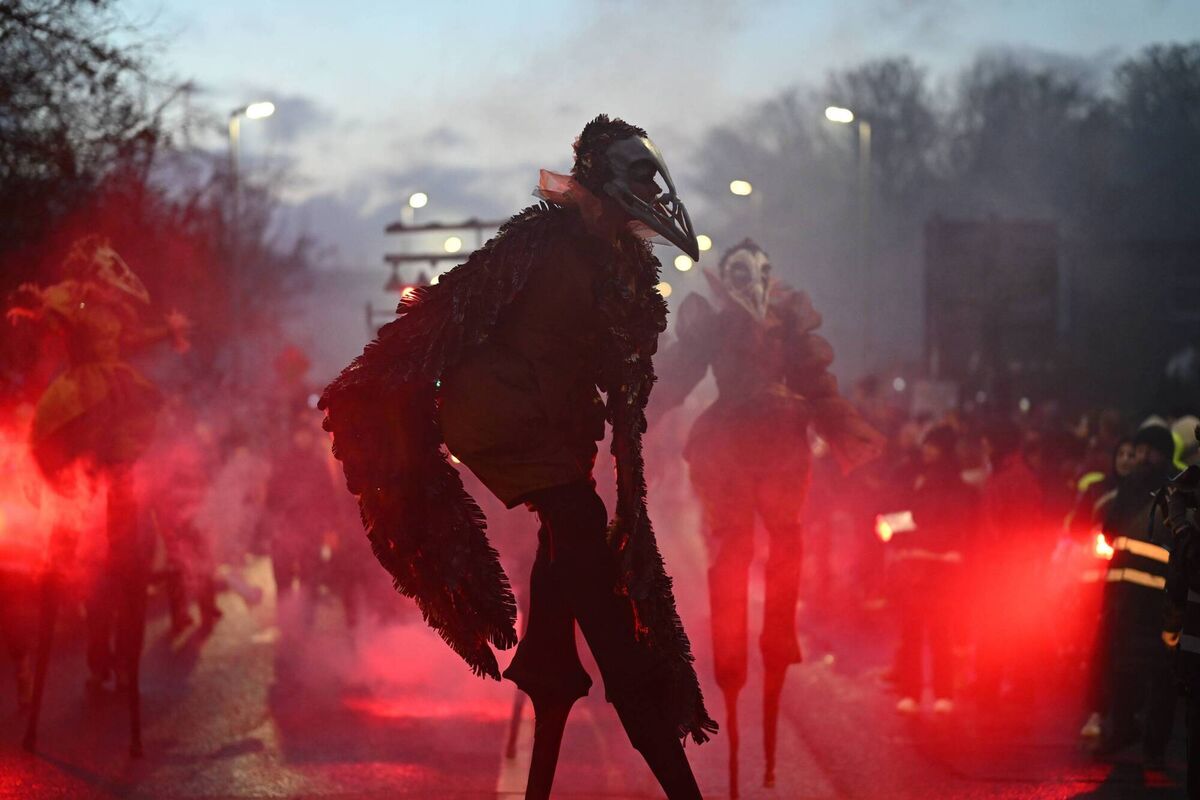
Everybody has their own magical interlude in the City of the Tribes, truly something for everybody in the audience. They range across Galway International Arts Festival in July, the massive Galway Races in late July/early August, the vibrant Galway Oyster Festival in September, and the family-friendly Galway Community Circus and Macnas Halloween parades in October.
While I can still be energised to attend Race Week at Ballybrit, my affections have since been directed toward Arts Week and the many theatrical and film attractions on offer. It’s probably an age thing, but those late night, early morning sessions in the company of horsey folk have achieved a “been there done that” status at this point of my life.
Wandering its medieval alleys brimming with shops enticing the eye toward Aran jumpers and Claddagh rings, it’s easy to forget the real world on a weekend pass or annual vacation. While locals have never lacked for huge pride in their native place, the outside world has also been dazzled by the bohemian vibe that wafts from every doorway.
The Lonely Planet ranked Galway among the Top 5 Cities in the World for 2020, noting “its tangled lanes lined with colourful storefronts curving around the bay, making one of Ireland’s most picturesque cities.”
Underlining how the city’s energetic student population bolstered the vibrant scene, Lonely Planet saw “musicians strike up its atmospheric pubs and busking on its streets, the culinary scene is driven by the abundance of fresh seafood, the jam-packed calendar of events is underscored by the city's bohemian soul. Galway is home to a year-long, city-wide, arty party.”
Not to be outdone, The New York Times dubbed it “Ireland’s most charming city”, entranced by its compact, walkable streets “and filled to the brim with independent shops and restaurants that walk the fine line between cool and kitsch.”
As expected, those Big Apple writers loved the “cozy, old-fashioned pubs that showcase the city’s ever-growing selection of craft beers, chefs serve up west-of-Ireland ingredients in creative new ways, and almost every building housing a modern cafe or new atelier with a centuries-old story behind it” – and rounded out its feature with this advice: “It’s not a city in which to hustle; rather it’s one in which to enjoy a locally brewed pint, relish the excellent seafood and get your fill of views of the rushing River Corrib as it sweeps out to Galway Bay.”
No arguments from this writer on that good counsel.
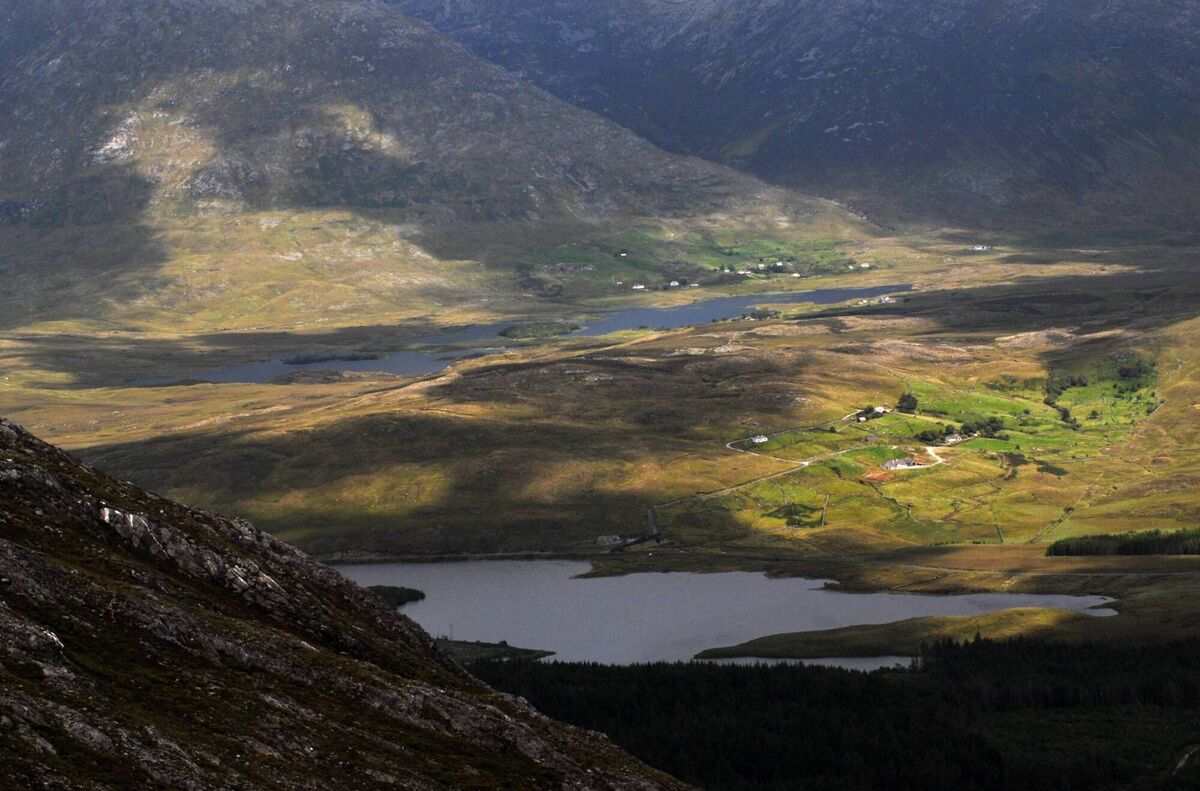
But, of course, Galway is about more than just the city and its buzzing streets. The county also incorporates a vast territory on all points of the compass. The hillwalker in me can never resist exploring the rugged Connemara National Park and its 2,000 hectares of mountains, bogs, heaths and grasslands.
Some of its peaks include Benbaun, Bencullagh, Benbrack and Muckanaghtb – all part of the famous Twelve Bens or Beanna Beola range. You will likely encounter the famed “four seasons in a day” at any time of the year – but will come away with magical memories regardless of the climatic pain endured.
One vivid afternoon etched in my memory happened back in 2010 as we made our way down the Maumturks range – all going well until one of our party popped out his contact lens. There we were, 8 of us, moving in a line across squelching bogland, all eyes firmly fixed on the ground – it could have passed for an episode of CSI Connemara.
We did find the elusive lens eventually though – and celebrated the event with a rousing evening of caint agus ceoil back at the hostel. If mountain endeavour is not your thing, there are many alternatives, including the fairytale Kylemore Abbey, driving the well-named Sky Road near Clifden, or ambling about the charming village of Roundstone. The combination of traditional music and glorious seafood straight off the trawlers will captivate anyone who goes to that beautiful village – guaranteed.
Of course, the very mention of Galway to many people will immediately evoke memories of a certain kind of music and a band that has long since passed into county folklore.
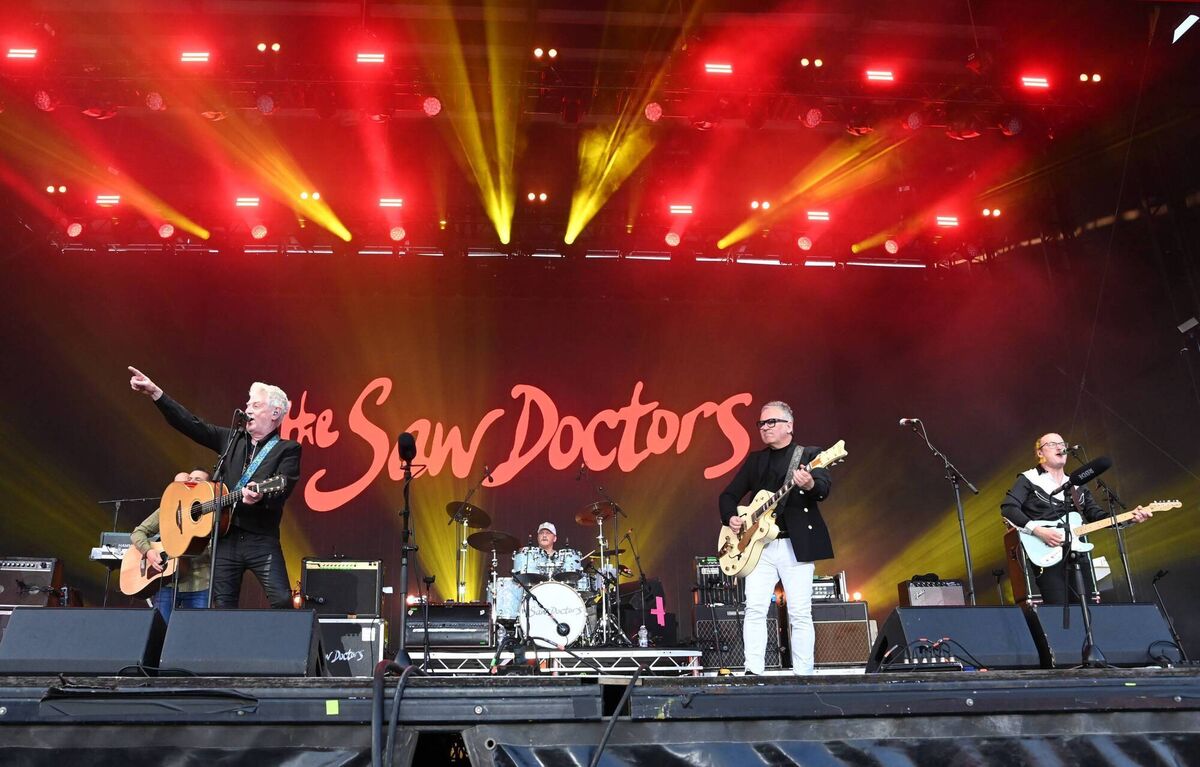
The Saw Doctors band have a musical heritage closely linked to the City of the Tribes – and one shortly to find itself part of a new theatrical experience. A musical theatre show called Shamtown is set around the life and times of the band, mixing stories, memories and songs from the halcyon era of the late 1980s and early 1990s. Taking its title from the affectionate local slang for Tuam, hometown of The Saw Doctors, the show will follow the exploits of this group of ‘shams’ and how they went on to conquer Ireland and the world with hits like N17 and Red Cortina.
The brainchild of Saw Doctors' manager and Galway Arts Festival founder, Ollie Jennings, the show also has the input of theatre director Andrew Flynn and musical director Carl Kennedy.
“I had been thinking about this show for years,” Ollie explained. The early seedings of Shamtown date back to the Covid lockdown, when he began collecting anecdotes from those connected with the arts and music scene of Tuam and Galway during that transformative period.
“I was fortunate enough to meet up and chat with people who wanted to tell me their stories – and there were so many anecdotes and memories all revolving around what is essentially the story of Tuam. I knew I could showcase it alongside the soundtrack of the songs of The Saw Doctors.”
Set in the 1980s when Tuam blossomed with emerging bands – until the recession changed the scene, especially when the Tuam Sugar Factory closed and the migration from the West to Dublin and overseas began as young people left rural Ireland in search of a better life. But even in those dark days of growing dole queues, the back room of the Jersey Bar witnessed what would go on to become a national movement.
With fiddles, guitars and mandolins accompanied by free pints after the witching hour, two young songwriters, Leo Moran and Davy Carton, started singing about the Presentation Boarders, first love and wishing they were on the N17. Songs like To Win Just Once, Same Oul' Town, Clare Island and I Useta Lover formed the core of a band that would conquer Ireland and much of the world.
The story culminates with their triumphant homecoming at the legendary West’s Awake Festival in Tuam Stadium in 1991, a landmark event that remains etched in local memory. Shamtown opens at the Mick Lally Theatre on Druid Lane in November – and I will be there on opening night, celebrating another magical event that’s sure to become yet another reason to visit this beguiling and ever-changing City of the Tribes.