Slow roads and sea air: A motorhome journey in the sunny South-East
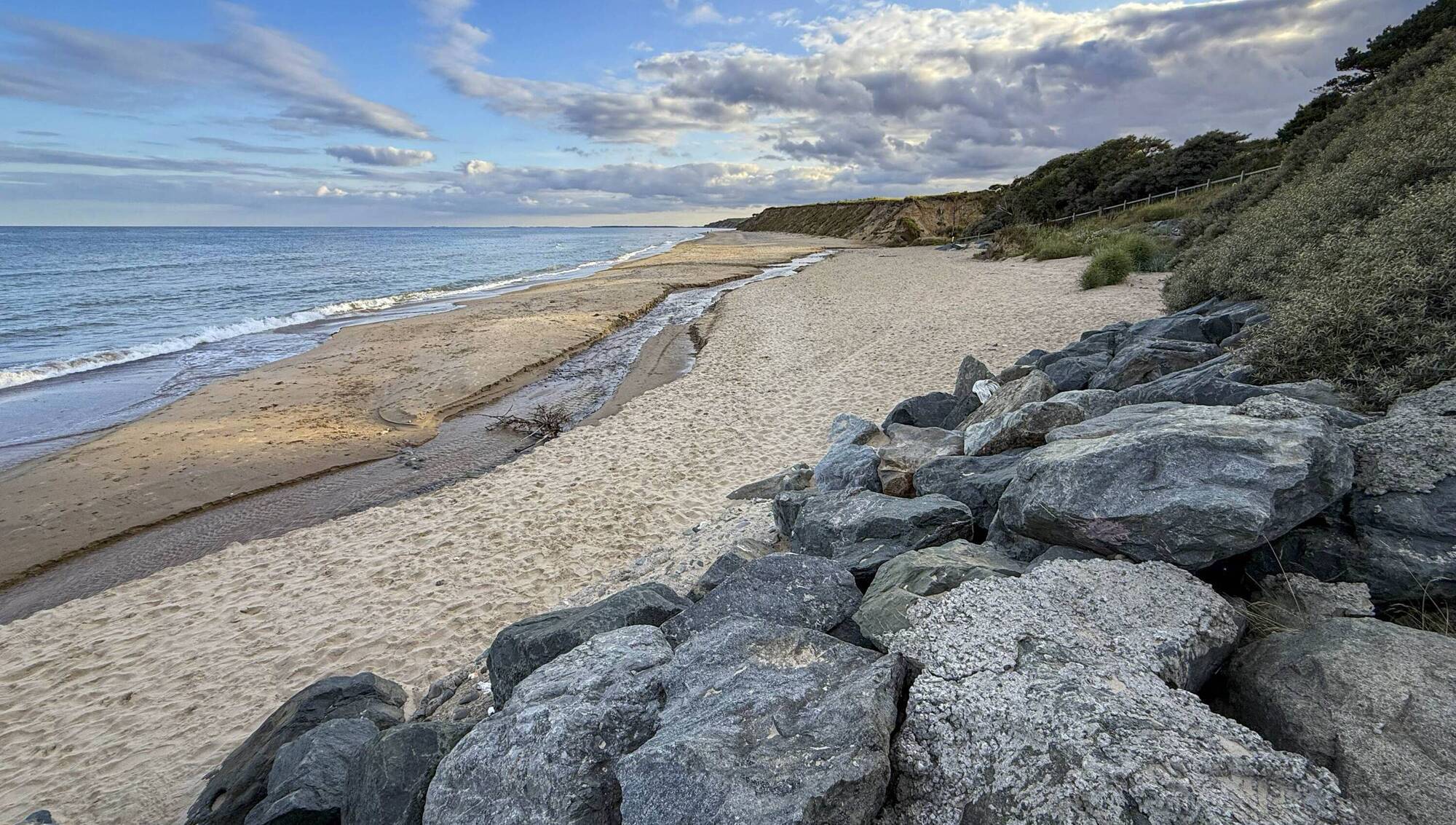
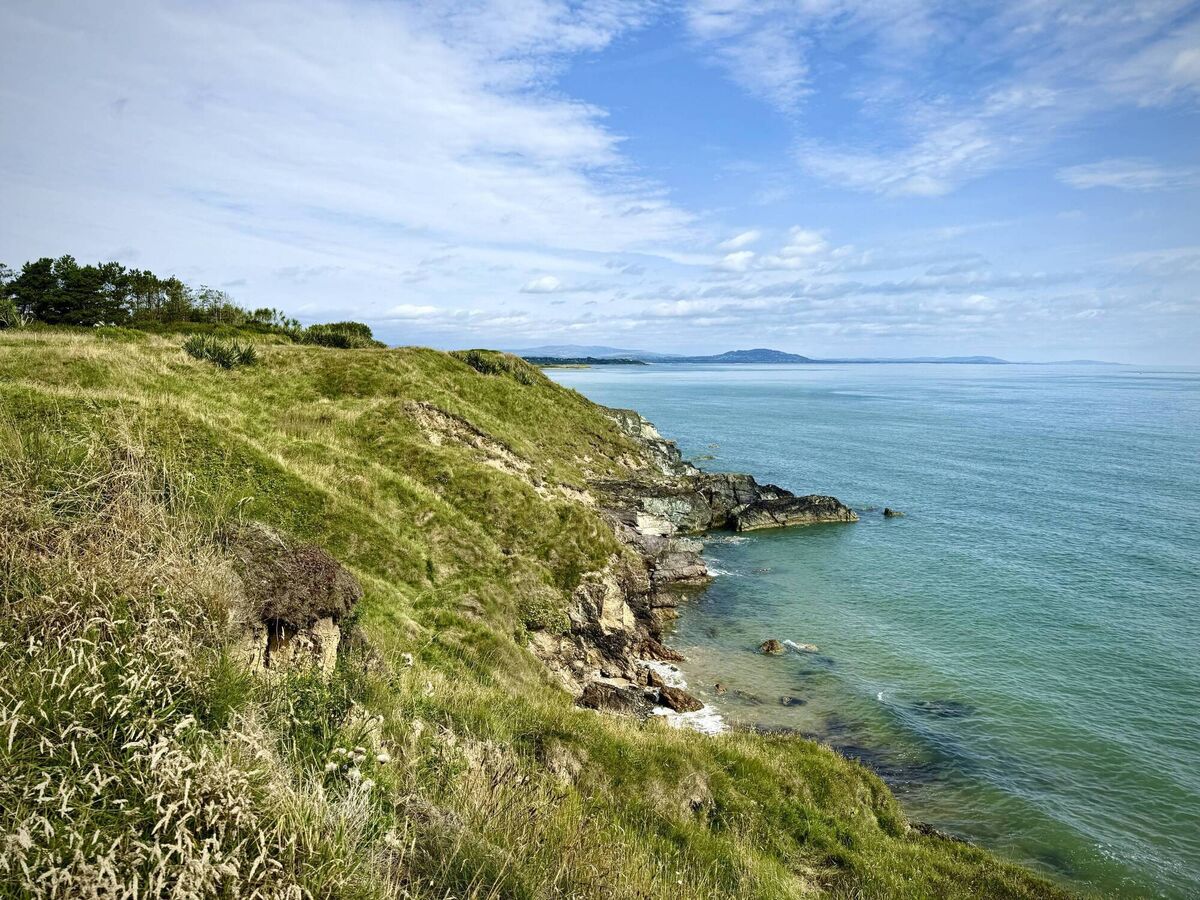
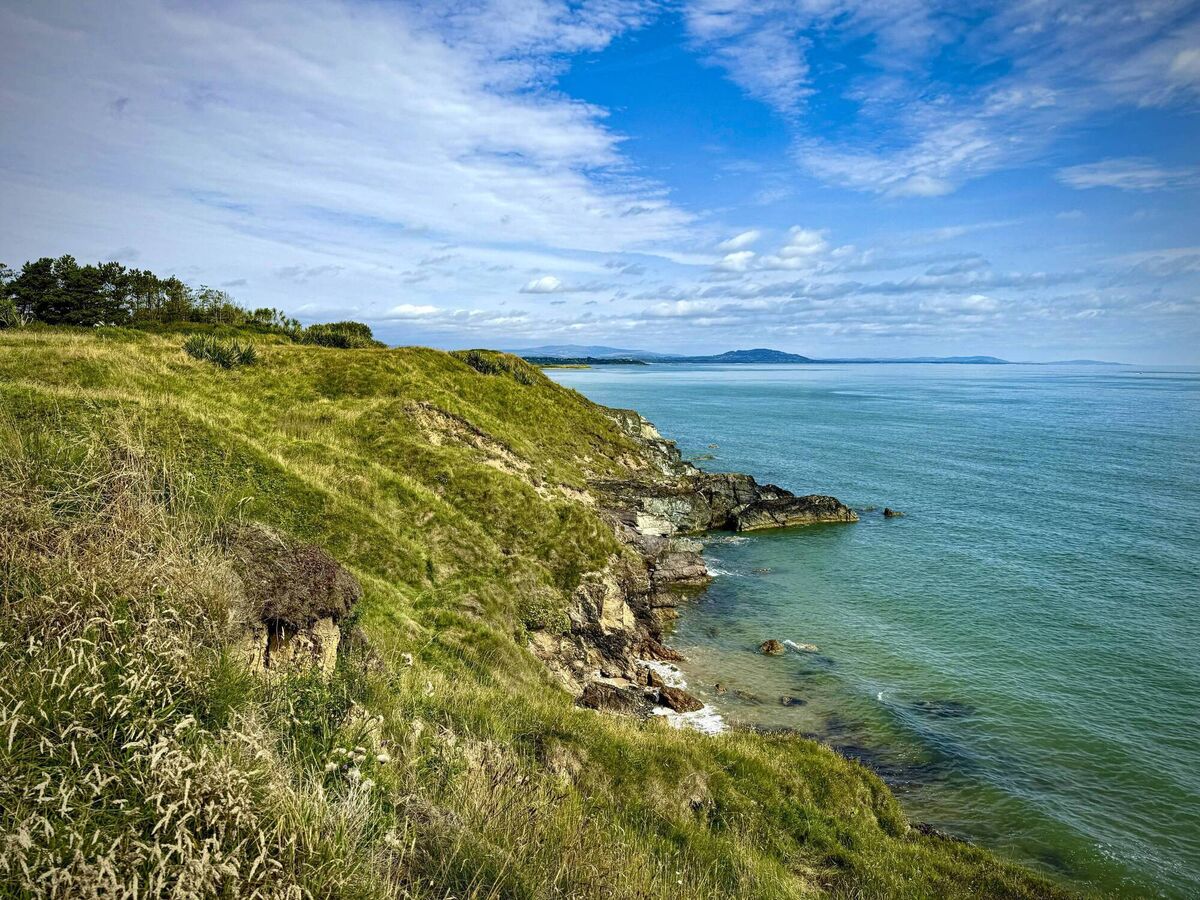
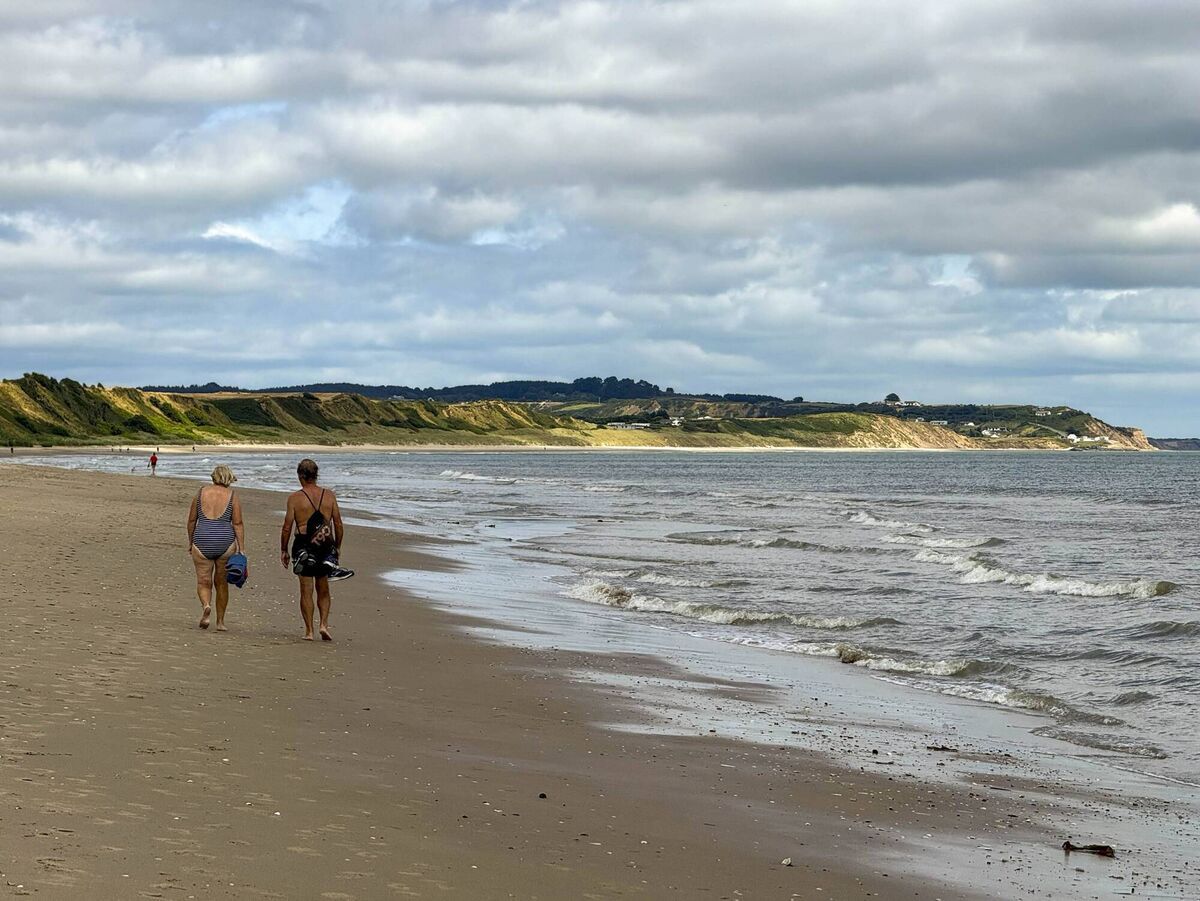
Spectacular South-East: The coastland at Killincooly, Co Wexford. Photos: Noel Campion
There is something deeply satisfying about a road trip that takes its time. Our motorhome journey from Cork to Wexford last summer was not about rushing from point A to point B, but about slowing down, breathing in the fresh air, and exploring some of the best coastal scenery the south east has to offer.
One thing we always do when travelling by motorhome is bring our electric bikes on the back. Once we park up, they become our favourite way to explore. You get all the joy of cycling outdoors, the fresh air, the freedom, and the sense of discovery, but without the pain that can come with long distances or steep climbs. You still get plenty of exercise, but for those of us who are not as fit as we would like to be, it makes exploring much more accessible and enjoyable.
Our first proper stop was Dungarvan in County Waterford. It is a town that always feels welcoming, with a lively centre full of great shops, cafés, pubs, and restaurants. After parking the motorhome, we hopped on the bikes and headed for the Waterford Greenway. Cycling along the old railway line is a joy. It is traffic-free, peaceful, and packed with stunning views of the coastline and rolling green countryside. The combination of sea air, open landscapes, and quiet paths makes it one of the best cycling experiences in the country.
After the cycle, we stopped back in town for a fresh coffee and something to eat. Dungarvan is the kind of place where it is easy to linger, watching the world go by before setting off again.
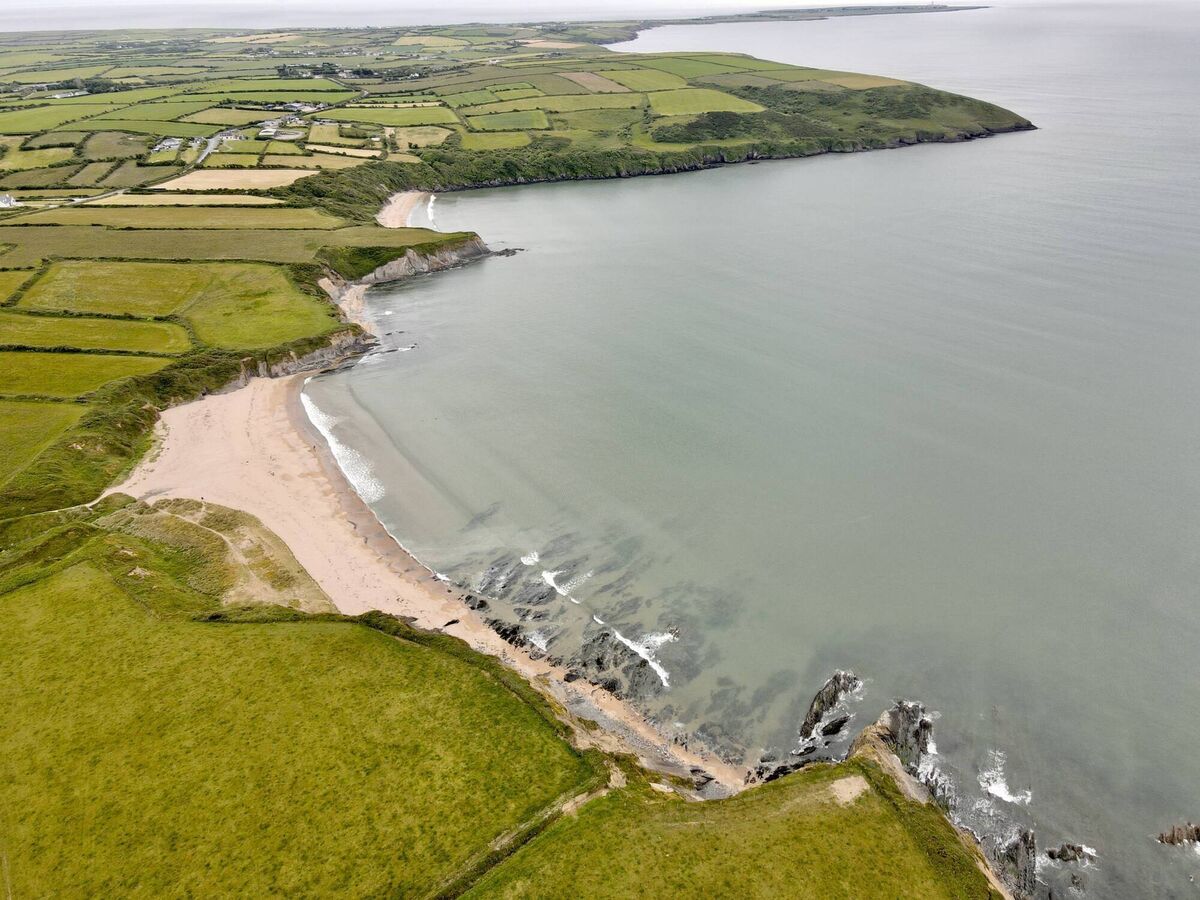
From Dungarvan, the drive along the Copper Coast is a journey in itself. This stretch of coastline never fails to impress, with dramatic cliffs, hidden coves, and constantly changing views of the Atlantic. One of my favourite stops along the way is Kilfarrasy Beach, a sheltered sweep of golden sand backed by rugged cliffs. It is ideal for a quiet walk, a few photos, or simply sitting and taking it all in.
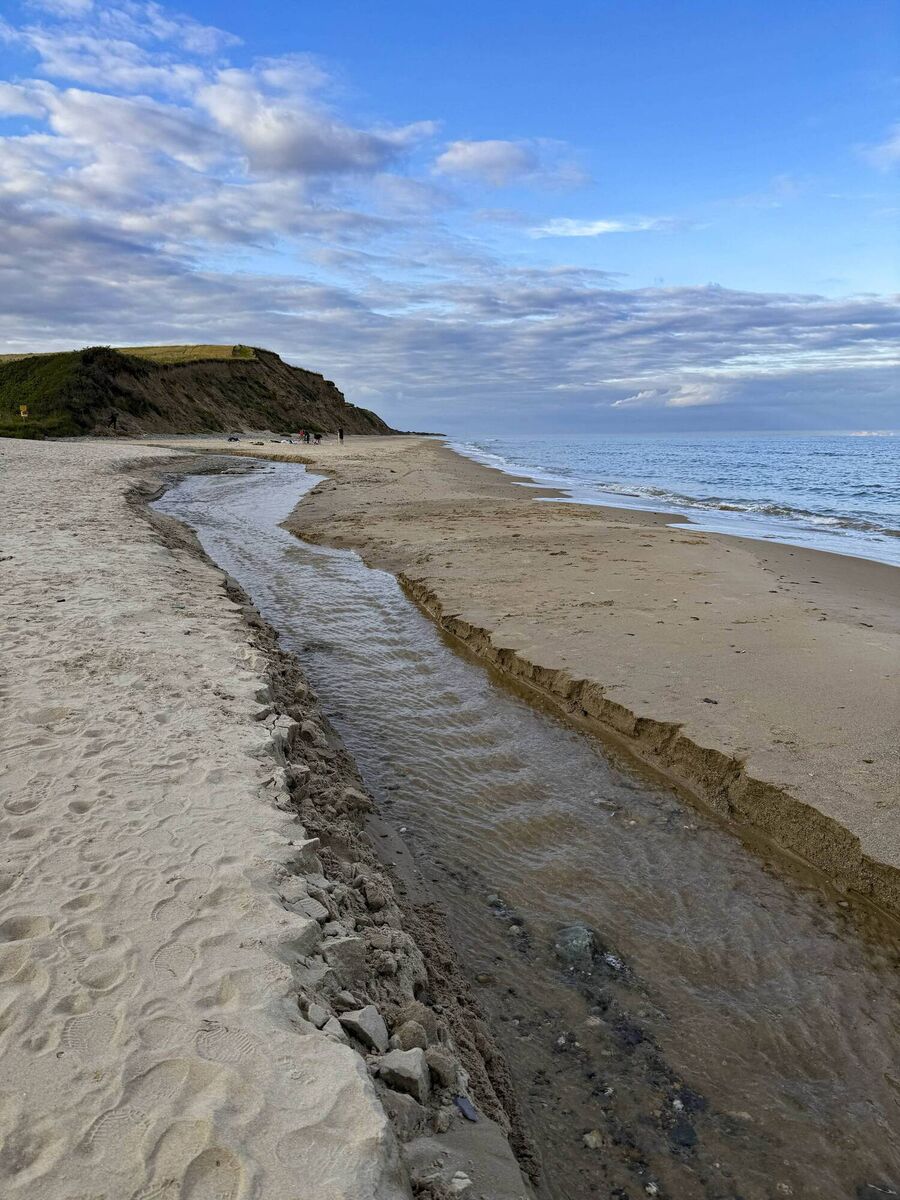
Nearby Stradbally Cove offers a more rugged feel, with rocky shores and sea stacks. Dunhill Beach is quieter again, with ancient sea caves and views towards the ruins of Dunhill Castle, adding a sense of history to the landscape.
Further along the coast, Bunmahon Beach is a real highlight. Sheltered by dramatic cliffs at either end, it is part of the Copper Coast UNESCO Global Geopark, an area shaped by 19th-century copper mining. Today, it is a popular spot for families, surfers, and watersports enthusiasts, with lifeguards on duty during the summer months. A surf school operates here, and the sandy seabed makes it a great place for beginners.
Bunmahon village itself has plenty to offer, including parks, playgrounds, pubs, shops, and restaurants, as well as a caravan park. The Copper Coast Geopark Centre, housed in a former church, is well worth a visit. It features a small but free exhibition on the area’s geological and mining heritage, along with a café, gift shop, and walking trail guides. The surrounding area is rich in history, with old mining structures, ogham stones, and ringforts dotted through the landscape.
From there, we continued east into County Wexford, where we spent most of our time at Curracloe Beach. Stretching for around 11 kilometres, it is one of the longest and most impressive beaches in Ireland. Located just north of Wexford town, it is famous for its Blue Flag status, towering sand dunes, and soft golden sand.
Many people will recognise Curracloe as the filming location for the D-Day landing scenes in Saving Private Ryan, and there is something powerful about walking that same shoreline. Despite its fame, the beach never feels overcrowded, and there is always space to wander.
Curracloe is also one of the best-equipped beaches in the area. There are excellent toilets, outdoor showers, and modern drinking water bottle filling points – including one for dogs. There is even a sauna in the car park, along with coffee vans and food stalls, making it easy to spend the whole day there. The beach is dog-friendly and wheelchair-accessible, making it welcoming to everyone. Something you can never take for granted is the barriers at car park entrances. Thankfully, Curracloe is motorhome-friendly. So many places block access to car parks for anything taller than 2.1m, and this means you have to find somewhere else to park.
Just inland lies the Raven Nature Reserve, home to red squirrels, grey seals, and a wide variety of birdlife. Walking trails through the dunes offer a quieter way to explore the area and learn more about the local environment.
Wexford town itself was starting to buzz during our visit, as it happened to be the weekend of the Fleadh Cheoil. We were there a few days before the festival officially began, but you could already feel the sense of anticipation. Stages were being set up, banners were going up, and there was a lively energy in the streets. It felt like the town was gearing up for something special.
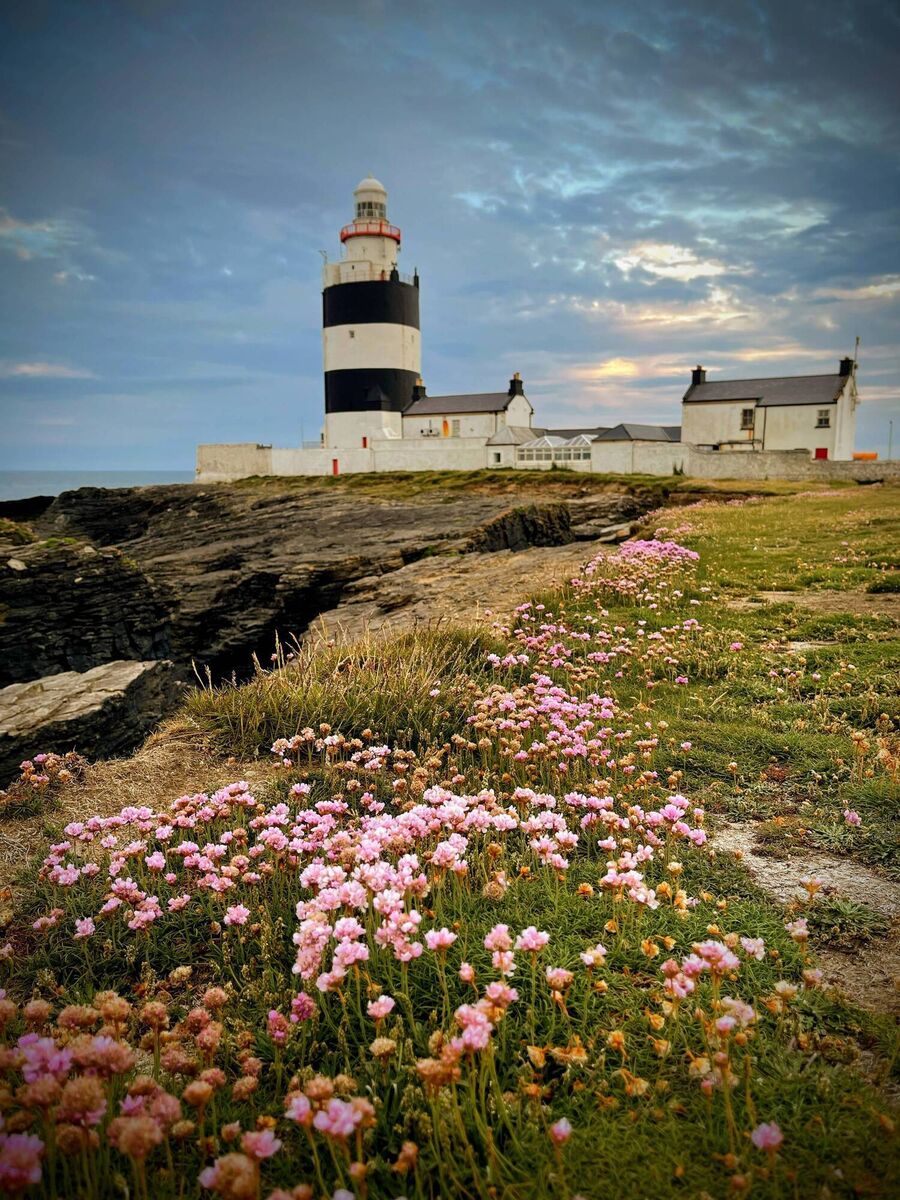
While we did not visit Hook Lighthouse on this trip, it is a place we have explored in depth on previous visits and one I always recommend to anyone travelling in the area. The guided tour inside the lighthouse is excellent and brings its long maritime history to life. Outside, the surrounding cliffs offer fantastic walking routes, dramatic views, and plenty of opportunities for photography. The scenery is striking, and the area is rich in wildlife, making it well worth setting aside time to explore.
While I didn't make the crossing on this particular trip, the Saltee Islands are never far from my thoughts when I'm in Wexford. Having visited a couple of times before, I can tell you that stepping ashore on Great Saltee is among the most magical wildlife experiences Ireland has to offer.
The islands sit just off the coast of County Wexford near Kilmore Quay, and during the summer months, they become one of Ireland's most important seabird sanctuaries. But the stars of the show, without question, are the puffins. These extraordinary little birds, with their improbable multicoloured beaks and their endearingly clumsy landings, congregate here in remarkable numbers, and the experience of being close to them is something that stays with you long after you've returned to the mainland.
The puffins are remarkably unbothered by human presence, going about their business with a cheerful indifference that makes photography an absolute joy. But that proximity comes with an important obligation. These birds are here to breed and raise their young, and it's vital that visitors resist the temptation to encroach too closely. Keep a respectful distance, move slowly and quietly, and let them come to you rather than the other way around. The reward for that patience is extraordinary. Watching a puffin emerge from its burrow, bill stuffed with sand eels, is a sight that never loses its charm, no matter how many times you witness it.
My strong advice would be to bring a long lens if you have one, or at the very least a decent pair of binoculars.
Timing your visit makes all the difference. The puffins arrive on the islands to breed from late April onwards, and May and June offer the best chances of seeing them in truly impressive numbers. They remain active and highly visible through July, but by mid-August, they begin drifting back out to the open sea for another year, and the magic quietly fades until the following spring. If you can visit between May and early July, you will find the islands at their most alive, with puffins, razorbills, gannets, cormorants and other spectacular seabirds in full view.