Trickledown gains of unique bond
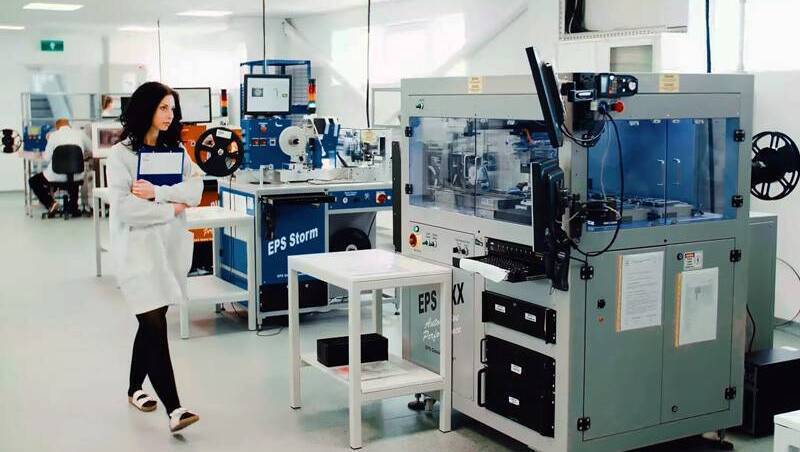
Technology company EPS Global, based in Malahide, Dublin, from a small start to build a significant worldwide footprint with a little help from their friends from the US.
The influx of American enterprises into Ireland since our economy opened properly in the 1960s has created self-evident national goodness. But as well as ‘trickle down’ benefits there have also been ‘trickle back’ or ‘trickle-out’ value.
Irish companies have become adept at using inward investment here to identify, create and grow business in the United States. It’s a well-hidden two-way street, but Irish-owned companies now employ tens of thousands of workers in North America, and Ireland is the ninth biggest FDI presence there.
One notable success story is Malahide-based technology company, EPS Global, who from a small start has built a significant worldwide footprint with a little help from their friends from the US.
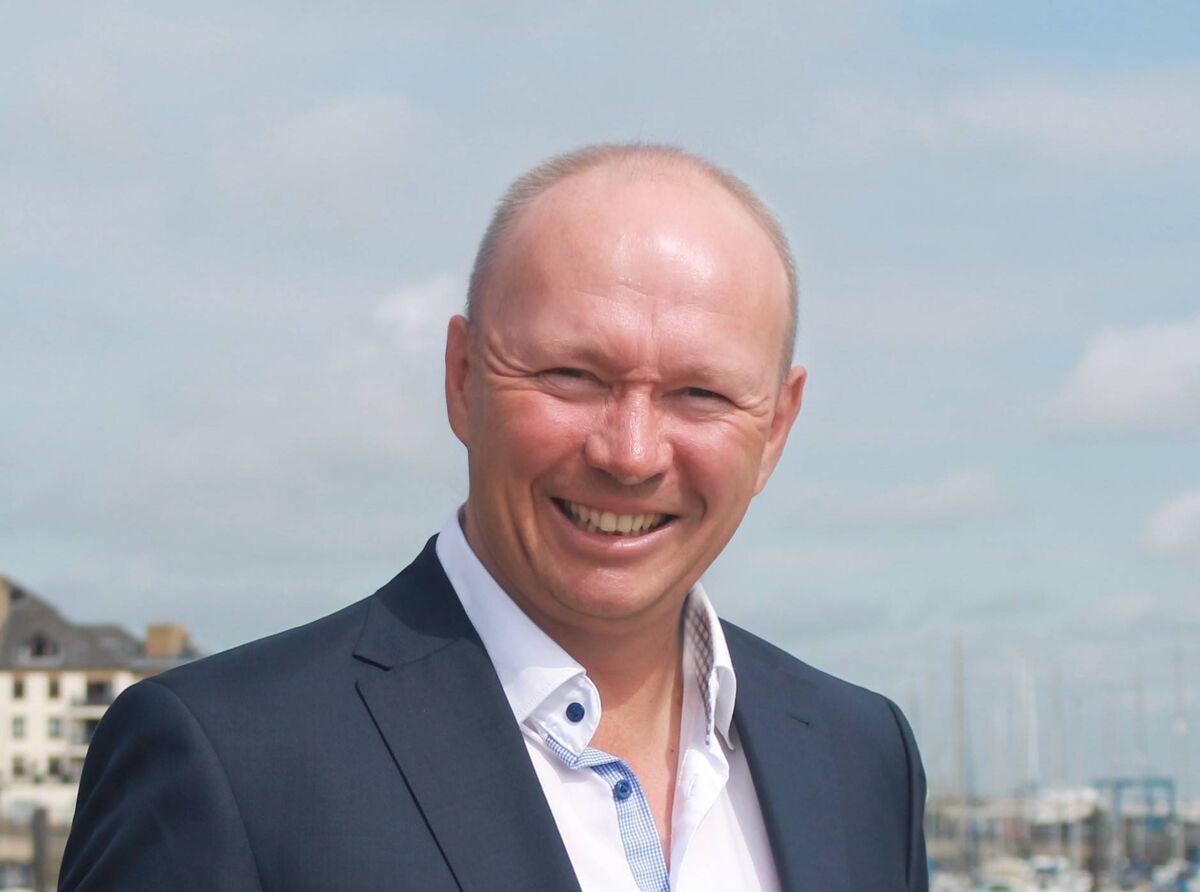
Colin Lynch, CEO of EPS Global, recounts his personal and professional story.
Four of us founded the business back in 1999. My Dad, John, Mick McCarthy and John O’Brien had developed a company called Lyco, basically a demand creation and distribution business for electronic component suppliers, which they sold to Avnet in the mid-nineties. Avnet these days are the second largest electronics distributor on the planet with annual revenues of over $26 Billion. We took what we learnt about electronics distribution at Lyco and built EPS. Today we have 600 people in 20 countries and revenues of more than $100m.
I learned the basics as a kid at the kitchen table. Dad was involved in electronics from 1982. He started sales repping Advanced Micro Devices (AMD) in a US company called NETS and then built Lyco in 1987 with Mick and John. After my Leaving Cert I did an BA, BAI (Electronic Engineering) degree in Trinity and from there made my way into a Los Angeles based company called Teradata who had located their worldwide manufacturing operation in Ireland in 1988. Back then Ireland’s value-add was still predominantly in manufacturing and associated activities. I worked in procurement originally and then was relocated to South Carolina as a programme manager, mainly involved in new product introduction and advance manufacturing strategies.
Many things. Firstly, that an Irish voice at the decision table back in HQ is important. Teradata management understood that the first line of competition for the Irish entity was not external competitors but the perpetual struggle for internal investment from the US parent. Having a vocal reminder that Ireland exists at the decision point never hurts. Secondly, agility. Teradata had about 800 people globally when I joined, developing and building parallel processing hardware and software. They were acquired by NCR who were then acquired by AT&T, spun off again as NCR who then sold their manufacturing assets to Solectron, a contract manufacturer. Some of us had five different business cards in four years without changing desk! Most importantly I learned about American business mindsets and how to operate within their corporate structures, both invaluable assets to me these days as we build more business there.
As well as most other countries with a demand for electronic components and services. We specialise in two principal areas. We distribute Optical and Switch components into Customers running large Networks and we offer services to prepare electronic components for mass production with a targeted focus on the Automotive and Medtech markets. When we founded EPS our business model was to sell US components into the UK and Ireland, so my wife, Louise, and I moved our family to Reading so we’d have better proximity to our customer base. Within two years of founding EPS 85% of our customer base had shut up shop and moved operations to Eastern Europe and China. Like I said, agility is golden!
Not overtly at least anyway. We moved with them and set up a string of small operations in Czechia, Hungary and Romania to service these customers. This has grown over the years to a global footprint. Then, with no production sites to sell to in the UK / Ireland we started to look at components to offer to end users. We then met Finisar (fibre optic components for comms industry) in 2003 and this was the genesis of our Networking business. The US remains our largest Networking market and, thankfully, they’ve been robust through this most recent downturn. US customers operating abroad are also a huge part of our global services business.
There has been huge growth in Medical Technology (MedTech) in Ireland and we’ve been slow to capitalise on that up to now. We have invested in a new and larger facility in Dublin in 2024 and hope to convert some new customers. Our strategy is to bring to Ireland services we’ve developed with Medtech clients in Romania and Mexico.
Ireland is a small domestic market for any electronic product, so the key skill is to be able to market elsewhere. The FDI sector, particularly from US firms who are predominant here, has trained a lot of Irish businesspeople and armed them with knowledge of global markets and with the confidence to address them. We (EPS) have no specific advantage over other countries doing this apart from language and a lack of arrogance. But we’ve no disadvantage either. It’s not a case of why — it’s more ‘why not?’.
Not necessarily fears, but we are on heightened alert. EPS is probably an extreme example of how a company can flex geography to be close to our customers and with tariffs and local sourcing top of every political agenda our global footprint remains our biggest asset. It’s important to remember that tariff policy is designed to drive companies to site production inside their borders. This might work in the US, but I doubt it. It’s politically popular especially in the case of China, but it’s unlikely to do anything except make products more expensive in the medium term. From the EPS perspective the US authorities are unlikely to stimulate their domestic companies to manufacture PCBs (printed circuit boards) even with help from tariffs. It’s hard to reverse a twenty-five-year-old policy of moving activity like this offshore. In fact, we’d even expect some uplift in adjacent markets like Mexico, Malysia and Brazil.
Customers and suppliers are always searching for new ways to create value. It’s a cliché but change is constant, and you must listen and learn to survive. In electronics especially customers are always looking for new technologies and new ways to do things. They value innovation in their suppliers. We spend a lot of time looking at changes to the structure of our markets and how they affect us. We always revert to customers on lost deals and understand why we lost and how we can do better. I think American partners value what I refer to as ‘the three C’s. Curiosity. Confidence. Communication.