New book celebrates 281 of Ireland’s best architectural buildings from 1990 to 2025
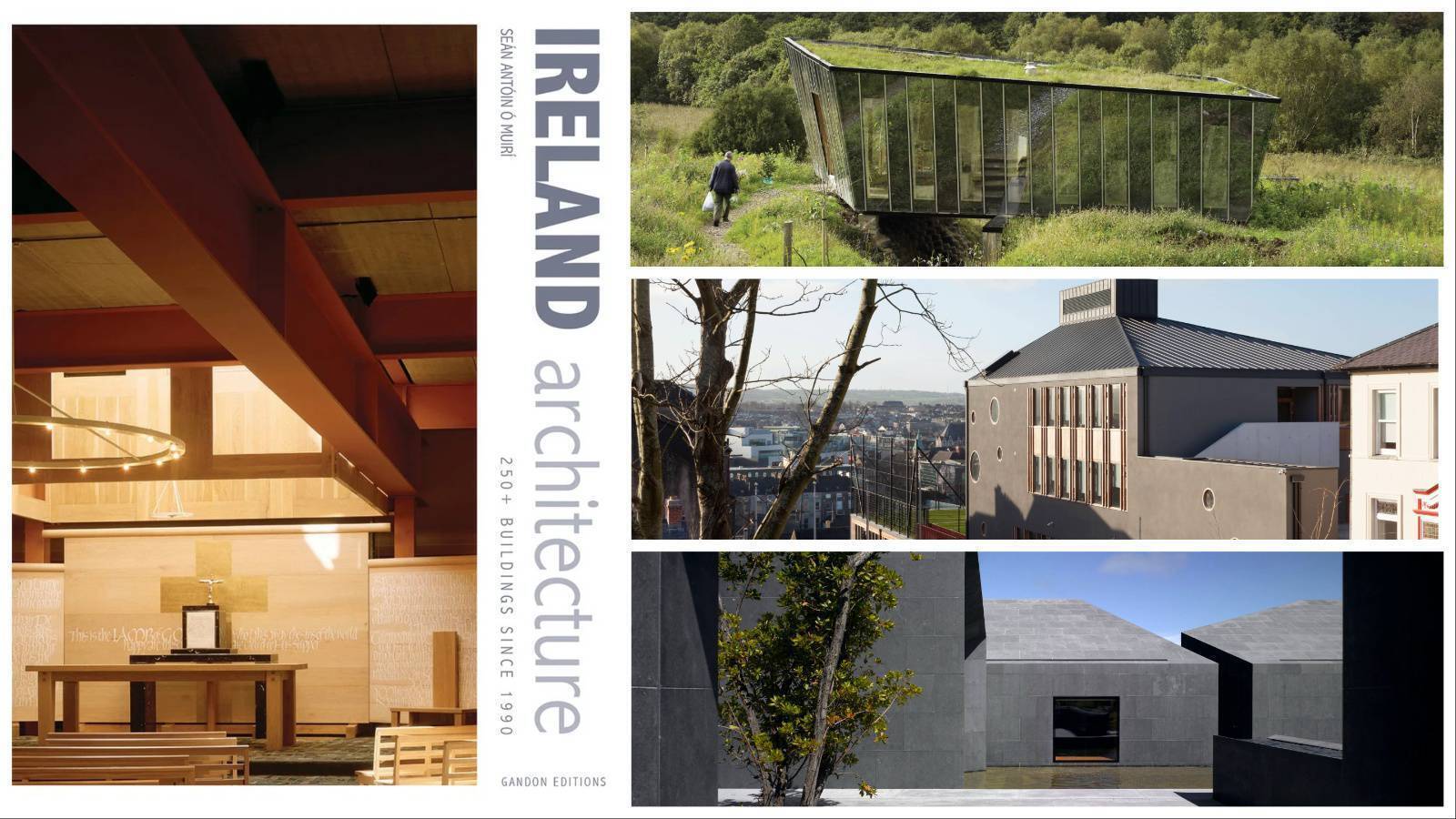
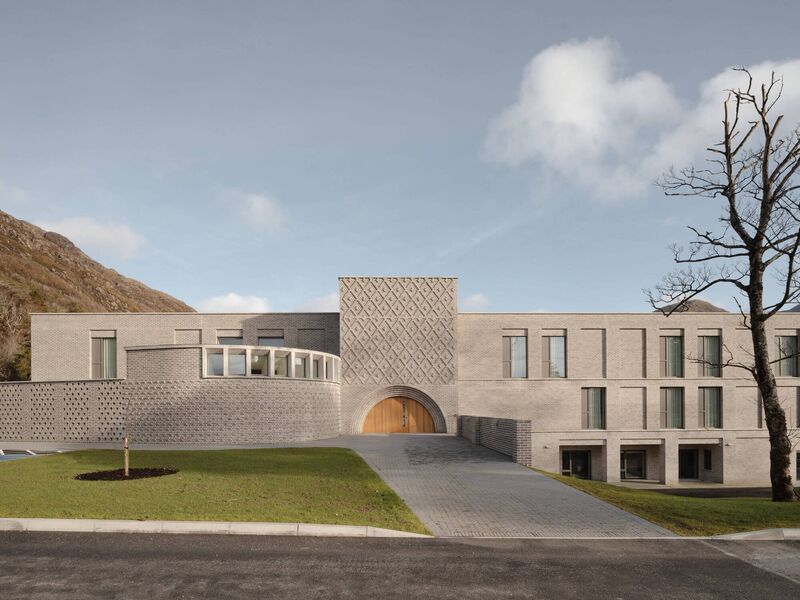
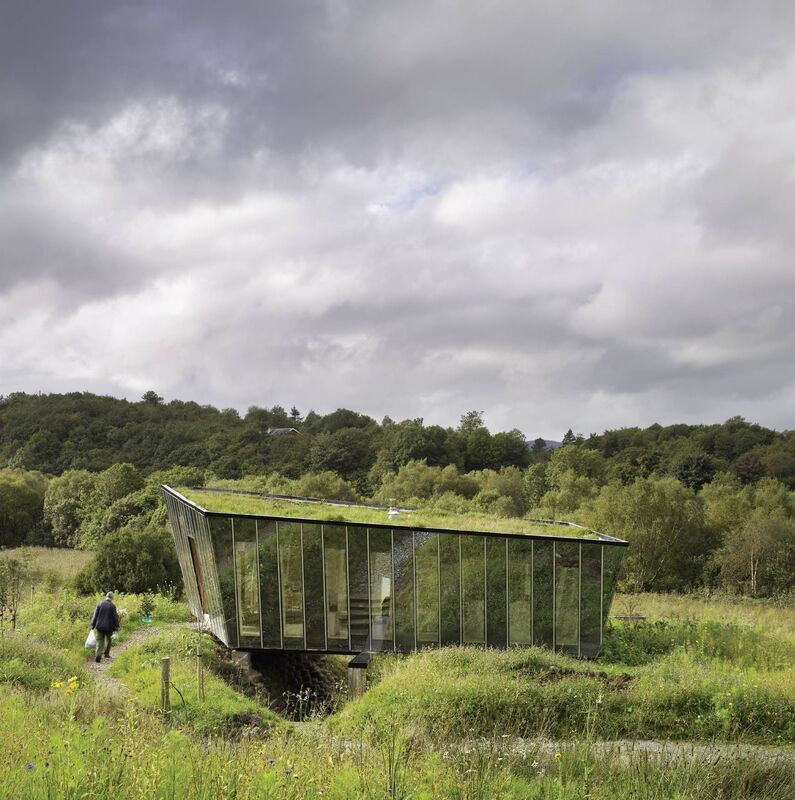
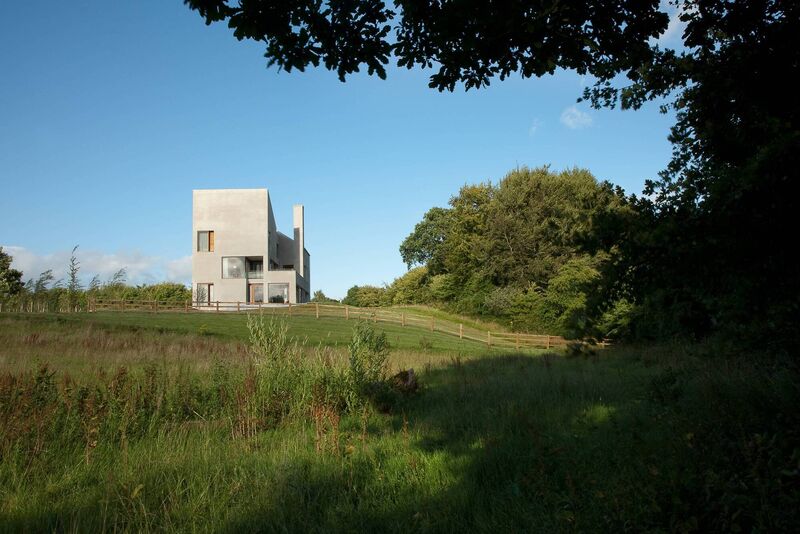
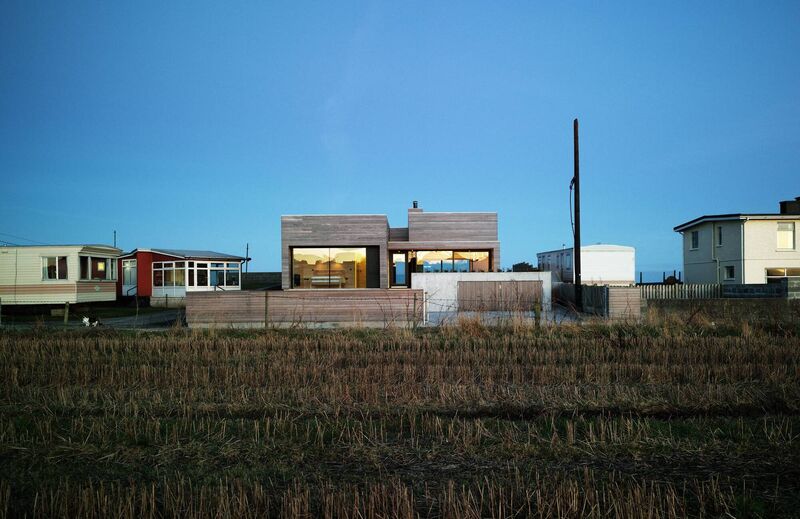
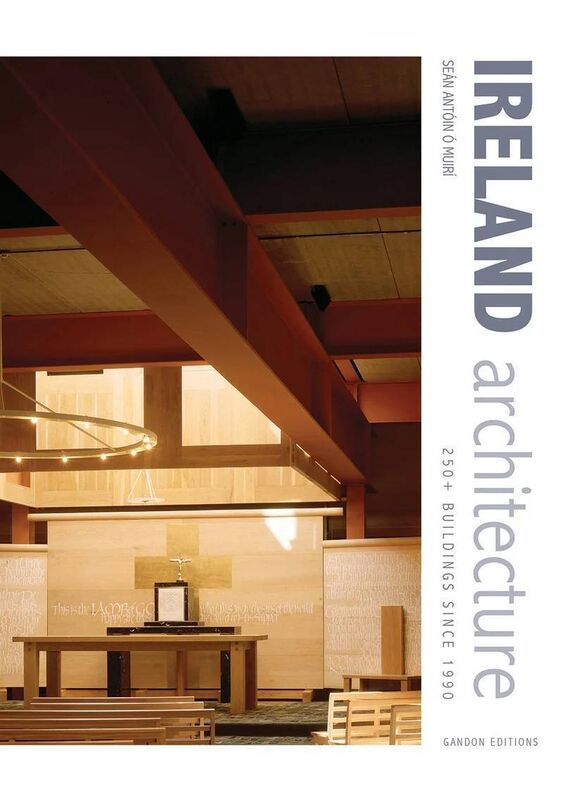
Ireland Architecture celebrates designs including Mimetic House; St Angela's College, Cork; and La Finca, House at Goleen
-
.
Save €40 now
SUBSCRIBE
Ireland Architecture celebrates designs including Mimetic House; St Angela's College, Cork; and La Finca, House at Goleen
There's a music industry cliché about ‘the difficult second album,’ as in: What does a band or a singer do for a follow-up, after a hit debut?
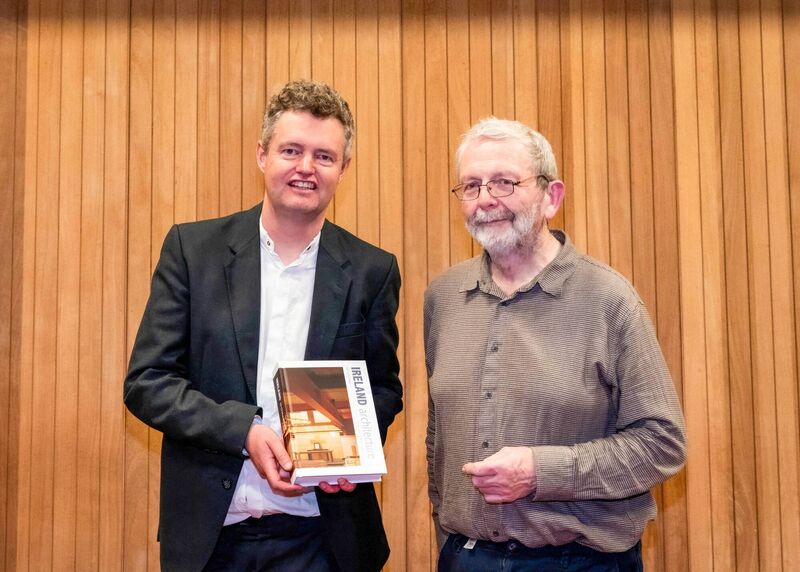
So it must have been for Munster-based architect Seán Antóin Ó Muirí, who has just produced a 500-page book, a countrywide guide to top Irish architecture, buildings of all types and uses, since 1990.
The hardback has 2,500 images, including sketches, photography, floor plans, elevations, and brief descriptions.
Yet, despite its breadth and authority — featuring 281 buildings and work by 120 architects — the engrossing and detailed Ireland Architecture ignores Dublin.
That’s not out of any Cork man’s antipathy to the capital. It’s because back in 2014 the author, architect and tutor Seán Antóin Ó Muirí, produced Dublin Architecture, 150+ Buildings Since 1990.
Thus, he describes this just-published work, via the same publishers, Gandon Editions, spanning striking design, both north and south of the border, as “a companion volume” to his Dublin-centred opus.
Notwithstanding that the passage of time between the two publications means the Dublin volume could now be updated(!), the scale of this new book, with its curated collection and several essays, will encourage optimism that Ireland has evolved to develop an appreciation of, and support for, good design, now with a two-way international influence to boot.
No longer do Irish architects have to go abroad for work, as they did in the 1980s and post-2008 crash. Some of our best, such as O’Donnell + Tuomey and Grafton Architects, work and teach at home and abroad.

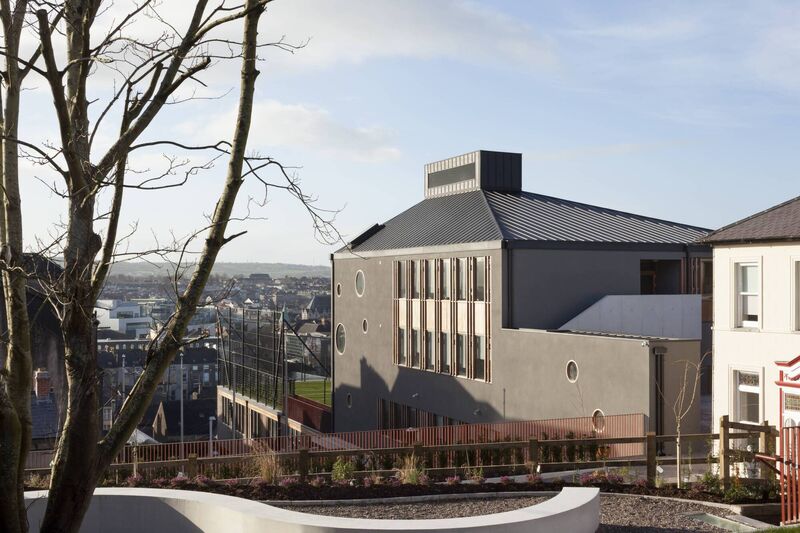
Appropriately, the launch pad for Ireland Architecture was St Angela’s College in Cork City, with the girls’ secondary school expansion — down a steep mid-section of vertiginous St Patrick’s Hill, delivered with elan, and its elevations dropping down an 18-metre fall of ground — done by O’Donnell + Tuomey a decade ago, some 20 years after they did the elevated, in-the-trees Lewis Glucksman Gallery at University College Cork, which was finished in 2005.
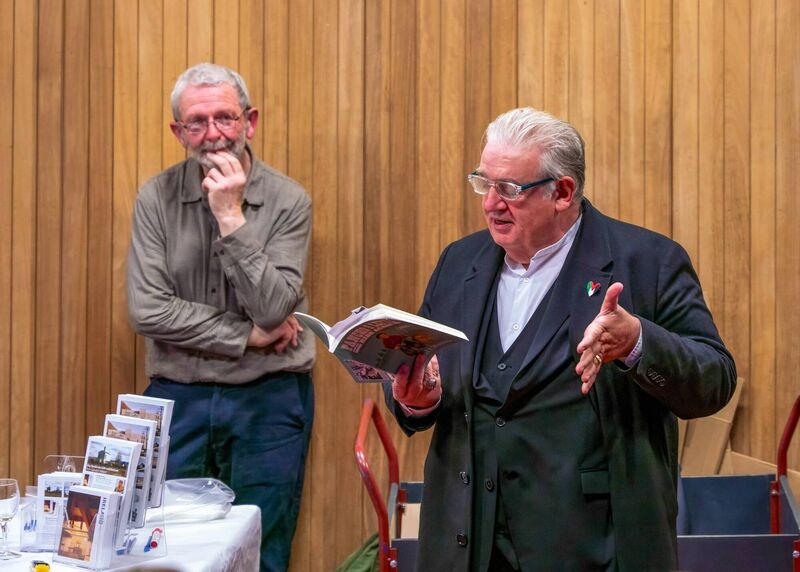
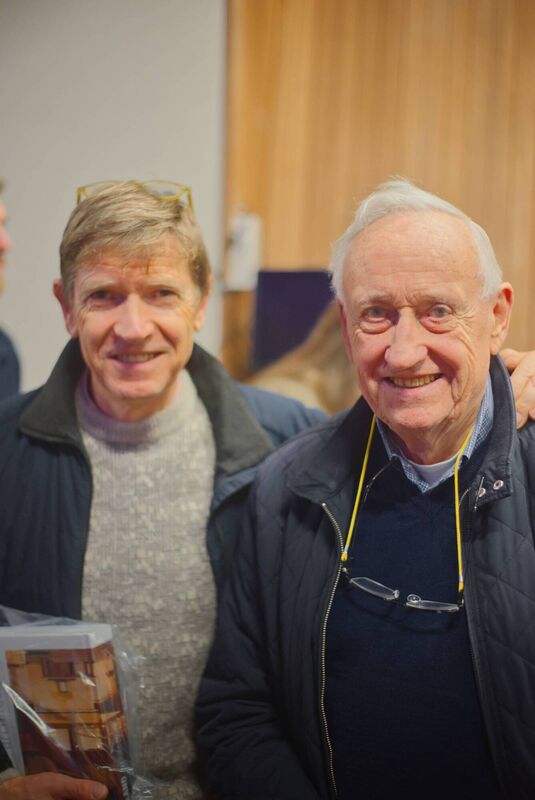
Credit for the St Angela’s design commission from 1999 was lightly attributed to school principal Pat Curran by Ó Muirí, speaking in situ at last Friday’s book launch.
There, he revealed that the same Mr Curran had taught him technical drawing during his own secondary school days in Bishopstown, setting him perhaps on course for his own career in design?
Credit, too, where credit’s due: Apart from running his own architecture and design studio, Fuinneamh Workshop Architects, Ó Muirí is studio tutor/co-ordinator at the Cork Centre for Architectural Education at University College Cork/Munster Technological University, whose student body, past and present, surely swelled last week’s launch audience numbers.


All in attendance were drawn in by the poetic description and sense of cityscape described by writer Cónal Creedon, who officially launched Ireland Architecture. Creedon read the last passage of his 1999 novel and paean of love for place, Passion Play: “My city is a royal town, dressed up in crimsons and gold in the distance, through the mists of coal smoke…”
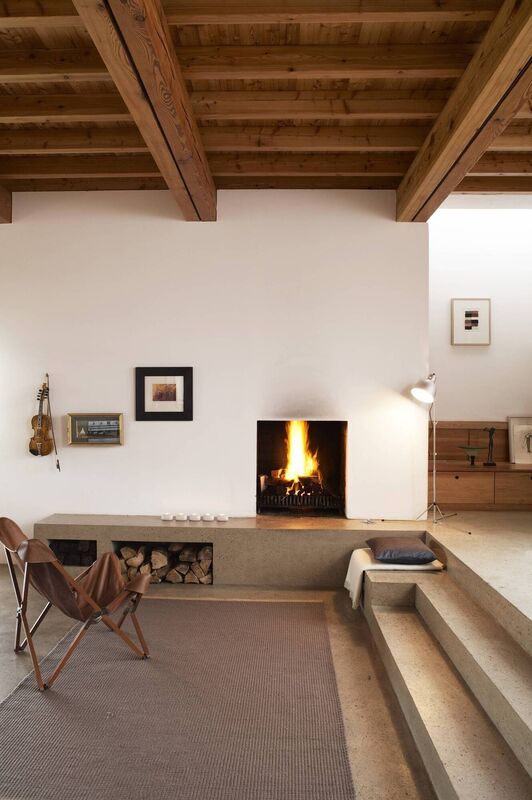
Making the cut in Ireland Architecture is a diverse array of buildings; libraries and student accommodation; schools, colleges, and civic builds and extensions; convents and monasteries; sports stadia and even a padel court; a crematorium, arts and ‘visitor’ centres; social housing, residential care centres and, of course many exemplary private homes and retreats.
Ó Muirí writes in his preface: “In recent years, a proliferation of one-off domestic projects has come to dominate the output of many of the talented Irish architects represented in this book.” He sets the selection bar high, because “the ambition of this book is to document the best architectural output produced in Ireland, north and south, between 1990 and 2025”.
The importance of housing commissions for the profession is alluded to also by architect and writer Simon Walker in his accessible essay contribution, Built and Unbuilt Landscapes. Walker says “most people are bemused when they learn that before the 1990s, architects were involved in only 2% of residential building in Ireland. The outcome is a chaos of reproductive styles (often in the same house) designed by builders or possibly technicians or engineers, governed only by that strange and volatile mix of politics and geography we know as ’planning’.” Ouch!

The rise of interiors and build magazines and television house-design programmes, such as Grand Designs, and various series by architect Dermot Bannon, has clearly helped informed public perception, too, of good architecture since the start date of 1990.
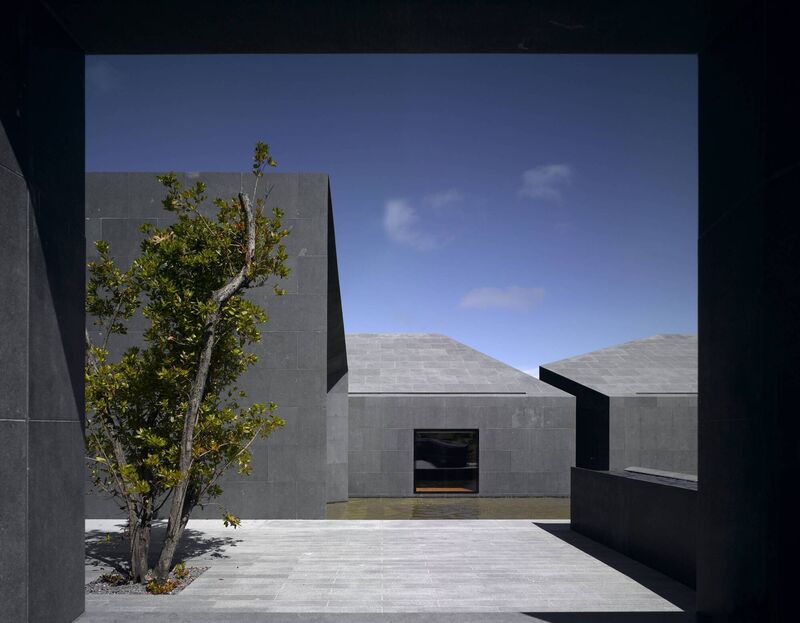
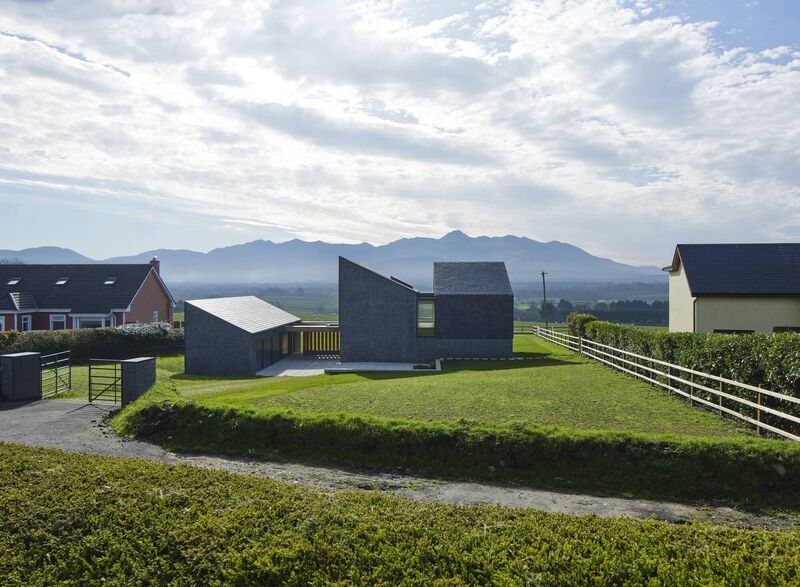
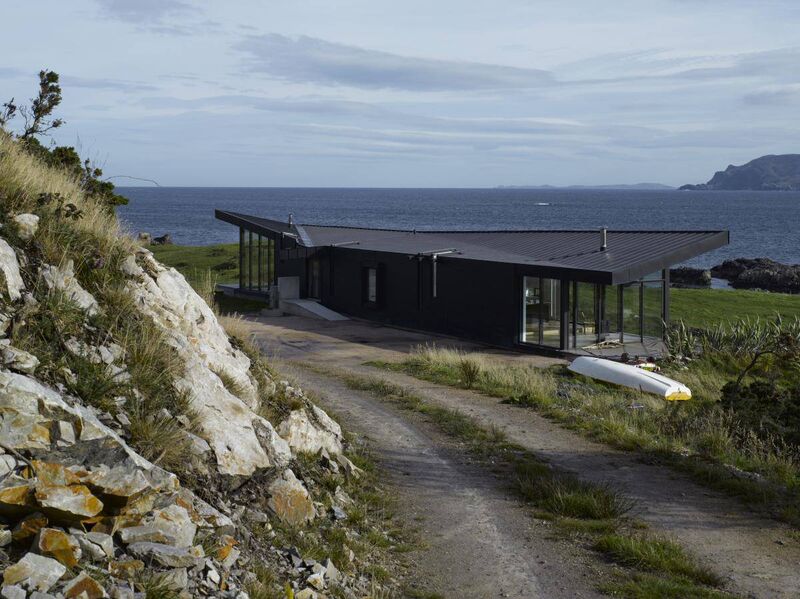
One of the inclusions, La Finca, or ‘House at Goleen’, will be familiar to TV viewers and house voyeurs. Bannon nominated the shard-like and sharp, black limestone coastal home (owned by the late Peter Sutherland) as his favourite house in Ireland.
That Goleen house was designed by Níall McLoughlin, one of Ireland’s most internationally garlanded architects, who gets a second entry: a house at Dirk Cove, Clonakilty (just substantially rebuilt and extended to the original outline after a three-year, multi-million euro spend, detailed by thousands of drawings).


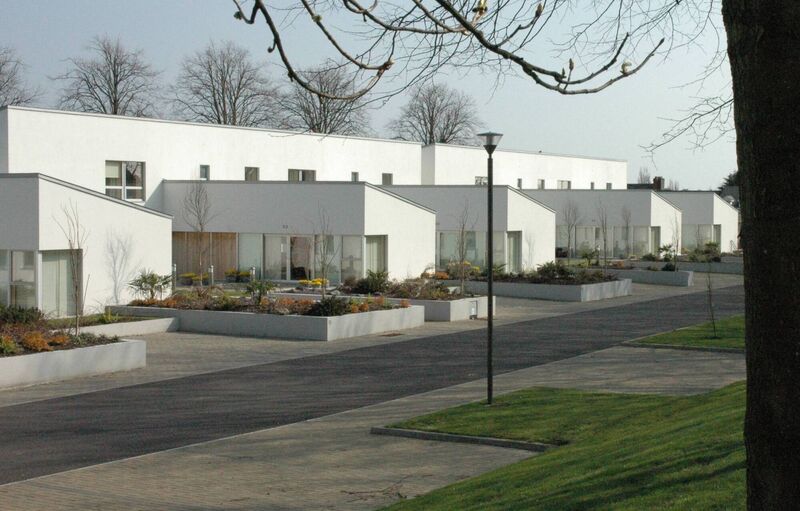
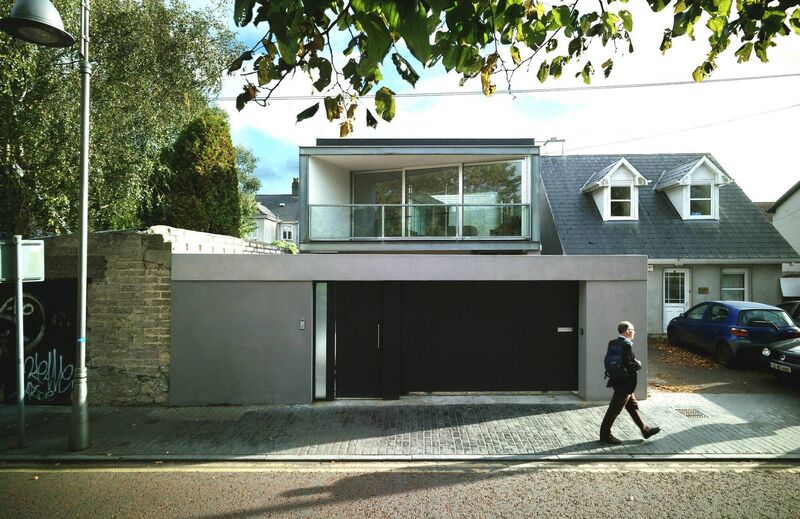
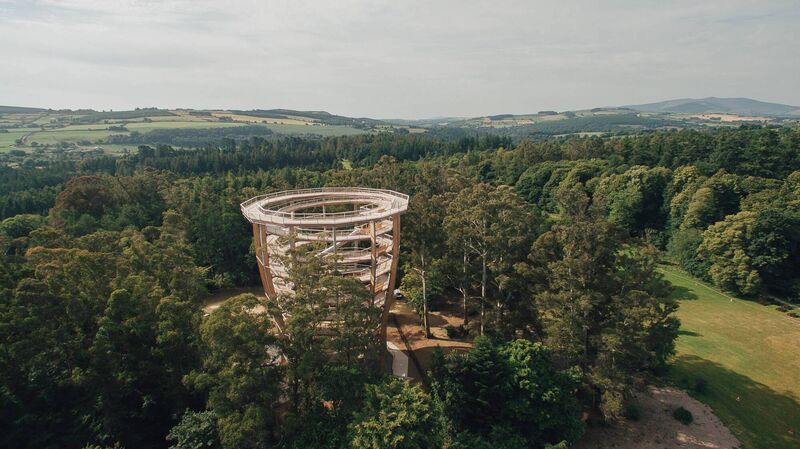
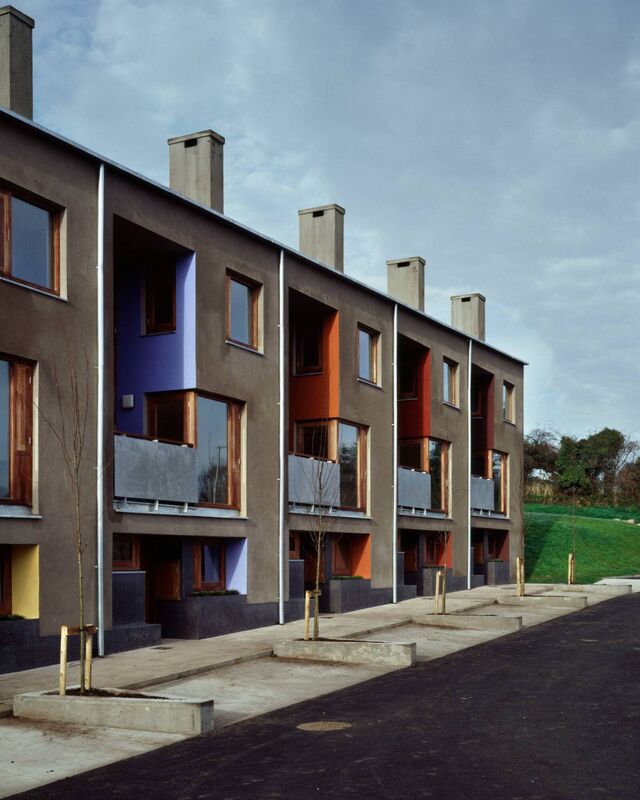
Other buildings here are up in trees or on stilts, high on hills, sunken, hidden, or disappearing into landscapes, or stand-out in more ways than one. While many in the architectural profession will pore over the larger public structures, most domestic readers will savour the residential offers even more so: 80 of the 240 entries are homes, from social housing (eg, Galbally, Cork city, etc) to dens, studios, and music retreats.


Handily, the lavishly illustrated book’s span is divided into eight geographic regions, counties and urban centres, with reference maps, book-ended by specialist essays by Simon Walker and a piece on Ulster architecture by Ciarán Mackel, plus a foreword, ‘Grounds for Internationality,’ by Tony Fretton.


Acknowledgements fill pages, architects are detailed separately, some with multiple entries — such as de Blacam and Meagher, Grafton Architects, McCullough Mulvin, Scott Tallon Walker, O’Donnell + Tuomey, de Paor, Carr Cotter & Naessens — as well as four, gentle projects by the author himself.

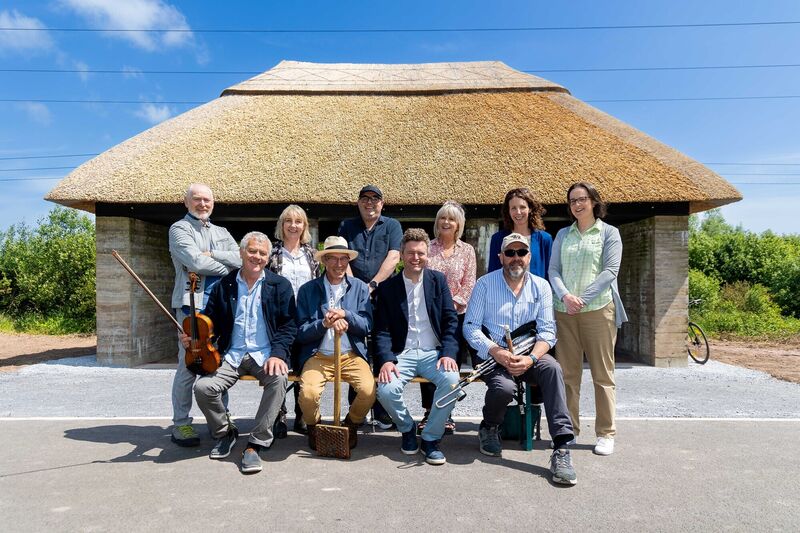
One’s the pavilion ‘den talamh’, a rammed, earth-and-reed, thatch-topped eco structure for Cork City Council at the former municipal landfill site, now the eco and sports facility at Tramore Valley Park.
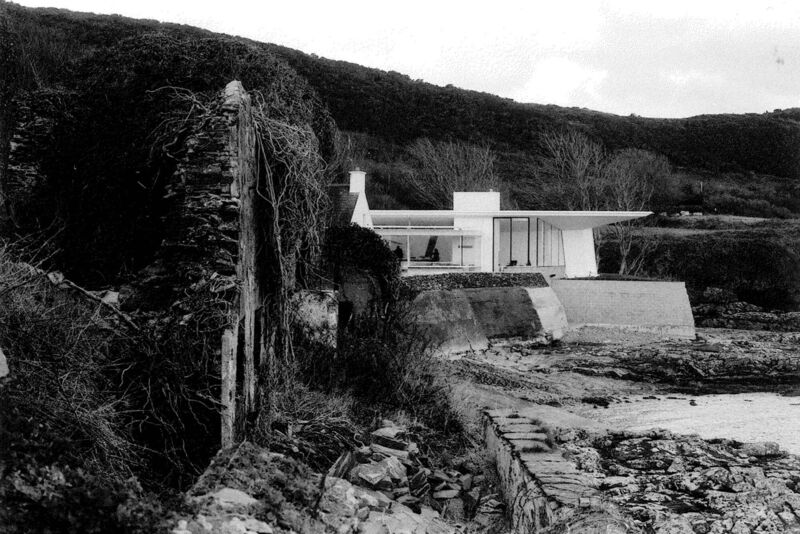
Ireland Architecture is a dip-in, dip-out sort of book, usefully with contact details for the c 120 design practices, of whom the vast majority are based in Ireland. Among the overseas architects is Philip Gumuchdjian, London-based and whose first commission after leaving the renowned Richard Rodgers Partnership was a West Cork estuaryside/dayhouse/pavillion called Think Tank, for an internationally known film creative, and completed in 1998.


Bringing the disparate strands together in a book of aesthetic and informative pleasure are specialist art and architecture publishers, John O’Regan and Nicola Dearey, of Gandon Editions, now with 420 books to their credit since the ‘80s, more than 200 still in print.

Ireland Architecture is Gandon’s latest title, but for those looking for the ‘companion’ reader, Dublin Architecture, the word is that the 2014-published appreciation of 150 buildings has been sold out almost from its launch, the 2,000 copies of its 392 pages gone in its first month.
Initial print run with Gandon Editions this time is, again, 2,000 copies (the last time Amazon had a single copy of the Dublin book it was priced at €400).
Hopefully, the 2026 publication’s run of 2,000 copies is just for starters: Gandon Editions, and good bookshops, will sell to you for €39
CONNECT WITH US TODAY
Be the first to know the latest news and updates

Newsletter
Had a busy week? Sign up for some of the best reads from the week gone by. Selected just for you.
Newsletter
Get a lunch briefing straight to your inbox at noon daily. Also be the first to know with our occasional Breaking News emails.
Newsletter
Had a busy week? Sign up for some of the best reads from the week gone by. Selected just for you.
Friday, November 13, 2026 - 9:00 PM
Friday, November 13, 2026 - 8:00 PM
© Examiner Echo Group Limited