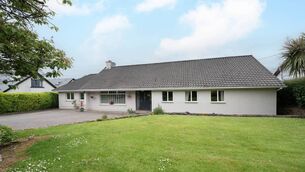
What are the pros and cons of a phased retrofit?
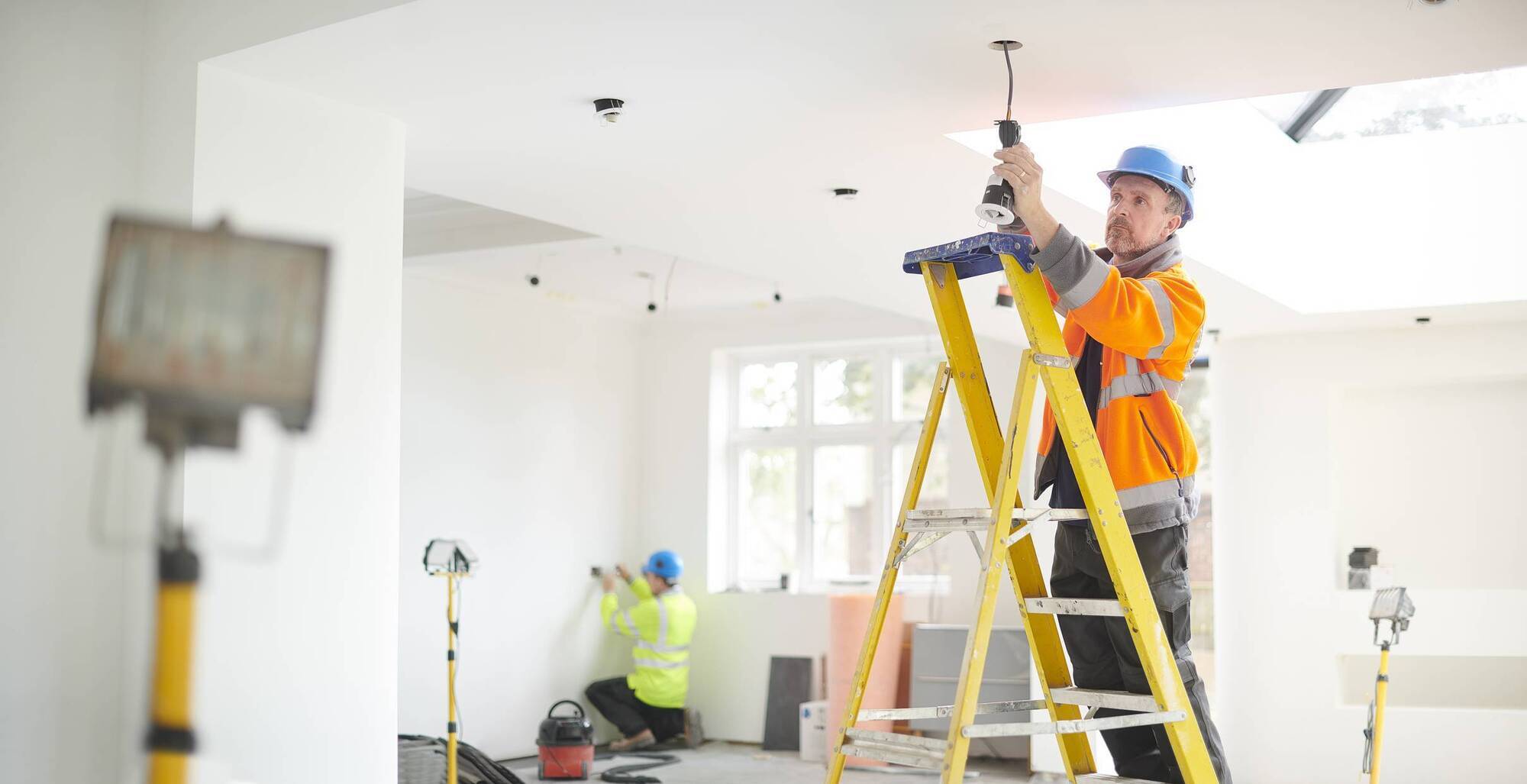
Transitioning a 1950s semi-detached home into a modern, energy-efficient space is a marathon, not a sprint — but there are some elements such as rewiring where it's better to get the job done in one go...
What are the pros and cons of a phased retrofit?

Brigid Browne: ‘The 1950s-built house likely needs rewiring; over the years the house will have received changes here and there. When renovating a house of this age, you are often best to have the whole wiring system changed out. You don’t want to have to open the place a few years later and risk damaging your finishes.’


Dear Brigid
I am hoping to do a small house extension and have a budget that I thought would more than cover it.
I had hoped to do some retrofitting along the way, but having costed the project, it looks like the budget will not stretch to that.
What do you advise — should I focus on making sure the extension is well insulated and return to retrofitting the main house (a 1950s standard three-bed semi-d) when I can afford it.
Is it possible to retrofit on a phased basis or does it all have to be done in one go?

Yours, Philip

Hi Philip, A great question and one I believe many readers will have experienced at different junctures. It’s certainly a question put to me often, especially from people working with older houses where budgets and ambitions sometimes pull in opposite directions.

Let’s kick the extension idea around first, but you must bear in mind that I have no idea of the size you’re considering as ‘small’ to you might be large to me, so the answer will have to be general.

Why does size matter?

Well, if you have an exempt extension and do not max out the 40 sq m allowance it is likely that your thermal bleed into the main house will be manageable.

What do I mean by this?

Extensions on a ground floor usually open up to other rooms expanding the space. If you have an ‘A’ rated/near zero extension and heat it, the heat retention will be great due to its high finish in terms of airtightness and insulation. But its thermal gains will migrate into the cold space. That is, your main dwelling will steal its heat.

But where the extension is small, this is likely to be financially manageable and therefore puts your mind at rest in the short term. In your own time you can upgrade your house and this will come down to how the building is laid out (open or closed plan), heating and ventilation, and, of course, insulation.

In the meantime, a tip would be to close down the opening between the main house and extension and seal the connection between the rooms with thermally insulated doors with good draft seals. This will greatly reduce bleeding of energy into the main dwelling. There is no doubt that a design compromise will have to be made, so it has to be weighed up.

Where the extension is larger, uncontrolled energy bleed would be proportionate, leaving a greater risk to your pocket. Again, you can thermally separate the old and new parts of the building but, as with the smaller extension, this will be a design compromise and one proportionate to the size of the extension. It might be a better option to look at doing the upgrades to the main dwelling in this case and extending after.

Regarding the 1950s fabric, there are a lot of solutions for upgrades. It will never be perfect, as you have to deal with existing fabric as opposed to starting afresh, but you will certainly notice the change and enjoy your home so much more.

On the question of whether you can phase this or do it all at once, the answer is yes, you can phase it. But there may be elements where, once you start, you are better to do the whole lot

If the house is 1950s it likely needs rewiring. Over the years the house will have received changes here. When renovating a house of this age, you are often best to have the whole wiring system changed out. You don’t want to have to open the place a few years later and have to deal with damaging your finishes.

The same may be said for plumbing as it relates to heating systems. It may not be possible to connect a new extension to an old system. There will be tying-in incompatibilities, and loadings the existing system might not take.

There are numerous ways to go at upgrades, but I would advise anyone making changes to their house to get an independent designer. Be sure to vet them. Ask for evidence that they are the appropriate consultant.

The direction in which you will head in is extremely important and planned sequencing of works is essential. There is no point in upgrading your entire heating system and then have all the energy bleeding out through your uninsulated walls.

Your designer may believe it would be more manageable that where a new extension exists, upgrading the rooms the extension comes in contact with might be the most expeditious way to work through the house. It very much depends on their experience and their understanding of fabric and services.

Now let’s take a step back and take a different perspective. When I sit with my clients to discuss designing an extension, I need to understand their motivation so I can give them my best. Often, they are looking for more space, but then I find their kids are flying the nest, so they will arguably have too much space, even if they never build on.

With a little more drilling I find that they are dissatisfied living in their dwelling. This might be because the kitchen doesn’t lend well to dining or they dream about more light. Or they want to see more of their garden and the existing configuration is scuppering this.

Or, more often than not, they wish to sit in a warm, comfortable, controlled space. Their existing house does not tick their boxes anymore and they want to move out, so to speak.

Creating a new space is one of the most exciting things in the world, but why not create this new space within the existing building. Design your views and your comfortable homely feeling by putting your money into your existing house. It’s more sustainable and you give the house a new lease of life.

A house needs occupants to manage it, maintain it, decorate it, monitor it. Often the new extension becomes the only lived-in space during the day, but what about the rest of the building? Food for thought and sustainable living.

Hope this is of some help, and good luck with your project, Philip.

If you have a property-related query email: property@examiner.ie

Brigid Browne is a chartered building surveyor and chair of the Southern Region of the Society of Chartered Surveyors Ireland;

She is the MD of Cashel-based Fortress Planning.

x

More in this section

Revoiced

Newsletter

Sign up to the best reads of the week from irishexaminer.com selected just for you.

Cookie Policy Privacy Policy Brand Safety FAQ Help Contact Us Terms and Conditions

© Examiner Echo Group Limited