We're told housing is in huge demand, so why isn't my Irish bungalow selling?
Much of the media coverage around rising prices and low supply focuses on a narrow segment of the market — typically modern, energy-efficient, turnkey homes in urban or commuter locations.
Read More
Dear Clare
Firstly, I want to acknowledge that selling a long-term family home is a significant life event. It is rarely just about bricks and mortar. There are memories, emotions and future plans tied up in the decision, so it is completely natural to feel disappointed and confused when the sale does not progress as you had hoped. Wanting to move closer to family is a very understandable motivation, and you are right to be thinking about the longer-term picture.
You are not alone in this experience. Many homeowners are surprised when their property does not sell, particularly when national headlines suggest the property market is strong. However, those headlines rarely tell the full story. One of the most important things to understand is that there is no single, uniform property market. Instead, the market is made up of several distinct segments, each performing differently at any given time.
Much of the media coverage around rising prices and low supply focuses on a narrow segment of the market — typically modern, energy-efficient, turnkey homes in urban or commuter locations. These properties are in high demand and often attract multiple bidders. However, that does not mean that all properties are experiencing the same level of interest.
Older homes that require modernisation or energy upgrades are still selling, but they are taking longer, and buyers are far more cautious. Rising construction costs, a shortage of skilled tradespeople and the availability of green mortgage rates for energy-efficient homes have all changed buyer behaviour. Buyers are now far more conscious of future costs and disruption than they were even a few years ago.
Based on the information you have provided, your bungalow would fall into the category of a home that requires updating and energy improvement. That does not make it undesirable, but it does place it in a different segment of the market — one where pricing, presentation and marketing play a critical role.
One of the most common reasons a property fails to attract interest is price. This can be difficult to hear, but the market provides feedback through buyer behaviour. When a property has been on the market for several months without offers, it is often an indication that buyers do not feel the asking price reflects the condition of the property or the work they believe is required.
It is important to look beyond asking prices and focus instead on what comparable properties have actually sold for. Look at homes of a similar age, size, condition and BER in your area. This will give you a clearer and more realistic understanding of how buyers are valuing properties like yours in the current market.
Presentation is another area that can have a significant impact. Even if a home is dated, it should still be presented in the best possible light. Decluttering is essential. Removing excess furniture and personal items helps rooms feel larger and allows buyers to imagine themselves living there.
Simple, relatively low-cost measures such as a deep clean, fresh neutral paint, improved lighting and subtle staging can make a home feel warm and welcoming. These changes do not modernise a home, but they do signal that it has been cared for.
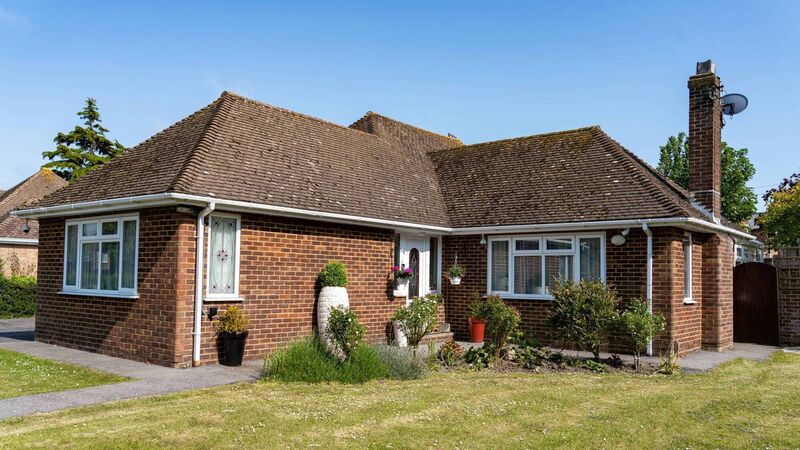
Kerb appeal should not be overlooked, particularly for a bungalow. A tidy garden, clean pathways and a welcoming entrance can strongly influence how buyers feel about the property from the outset.
Marketing is another area that deserves close attention. For most buyers, the first interaction with a property happens online. The quality of the marketing, particularly the photography, will largely dictate whether a buyer decides to book a viewing.
Professional photography is essential. Dark images, poor angles or cluttered rooms can turn buyers away within seconds. Buyers often make snap judgements when scrolling through listings, so it is worth asking whether the photographs truly show your home at its best. Good photography should highlight light, space and flow, not exaggerate flaws.
Beyond photography, the marketing message itself matters. Who is the likely buyer for your home? A single-storey bungalow in a semi-rural location can be very appealing to downsizers, retirees or buyers looking to future-proof their living arrangements. Are these advantages clearly highlighted? Is the lifestyle on offer — space, privacy, community and countryside living — being communicated effectively?
Potential is also important. Is there scope to extend, subject to planning? Are BER upgrade options and available grants mentioned so buyers can see the opportunity rather than just cost? Buyers are often more comfortable with a property that needs work when they understand what support and incentives are available.
You should also ensure that you are receiving clear and honest feedback from viewings. Ask your agent what viewers are saying. Are there recurring comments about price, condition, layout or energy efficiency? Consistent feedback is invaluable and should inform your next steps. If feedback is vague or not being shared, that is something to address.
You asked whether carrying out works would make a difference. The answer depends on your budget, timeframe and tolerance for disruption. Major renovations are rarely advisable if you need to sell quickly. However, targeted improvements can sometimes help, particularly those that improve comfort, presentation or energy perception.
Reviewing your BER advisory report may highlight relatively straightforward measures such as attic insulation, draught-proofing or heating controls that could improve efficiency without significant expense. Any grants available should be clearly communicated, as they can help buyers feel more confident about future costs.
Finally, you asked whether you should consider changing agent. This is a personal decision and should not be made lightly. Changing agent alone will not resolve an underlying pricing or positioning issue. However, if pricing has not been reviewed, feedback has not been analysed, or the marketing approach has remained static despite a prolonged period on the market, it is reasonable to reassess.
A good agent should be proactive, transparent and willing to have honest conversations. Their role is not just to list a property, but to interpret the market and guide you towards a sale within your desired timeframe.
In summary, Clare, your home will sell. Every property does. The key is listening to the market and responding to it. Review the price in light of comparable sales, refine presentation, ensure the marketing — particularly photography — is working hard for you, and pay close attention to buyer feedback. Once these elements align, momentum usually follows, allowing you to move on to the next chapter closer to family.
Majella Galvin is Chair of the Membership and Public Affairs Committee of the Society of Chartered Surveyors Ireland. A chartered surveyor, estate agent and registered valuer at DNG Galvin Auctioneers Bandon, she has been working in the property sector for over a decade - www.dnggalvin.ie If you have a property-related query or issue you would like to raise with Majella, please email irishexaminerpropertyqueries@scsi.ie.
CONNECT WITH US TODAY



Be the first to know the latest news and updates