Downsizing in Ireland: Navigating apartments, bridging finance, and family views
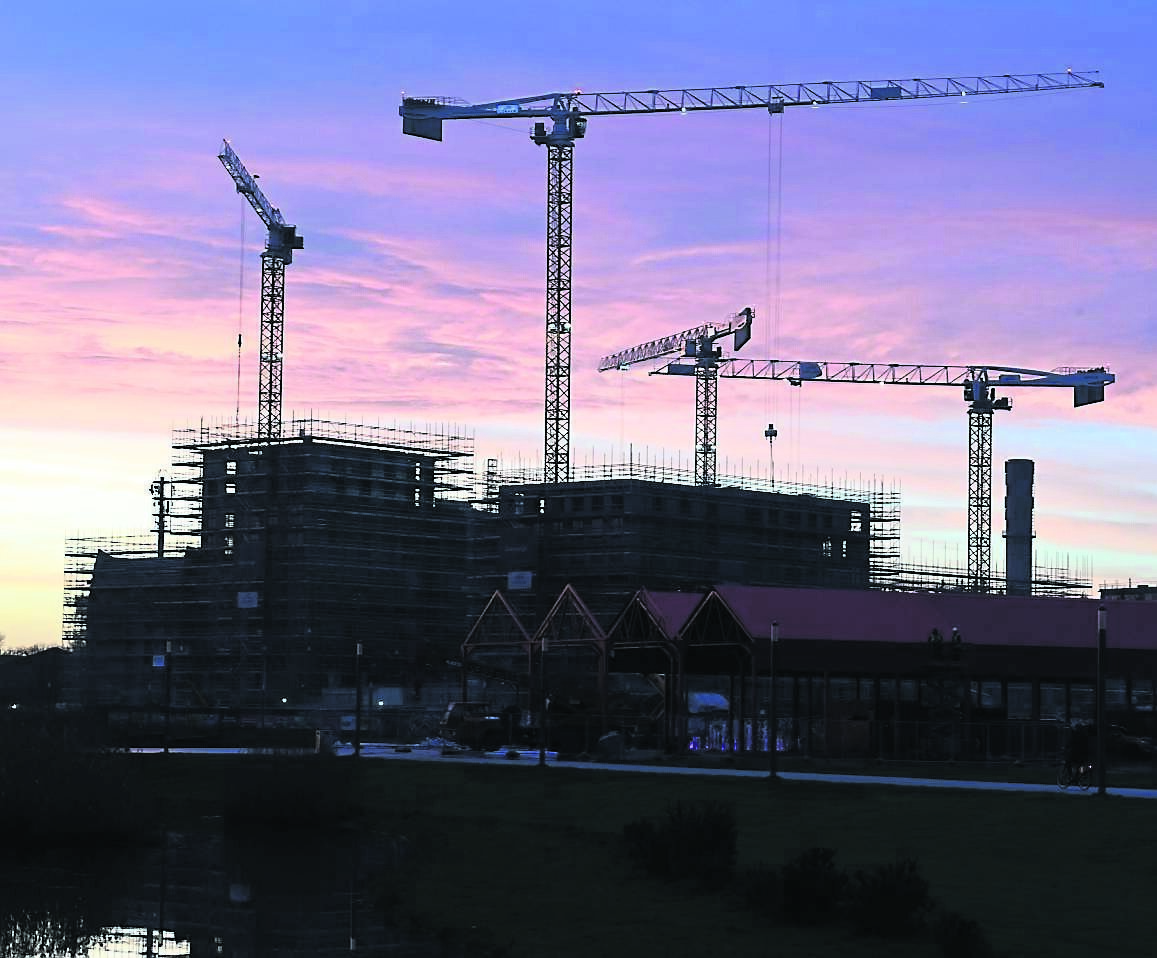
Getting in while an apartment development is underway allows plenty of time for research.
Hi Majella
I live alone in quite a large house, our family home in Cork City. While I am quite active, still playing golf and bridge, the house and garden is just too much for me at this point. I have previously looked at getting something smaller but there is very little on the market. I saw one house which was nice, but it was a bit further out and I would be surrounded by young families, and I don’t want to be the old lady living on her own. I’ve always thought a nice two-bed apartment — so my family can visit — could be the answer. Up to now there wasn’t much choice, but I see an apartment development is getting underway a short distance away. I also saw that one of the banks will start offering bridging finance next year aimed at downsizers. If you use bridging does that mean that you can buy without selling your own property first? Are there any risks with bridging? The whole thing is on my mind now because my children will be here for Christmas and I know it will come up again. Like my friends they have different ideas about it, and I just find it all a bit much sometimes. Any advice would be appreciated Majella.
Thank you, Joan
Dear Joan,
It’s the time of year when people naturally reflect on their lifestyle, and for many, downsizing and rightsizing is a topical conversation. You’re certainly not alone in thinking about whether your current home still fits your life. Many people reach a point where their family home, while full of memories, no longer suits the way they live today.
The first thing I’d say is this: now is a very good time to rightsize, particularly because you are still active and independent. You’re playing golf, meeting friends, and enjoying your routines. Making a move while you’re in control of the decision gives you choices and flexibility. Waiting until a move feels urgent rather than practical can make the whole process far more stressful. Rightsizing now also allows you to choose a home that supports your lifestyle and hobbies, rather than compromising later due to mobility or health issues.
You’ve already identified one of the biggest challenges in the current market — supply is very low, especially for smaller homes and apartments in good locations. That’s why your instinct to research early is a good one. When the right property comes along, being prepared will make all the difference.
Location is key. Wanting to stay close to familiar amenities, shops, healthcare, and social outlets is not just a preference — it’s a smart long-term decision. Moving too far from your established area can feel isolating, particularly if you’re surrounded by young families at a different life stage. An apartment development close by allows you to remain part of your community while reducing the burden of maintaining a large home.
A two-bedroom apartment is often an ideal solution. It gives you space for family visits without excess rooms to heat, clean, or worry about. Apartments also remove the responsibility of garden maintenance and external repairs, which can be a real relief.
However, it’s important to understand how apartments work. Most are part of a Multi-Unit Development (MUD), which means there is an Owners’ Management Company (OMC) responsible for the upkeep of common areas. You’ll pay an annual management fee, and you should check that an adequately resourced sinking fund is in place. This fund covers long-term maintenance like lifts, roofs, and external works. A well-run OMC and a healthy sinking fund are essential for peace of mind.
That said, MUDs are not without their potential drawbacks. Some owners find management fees higher than expected, and disputes between residents or with the OMC can sometimes arise. Decisions about maintenance or repairs are made collectively, which can occasionally slow things down.
It’s also worth checking how flexible the rules are on pets, decoration, or renting out the apartment, as some OMCs are very strict. Understanding these details upfront, and reviewing the developer’s projected maintenance plan, can prevent surprises later and ensure your home remains a comfortable, hassle-free place to live.
Ireland has not been building enough age-friendly homes as part of general housing developments, and that is a real failure in our housing system. Unlike many parts of Europe and the USA, we have very few retirement villages. As a result, many people end up trying to adapt homes that were never designed with older living in mind.
This is where apartments can offer a real advantage. Security becomes increasingly important as we get older. In a typical housing estate, there’s often little in the way of controlled access or shared oversight. Purpose-built apartment developments aimed at older buyers tend to offer secure entrances, lifts, lighting, and layouts designed for ease of movement. That sense of safety and community can make a huge difference to day-to-day confidence.
It’s also encouraging that you’re looking at a new apartment development which is getting underway nearby. Even though it’s only being built and you can’t talk to residents yet, you can research what a move would involve. At this stage for example, you can review plans, layouts, management structures, projected fees, and other details, all of which will help you decide whether it’s right for you. Making a checklist of must-have features, accessibility options, and budget considerations is a practical way to approach the decision calmly and methodically.
Let’s talk about finance, as this is often the most confusing part. You mentioned bridging finance, and you’re right to be cautious. Bank of Ireland has announced a new bridging loan aimed at downsizers, due to launch in early 2026. Bridging finance allows you to buy a new home before selling your existing one, but it’s important to understand the costs and risks. Bridging loans typically carry interest rates of around 7%, making them expensive if used for longer than intended. They are designed as short-term solutions. If your existing home doesn’t sell as quickly as expected, the interest can add up and create unnecessary pressure. For that reason, selling first is usually the safest option, if your circumstances allow.
One very practical first step you can take now is to get a valuation of your current property. This gives you clarity. Once you know what your home is worth, you can budget realistically for your next move and find out whether bridging finance would even be necessary. A valuation also helps you feel more in control of the process, rather than guessing or relying on hearsay.
Emotionally, it’s completely understandable that this is on your mind, especially with your children visiting at Christmas. Everyone will have an opinion, and while those opinions usually come from a place of care, they can feel overwhelming. Try to remember that this decision is about your comfort, security, and quality of life.
Downsizing or rightsizing isn’t about giving something up — it’s about choosing a home that supports the life you want to live now and into the future. With good advice, careful planning, and a clear understanding of your options, it can be a positive and empowering move. It can also free up energy and finances, allowing you to travel, entertain family more easily, and spend more time on the activities you love without worrying about issues such as maintenance and upkeep.
Take your time, gather information, get professional guidance, and trust your instincts. You’re asking all the right questions, and approaching the process in a structured way will help you feel confident in whatever decision you make.
Majella Galvin is Chair of the Membership and Public Affairs Committee of the Society of Chartered Surveyors Ireland. A chartered surveyor, estate agent and registered valuer at DNG Galvin Auctioneers Bandon, she has been working in the property sector for over a decade - www.dnggalvin.ie If you have a property-related query or issue you would like to raise with Majella, please email irishexaminerpropertyqueries@scsi.ie


Subscribe to access all of the Irish Examiner.
Try unlimited access from only €1.50 a week
Already a subscriber? Sign in
CONNECT WITH US TODAY
Be the first to know the latest news and updates