Kieran McCarthy: Using direct labour on a self-build
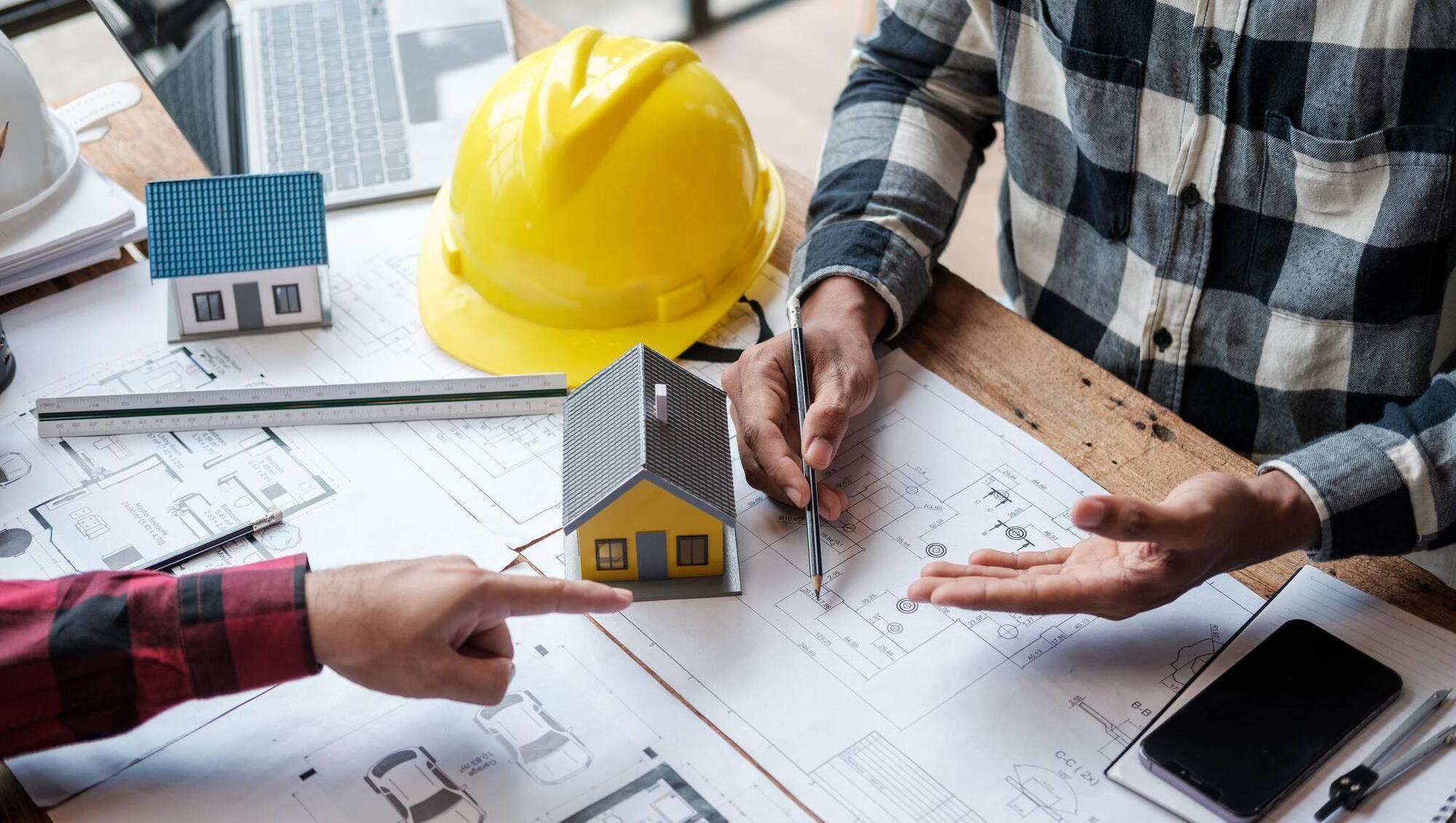
You can be in the hands of a main contractor and still decide you want a PM with an in-depth knowledge of construction to carry out regular, independent site visits. Picture: iStock
Hello Claire,
Thank you for these wonderful questions. Firstly, best of luck with your project, whatever way you choose to run it. Building a new home, when properly designed and constructed, can be a life changing endeavour. There is no doubt that building direct labour can be a challenge and, though there is the possibility of saving money albeit with a huge investment of your own time, but is it really worth it, is it feasible and how does it work on site when seeking advice and making decisions?
Let's look at what direct labour is to begin with. So, direct layout is when you run all aspects, including the day to day of a building project, yourself. You are effectively the builder and project manager. You need to ensure you have adequate insurance for this and, to be fair I would recommend you have a reasonable head for physics and would be somewhat ‘handy’ around the house.
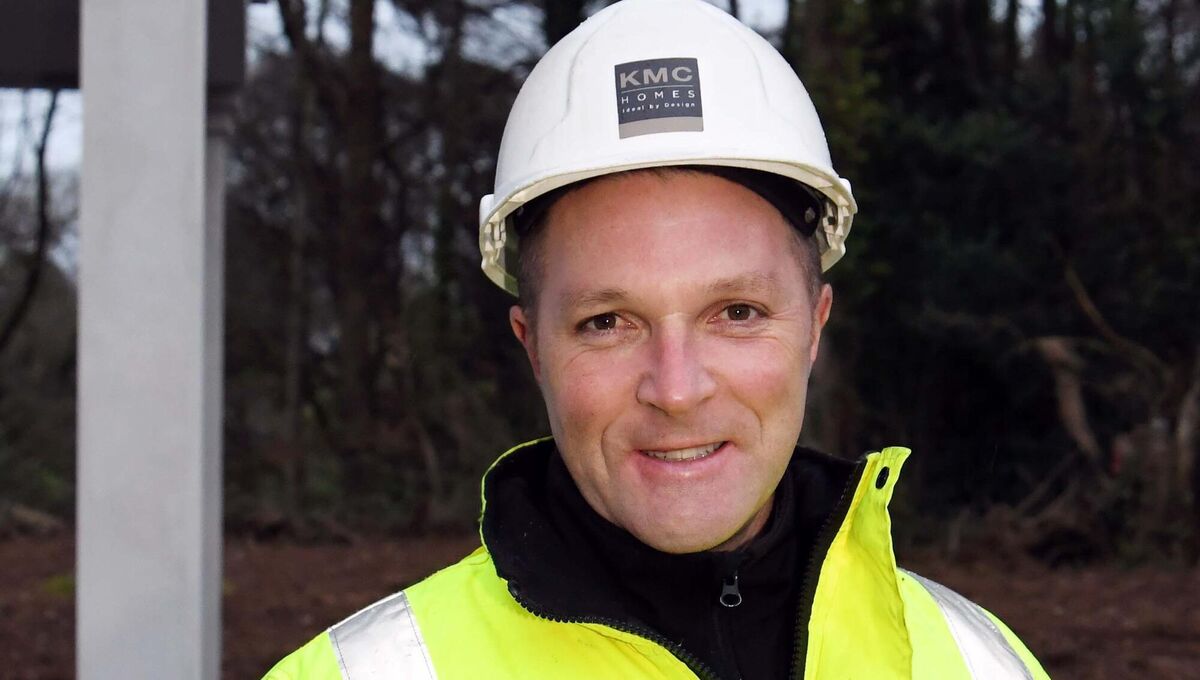
It isn't rocket science and you will (hopefully) have a team of experts (either trades or professionals) to help you execute the project, but I know from experience that a good foreperson makes an immense difference to a project in terms of quality, timelines and health and safety. In my own business, KMC Homes, I have foremen running our projects (for this very reason).
I used to find that the demands of running a business, when I needed to be in the office and at client meetings meant the projects we had on site suffered if i tried to do everything myself so i needed to bring in the expects.
When it comes to running your project, you will certainly have your work cut out for you. Depending on your knowledge and site experience, you will certainly be busy. Yes there are times when you don't probably need to be on site every day, but there will probably be times when you could almost camp on site. The more you are on site and the more your presence is felt, the quicker and better your job will run.
My fear is that if you are two hours away, you will not likely be there every day and the team on site will know this and the project will drag on and on. This will become particularly difficult when the project is nearing completion as you will have loads of trades overlapping and in many places one trade cannot progress until another has finished. This will be very hard to manage from a distance.
So, assuming you feel you can make this work and the distance is workable on a (very) regular basis, how are projects best run on site, particularly when you need to make key decisions by taking advice from both experienced trades and professionals? This is a hard question to answer as it will take many forms. Some questions are about craftsmanship or are so granular and specific in nature that a professional, who is certifying a project, will not necessarily mind which decision you make as long as it is in the best interest of the project or the finished home.
An example might be whether you use acrylic render or sand cement. You might be under budgetary pressure and there may be a cold snap on the way, mid winter. It is possible to apply sand cement in colder weather than acrylic and indeed sand cement is cheaper so (as long as there is no planning constraint) you could consider changing. In this instance your plasterer could be advising you on the costs and the ambient weather conditions whereas your architect or engineer could be advising you on the planning constraints.
Another instance could be when you are digging out your foundations. You might find that when speaking to your digger driver that when you dig out for a couple of internal walls that are close together that your digger driver advises you that the two trenches will not stand up on their own as they are too close together, that in fact one wider trench is more practical and safe. Here you engineer will have little option but to agree to this, with the benefit of this groundworker experience.
I suppose what I am getting at here is that it is not an ‘either or’ answer. If you decide to opt more for the professionals advice, you need to convey that back to the tradespeople to ensure they are happy with it. If not you may need to convey their opinions/recommendations back to the professional. In an ideal world you would be looking for a solution that everyone agrees on. If a tradesperson isn’t happy it may affect the quality of the work, your warranty or indeed the cost of the body of work (so be sure to understand their motivation).
If a professional does not agree with something it may affect their ability to sign-off and indeed your ability to draw down the next tranche of your mortgage. So this could have even more major consequences to your project. The reality is it is a team effort and collaboration is one hundred percent the best way forward. I learned very early in my career (I can still remember the day) that the best way to earn respect on site is not to pretend you know everything, but to ask for advice.
From a trades person’s point of view you will be respecting their wealth of experience and knowledge, and from the professional’s point of view, you will be ensuring you are well briefed on each aspect of the project before you dive into it. Best of luck whatever way you go!
- Kieran McCarthy is a building engineer and director of KMC Homes bespoke A-Rated new home builder, serving Cork and Limerick. He is also co-presenter of the RTÉ property show Cheap Irish Homes.
- Follow Kieran on instagram @kierankmc for more home building information, tips and Q&A advice.
- You can also follow Kieran on the Built Around You Youtube channel and @kierankmc on TikTok and check out Kieran’s new home design & building company kmchomes.ie

CONNECT WITH US TODAY



Be the first to know the latest news and updates