Kieran McCarthy: Vent-ing frustrations the right way
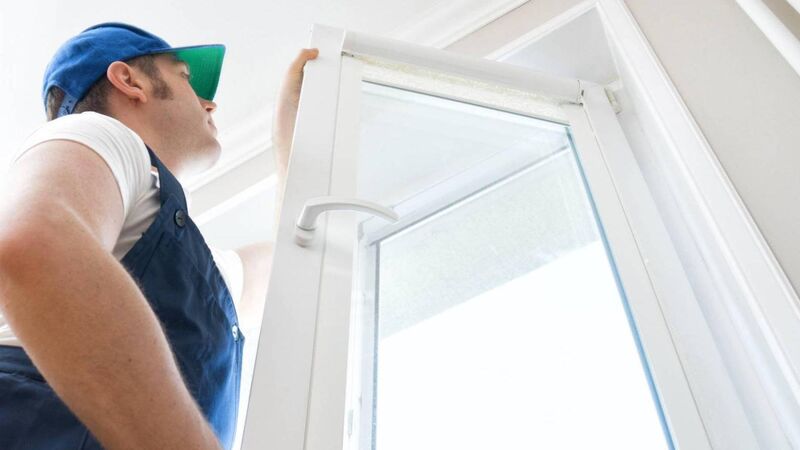
Biofuels like HVO and BioLPG could be combined with increased insulation, ventilation and air-tightness measures to improve the energy efficiency of homes suffering under low BER conditions. Picture: iStock
Hi Jason Thanks for your question. I guess, after all your careful investment, your dilemma is disappointing and somewhat counterintuitive.
You have insulated the external envelope of your house only to fit what now appears to be vent holes which leave cold air back in to your newly wam house. So, what is the logic behind this regulation and how do you protect your precious heat?
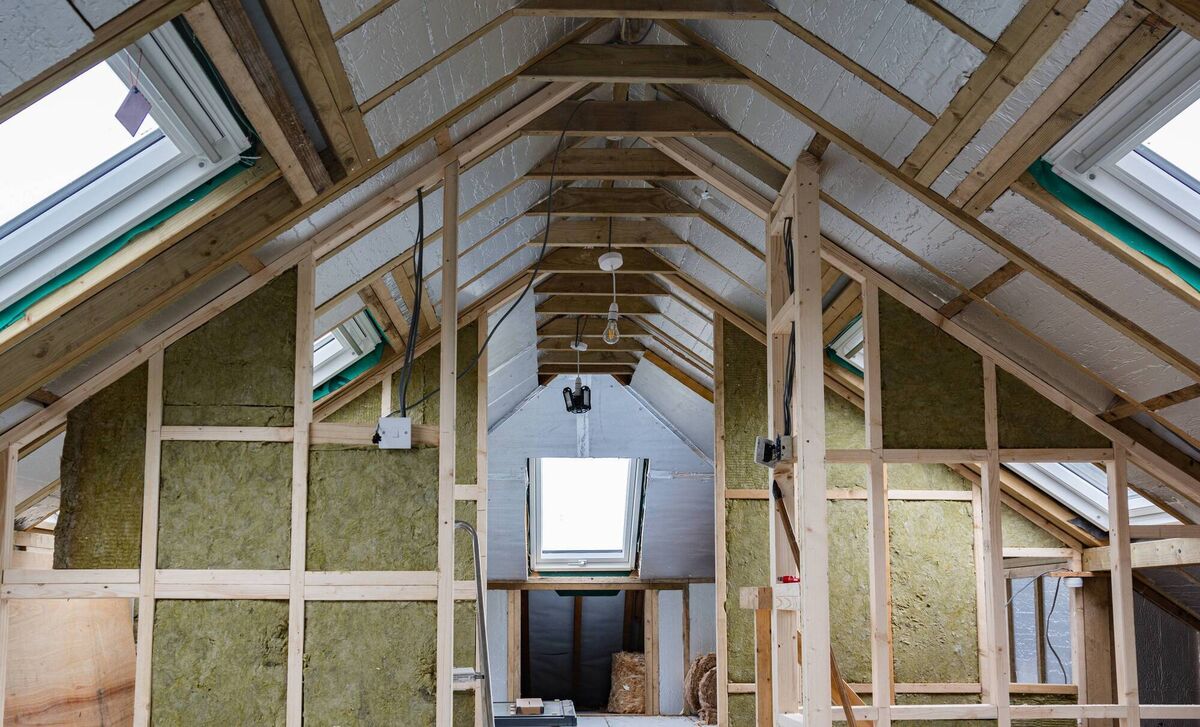
Before you renovate an old building, on top of the fact that it has little or no insulation, it leakes warm air causing numerous drafts. These drafts occur in all the junctions, cracks and service holes in your walls. So, old houses don’t really need vents to create passive ventilation. These vents are largely already in place due to the pre-existing drafts.
When you renovate a house and fit modern insulation and build to modern building standards, you tend to close off most of the air leaks which has the effect of eliminating the cold winter drafts but the required new vents, to comply with building regulations, does in fact leave in the cold air again. The difference between now and then is that at least you now know where the cold air is coming in.
If you were to remove these vents, you will need to introduce some form of mechanical ventilation to keep the air flowing in your home, otherwise you will trap stale air in your house as well as introduce condensation in most rooms. So, what are the alternatives?
There are two broad options when it comes to mechanical ventilation, demand control ventilation (DCV) and full mechanical heat recovery ventilation (or MHRV).
Demand control ventilation works by installing extract vents in your wet rooms so your bathrooms, kitchen and utility room. This system removes the moisture leiden air in these rooms and as this air is removed, it is replaced by fresh air drawn in through the window vents in neighbouring rooms eg bedrooms, sitting rooms, etc. This is quite a cost-effective solution as it requires a reasonable but not overly onerous level of air tightness in your home.
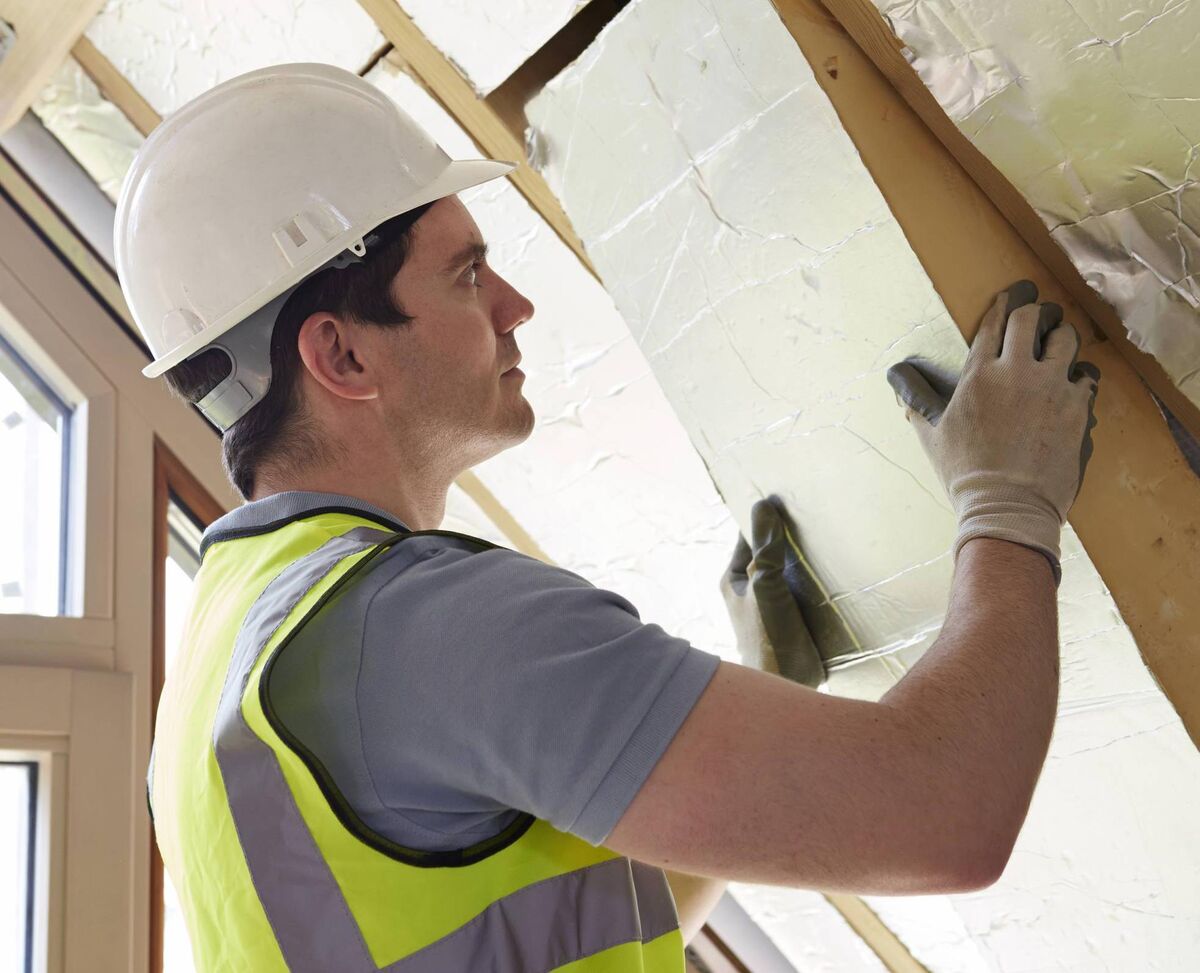
Another, more elaborate option in to install a full heat recovery ventilation system. This system involves installing mechanical ducted ventilation into all the habitable rooms in your house. The centralised system extracts stale air, removes the heat (though a heat exchanger) and uses this heat to preheat fresh air brought in from outside.
So, in effect you have a constant supply of fresh air maintained at room temperature indoors. This is however a much more expensive system to install.
Firstly you need to employ a more more elaborate and comprehensive airtightness regime. Instead of just installing tapes around windows and junctions, you will likely need membranes on all first floor ceilings, along all external walls (or an extra plaster layer) and rigorous attention to detail at all other junctions, windows and service entry points.
In addition to the fact that the system itself is more expensive to buy, the fitting also requires more ‘builder’s work’. As there is now a series of flow and return ducts fitted to most rooms, you need to consider the routes for these considerable pipes and how these are concealed afterwards in your newly renovated home.
So, now you have dealt with the passage of air through your home. To recap on the choices available; you can install the cost effective DCV system where you are moving air mechanically though your house but you are not recovering the heat from the air you are expelling so your heating system has a little more work to do to maintain your indoor temperature levels but this is an efficient and very effective system.

You also have the option of installing a full heat recovery system which ensures you have a regular supply of pre-heated fresh air in all your habitual rooms. So, which to go for?
In your case, as you have finished your renovation project, the DCV system will be much less invasive to install as there are much less ducts to conceal. It is of course a more cost effective solution and will certainly dramatically improve your indoor air quality, eradicate the new draughts you are experiencing and likely reduce your heating bills. Oh, and don’t forget, you can avail of SEAI grants for either ventilation system so apply today!
- Kieran McCarthy is a building engineer and director of KMC Homes bespoke A-Rated new home builder, serving Cork and Limerick. He is also co-presenter of the RTÉ property show Cheap Irish Homes.
- Follow Kieran on instagram @kierankmc for more home building information, tips and Q&A advice.
- You can also follow Kieran on the Built Around You Youtube channel and @kierankmc on TikTok


CONNECT WITH US TODAY



Be the first to know the latest news and updates