Kieran McCarthy: Things to consider when converting the attic
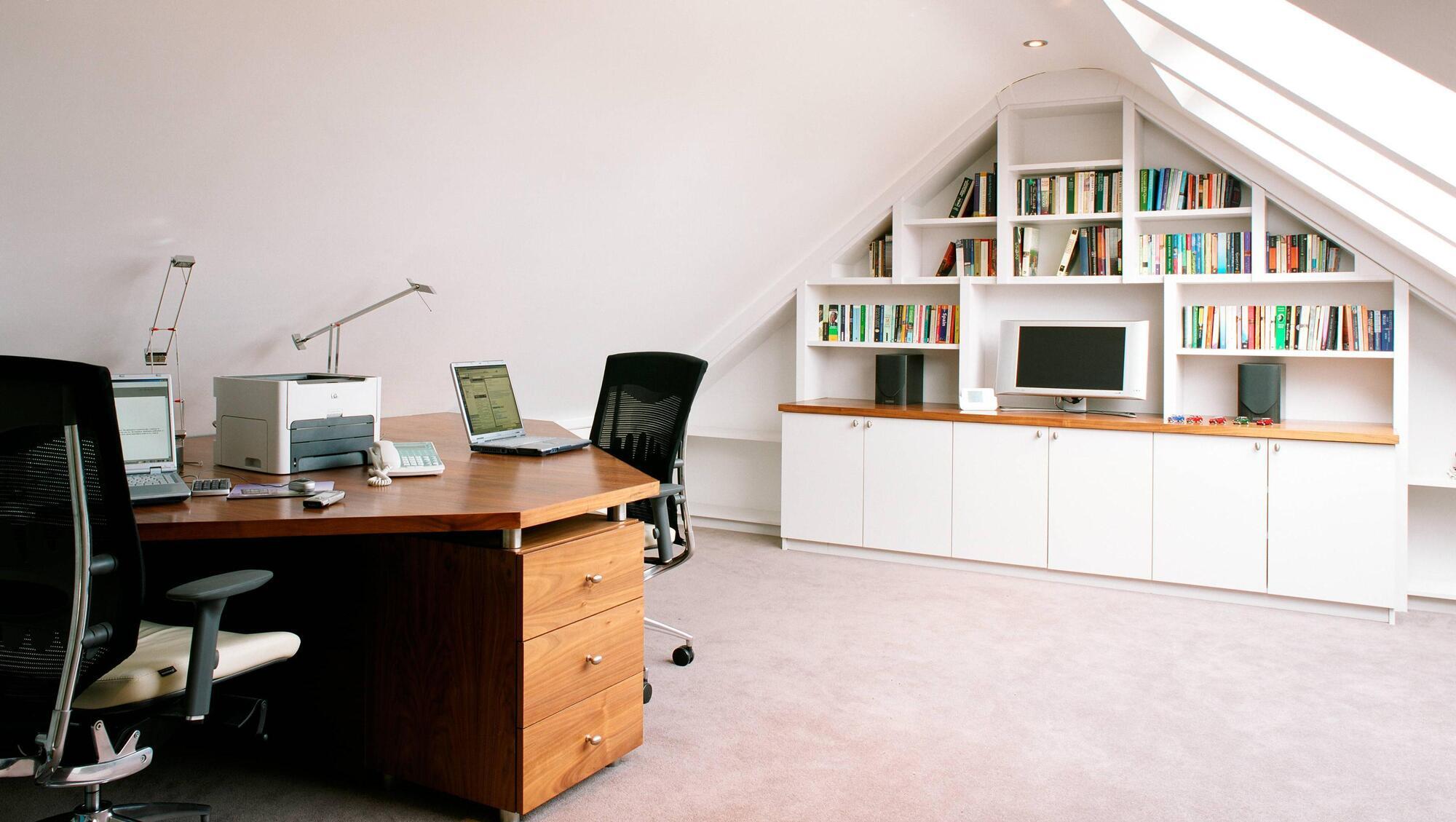
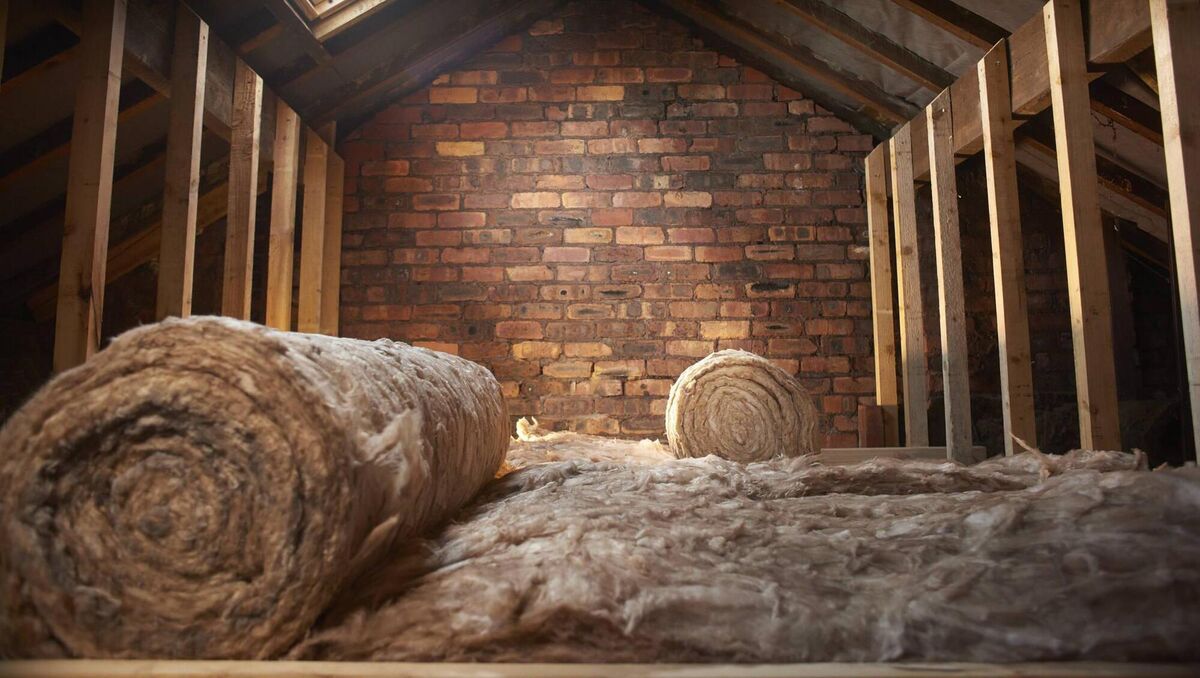
"The solution is to move the home office to the attic, but what does this mean to the structure of your roof when the new space is carved out?"
Kieran McCarthy: Things to consider when converting the attic

Hi Kieran,

We are living in a three-bed semi detached house in Glanmire Co. Cork.

We have been considering an attic conversion for some time now due to our new arrivals and finally got plans drawn up by a local engineer last month.

Our question is, is it possible to actually build an attic conversion without steel? Our engineer says our one can be done with just timber, is this true?

Thank you, 

Linda, Glanmire.

Hi Linda,

Thank you for this great question. So, like many people, I’m guessing you probably purchased your three-bed semi in Cork as a starter home and before you had children. Everything worked perfectly until the arrival of the pitter patter of tiny feet. 

With the ‘bundles of joy’ of course comes an endless array of baby paraphernalia; prams, buggies, play pens, travel cots, changing tables, and of course the fact that they will soon need their own room.

This room may well have served as your home office until now so therein lies the problem. So, the solution in your case is to move the home office to the attic, but what does this mean to the structure of your roof when the new space is carved out? Well, let’s see.

Let’s start with why you might need steel in the first place. Steel is generally used when you have too much weight (load) landing in an area that you wish to open up so this load needs to be transferred over a wide span. Steel is a very important material in construction. Its primary aim is to resist tension. 

If this span is short, say the width of a standard door and the load isn’t huge, a timber beam (head) may very well suffice (your engineer will confirm), but a with large load and a large span, timber will begin to deflect and sag and this is where steel will come into play. Steel is the master in these situations.

"A cut roof is when a roof is completely constructed on site with loose timber bought from a builder’s providers."

So, let’s look at how your roof structure may be designed. There are two ways to construct a timber roof structure; a trussed roof or a cut roof. A trussed roof is where the roof structure ‘triangles’ or trusses are predesigned and prefabricated off site. These trusses are constructed of light timber and gain their strength when the full truss is in place and the roof loads can be distributed throughout the truss as one element. 
These trusses are an engineering marvel and allow a roof to be constructed quickly and cost-effeciently without having to resort to heavier timber sections. A cut roof however is when a roof is completely constructed on site with loose timber bought from a builder’s providers. As these timber have to transmit loads solely through each timber, these timbers normally need to be deeper in section. Whereas cut roofs are usually easier to convert as the timbers are heavier, new homes in new parks are generally constructed with trusses and these suit this form of large scale development.

I have noticed of late that developers are putting a little more thought into this trend of attic conversion. My brother contacted me recently to look at his attic. He assured me that there was enough head height currently which was my concern as if you need to start removing horizontal timber ties and struts you can really start to put the roof structure under pressure and the need to add a substantial amount of new beams grows quickly, I noticed as I ascended the Stira that the roof was truss built with ample ceiling height and in fact the trusses had been designed with clear spans in mind and the floor was firm. This was a great start. This meant that the frame was good and it was more a case for fitting out the space than dramatically altering the engineering.

In your case, without having seen your roof, I am assuming your case is somewhat similar. Given that your engineer is not seeing the need for steel I reckon that the structural alterations are not significant and they are able to transfer any loads to neighbouring beams with ease and thereby not requiring the introduction of steel for longer spans. This is a good news story as steel is both expensive and may be tricky to get into your attic due to its weight.

Kieran McCarthy, KMC Homes, engineer and builder.

Two words of caution with attic conversions however; Firstly, as you are adding a new floor to your house a three-storey house needs to be considered when it comes to fire escape regulations.

Secondly, before you commit to this significant investment, be sure you have planned for where the new attic stairs will be located. I have seen too many attic conversions where the stairs are sited in the spare bedroom: you lose one room to gain another, an unfortunate result in a quest for new space.

  • Kieran McCarthy is a building engineer and director of KMC Homes bespoke A-Rated new home builder, serving Cork and Limerick. He is also co-presenter of the RTÉ property show Cheap Irish Homes.

  • Follow Kieran on instagram @kierankmc for more home building information, tips and Q&A advice.

  • You can also follow Kieran on the Built Around You Youtube channel and @kierankmc on TikTok

More in this section

Revoiced

Newsletter

Sign up to the best reads of the week from irishexaminer.com selected just for you.

Cookie Policy Privacy Policy Brand Safety FAQ Help Contact Us Terms and Conditions

© Examiner Echo Group Limited