Turning back to a Great Hunger at Strokestown Park House
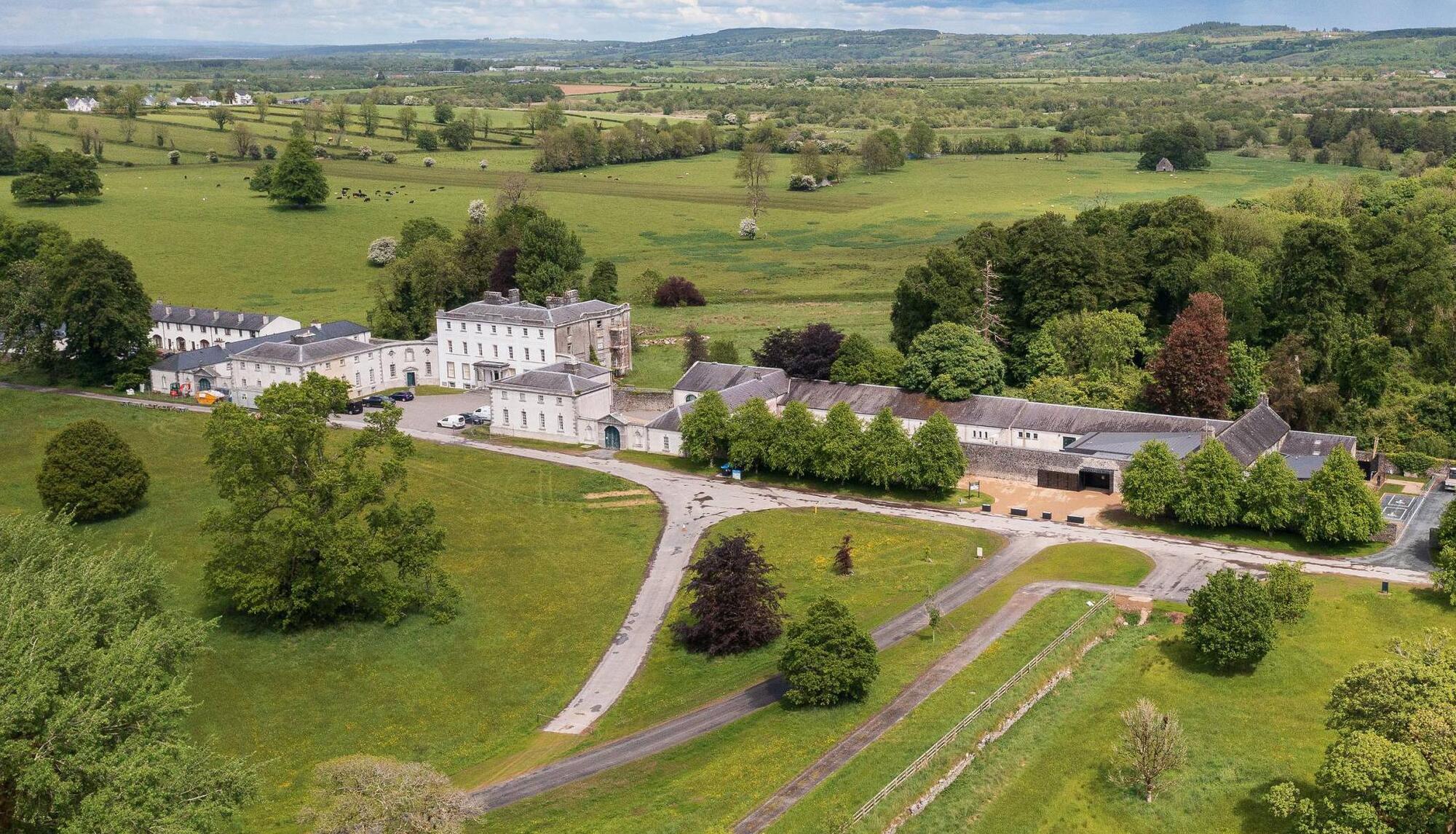
Famine Museum at Strokestown Park House, Co Roscommon.
Midway through his recent Oireachtas appearances Ryan Tubridy’s agent Noel Kelly told politicians it was time for his client to do other stuff. “He could do a famine documentary,” he suggested.
If Tubridy takes the ball and runs with it, his starting point should be a visit to the exquisite home of the first famine landlord assassinated by his tenants – the notorious murder of Major Denis Mahon in Strokestown Park, Co Roscommon in November 1847. It sent shockwaves through the British establishment and reached the ears of Queen Victoria and even the Pope.
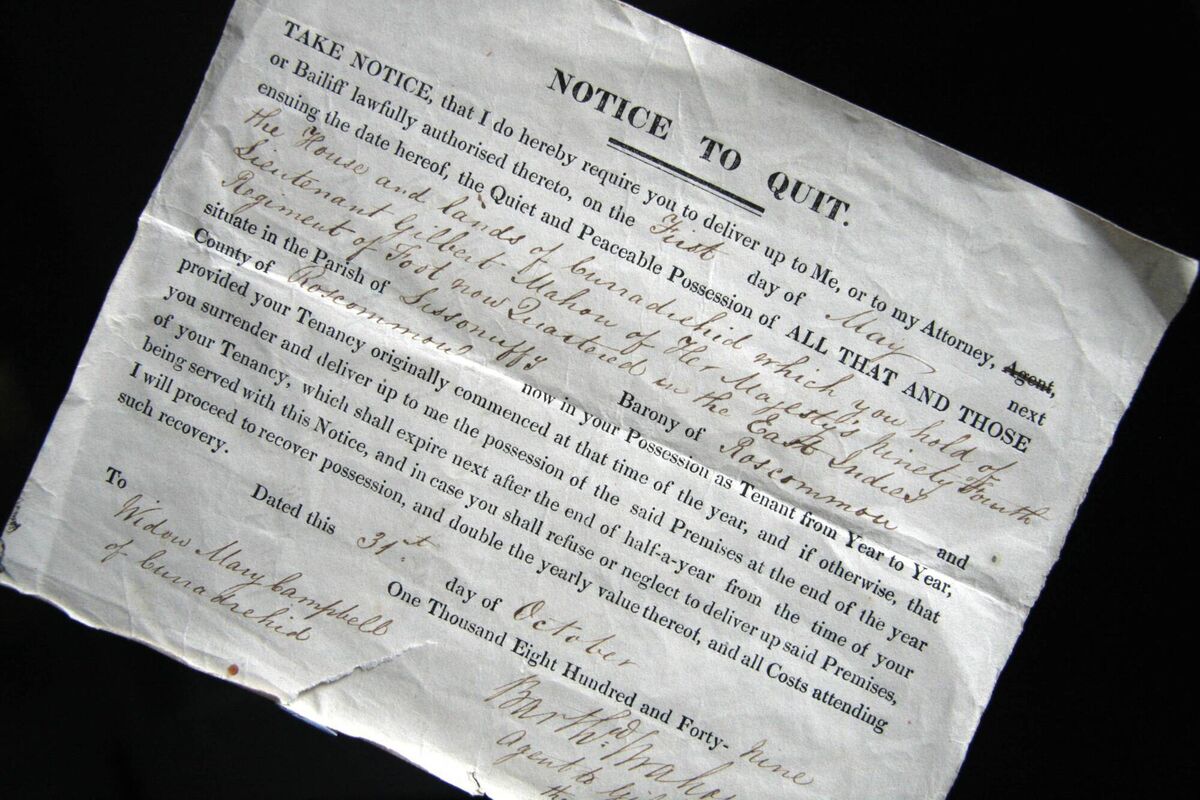
The Major had been a marked man for at least a year. After a second failed potato crop was destroyed by blight in August of 1846, 22 labourer tenants wrote to him in despair in what has become known as the famous Cloonahee Petition.

“Our families really and truly suffering in our present and we cannot much longer withstand their cries for food. We have no food for them. Our potatoes are rotten, and we have no grain,” they wrote. The petition ends with an explicit threat: they were not for violence “unless pressed to by HUNGER.”
The petition was one of the first documents in a treasure trove of famine-era records discovered by the current estate owner Jim Callery over 40 years ago. Signifying its historical significance, the petition today has pride of place at the entrance to the newly reimagined National Famine Museum at Strokestown, the Major’s former seat of power.
And power he wielded. In her recent film From Strokestown to London, inspired by her visit to Strokestown, acclaimed poet Cherry Smyth tells the story of a peasant woman named Catherine Larkin who had the temerity to cross the Major’s lawn. For this transgression, she was taken to court, fined and slapped.

The humiliations and miseries heaped on the Irish and the obscene wealth and power enjoyed by their Mahon overlords are beautifully presented in the new museum, which opened last year after a €5 million investment. Creating empathy and a human connection to the massive scale of the famine is no easy feat but every space in the museum is designed to put a human face on our national catastrophe. Listening to your audio guide as you would a phone, you enter what used to be the old stables and move chronologically through the events at Strokestown which mirrored a national story.

The landlords’ lives is recreated in imaginative settings, with sounds, shadows and lights surrounding original artefacts – a handwritten recipe for lobster soup contrasts sharply with the Major’s list of tenants to receive meat on Christmas Day. The class society of the time is explored with innovative audio-visuals, touch screens, dramatized audio recordings — you can even stand in a recreated six-foot-by-six-foot coffin ship berth. It is unnerving.

Patrick Brennan was just three years old when he boarded the ‘Naomi’ on its journey to Canada in 1847. He was dead when the ship arrived in Quebec. The landlord made sure to erase all trace of the huts occupied by the former tenants after they were evicted. They were wiped from history. But in the museum, Patrick and many other victims, orphans and survivors are finally remembered with the respect denied them in life.

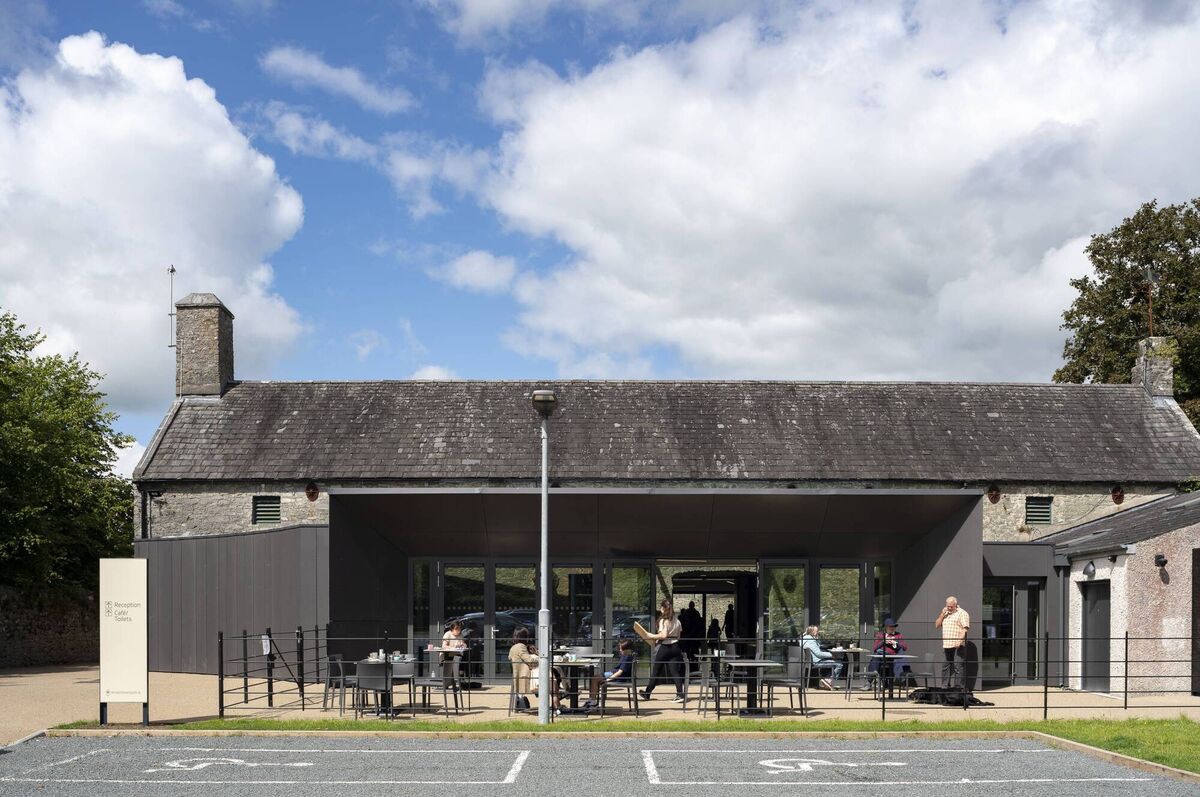
RTÉ’s Brian Dobson, who happened to be visiting the same day as our family, recalls seeing the Cloonahee Petition 30 years ago and “was completely stunned” by it. “It stopped me in my tracks,” he said sitting in the brand-new Woodland Café (which sells deliciously fresh scones). Dobson had just toured the new museum with his wife Crea, who was moved to tears by what she saw. “We had seen the museum before it was re-configured and it’s completely different now. I think they’ve made much better use, fantastic use of the documents and the archive material that tell the story so well. It’s quite moving,” he said.
“So often with something like the famine, because it’s such a long time ago it feels a bit abstract but this brings a powerful human story,” he said. “They’ve done that very well with the voiceover and the copy of the text there for you to read as you listen to it. It is an extraordinary archive and they use it very well,” said Mr Dobson.
Around the corner from the museum, conservation works inside the Major’s 300-year-old Palladian mansion have just been completed and with that, perhaps the sweetest justice for the peasants — the mansion they were never allowed set foot in, is now open to all and is an absolute must-see.
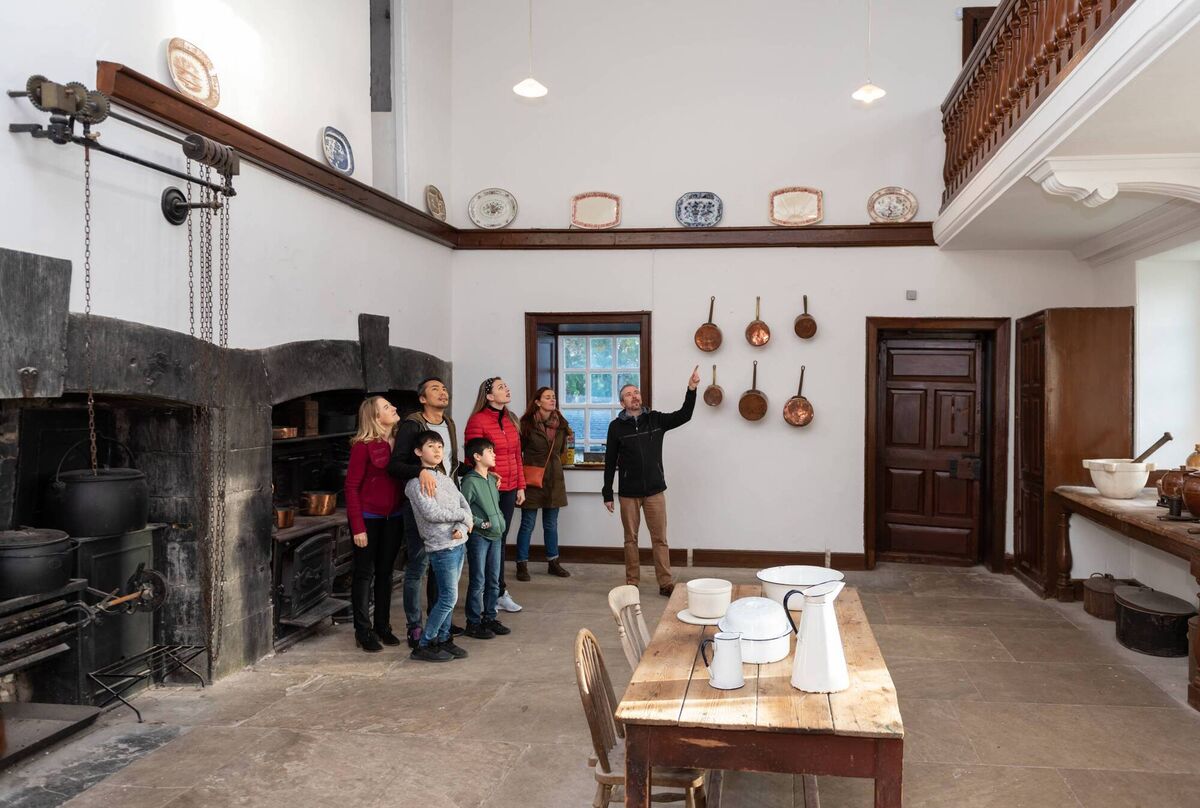
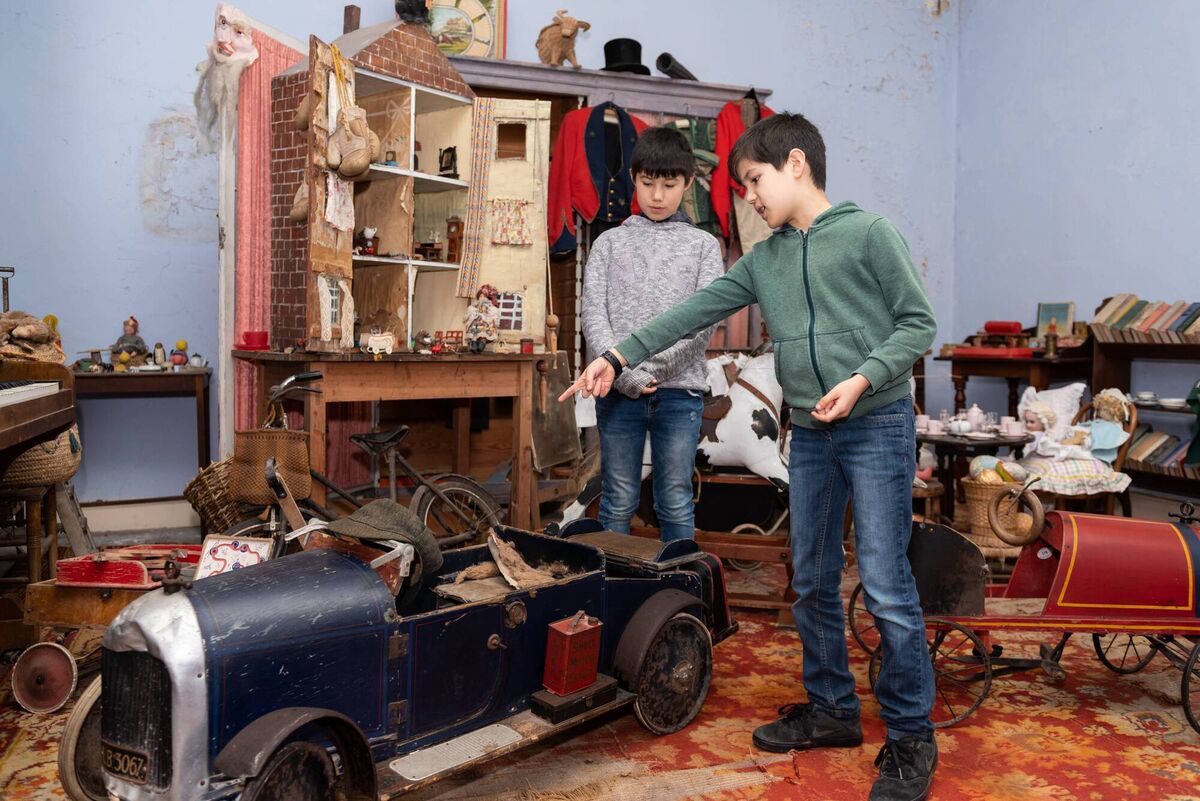
Open the door and you enter 1845. The golden age of Strokestown heirs and heiresses is perfectly preserved in one of the most amazing collections of original contents of any historic house in Ireland. New guided tours bring you through each room in the house. Stand in front of the Major’s desk where he surely read the Cloonahee Petition in 1846. Scan his library of ancient texts, peep into the boudoir of his heiresses or marvel at the magnificent galleried kitchen where m’lady would give her orders to cook.
“That’s the amazing thing here with Strokestown,” says General Manager John O’Driscoll. “You get into the house. You see how the landed gentry lived. But then you walk across the yard and you get another side of the story and what it was like for those living outside the estate. The house is a time capsule. It’s worn-looking, it’s old, it’s not been over-restored, it’s almost as it was left by the family. It’s stopped in time,” he adds.
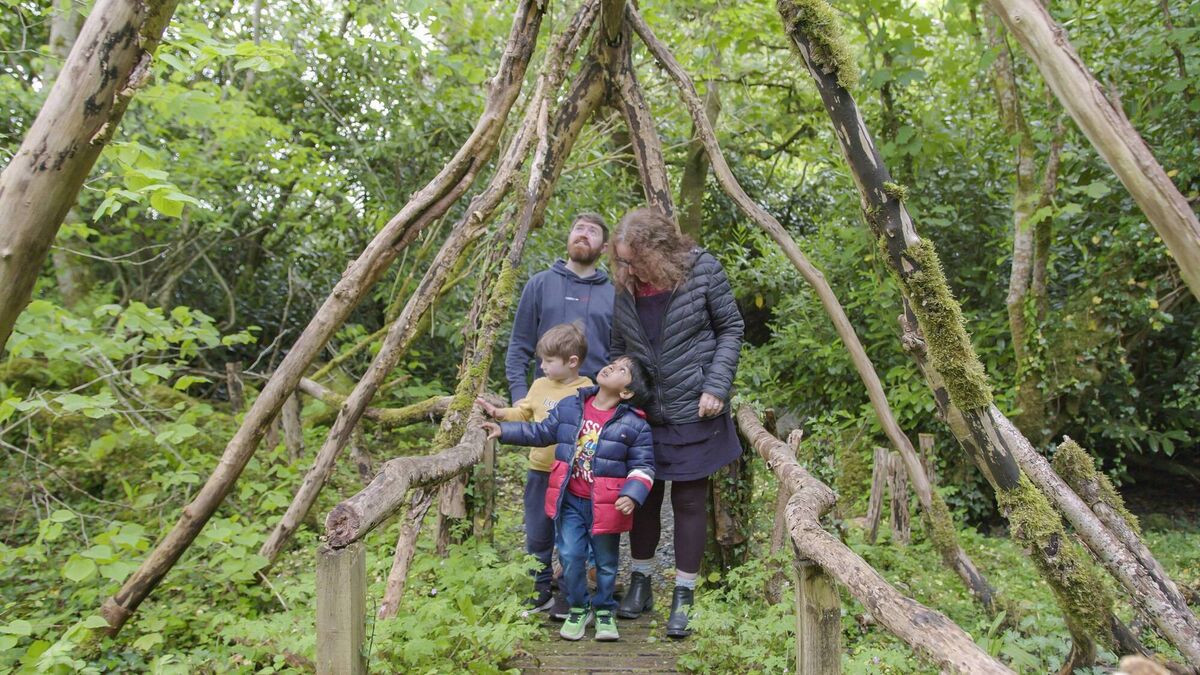
Strokestown Park is a worthy National Famine Museum, matching any European cultural attraction with acres of historic walled gardens and woodland walks. For kiddies, there are activity booklets to engage their curiosity and forest trails to expend their energy - unpatrolled and inviting. Today we can stroll across the lawns, wander the mansion corridors and remember our past. And we won’t even be fined or slapped for it.
See Strokestownpark.ie

Subscribe to access all of the Irish Examiner.
Try unlimited access from only €1.50 a week
Already a subscriber? Sign in
CONNECT WITH US TODAY
Be the first to know the latest news and updates