Fully rebuilt €1.15m Cork house had sad, shadowy past but now comes with a bright future
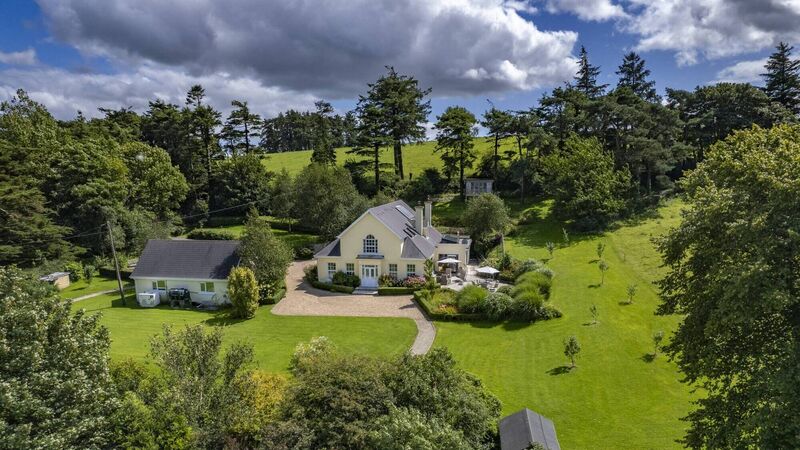
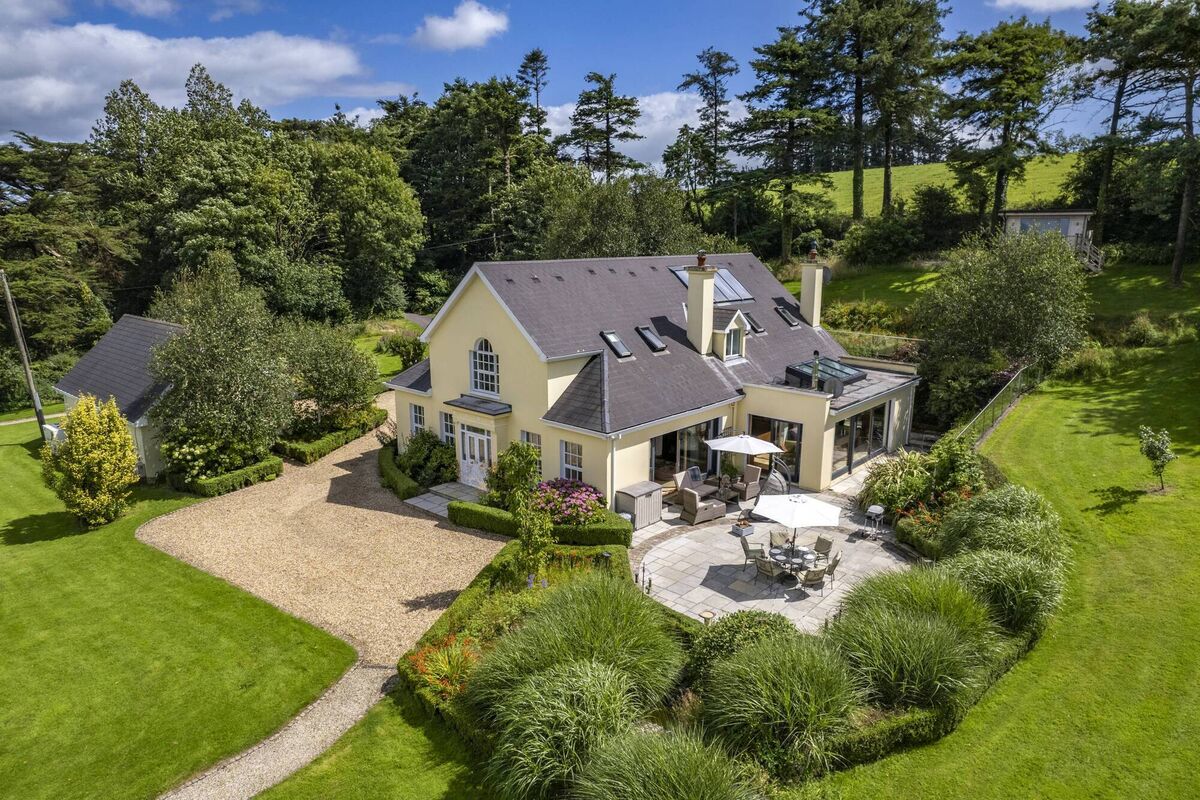
Reborn Ballygroman House, Upper Ballygroman, Killumny west of Cork city is guided from €1.15m by agent Brendan Bowe
|
Ballygroman House, Killumney, Cork |
|
|---|---|
|
€1.15 million |
|
|
Size |
360 sq m (3,850 sq ft) |
|
Bedrooms |
5 |
|
Bathrooms |
6 |
|
BER |
A3 - |
STEEPED in local history over the past 100 years, and more, is Ballygroman House… or at least various versions of the house carrying the same name have that long legacy, as the nation comes to the end of its Decade of Centenaries.
This house, just south of Killumney and Ovens at Ballygroman Upper amid good farmland, on a gently rolling hillside just west of Cork’s expanding Ballincollig, is linked with landowners, academics, and had a quite pivotal and ignominious role in 1922 in the uneasy period after the Truce, when the original 19th century house was the centre of a violent killing, and an even more violent aftermath.
The events of April 26 1922 saw an IRA commandant Michel O’Neill killed as he tried to enter Ballygroman House to commandeer a car, and IRA reprisals afterwards in which ten local Protestants were shot in revenge with various motives attributed in what became known as the Dunmanway massacre. There were reprisals in ripples as far away as Macroom, and condemnation on both sides of the Irish Sea, and from both pro and anti-treaty supporters, as well as denials of ‘ethnic cleansing’ retaliations amid the brutality.
The Ballygroman House of that time — owned by a Hornibrook family whose guest Herbert Woods (a former British soldier) had shot the IRA’s Michael O’Neill — was burned down after the shooting of O’Neill, and Woods, and father and son Thomas and Samuel Hornibrook were taken captive by the IRA, later killed and were buried in a bog in Newcestown: their bodies have yet to be recovered.
The Dunmanway and Ballygroman killings were one of the last attrocities of that period of political unrest in the early days of the new State, repercussions ran deep especially among the Protestant community and, after the burning, a new, replacement Ballygroman House house was built in the same spot.
That next Ballygroman House later became associated with Daniel Corkery, a noted Irish and Gaelic scholar, teacher, writer, artist, woodworker and cultural activist, who’d been born in the city’s Gardiners Hill and who ended his days in the 1960s in a bungalow near Myrtleville.
Daniel Corkery had written his best known work The Hidden Ireland in 1924, just a year or two after the Ballygroman massacre, and he is said to have lived here at Killumney between 1929 and 1950, part of that period coinciding with his time as Professor of English in UCC (1930 to 1947), famously beating Seán Ó Faoláin to that post.
Ballygroman House last changed hands again in 1997, when it was bought as a family home by another individual also coincidentally associated with UCC, Prof Duncan Sleeman who headed up the UCC Dental School and Hospital at CUH Wilton and who was quite taken with the coincidental professorial link to Daniel Corkery mentioned in Irish Examiner Property editorial over a quarter of a century ago.
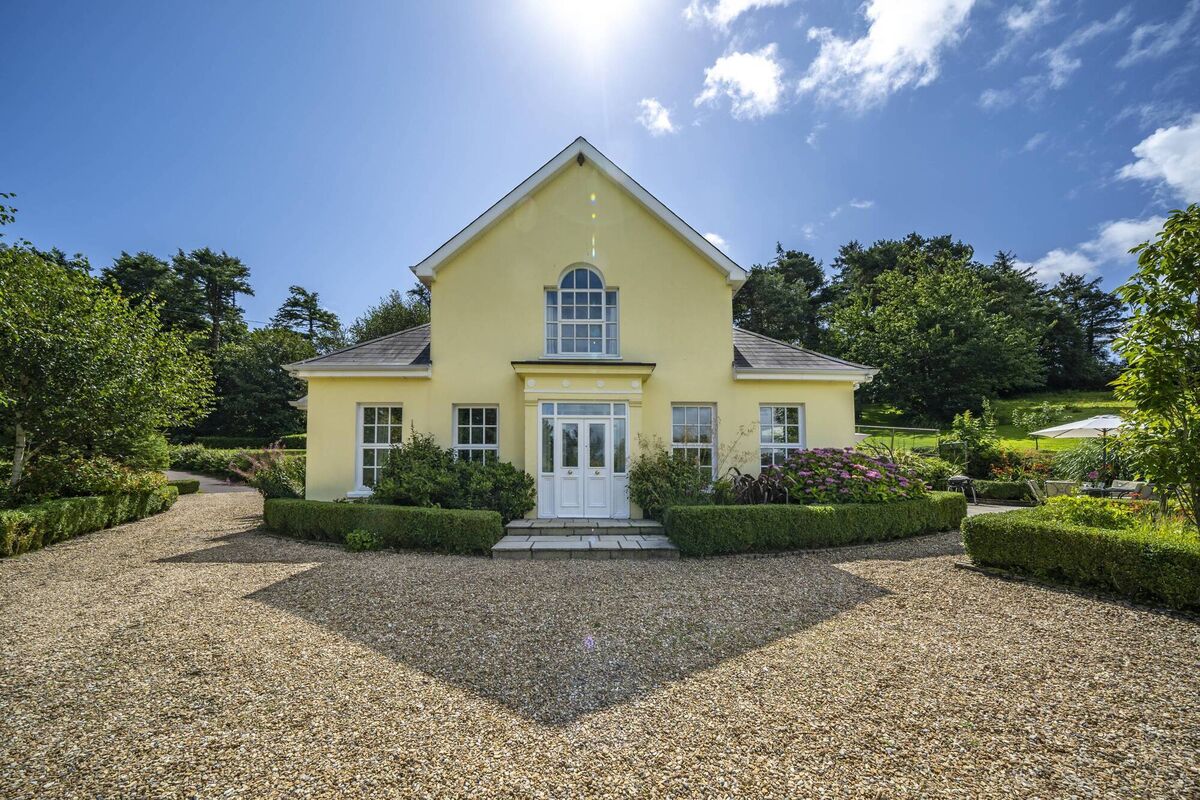
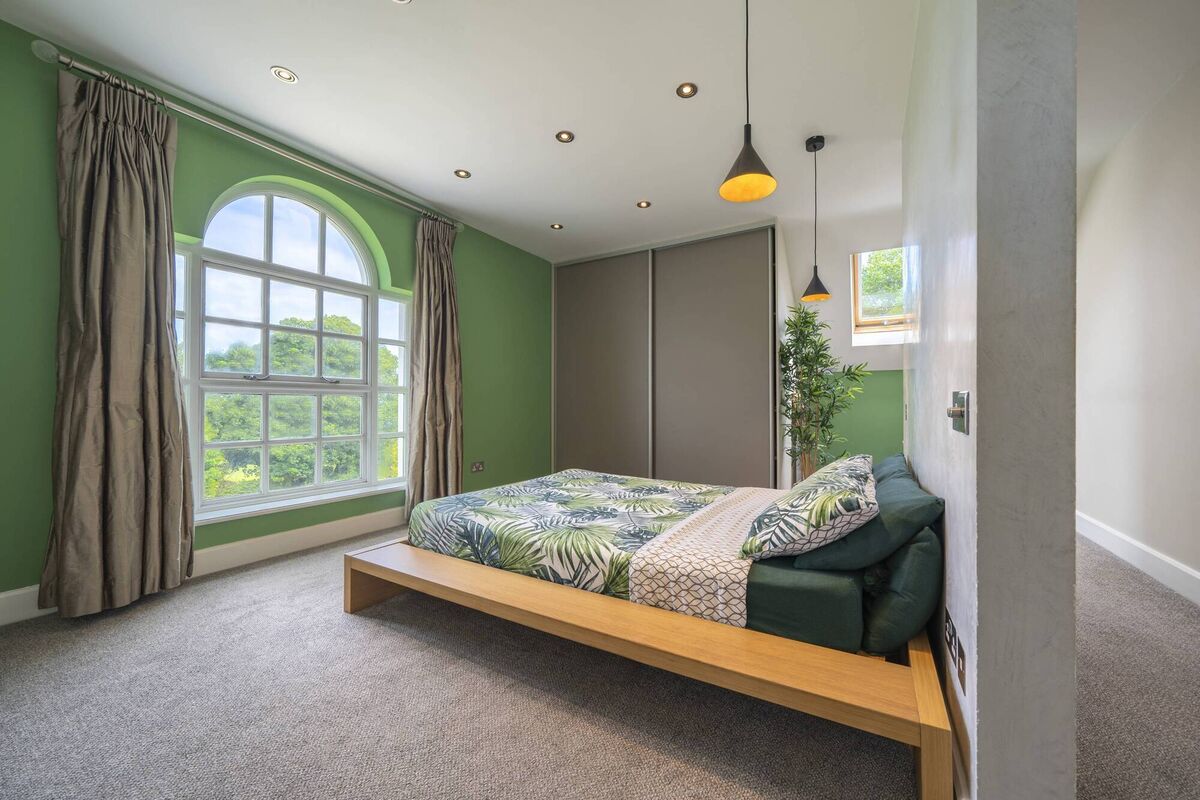
That central surviving arched window is now one of the ‘money shots’ in the third Ballygroman House as it now robustly stands, giving as it does long and distant views to the north and west over lovely farmland to the hills on the Cork-Kerry border, robustly breaking and shaping the horizon.
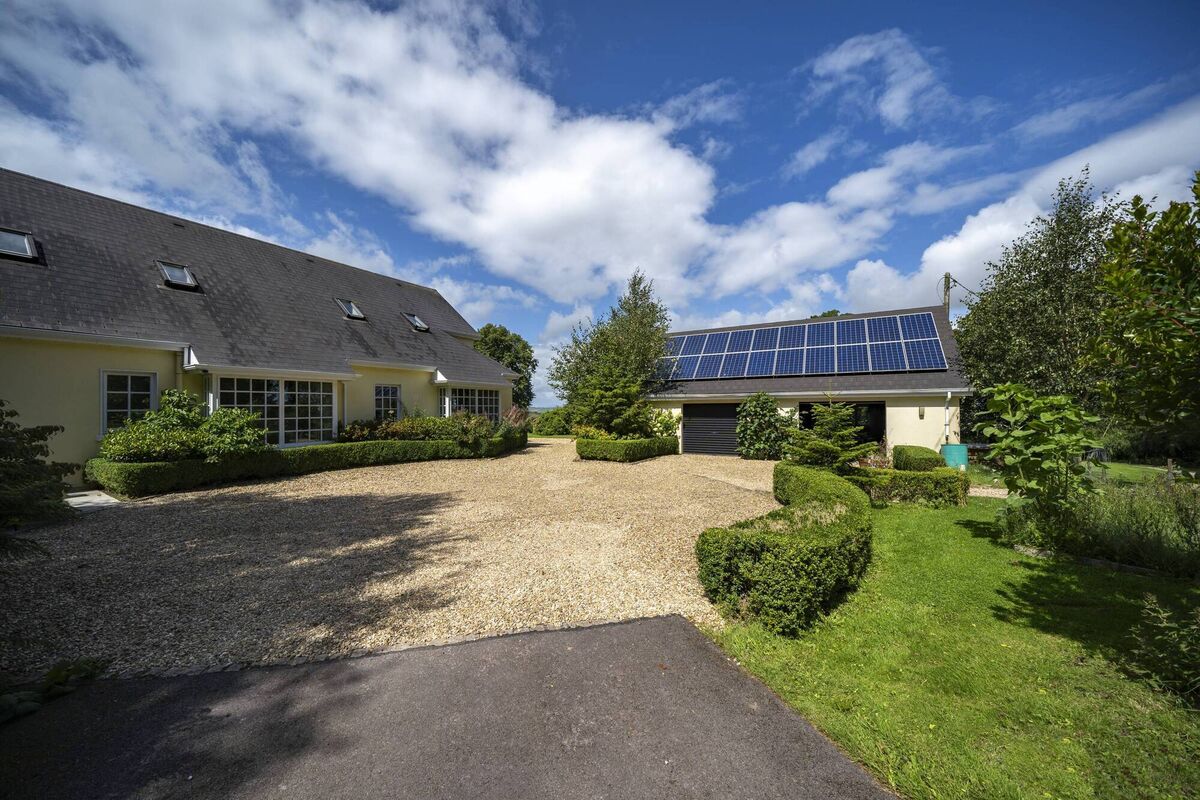
Not surprisingly, today’s Ballygroman House is an utterly different property to the earlier versions, instanced most assertively in its building energy rating (BER) hitting a very enviable A3, so whatever its past, its current and future status is of a wholly-comfortable, up-to-speed family home that promises and fully delivers on creature comforts.
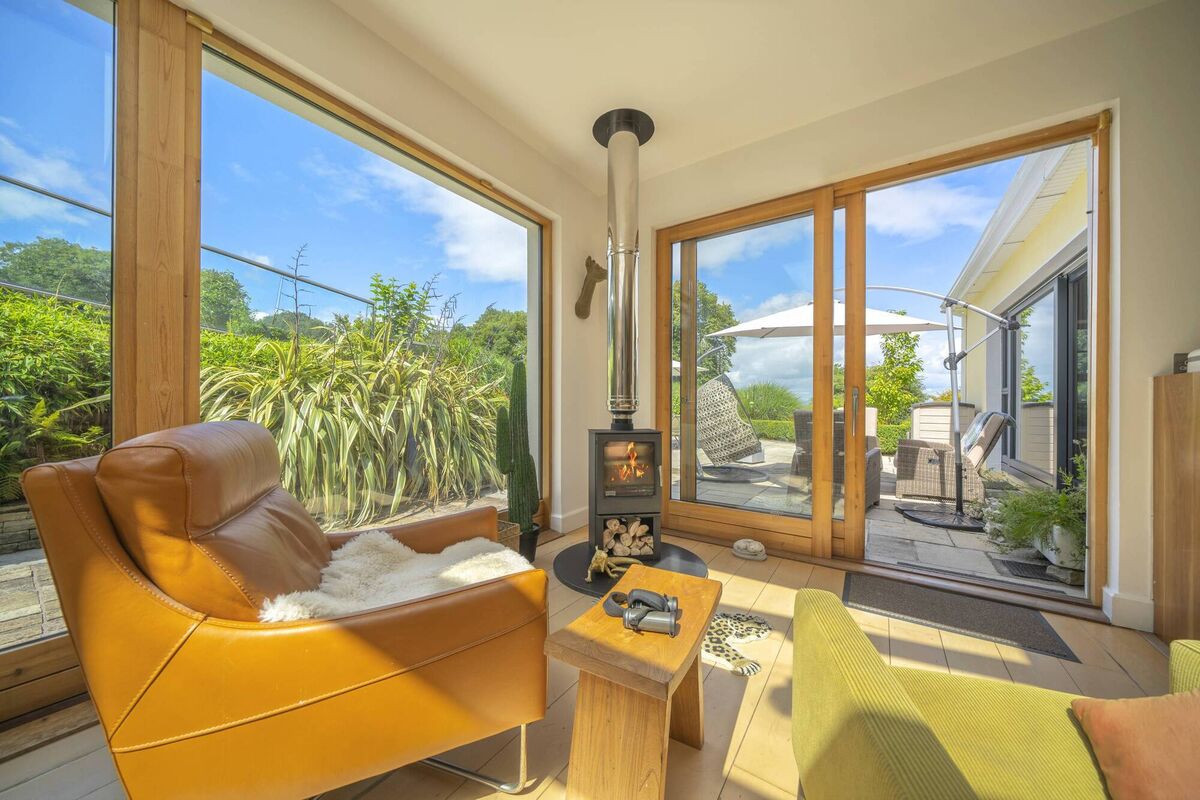
With family reared, Ballygroman House comes to the market with estate agent Brendan Bowe who says “it brings everything to the table,” combining space, comforts, the highest standards of internal finishes and fixtures, modernity and yet historical roots, along with immense privacy.”
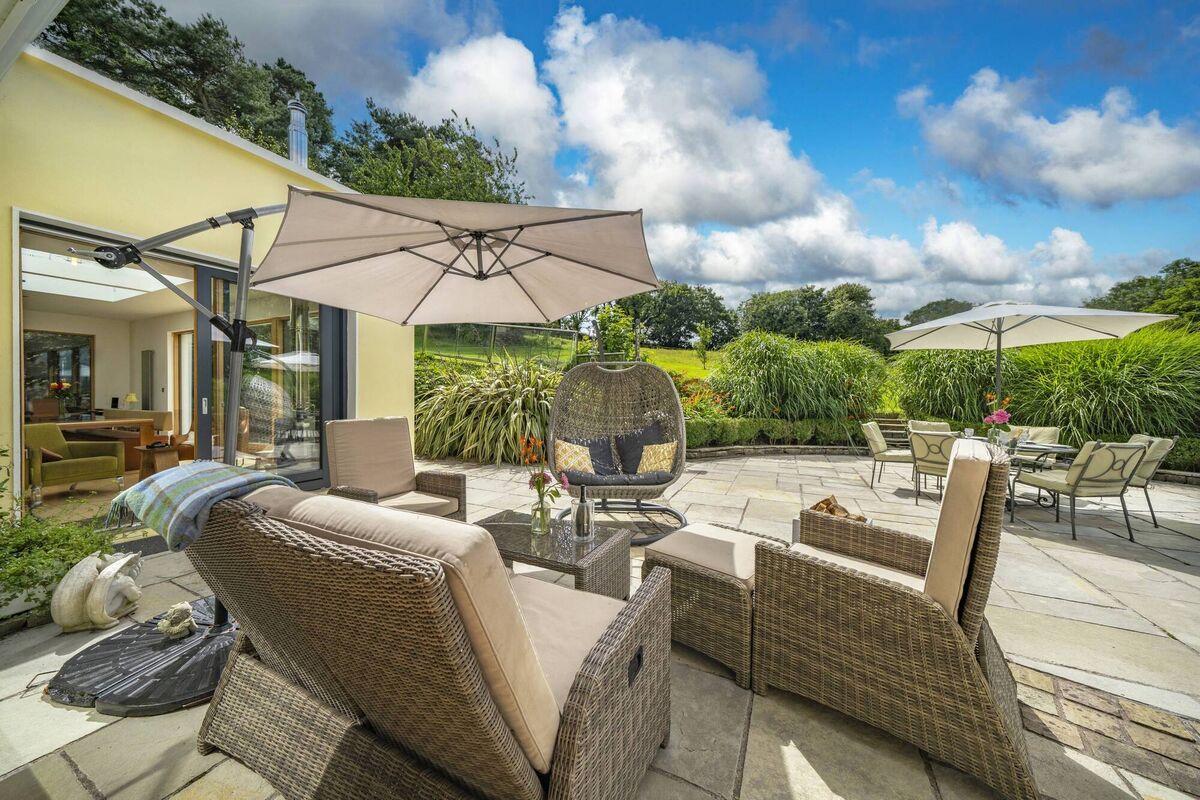
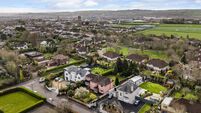
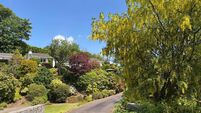
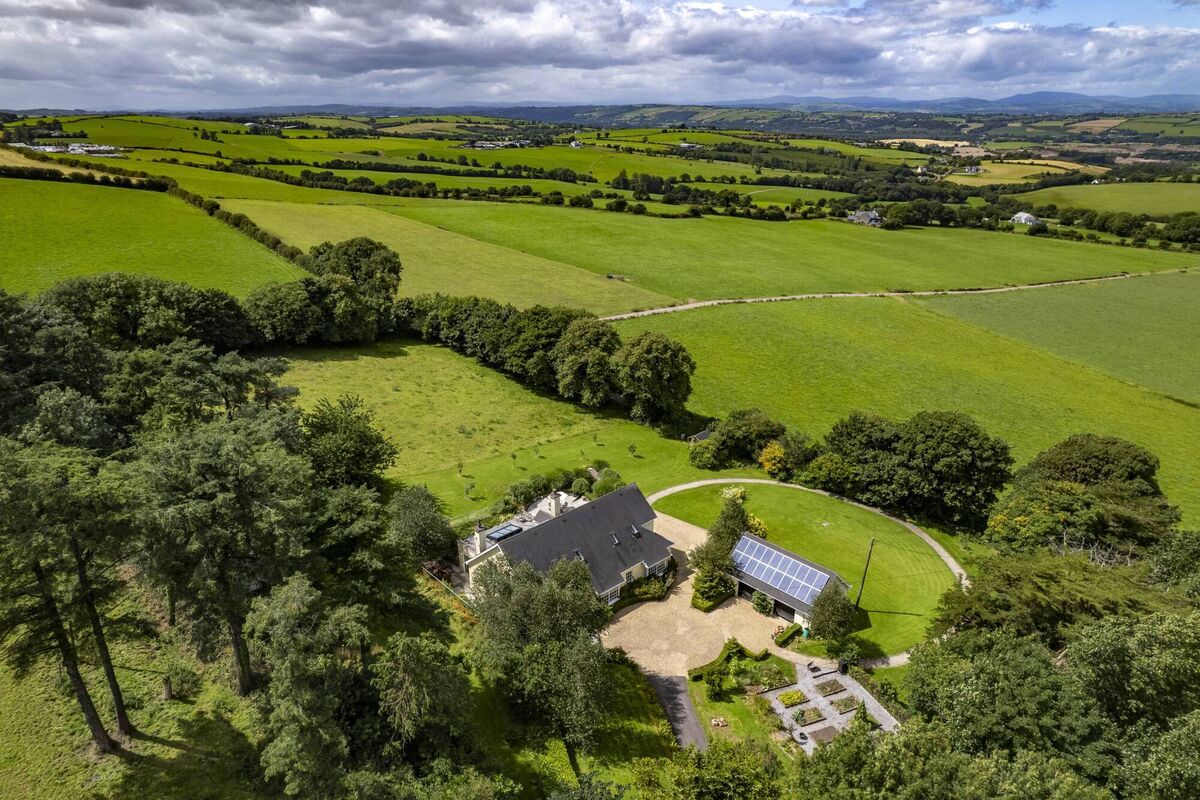
It’s a kilometre or so uphill of Killumney village with school, shops and services, five minutes or less by car from the Ballincollig bypass/N22, with a discrete entrance with electric gates near large farm holdings but is fully removed from them, with a 450-metre long private approach avenue, landscaped and lush, lined with mature trees dating back to earlier Ballygroman House days and interspersed with ferns and seasonal planting.
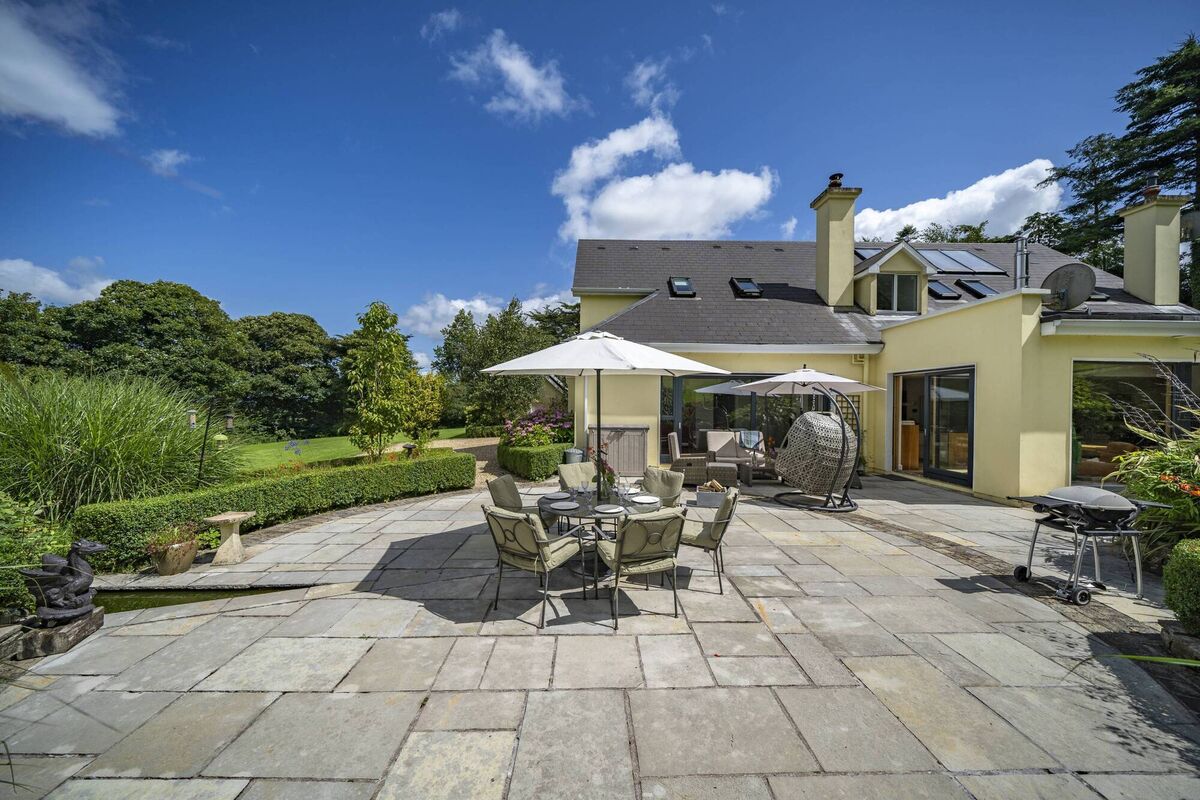
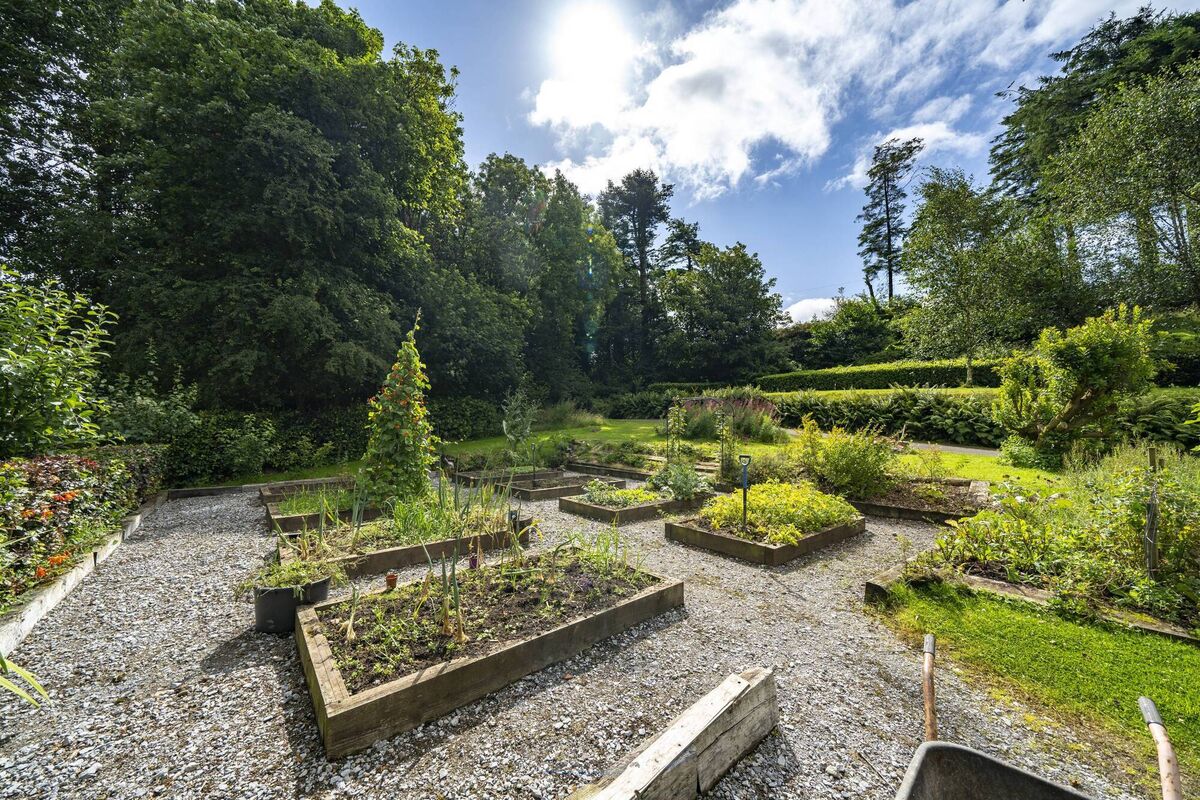
Visitors and residents alike arrive on the eastern side on the now enlarged and reconstructed property where little is given away as to the size, scale and quality within, with pale gravel turning circle by an impressively large, double lofted garage/workshop with a window at its back wall giving an unexpected sweep of views to the tree-ed boundary, circular garden path which rings it, and there’s a suite of raised vegetable beds then to the side in a sheltered side garden.
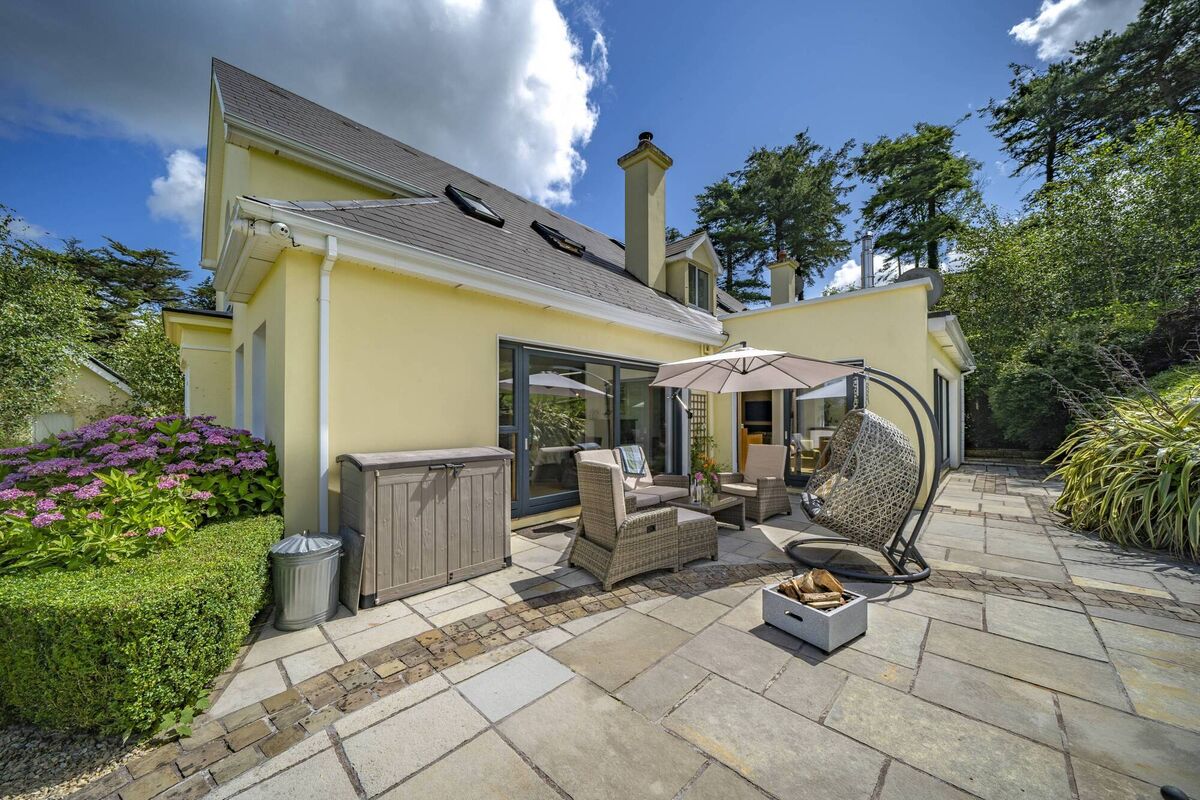
Here at this first greeting and parking spot too is small level lawn (croquet, anyone?), hammock seating area and — unwanted visitors beware — a chopping block for timber culled from the grounds for the stoves, complete on the Examiner’s 2023 revisit, with an axe set into split logs, like some Excalibur sword in stone.
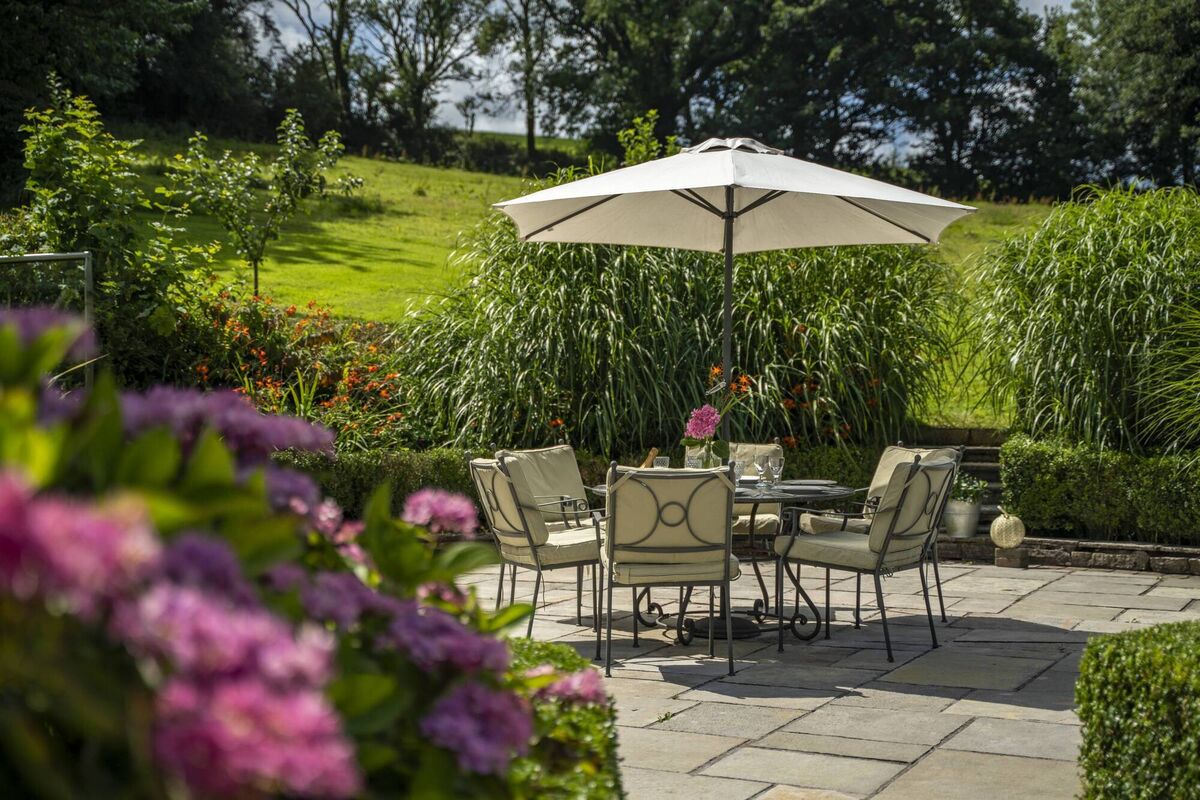
If so, it will take just a small bit of might, and financial muscle too: Ballygroman House is guided at €1.15 million by Mr Bowe and once viewed, may well get competitive bidding handily above that sort of price threshold.
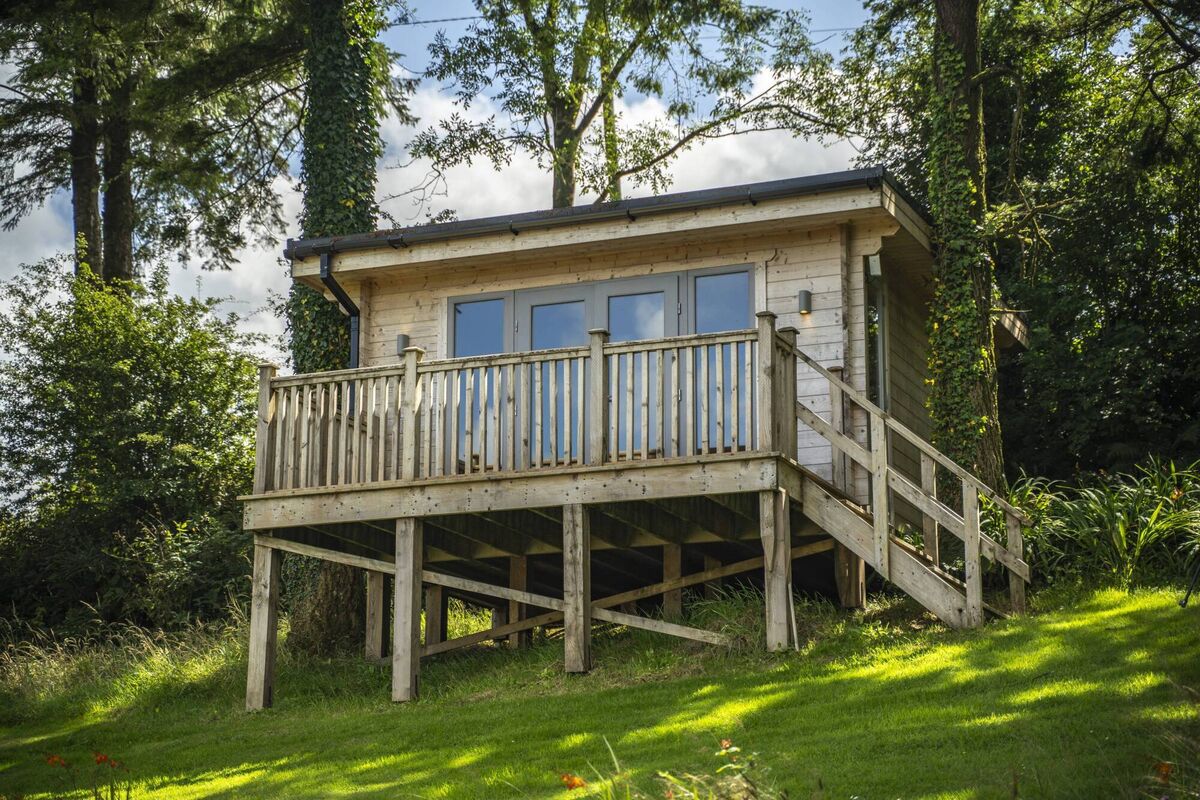
to the west wooded boundaries.
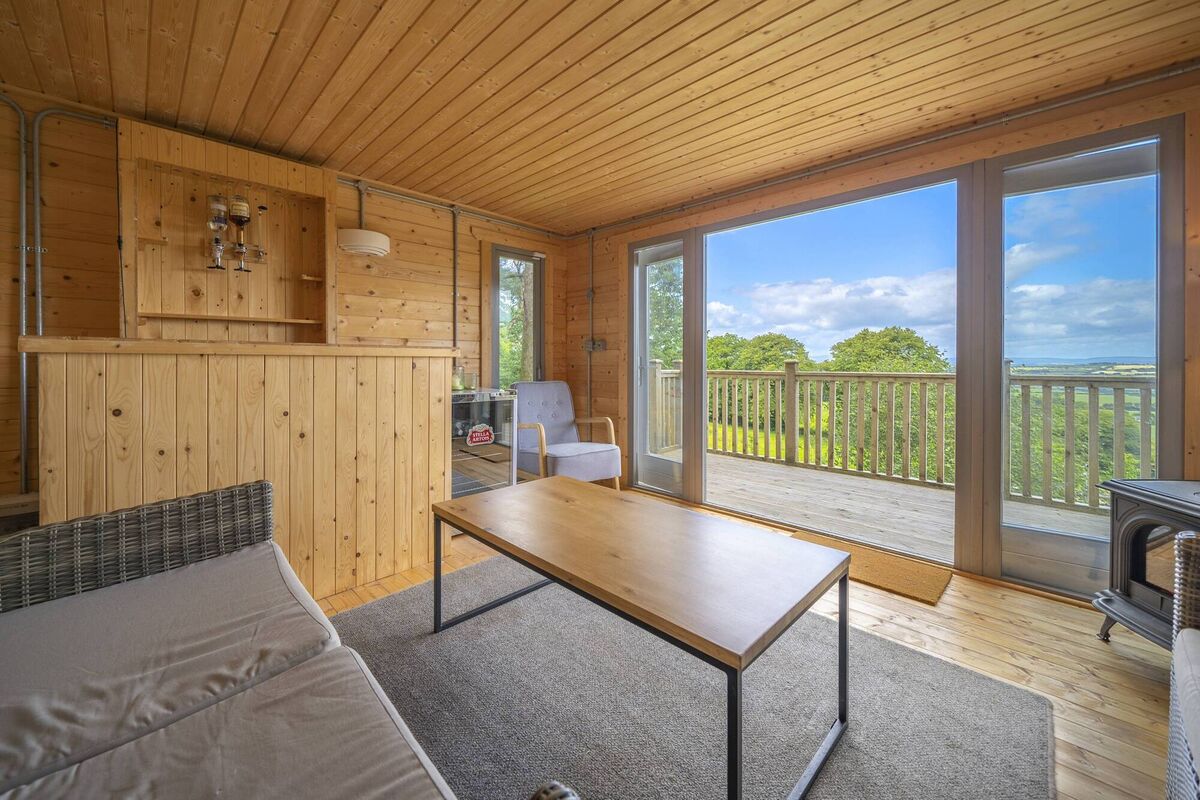
Here, at the top, to the delight of one and all, is a specially commissioned deck house, chalet like in the canopy, a garden room raised up on piles and poles, with a front wall of glass, an outside balcony/viewing deck, with lighting and a power supply, as well as seating, space for overnight guest visits and there’s even a small bar with fridge for minerals and beers and dispensing optics for some harder liqueurs.
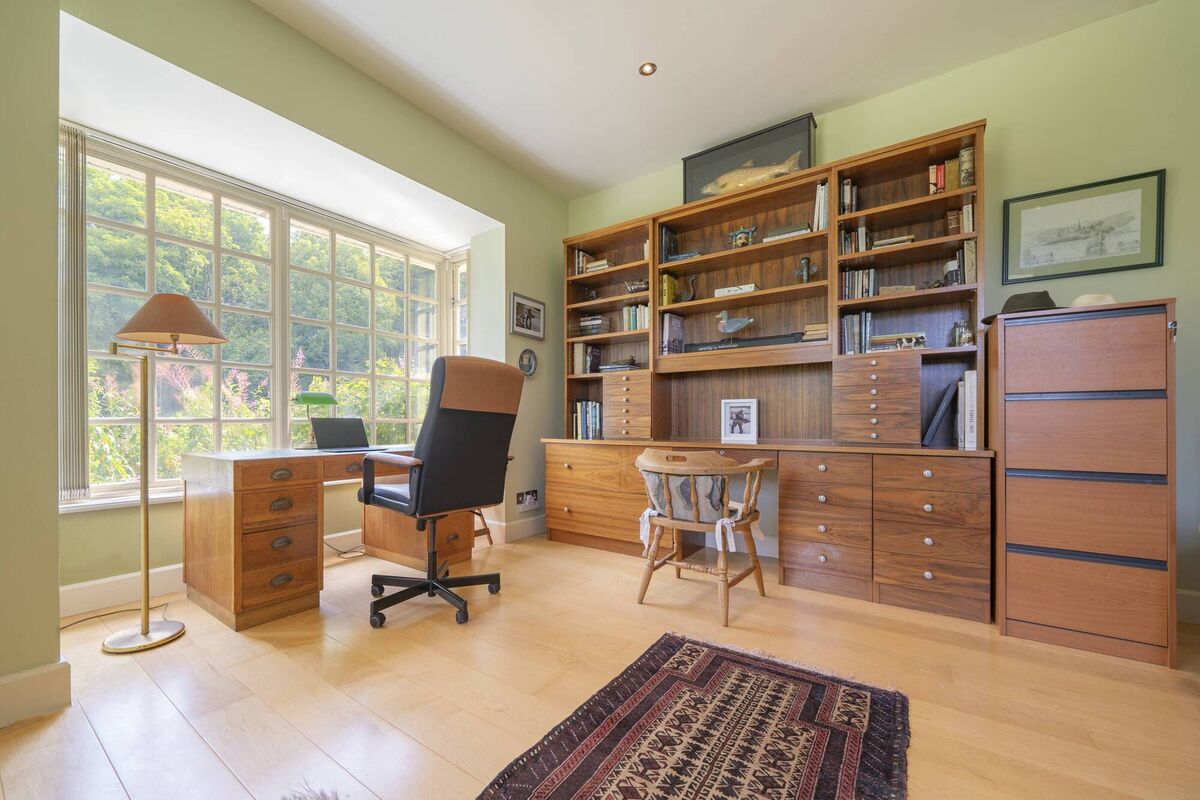
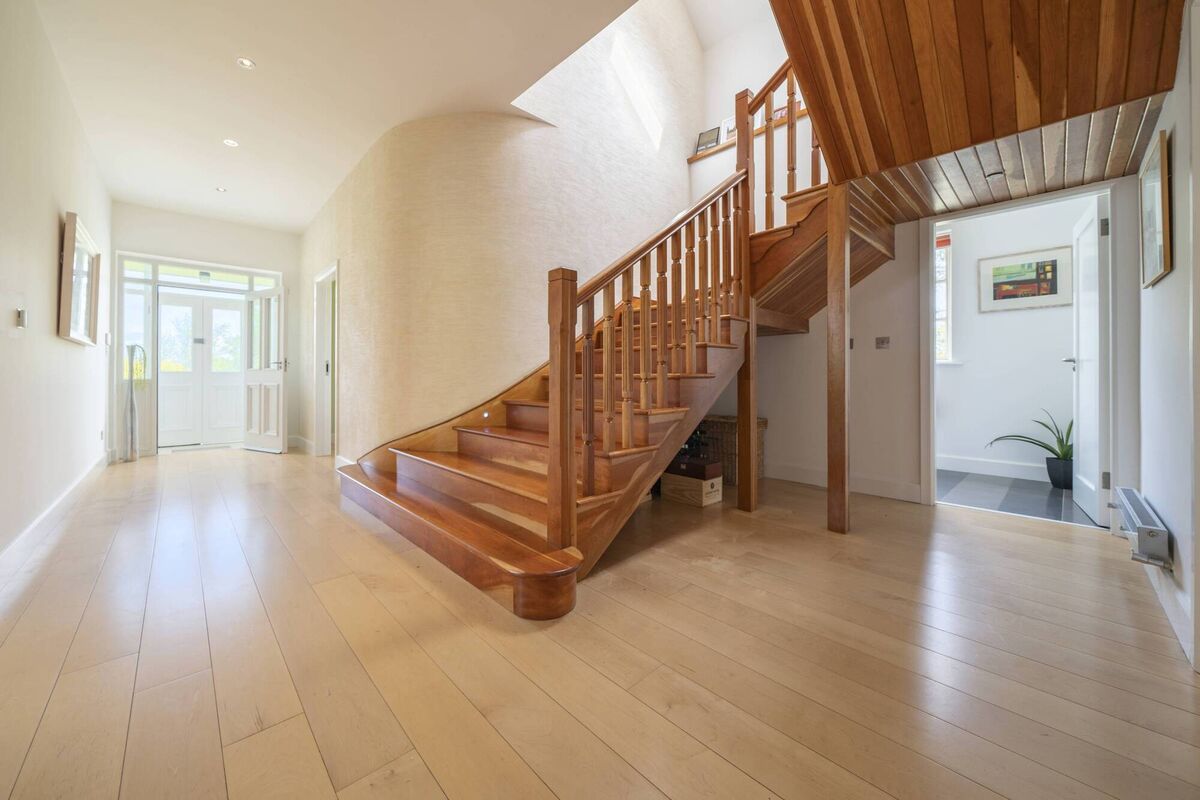
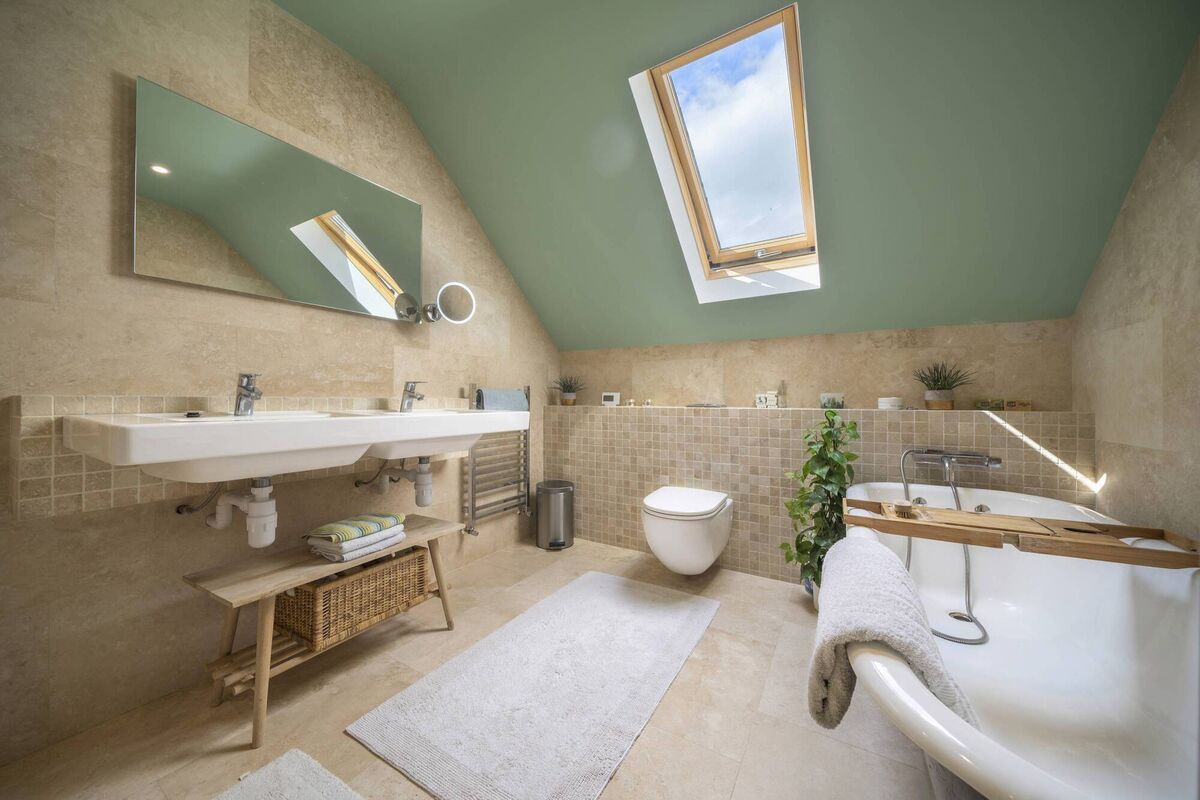
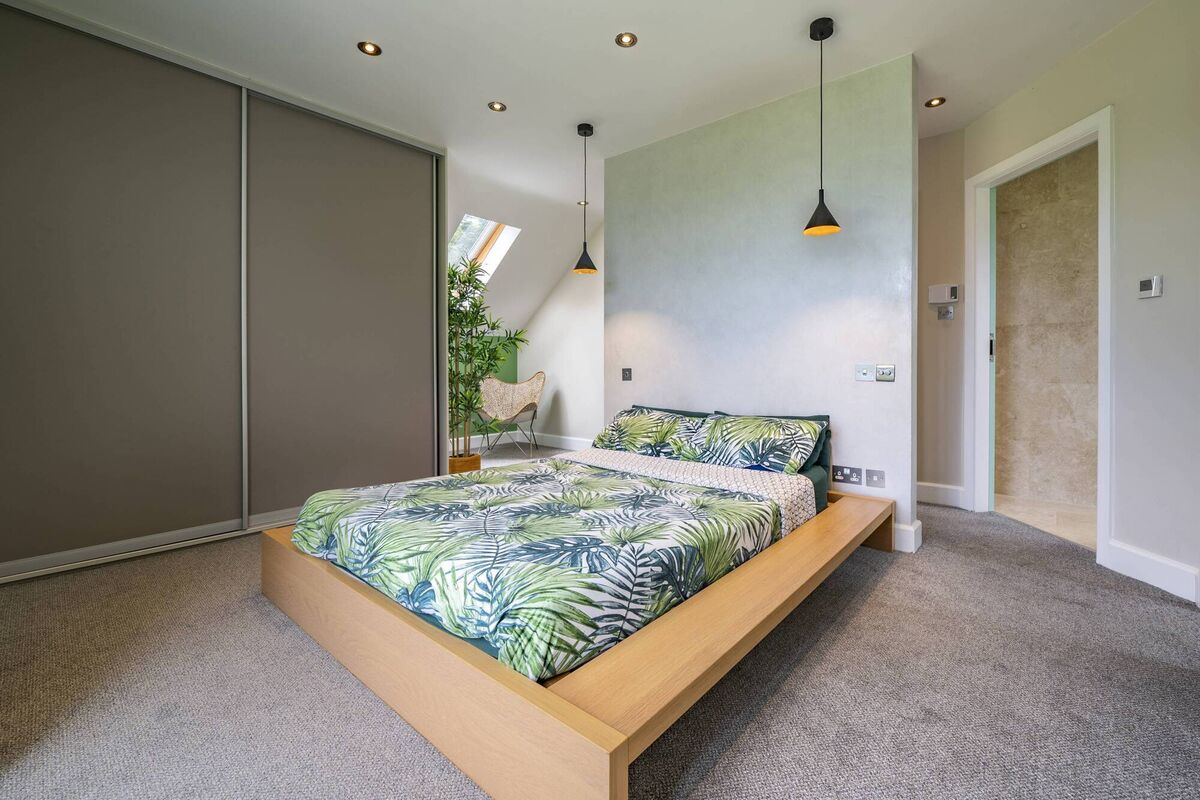
Ballygroman’s splayed stairs itself is a lovely piece of expert joinery in chestnut timber, polished and buffed and with a return en route to the first floor which has an off-centre landing for a visual, non-linear layout and creating niches for art and photography display, while every bedroom has a pleasant view and quality, fully-tiled en suite with Grohe showers and Villeroy & Boch sanitary ware.
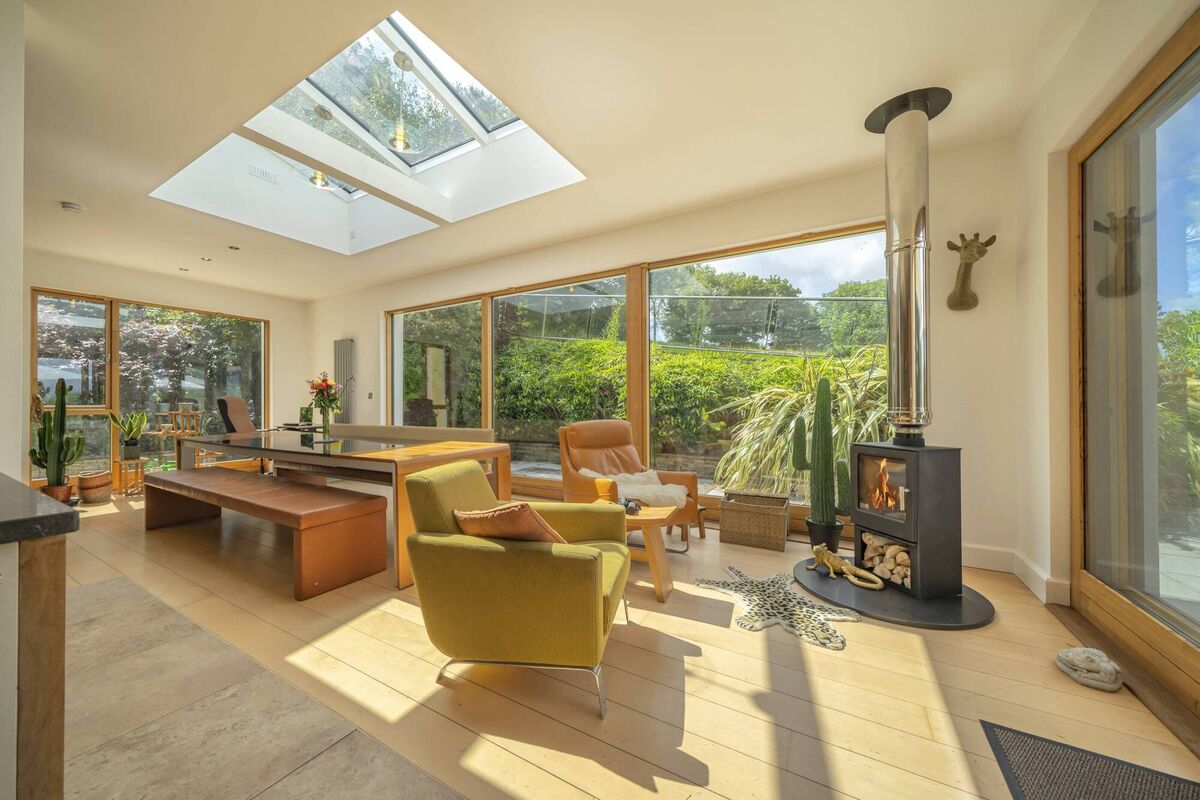
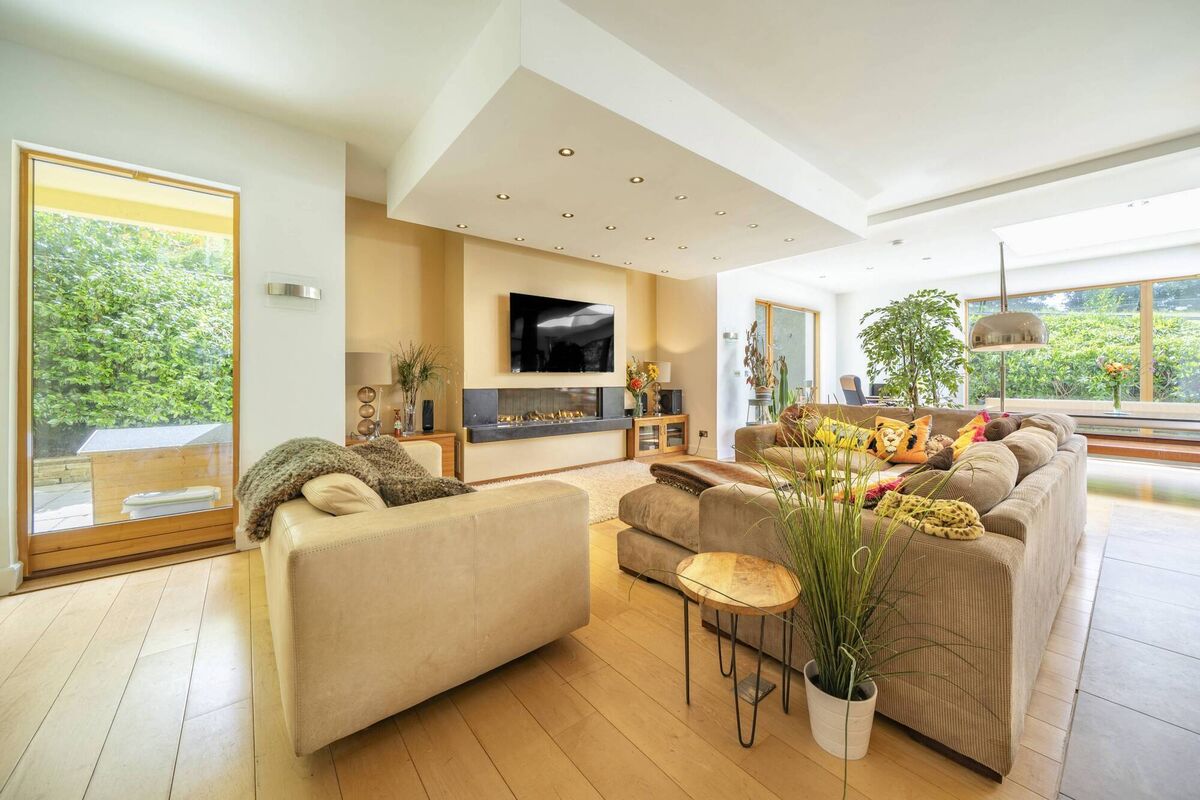
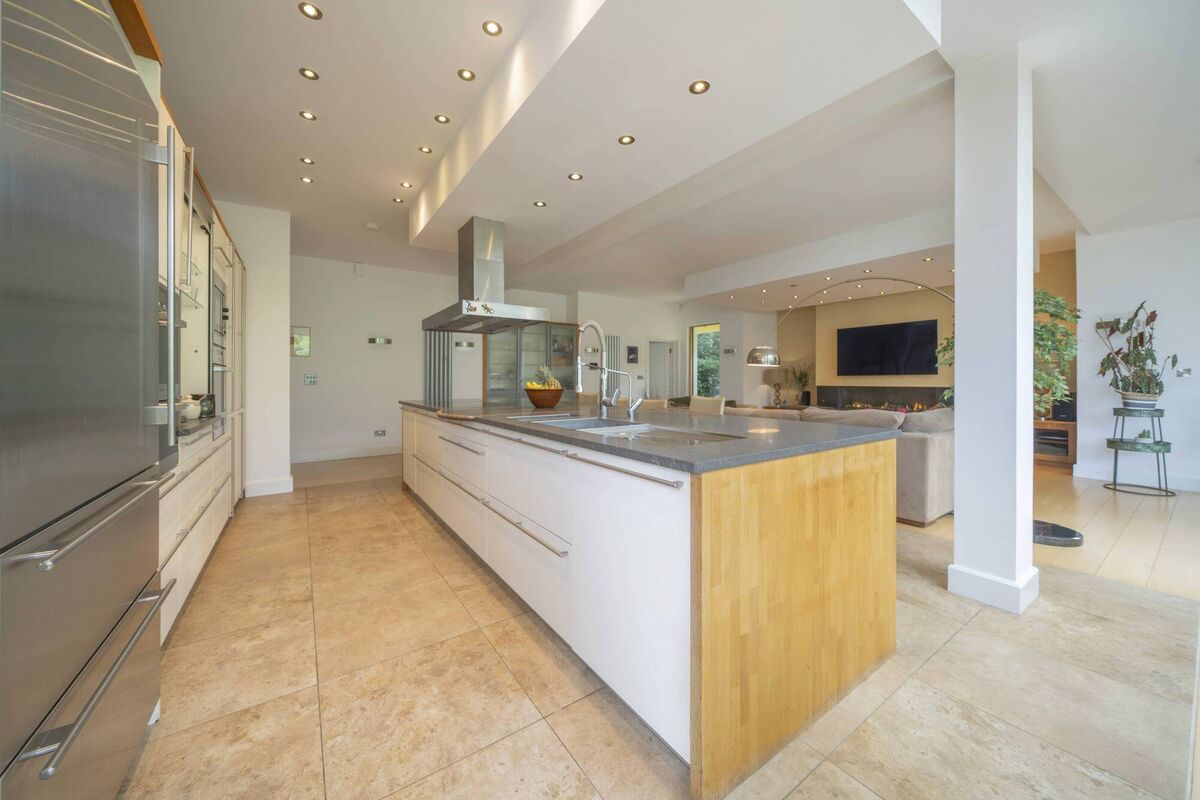
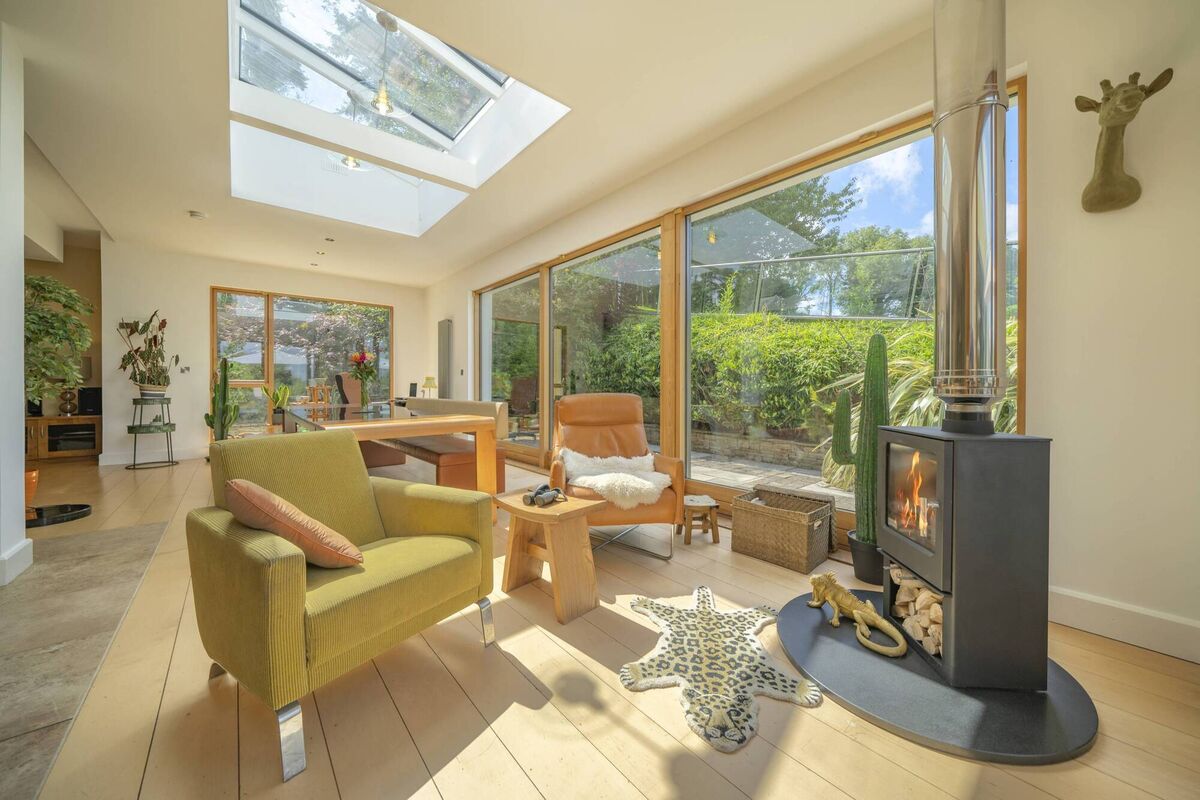
At nearly 1,000 sq ft or about half the property’s ground floor area, it’s an immense room split carefully into different functions, with a high-gloww, high-capacity gloss kitchen mixed with limestone and walnut and has a scene-setting ‘land-mass’ sized island topped in a mix of materials and purposes with halogen hob, main and prep sinks in stainless steel, and abundance of Miele appliances including multi-oven and microwave, huge slab-fronted fridge with freezer drawers under, encased in walnut. It was done by specialist maker Coachford-based Nick Moody, and is going to suit any level of cook, from home far to high-end haute cuisine.
The builder was local man Tony Keohane who delivered top finishes in this well-conceived, almost deceiving looking home: it might have been rebuilt in ’Tiger Times’ but the exterior appears ‘almost’ modest from several angles, and the high end appliances, materials and finishes in Ballygroman House Mark lll will stand the test of time unlike many of the other large designs of that period, aided and abetted by very mature grounds, by the acre.
Auctioneer Brendan Bowe has a fair idea already of how it’s going to be received and where interest will come from.
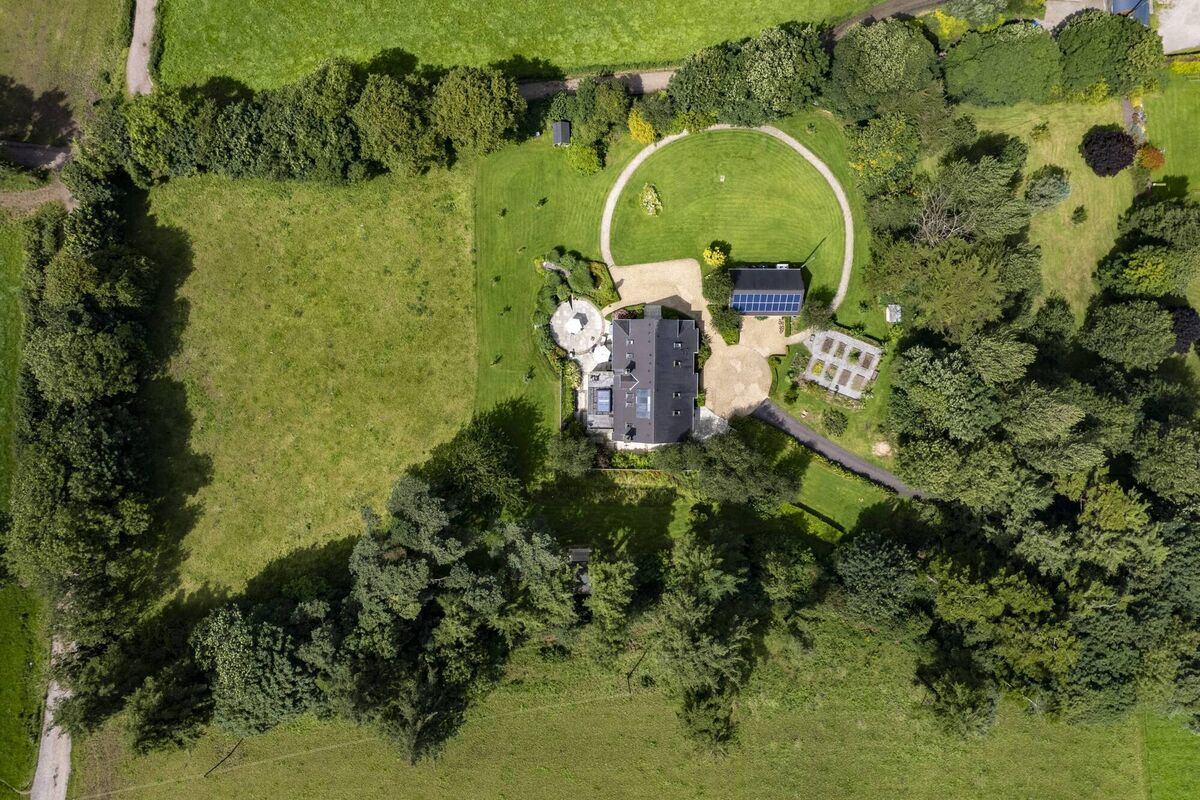
There are well-heeled tech types on the home hunt west of the city who want privacy but not to be remote, as well as the usual mix of medics and there’s plenty of paddock space for the proverbial ponies, as well as gardens for the green-fingered and that large garage for those into motors, DIY and sports.


CONNECT WITH US TODAY



Be the first to know the latest news and updates