Cork's best private gardens just might be at Poulnacurra House. Yours for just €1.75m
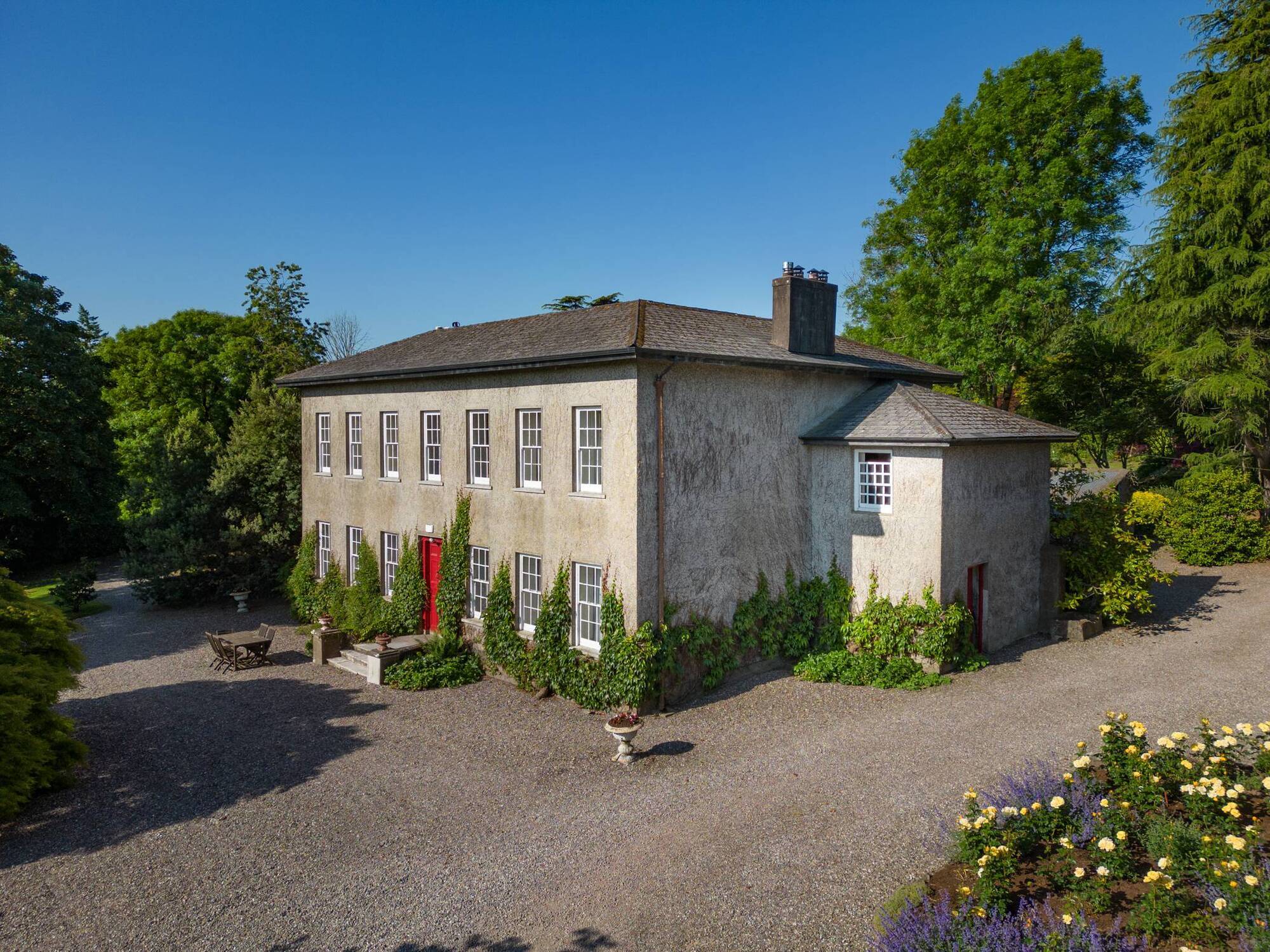
Early 1700s Glanmire period home on site of old castle on five acres has been nurtured for the last half century by green-fingered owners 
Cork's best private gardens just might be at Poulnacurra House. Yours for just €1.75m

Has to be visited to appreciate: Poulnacurra House on exceptional gardens is guided at €1.75m by Ann O'Mahony and Johnny O'Flynn of Sherry FitzGerald. Pictures:  John Roche

Glanmire, Cork City

€1.75m

Size

500 sq m (5,380 sq ft), plus gate lodge

Bedrooms

7

Bathrooms

3

BER

Exempt

POULNACURRA House may be coming up on 300 years of age, and have even earlier roots to a castle on its grounds above Cork’s Glanmire but, in all that time, it surely never saw the likes of the grace and benefits granted to it over the past 50 years, by its current owners.
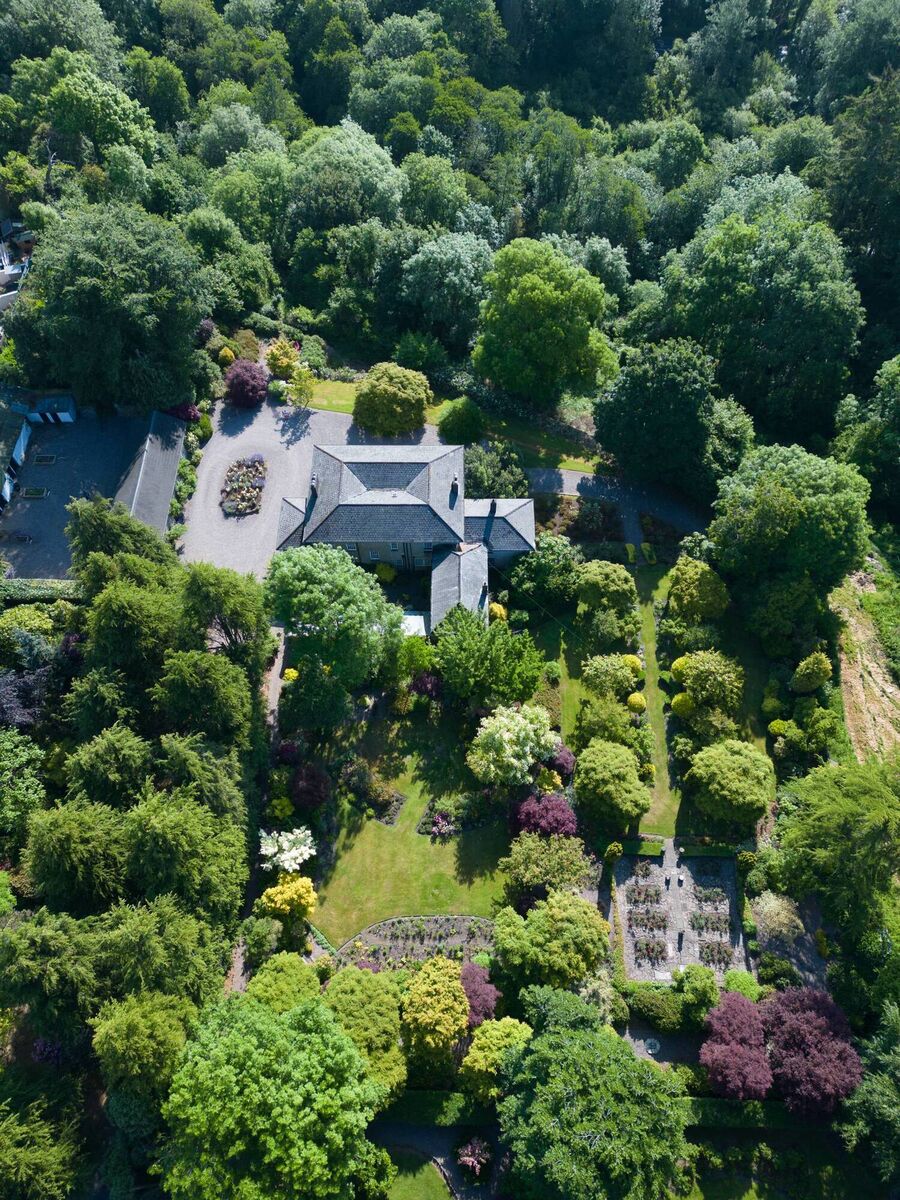
Birds' or bees' eye view of  Poulnacurra House and its fragrant grounds

There’s been a gardener at the helm of this large family home, and whether or to what extent she was knowledgeable, or what her expectation was, when she first took it on all those decades ago is a moot point — the superb period property has been lifted to a whole other level of fragrant beauty by her horticultural legacy and nous.

She knows her onions, her alliums, her acers, and her myriad roses now, that’s for sure.
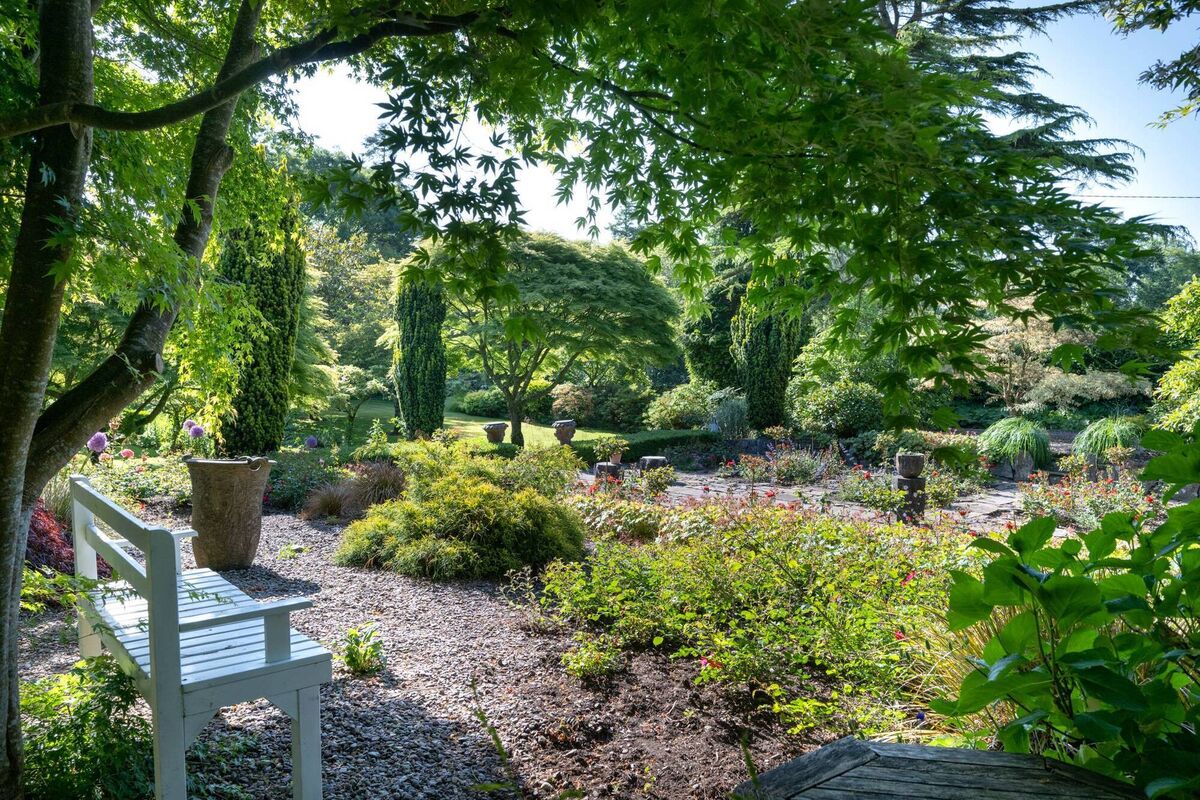
Leafy bower
Leafy bower

In fact, she knows every corner of her five-acre, landscaped and intelligently planted private demesne, gently tiered around an elegant family early 18th-century home, robust and wearing its considerable age with aplomb. She knows every plant; the botanical names come to her after a few seconds or maybe a minute’s recall, and it’s all just an absolute wonder to behold, reckoned by many to be one of the very finest, if not the finest, private gardens in Cork.

“In my mind, it’s only halfway done,” says Poulnacurra’s impressive, hard-working matriarch who’s not adverse to shifting mounds of manure to get a garden to this stage of finery and good health.
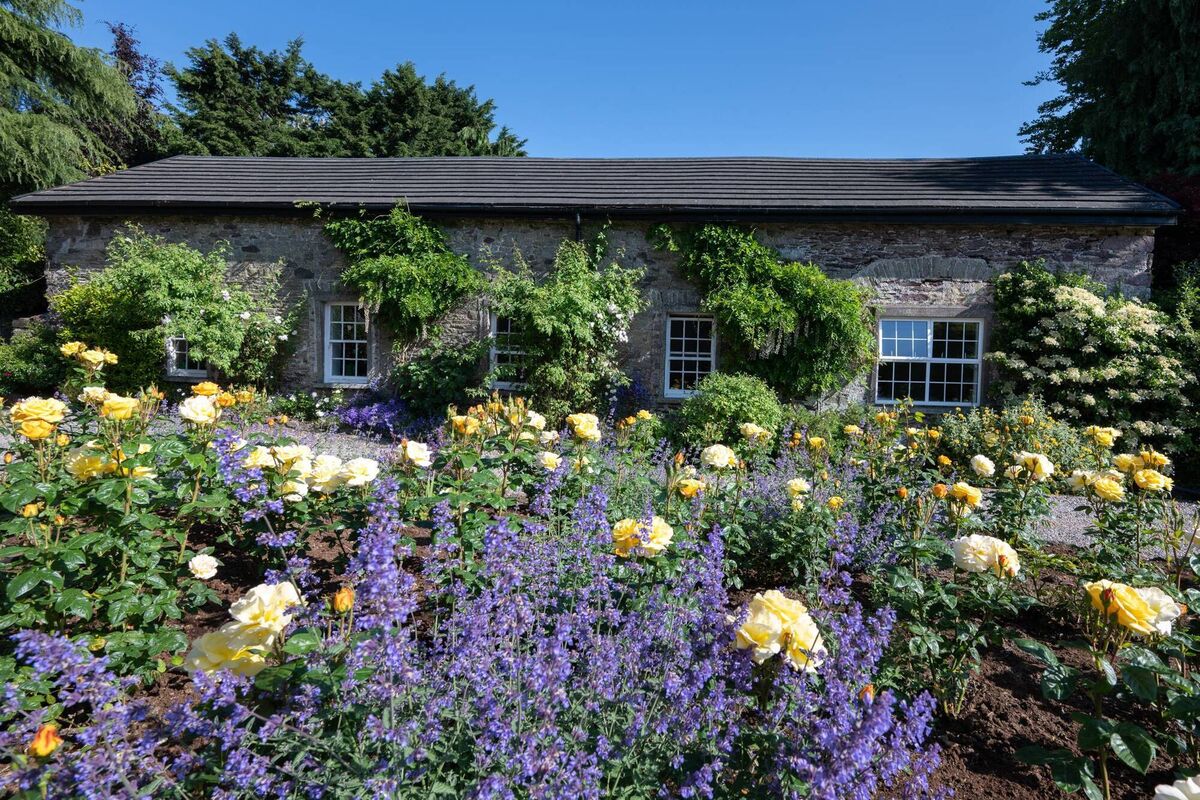
Bed of roses: coach house by the approach drive with central bed of Arthur Bell roses and nepeta

Respectfully asking not to be named here in print (many will know this powerhouse in any case, especially those who know their gardens), the woman behind this house, and garden, only got it to this level by dint of half a century of ground work and graft, largely done by her own hands, with earlier days input from her friend, the late great Cork gardener, Brian Cross.
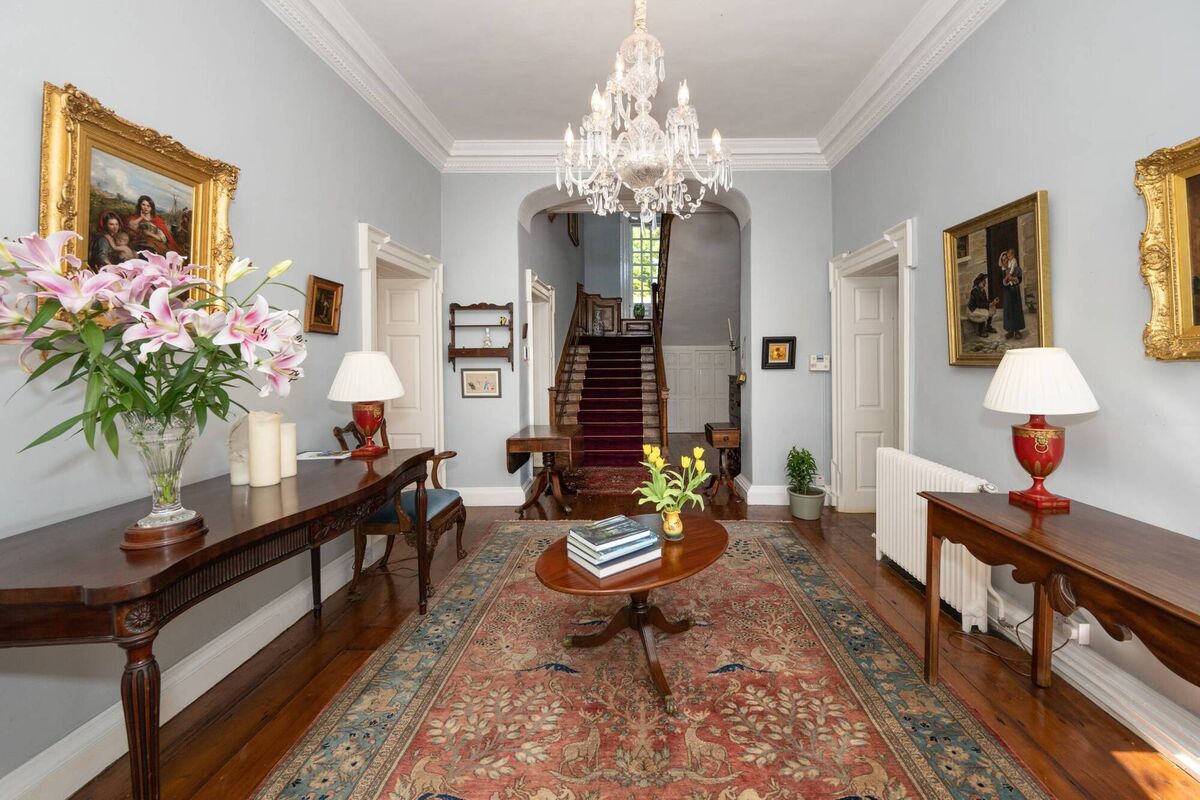
Hall
Hall

She was still putting in new rose beds up to last year, and today is still almost tempted to do one or two more beds before throwing in the trowel, as she and her husband prepare to, finally, pass on the early 1700s Poulnacurra House to new occupants, and hoping they’ll be new hands with green fingers too.
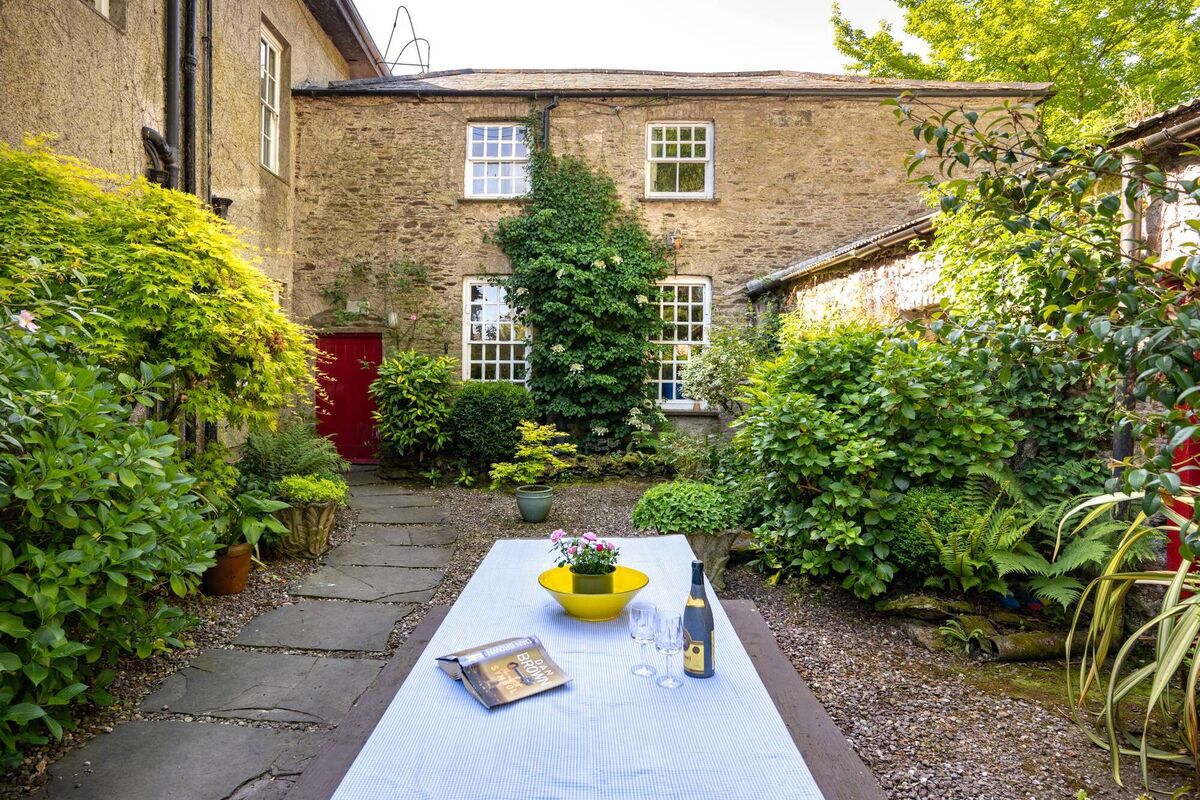
A courtyard area by the house. There's also a coach house and yard and barn and gate lodge with its own private garden

It’s sort of a truism, or a property cliche, that the owners of period homes tend to say “we are only custodians for the next generation” when eventually moving on. But, in this case, there’s more than being “just” a custodian, it has been a case of creation, and re-creation.

Taking a long-term view, you can indeed do a lot over five decades.

A tree planted now will be something of beauty at that level of maturity: Here, the owner planted an approach avenue of drooping cedars (cedrus deodara) back in her early days’ residency. 
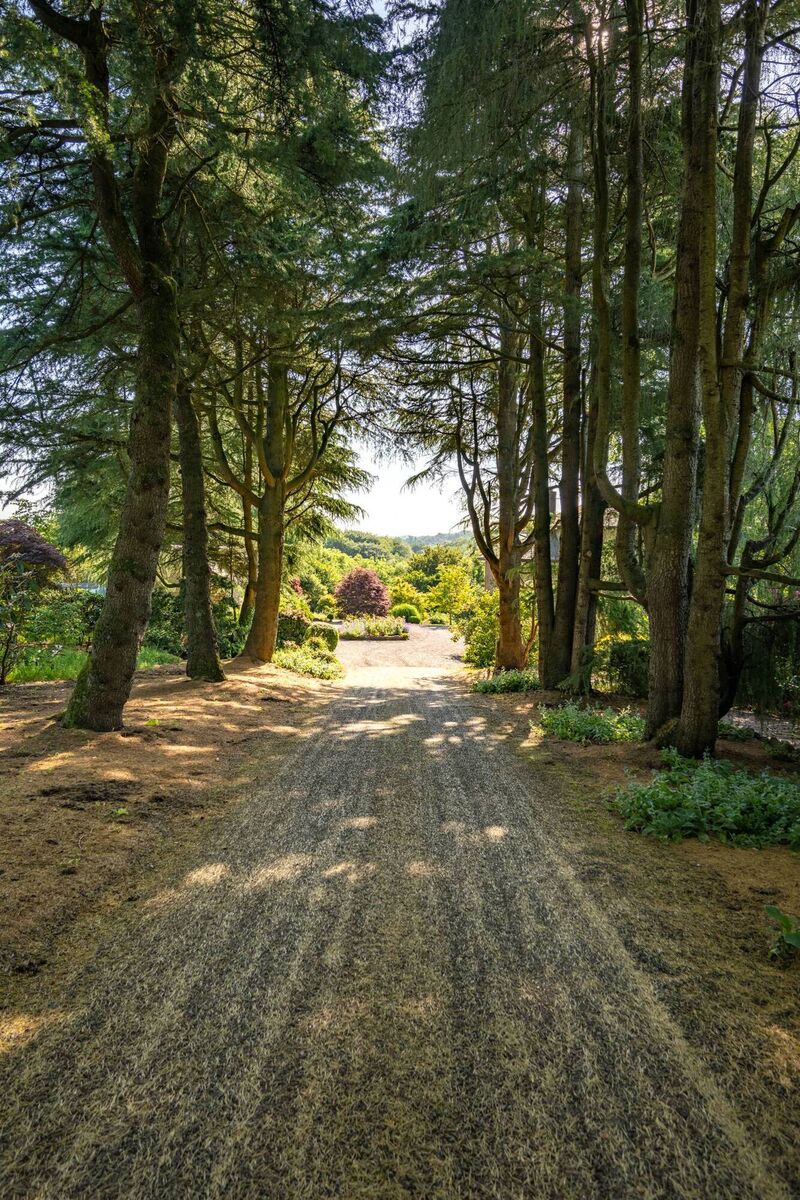
Cedars line the approach avenue. Although you are within Glanmire, you can barely see another single house from anywhere on the five acre property

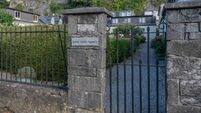
Today, they look like an apt and timeless link from Poulnacurra House’s gate lodge entrance (gated, electric, secure), running both sides down a gentle gradient to end by a wide, turning circle by the main house, its coach house and courtyard, and with a feature large circular bed of creamy David Bell roses as a welcome mat, the first point of mass-planting greeting.

It must be bee-heaven too, as the 60-foot long wall flanking the adjacent coach house is planted with other abundant climbing roses, clematis, honeysuckle, and the rampant potato vine, or Solanum jasminoides, while the old dash facade of the seven-bay Poulnacurra House itself is bearded in Virginia creeper.

It’s about this stage, early into a long and pleasurable visit, that this reporter began to despair of doing any justice at all to the quality and nomenclature of the plants ranging across the private, enclosed and walled acres, in arbors, avenues, herbaceous borders, rose beds, ‘round trellises, formal beds, under planting, and over-the-top botanical beauty, all topped and tailed by specimen trees and one, almighty ash tree that could, if felled, surely provide enough ash for hurls for the entire county of Cork.
At this stage, it might be wise to dial down the plant naming a shade, to save this reporter’s blushes (didn’t keep up with Latin) and just acknowledge, for now, anyway, the prolific planting, the colour balance, the sheer abundance and the overall aesthetic... or the house won’t get a look-in.

We’ll come back around to the gardens, though, a lifetime’s work, and none of it begrudged.

And, lest anyone thinking of buying Poulnacurra House in its serene setting in Glanmire (now part of the Cork City after the boundary extension) fears there’s too much work here, well, the departing owner is quite sanguine, saying the formal beds she has created and which take a bit of work, can be taken out and grassed over for easier maintenance, while still keeping the integral bones of the larger shrubs, trees, leafy avenues and letting the next family make of it what they choose, their own mark.
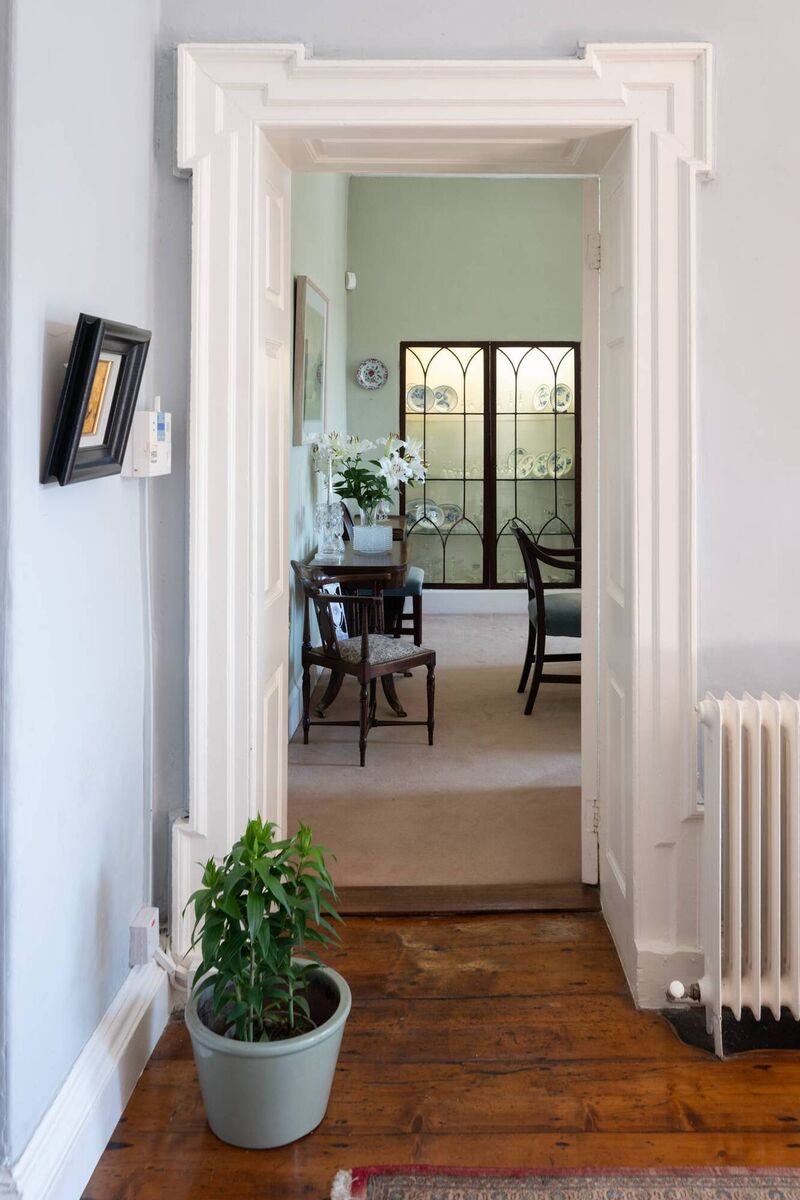
Staying for dinner?
Staying for dinner?

But, wistfully on an hours’ long walk around and gently imparted botanical learning curve she does confide: “I won’t want to come back.” This, by the way, is coming from an individual who has done this garden (a skilled local man, Denis O’Sullivan gives three or four hours’ work a week now, if and as required) while also working in her earlier days as a GP (both owners are GPs, now retired) then also running an upmarket 20-bed period-era guesthouse on the city’s fringes (since sold), oh, and all the while rearing the couple’s brood of seven children.

What do you mean you haven’t time for a bit of light gardening?

Standing proud among its horticultural finery, Poulnacurra today is a 500 sq meter (5,300 sq ft) quality period home, two stories over a basement, with exceptional and appropriately-furnished reception rooms (one has an Adam fireplace,) lofty entrance hall with front door that’s close to 9’ high, wide pitch pine staircase with pitch pine low paneling around its turns, and a first-floor landing large enough to hold the family’s grand piano.
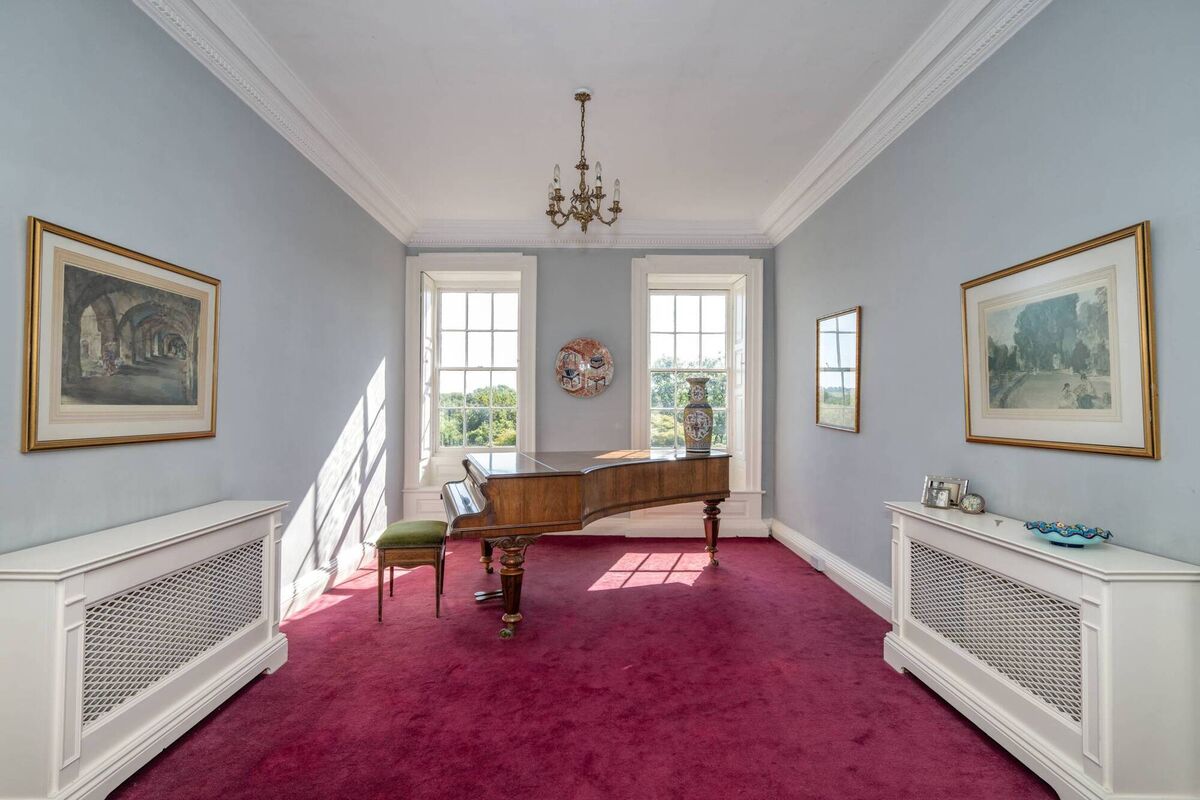
First floor landing with baby grand piano

It’s hugely intact too, maintained and heated and dry, with all of its bedrooms having served the family (seven bedrooms, for seven children, handy) very well.

Each and every bedroom has a garden view quite unique to it, and, extraordinarily enough given a setting in the midst of Glanmire, just south of Barnavarna Hill, there’s hardly a house to be seen from any of them, thanks to the mature surrounding acres of woodland over the main Glanmire road to the east.
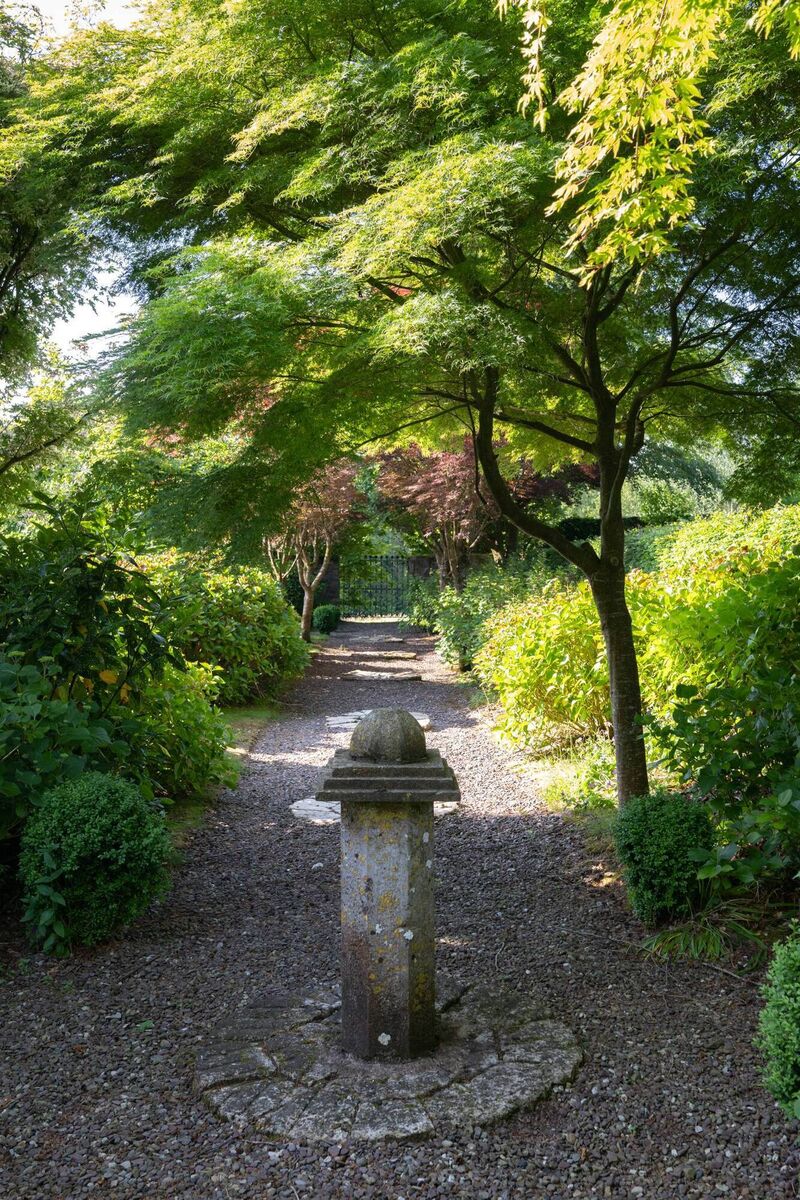
Formal, and beautiful, both house and grounds have great bones

The house followed in the proximate footsteps of an old 12th century Barry Castle, Poulacurry or Poulnacurra (meaning “the pool of the weir”) above the Glashaboy, has its own small stream at a lower boundary and in its day the castle would have commanded 1,000 acres.

Gone by Cromwellian times, a house replaced the castle by 1741, passing through St Leger, Austin, Lawlor/Lawn, and Reardon hands, until acquired by a family called Lindsay in 1902, later going to MacKenzie and Clarke families before the current (unnamed, here at least on request) occupants’ long tenure, which is now coming to its end.

Charged with putting new name to the list are agents Ann O’Mahony and Johnny O’Flynn of Sherry FitzGerald, and they guide at €1.75m. Coincidentally, it joins a sudden, summer-flowering burst of top Cork homes on serious gardens and/or grounds, following hot on the heels of Cuskinny House Estate in Cork Harbour (€4m on up to 142 acres); Horsehead House in Passage West (€1.95m, on two acres); Parklands House Rathcooney (€2m on 40 acres above Glanmire) ;and the 230-year-old Riverside on Blackrock’s Castle Road, listed at €1.65m, A2-rated, with Sherry Fitz and viewing extremely strongly.
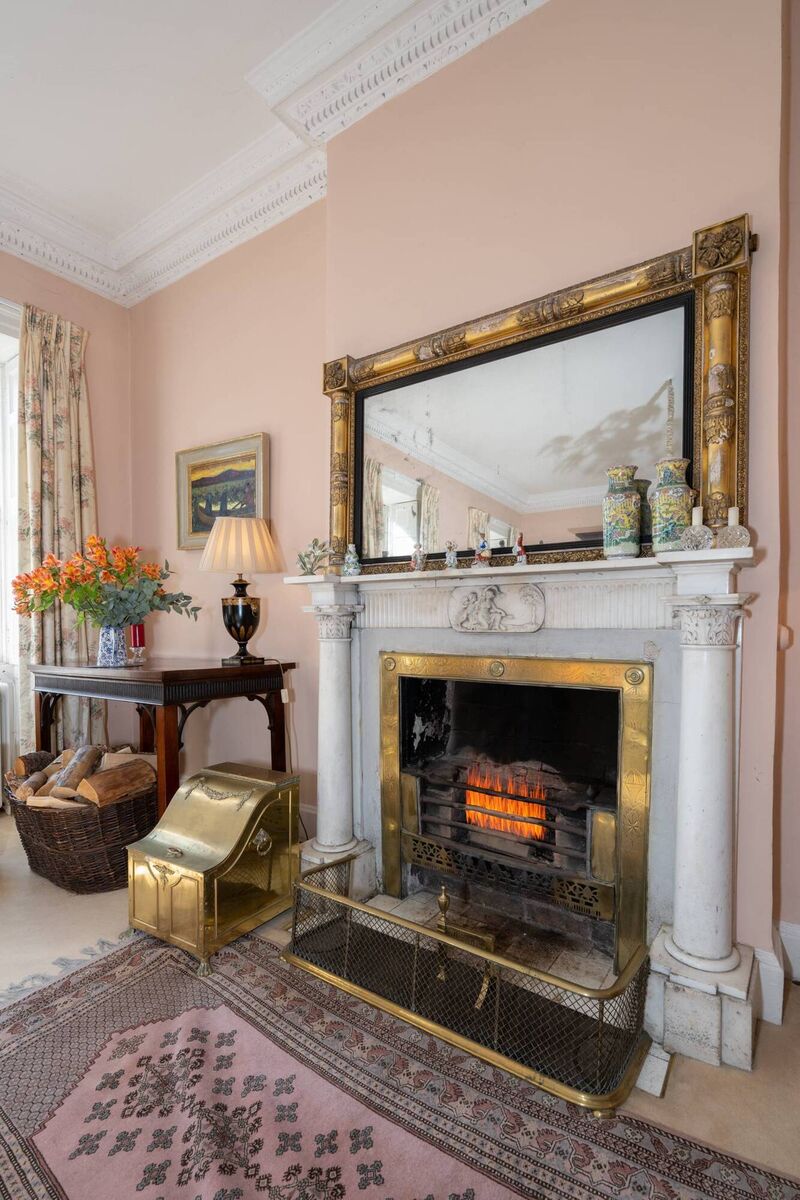
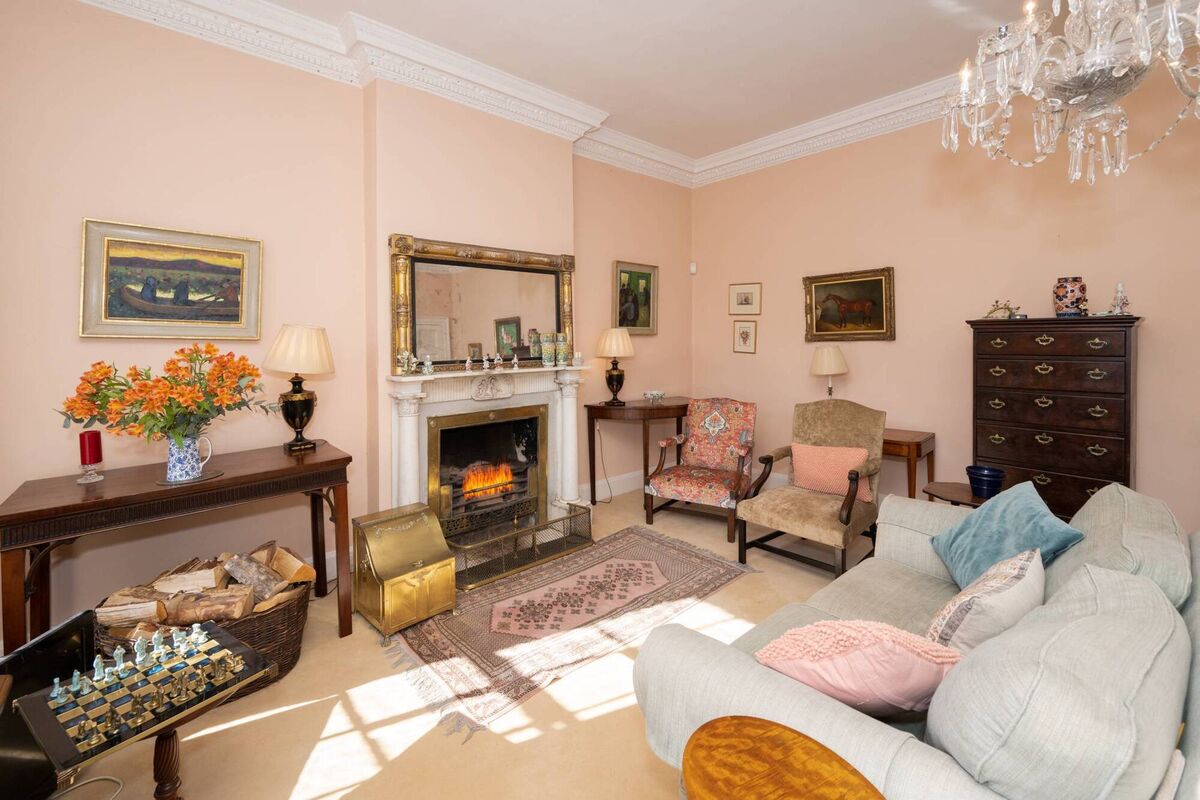
Interior finery
Interior finery

Truly, post-pandemic, like coastal properties, Irish gardens are having their moment in the sun.

Here, while the gardens got the love and the attention, the house was allowed to tick over at its own gentle pace, and that’s an advantage. Nothing was done to upset its demeanor, so it still has all of its original windows, or at least ones going back a century or more, so no inappropriate replacements along the way, and many have working shutters. In fact, one window in the long coach house was replaced a few decades back with PVC, and it still rankles. “I wouldn’t do that again,” says the woman of the house, who also brought a period home sensibility to the luxury guesthouse she ran for years by Cork’s Tivoli.
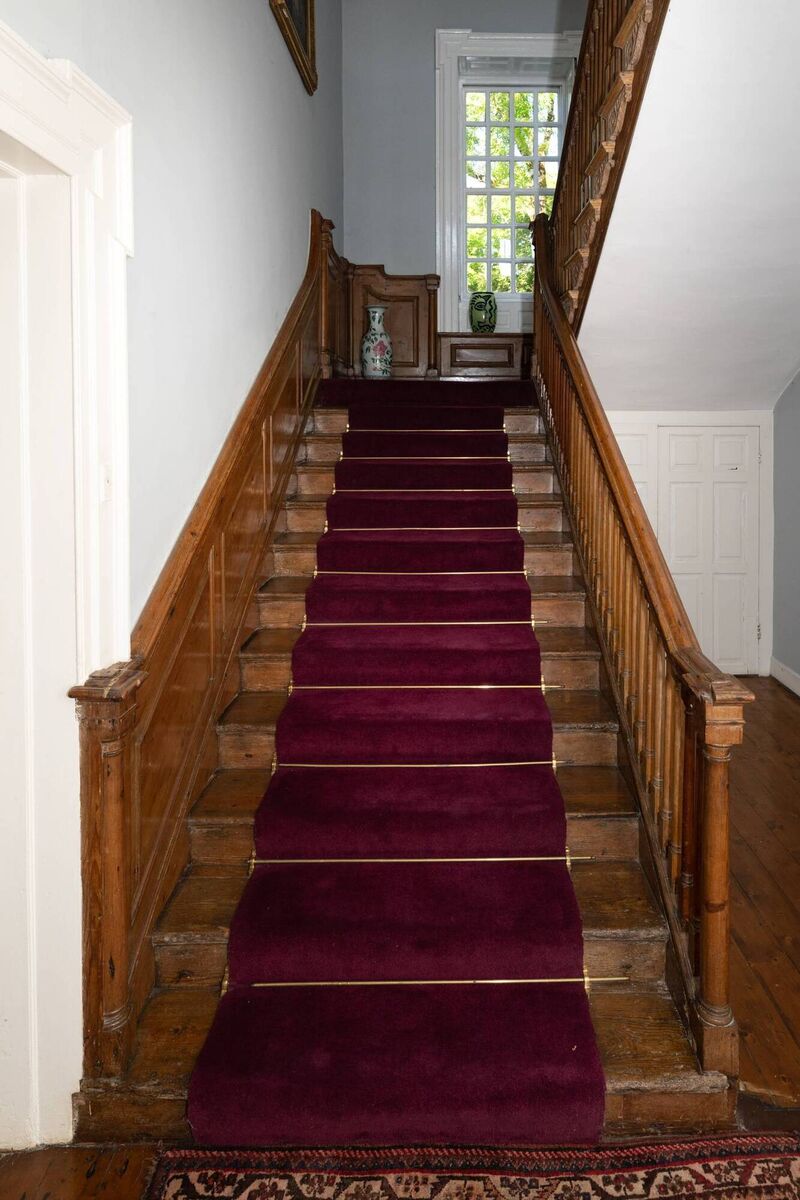
Perfect pitch: wide pitch pine stairs has carved  side panels

The floors carry the patina of age, and generations of polishing. Doors have square-shouldered cases, there’s ornate plasterwork, but nothing too intimidating, and apart from the main reception rooms (elegant drawing room, formal dining room used every single day for family meals, and book-lined study) there’s a long rear annex with a further very comfortable double aspect living room with beguiling near-garden views, marble fireplace, and yet more book cases.

There’s a practical kitchen, and a huge former kitchen, used basically as a utility, complete with indoor clothes lines, with access to a scene-stealing domestic courtyard, ringed with blossom and climbers, plus boot room and several stores.

Bedrooms are comfortable, several are grand, and one’s just a hoot: It was wallpapered entirely — wall and sloping ceilings — with a purple floral Sanderson print 50 years ago, like the 1960s on speed, and hasn’t changed since.
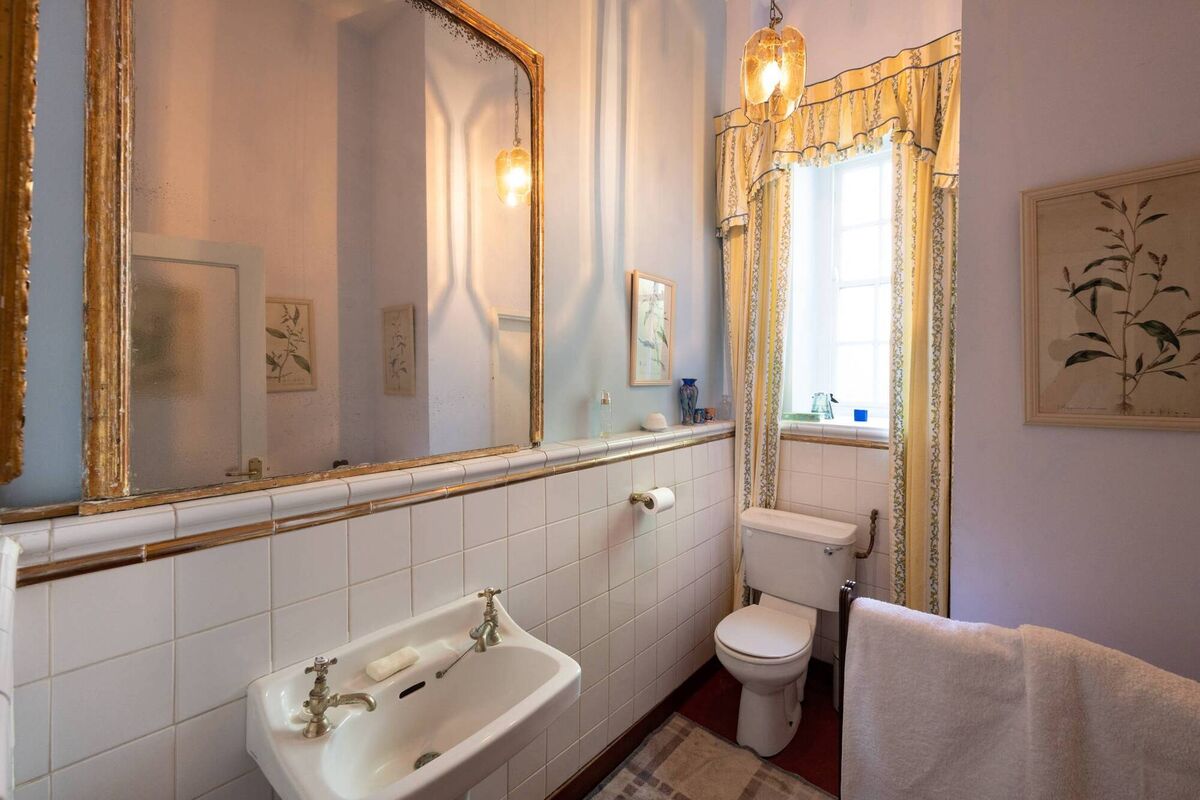
A bathroom
A bathroom

Bathrooms? Well there basically are two, plus a guest loo (see below) so new owners are likely to get plumbers in. Touring the house with the matriarch, she dismissively opens and closes doors to the two eh, plumbed timepieces, saying “nothing has changed in them since I came here. No woman today will put up with them.”

We might be missing a few rooms here, by the way? There really isn’t a shortage of space, yet it all has a purpose, or a history.
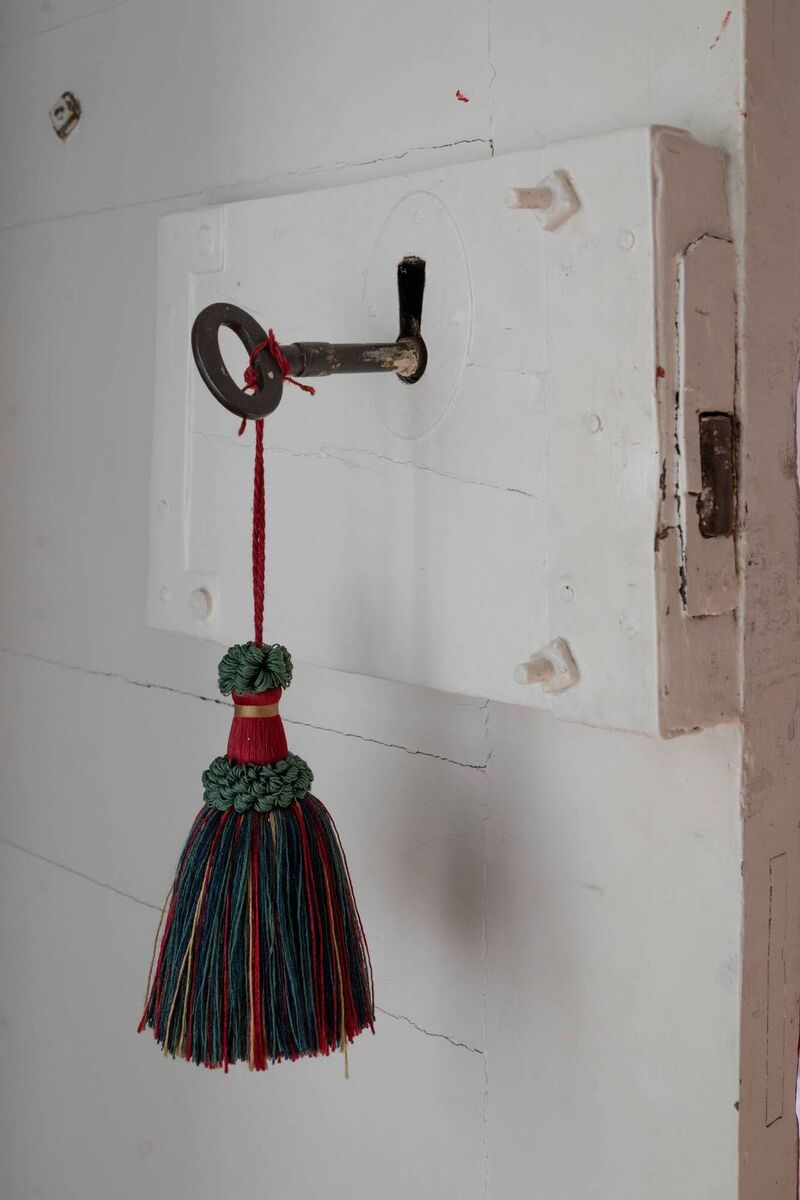
Key to the past
Key to the past

The basement might be easy to overlook, or to miss, but it’s a must-see.

Likely to cover about 1,000 sq ft, it serves as a wine store, play spaces, and hideaway and will be any child’s delight as the access is via a discrete door concealed in the ground-floor guest WC: surprises all around, entering and coming back up, possibly, to the chagrin of the seated unwary...

The basement has good head height, a very old range, some cobbled floors and what looks like very large meal or grin bins but which are described as ice baths in the sales draft brochure, and possible were the deep-freeze food storage options of the 1700s and 1800s, with ice hauled up from “the weir of the pool”.
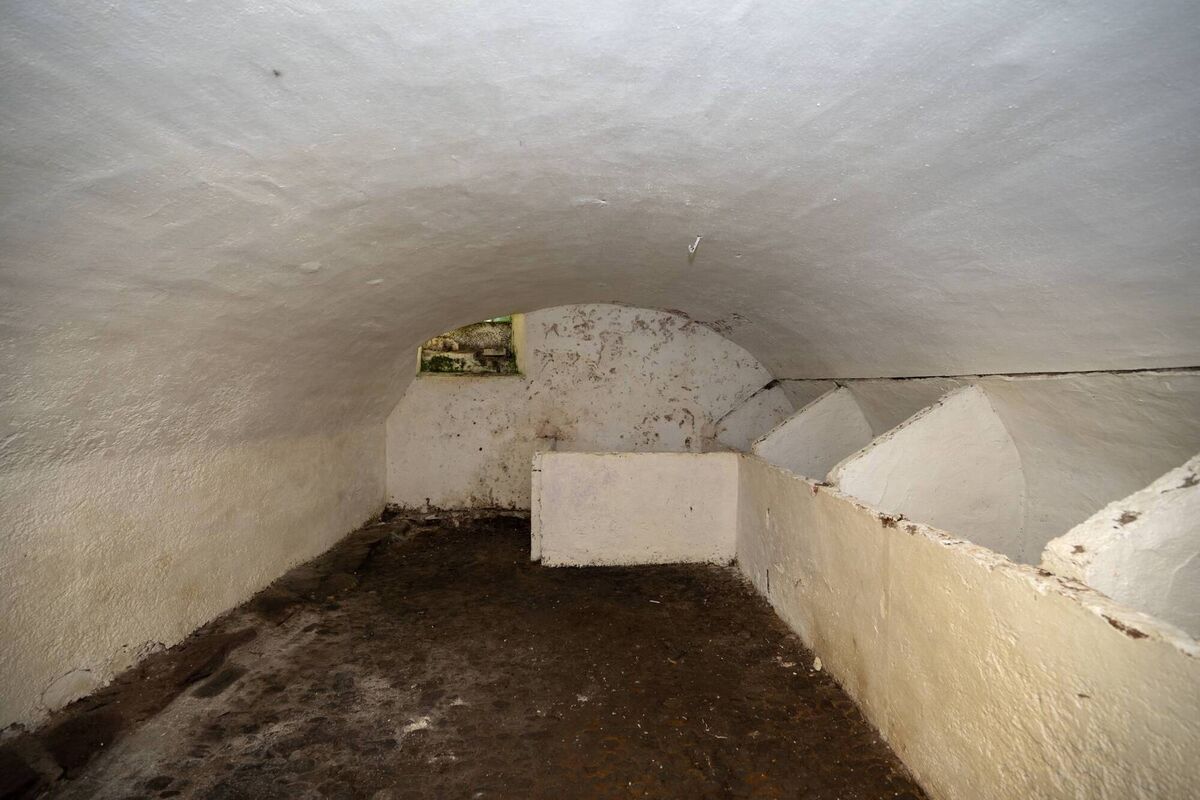
Ice baths or grain stores in the basement

One of the family’s seven children had her wedding on the grounds, with a marquee in the courtyard and catering by a top city chef, with the wedding party guests free to roam the yard, the gate lodge with its own hidden garden, the various former farm buildings, the main house, and the world-class gardens, all in sunshine until the evening kindly drew in.

“I can imagine how beautiful it must have been,” the Irish Examiner ventured.

“No, you actually can’t imagine,” came back the quick reply, said not with pride, but with typical, blunt honesty.

VERDICT: Many will love the house, many others will covet the gardens, lucky the person who’ll love the two, and who can afford to buy and do gentle work, inside, and leave outside blooming well enough alone.

More in this section

Revoiced

Newsletter

Sign up to the best reads of the week from irishexaminer.com selected just for you.

Cookie Policy Privacy Policy Brand Safety FAQ Help Contact Us Terms and Conditions

© Examiner Echo Group Limited