Half of a West Cork headland and a derelict farmhouse near Glandore can be yours for €1m
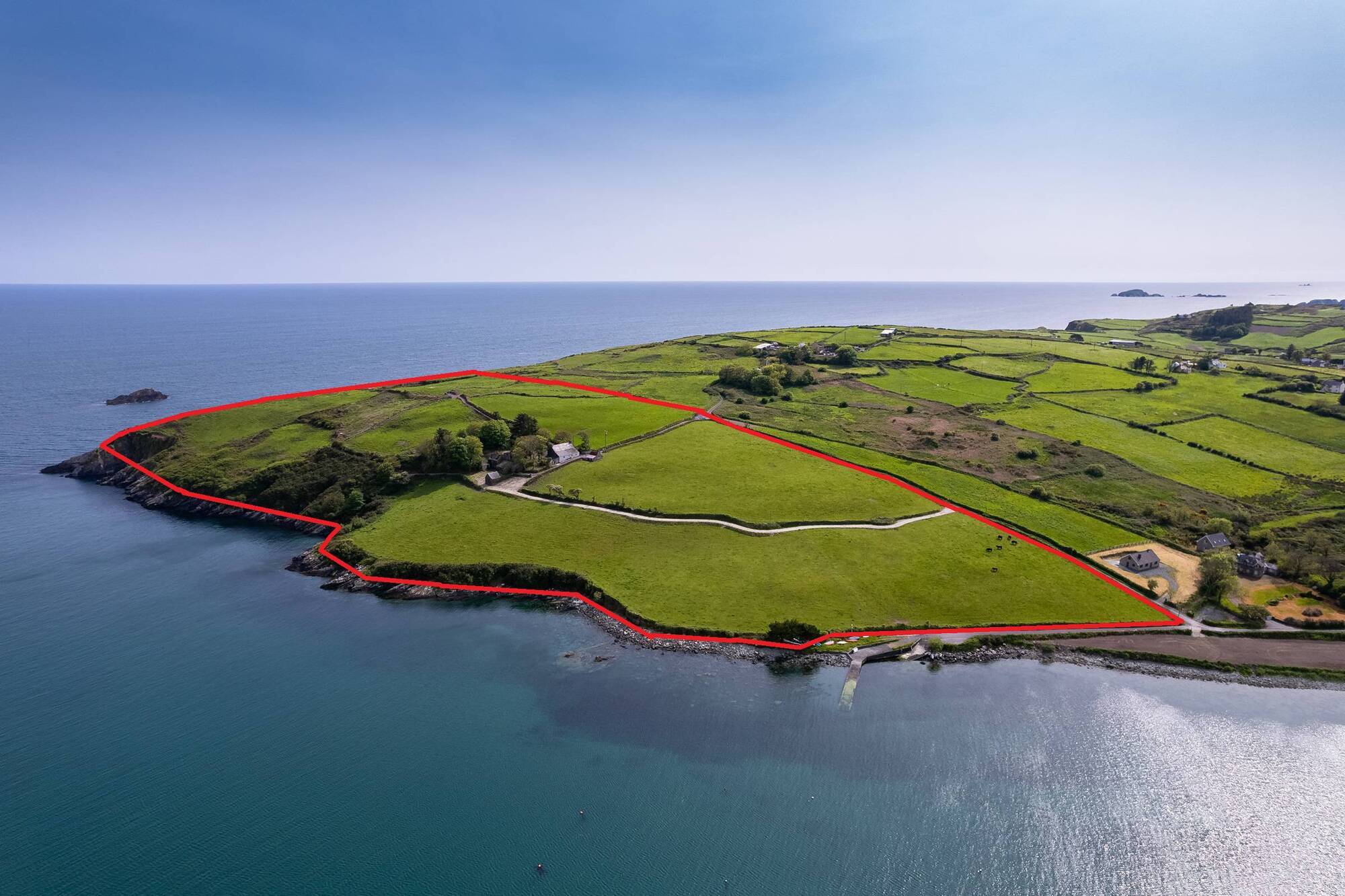
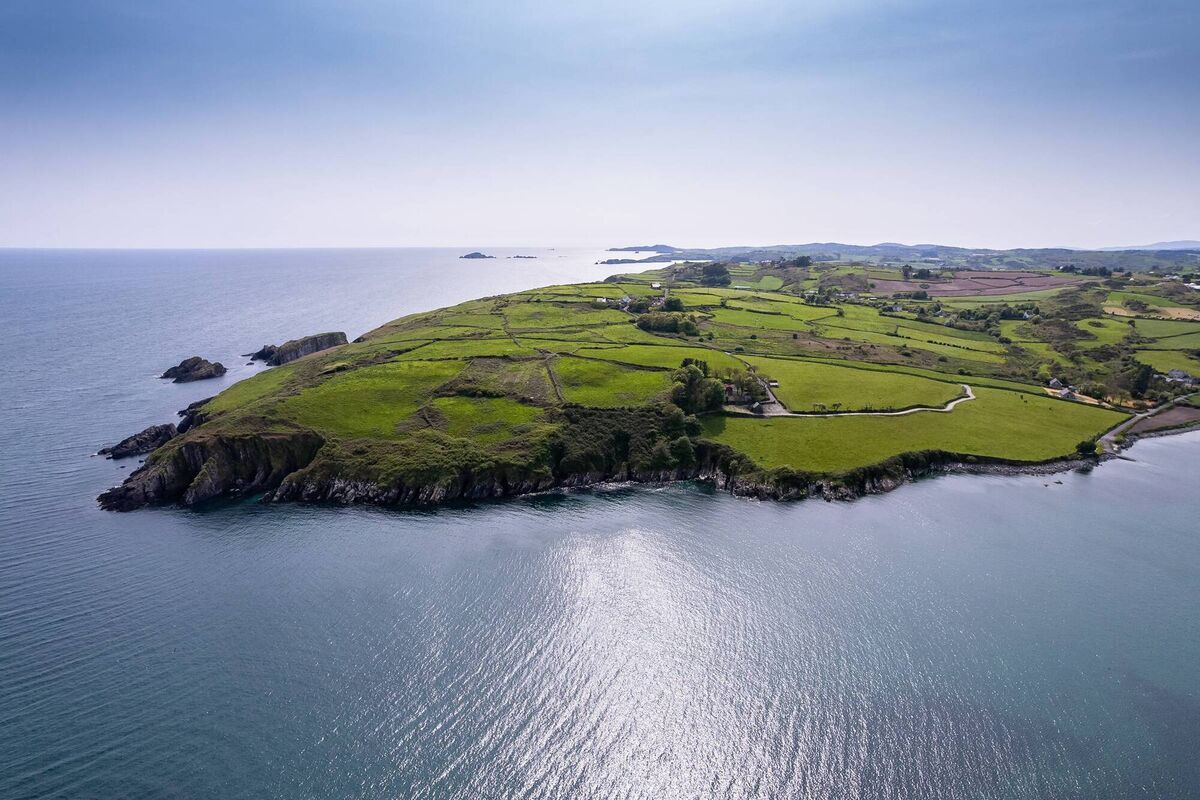
A head of the posse: overseas interest expected for half a headland, 32 acres farm by Tralong Bay near Glandore
|
Tralong Bay, West Cork |
|
|---|---|
|
€1.1 million |
|
|
Size |
149 sq m (1,600 sq ft) |
|
Bedrooms |
3 |
|
Bathrooms |
1 |
|
BER |
G |
THERE’S such a thing as ‘kind land,’ and this quintessentially beautiful and untouched West Cork small headland homestead, by a beach and slipway inside Glandore Bay, seems to embody it.
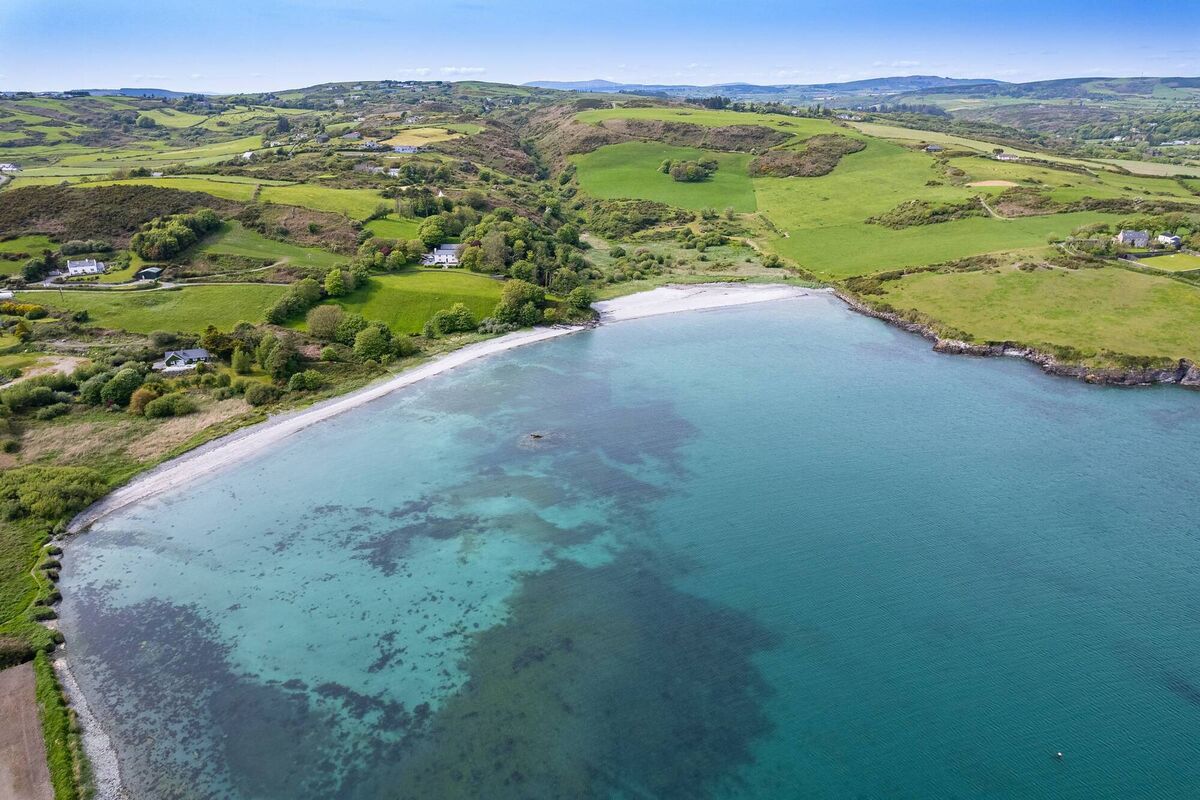
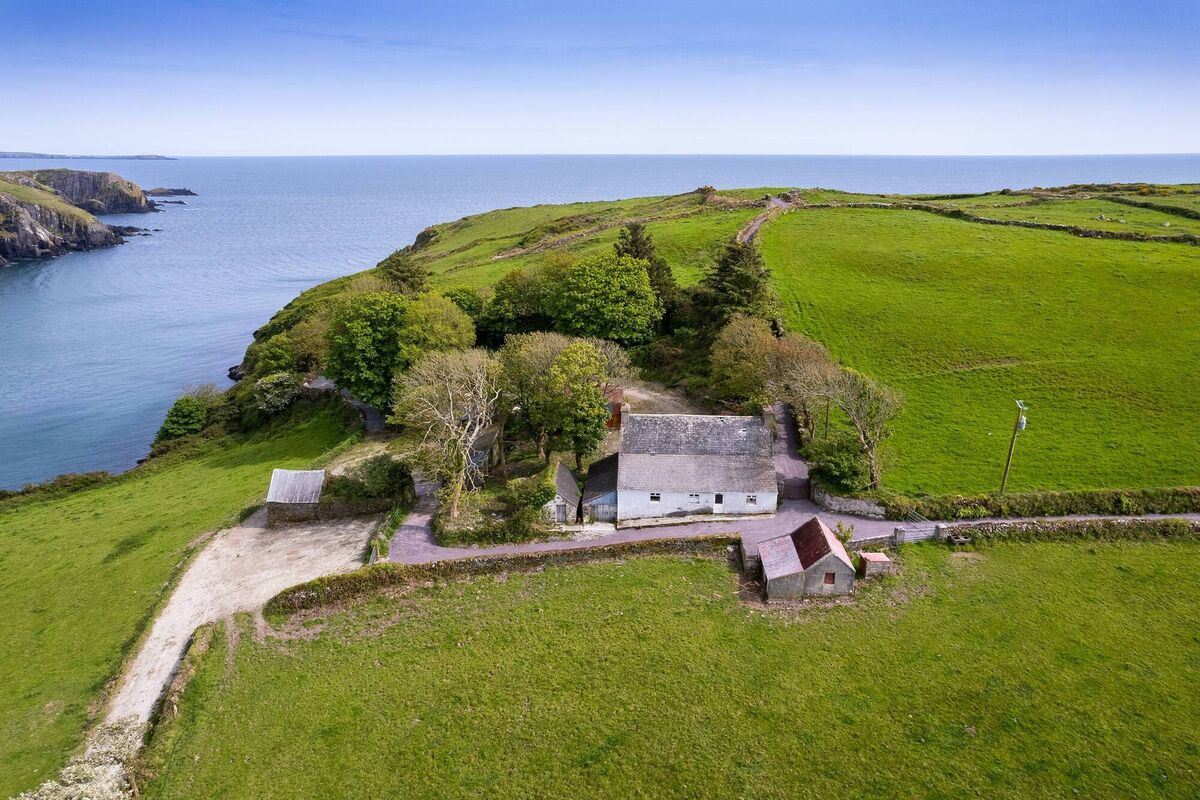
Just a few miles east of Glandore, and just to the west of Mill Cove by Rosscarbery, with extensive shoreline frontage, the elevated land is all in one block with two access lanes, with perfect wildflower ditches and stone walls.
And, from nearly every point, there’s a view of water, either the beach, the tidal inlet, or the facing headland on the other side of the foot-shaped bay where there’s a modern mansion tucked away. In contrast, glimpsed over the beach too is a now-immaculate 1700s period home rescued as a family home over a decade ago by a couple of architects as their family home.
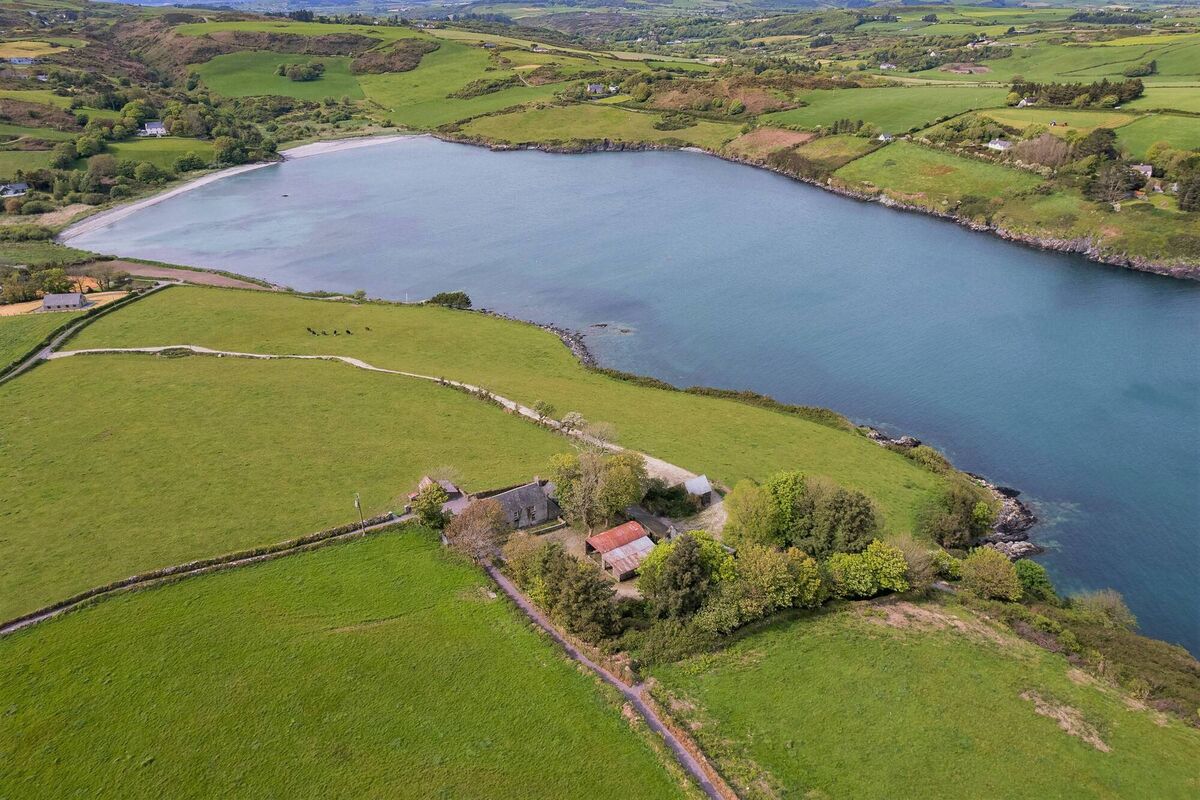
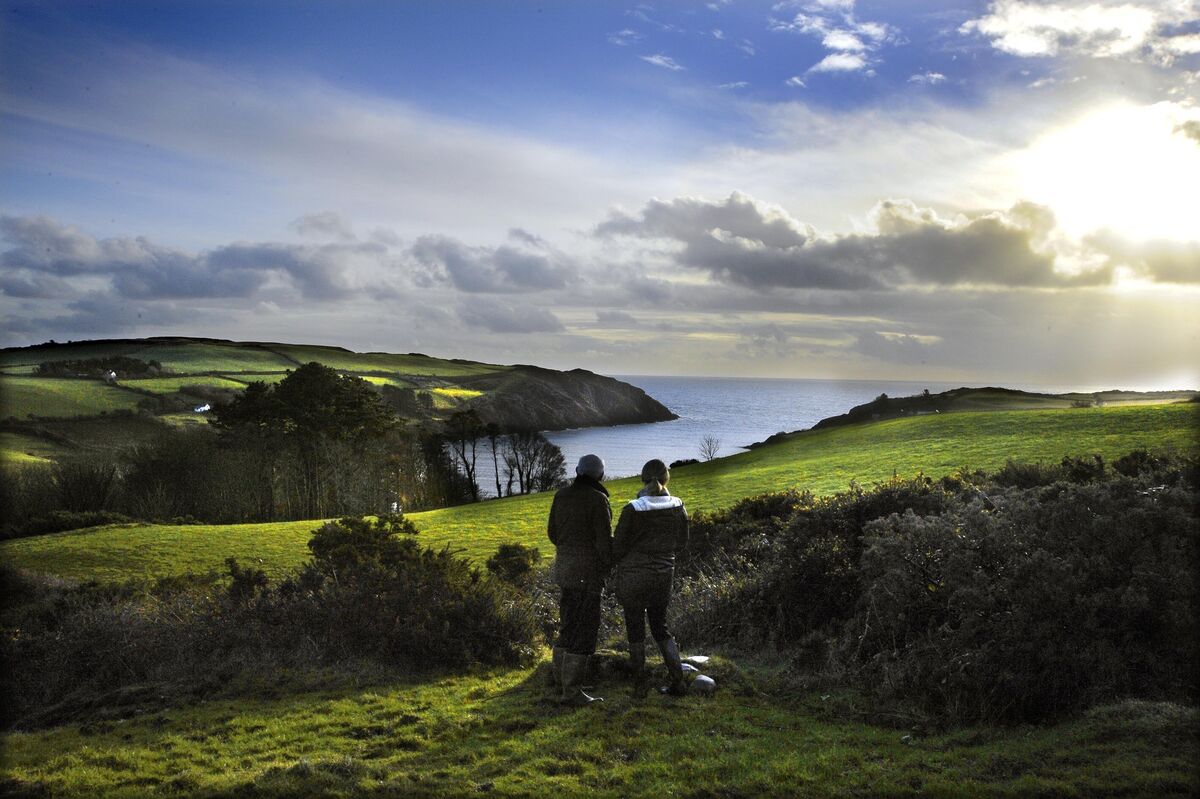
On this property’s own headland extremity are views to Galley Head lighthouse five miles to the east, as the gull flies, or as the whales pass by each summer. Brulea’s quite the perfect spot off the Wild Atlantic Way’s beaten track for a telescope for private viewings of marine life, bird life or shipping, yachting and fishing.
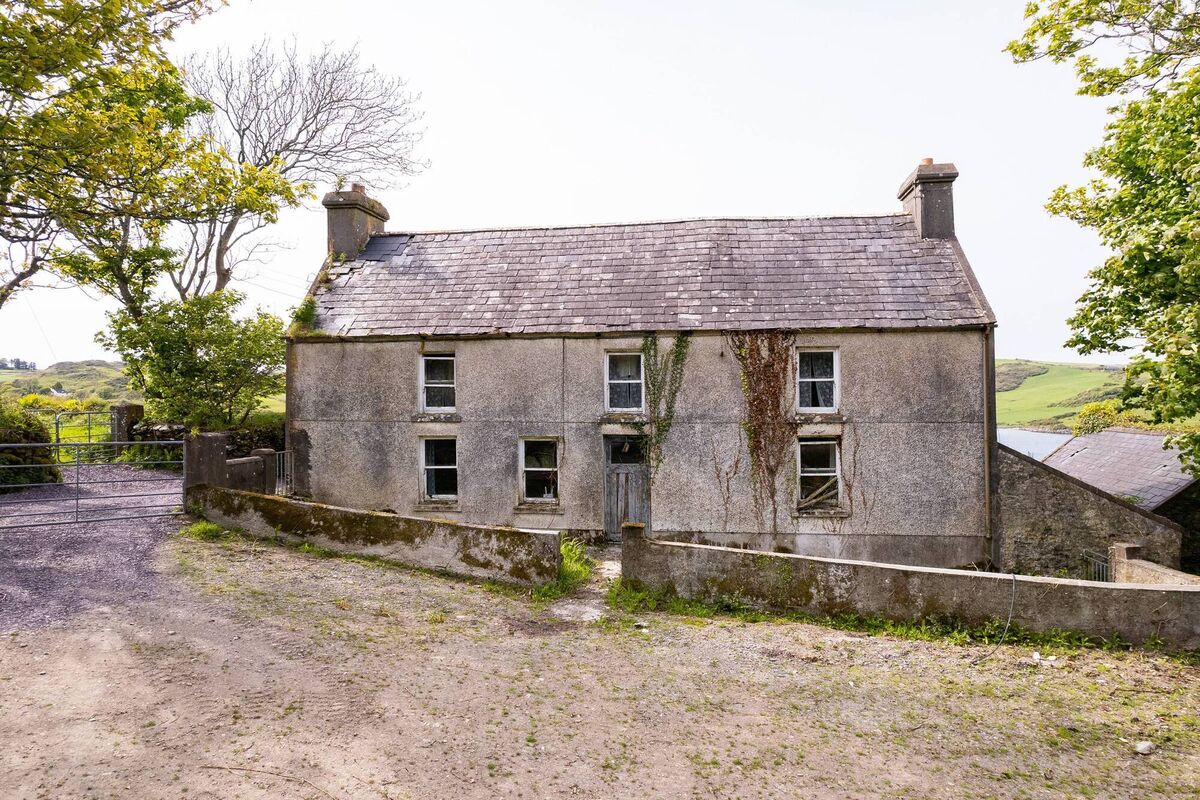
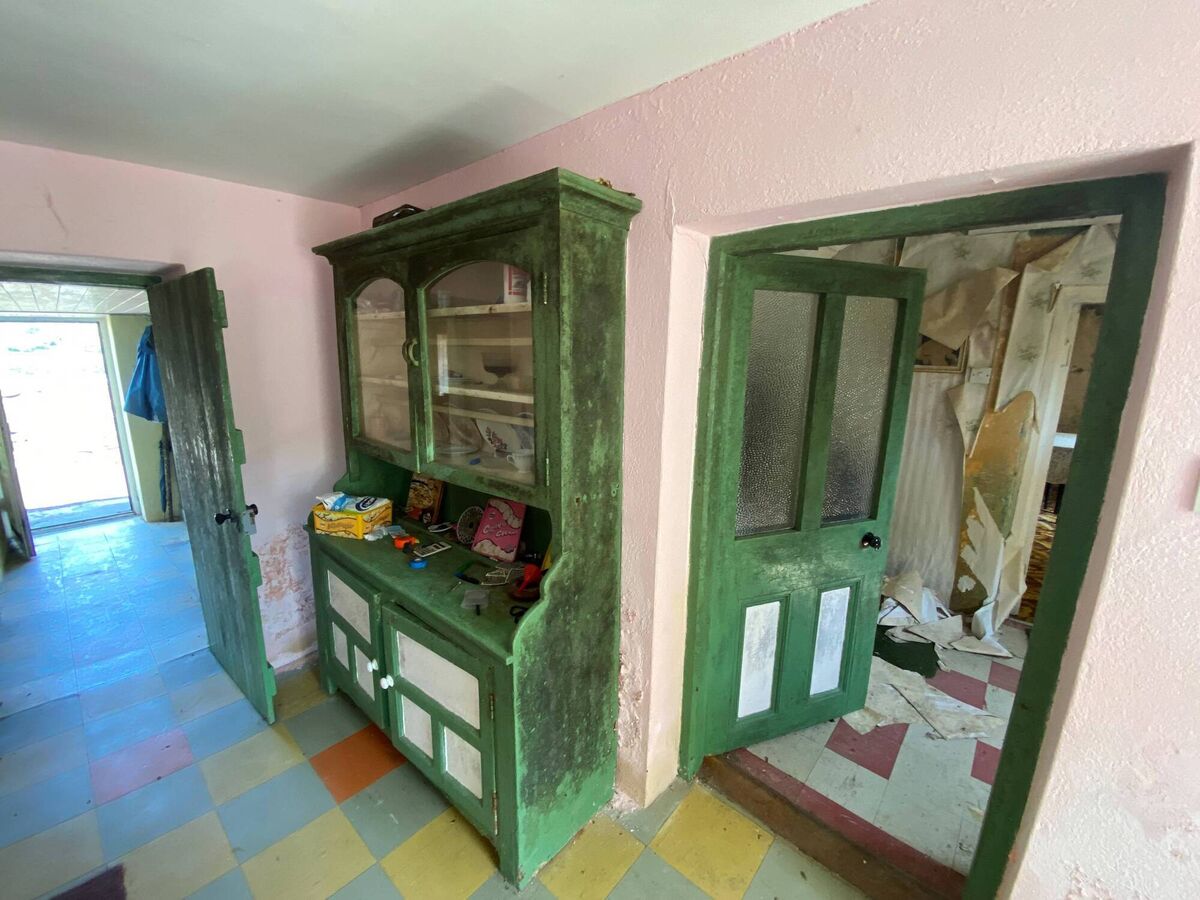
Its derelict three-bed house seems in quite good structural order and was lived in up until a decade or two ago, with two high-ceilinged first floor bedrooms plus large landing/bedroom, and has seemingly older stone outbuildings fringing it, with a native woodland sheltering the house from the worst of winter westerly winds.
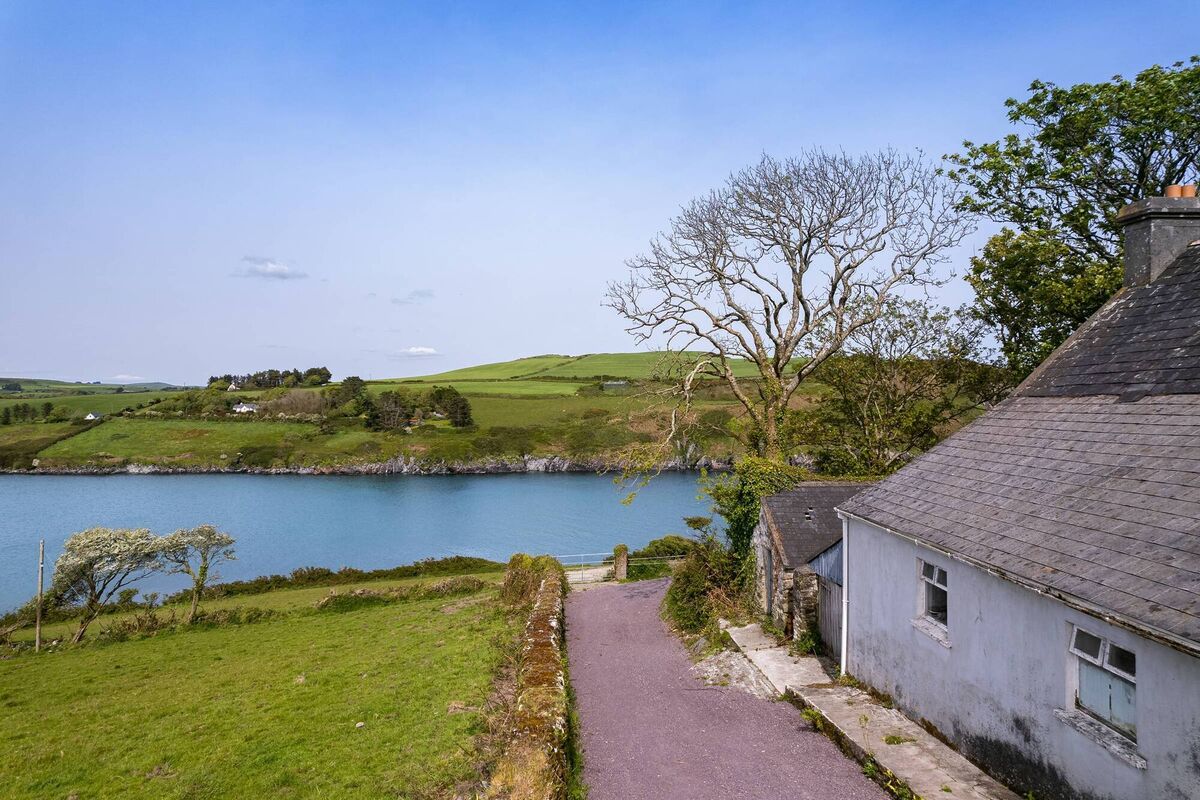
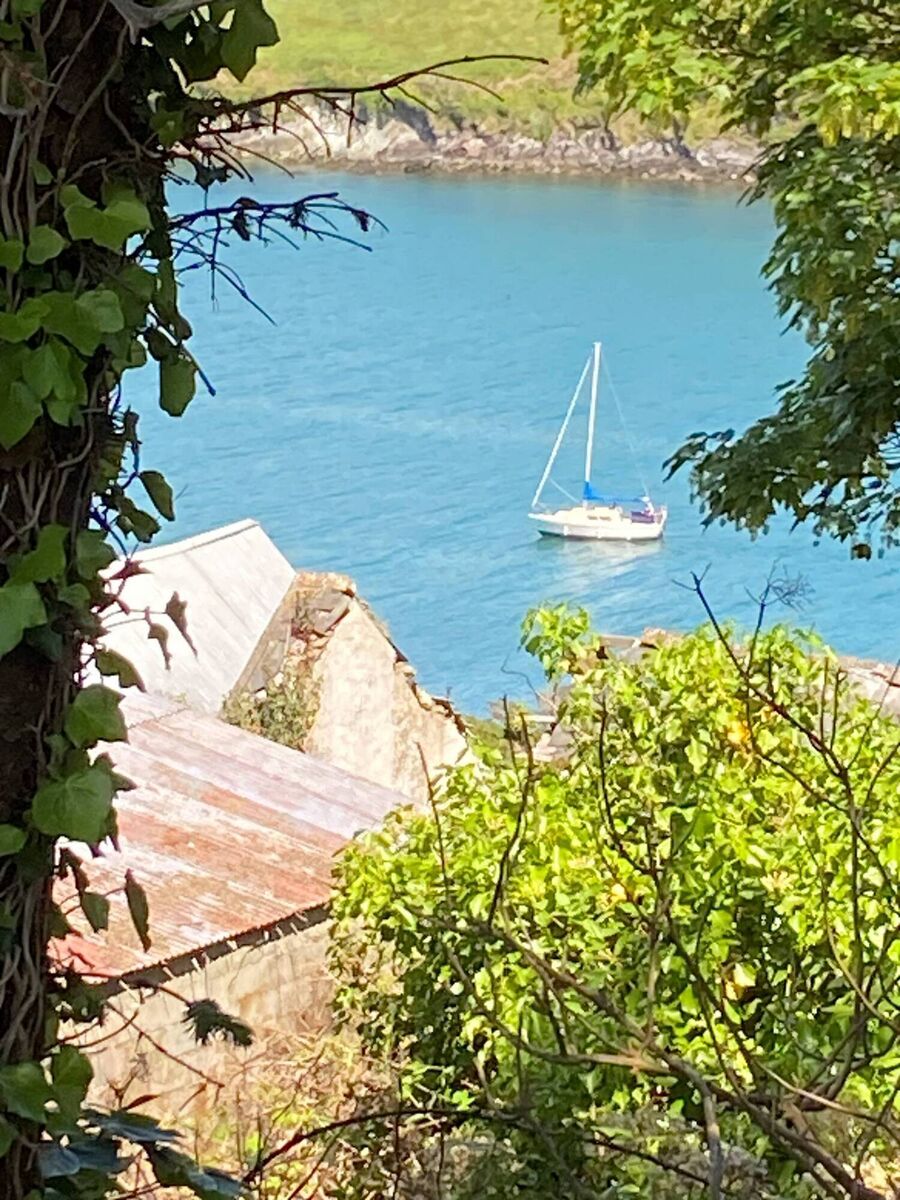
The land slopes down to the shoreline via rough paddocks beyond a public slipway, with glimpses of activity on the water (a yacht arrived as the Irish Examiner visited last sunny weekend, having safely navigated the rocks at Tralong’s Bay’s mouth) and rises above to several sloping rough paddocks that don’t seem to have had feeds of nitrogen for years, allowing for a diversity of grasses and wildflowers. It’s a heart-warming step back in time to non-intensive agriculture.

CONNECT WITH US TODAY



Be the first to know the latest news and updates