Chorus of approval for €4m waterfront Cuskinny Estate — the jewel of Cork Harbour
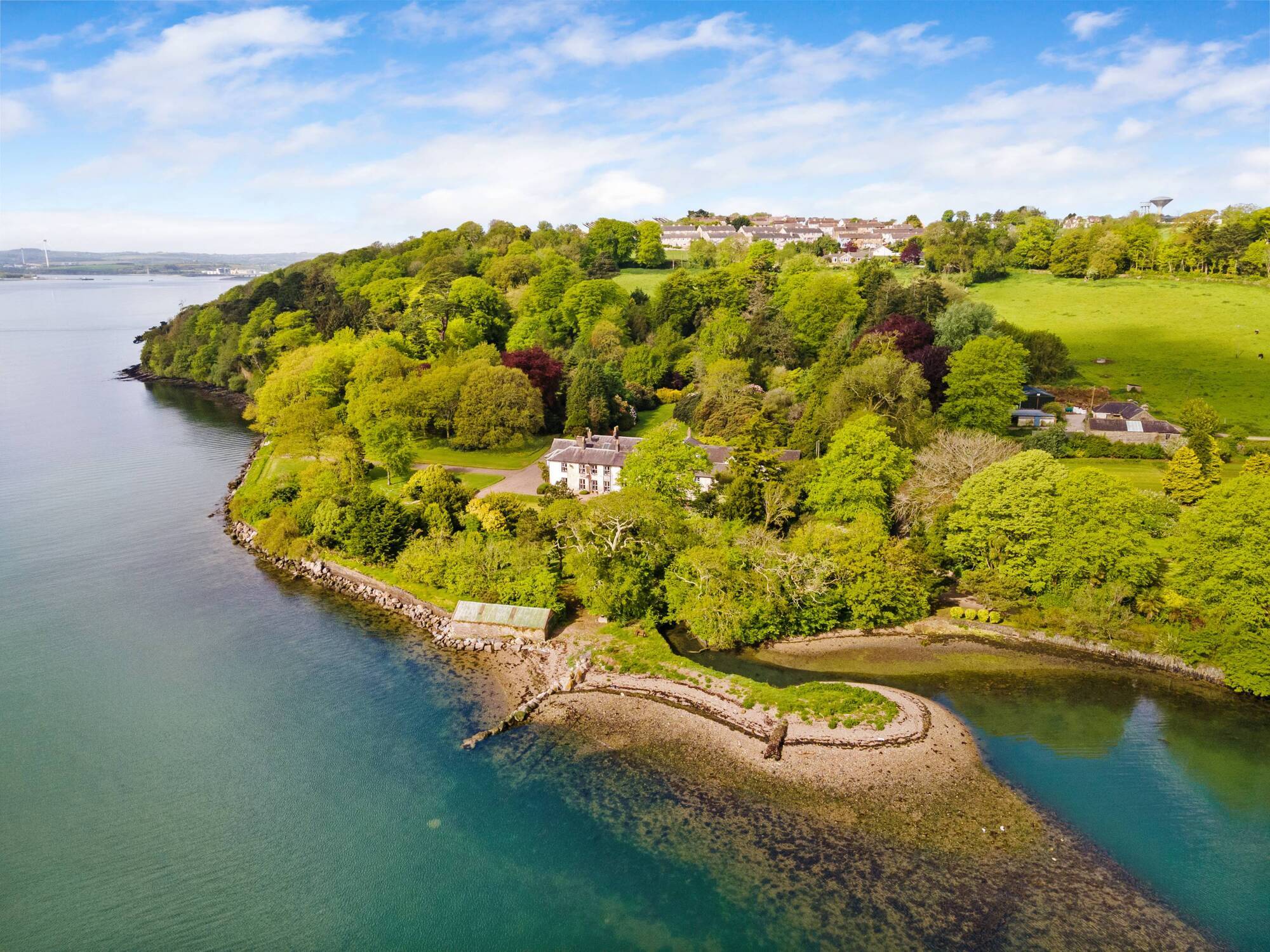
Estate with farms, magnificent tended woodland gardens and period house has been in the same family's hands since 1805. The 'Dawn Chorus' Cuskinny Nature Reserve is not part of the sale
Chorus of approval for €4m waterfront Cuskinny Estate — the jewel of Cork Harbour

Harbouring thoughts of the good life? Cuskinny House Estate might well fit the bill, at €4m all-in for exceptional, one in several lifetimes,  sale offer


Great Island, Cork Harbour

€4m entire on 142 acres or €2m house, gardens, 37 acres

Size

10,000 sq ft main house, plus Gate Lodge, Farm Cottage, two Courtyard Apartments, 800m shore frontage, beach and boathouse

Bedrooms

6 (main house)

Bathrooms

2

BER

N/A

SET by the sea, and steeped in Cork harbour life and lore over several centuries, Cuskinny House Estate is surely one of Cork’s best-sited and most engaging period properties, and has been linked to the same family line for over two centuries.
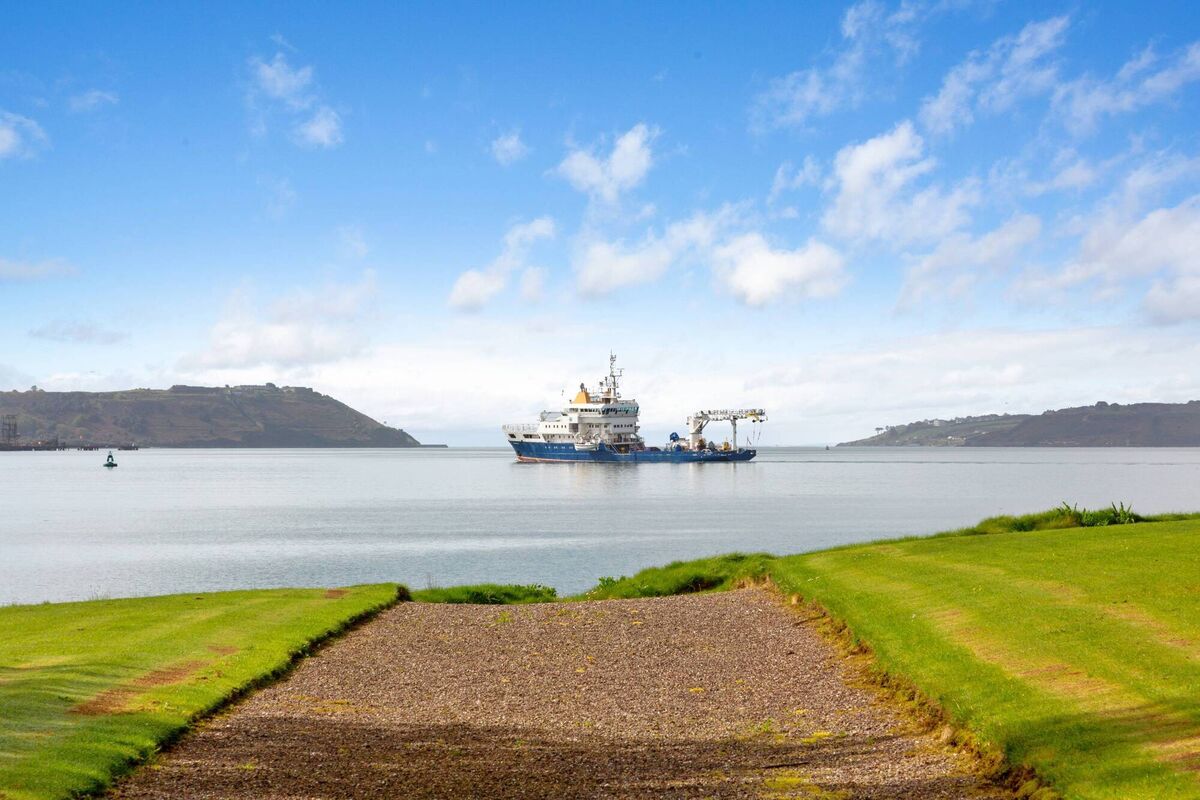
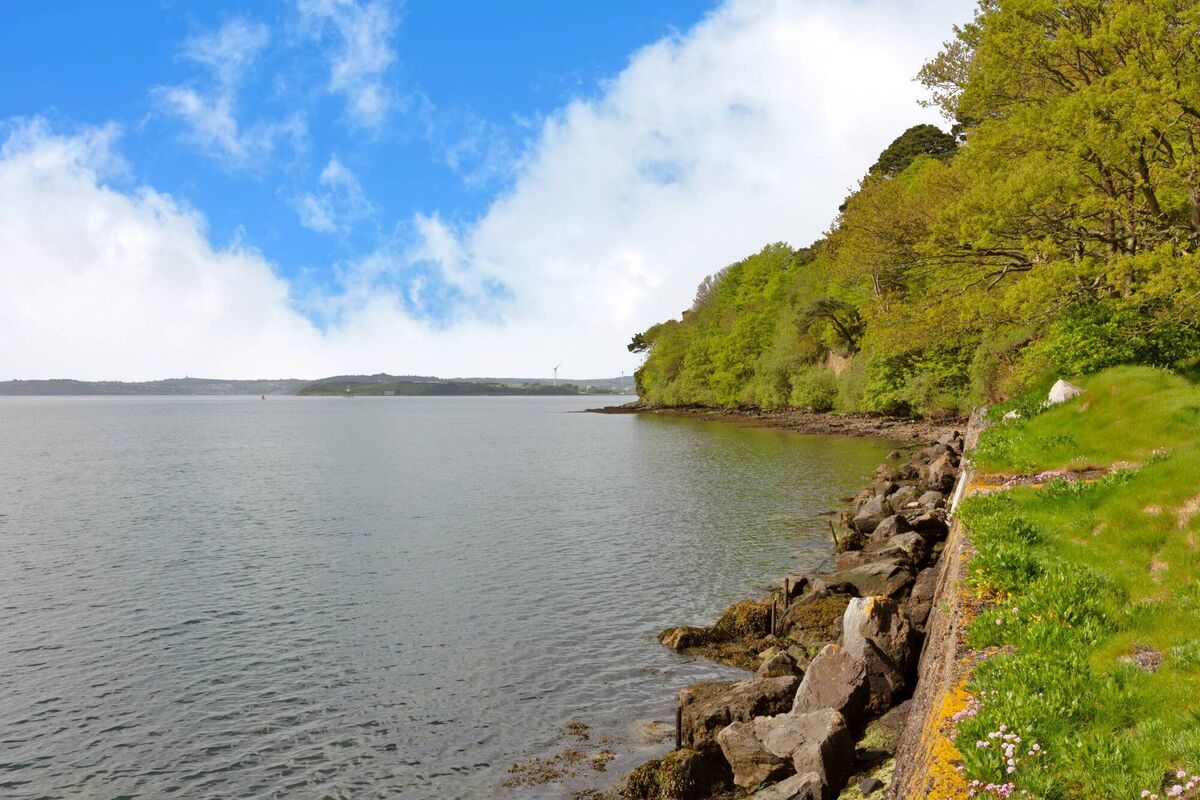
View to sea from the front of the property which has 800m water frontage next to Cobh

It’s a special, serene place by the sea, which even has a global choral claim to fame, thanks to RTÉ’s annual Dawn Chorus.
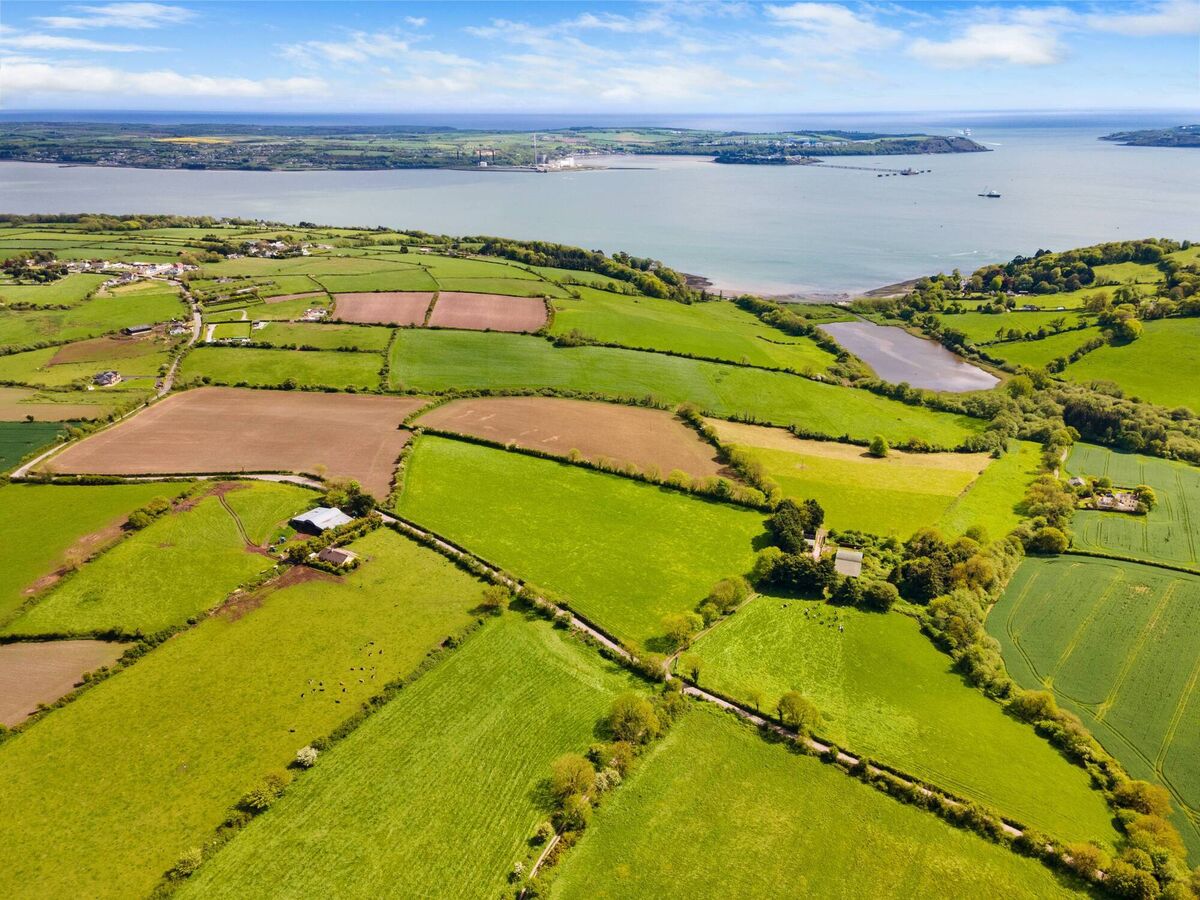
Setting, showing Cuskinny Nature Reserve which is not part of the estate sale

This is a live broadcast of birdsong each May that has an international following, on-song for almost 30 years from the Cuskinny Marsh Nature Reserve, part of this exceptional ‘big house’ estate, the last left on Cork’s Great Island to have remained in original family hands.
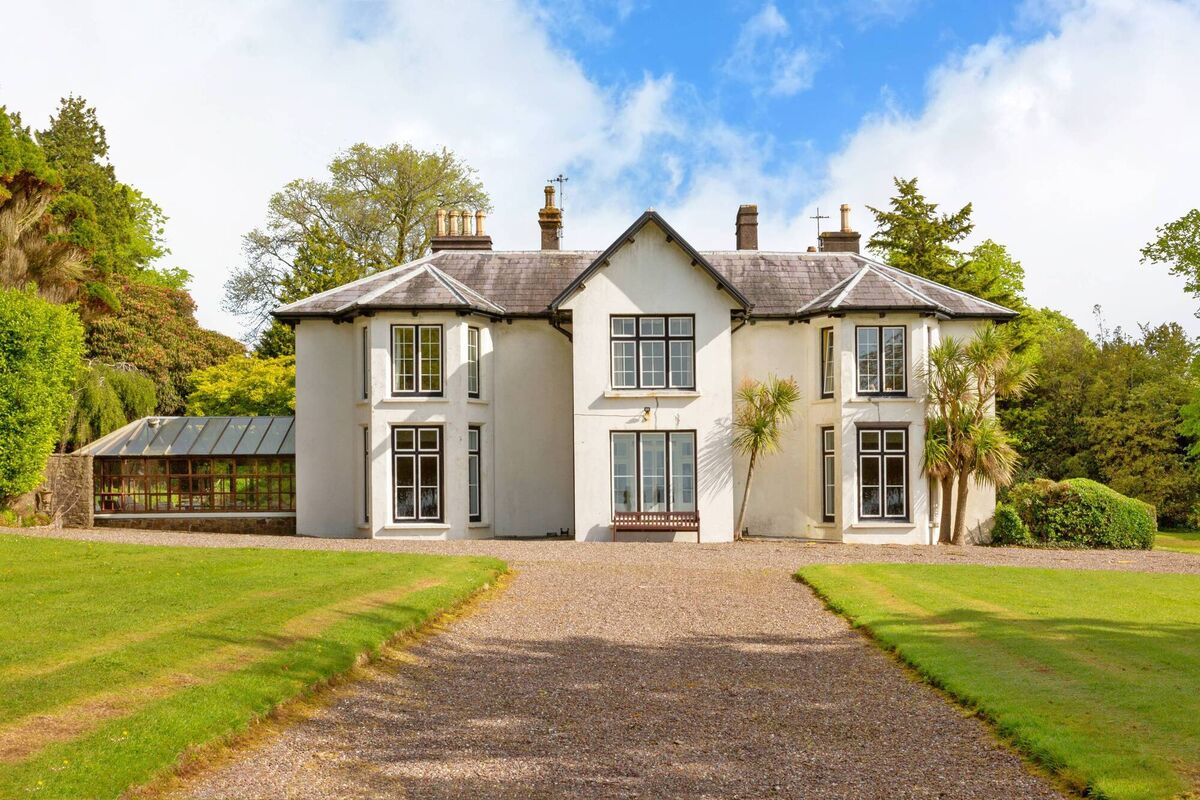
Cuskinny House dates to the early 1800s, and was built in several sections: a house has been here since the 16th century

Just a mile or so east of Cobh town — or, Queenstown when Cuskinny was in its youthful prime — and anchored by a Georgian house, it is a genteel old-world estate and working farm, standing on up to 163 acres of land with a noted nature reserve, established since 1990 and managed by Birdwatch Ireland.
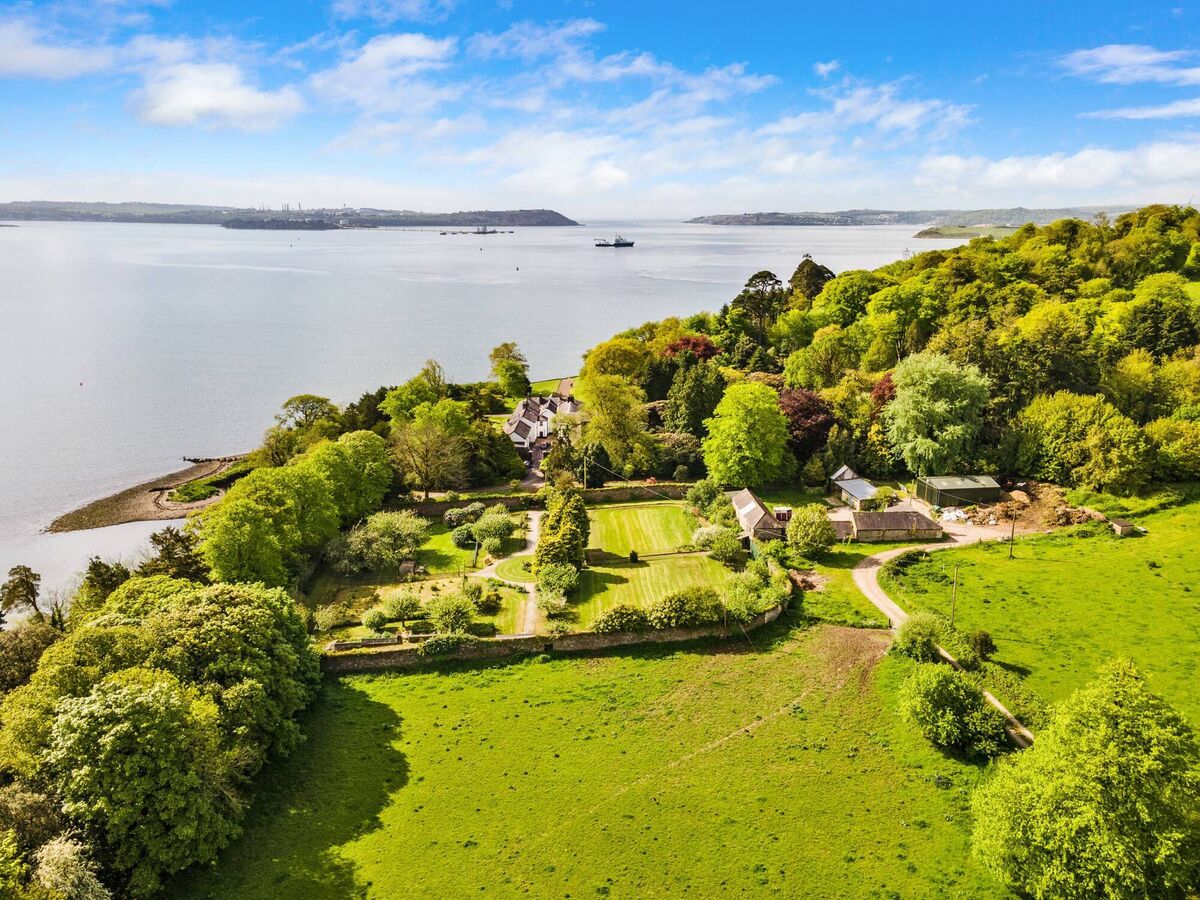
Walled garden in the grounds

Cuskinny House has 800m of shoreline frontage, and its own beach; a dry dock and stone-built boat house; gardens and woodland planted and tended for centuries also with some exceptional specimens, plus a benign-climate walled garden, rock garden, tennis court, immaculate lawns running down to the sea, a rhododendron walk, 10,000sq ft main residence, and several other houses on the lands all in its demesne.
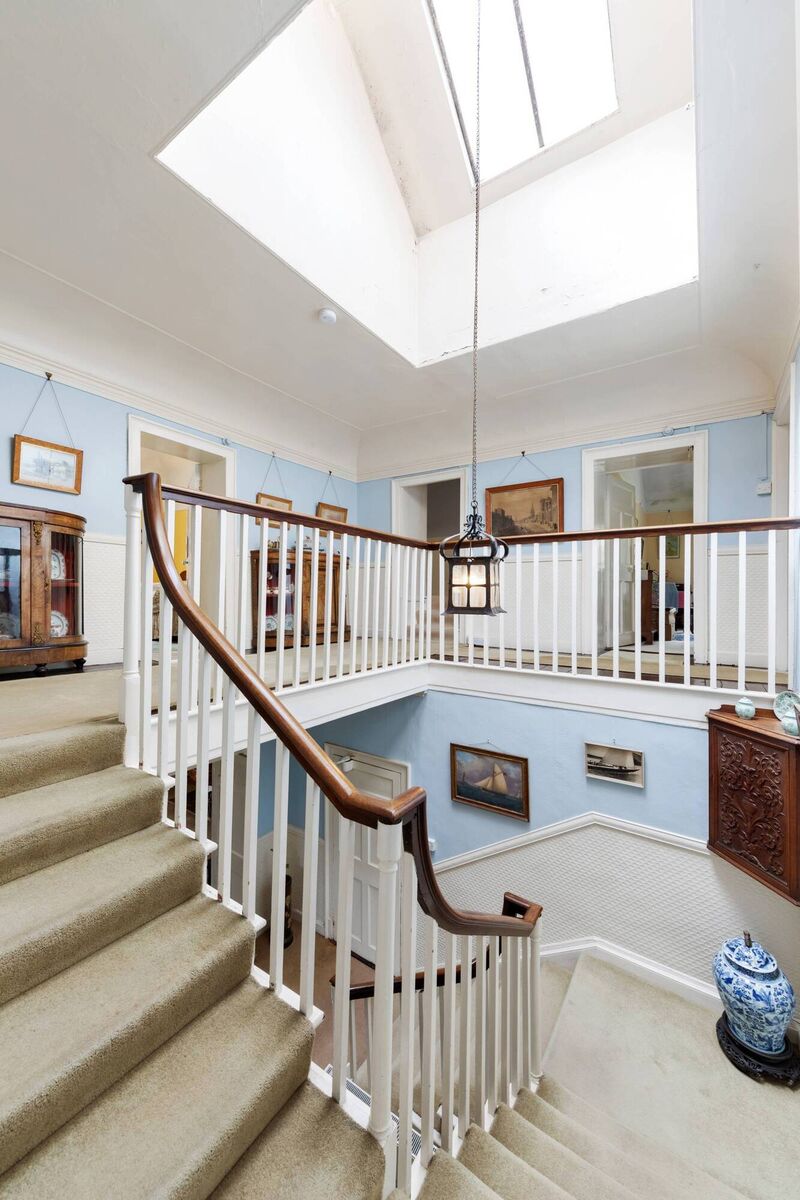
Inner hall and landing with roof lights

But, Cuskinny is now for sale, about to leave French/Ronan family hands and their intergenerational ownership for the first time ever, albeit with a special arrangement proposed, to leave the much-loved 20ha Cuskinny nature reserve, managed in recent years by Birdwatch Ireland, as a precious natural resource, to a charity/foundation.

To say the estate is a prize property would be to considerably undersell Cuskinny, irrespective of price.
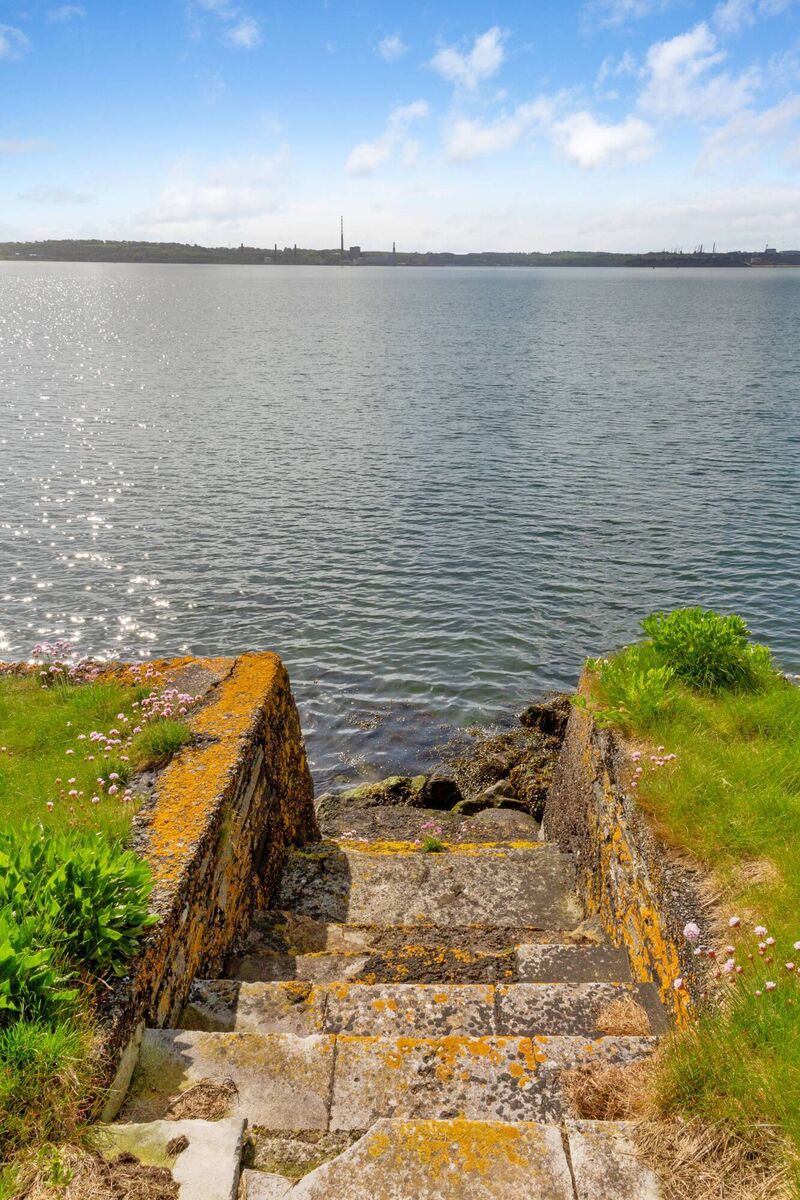
Step up to the good life

Despite the main house now needing expenditure on refurbishment and upgrading, it’s world-class, surely, with its mature gardens and knowledgeable planting mix, with much of the more exotic trees and plants sourced via the Mount Congreve Estate in Waterford (now in OPW hands and open to the public) plus several properties, in one of the best positions in one of the world’s largest natural harbours.
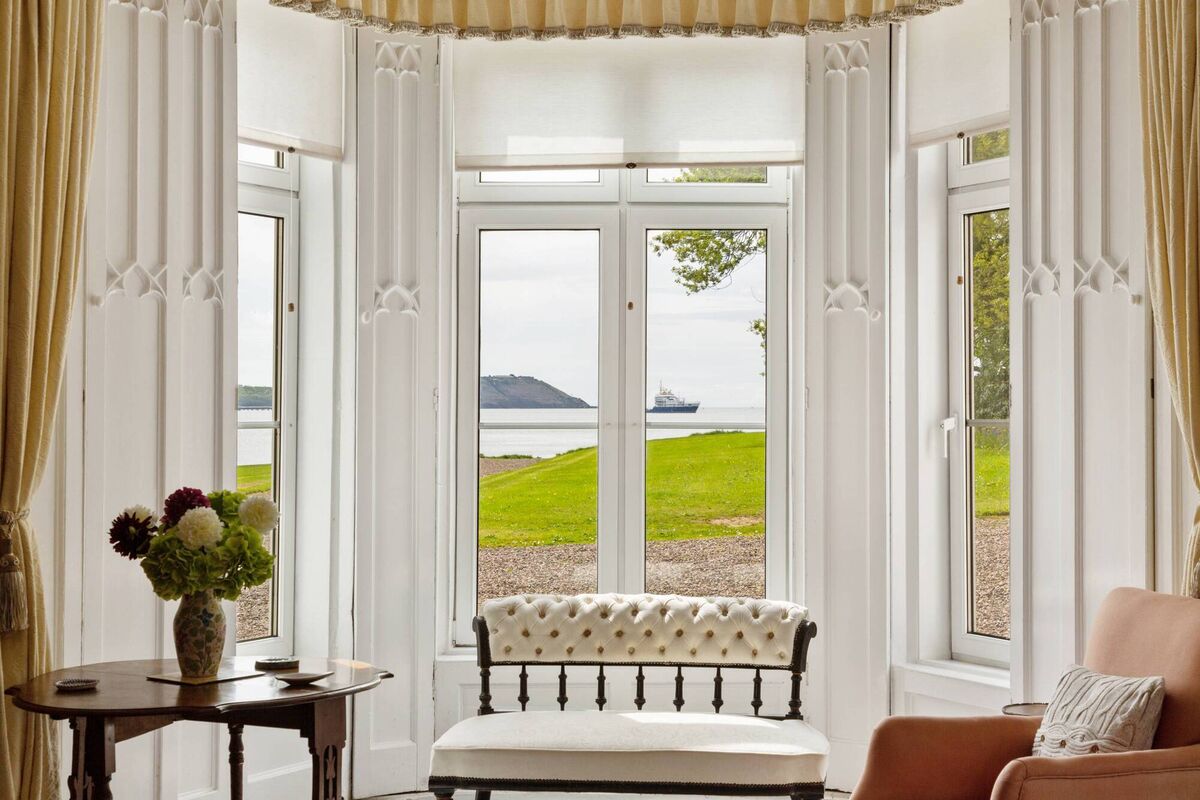
Room with a view
Room with a view

It has the harbour mouth squarely in its sights, facing directly south out to Roche’s Point and beyond as any bird flies, or as any boat travels, and the wide view over water and sky is ever-entrancing, whatever the weather, winds or the tides.

Keeping watch over all harbour arrivals and departures, Cuskinny House as it currently stands integrates what’s thought to be part of a Norman keep in one very substantial stone wall, with records of a house here dating back to 1583.
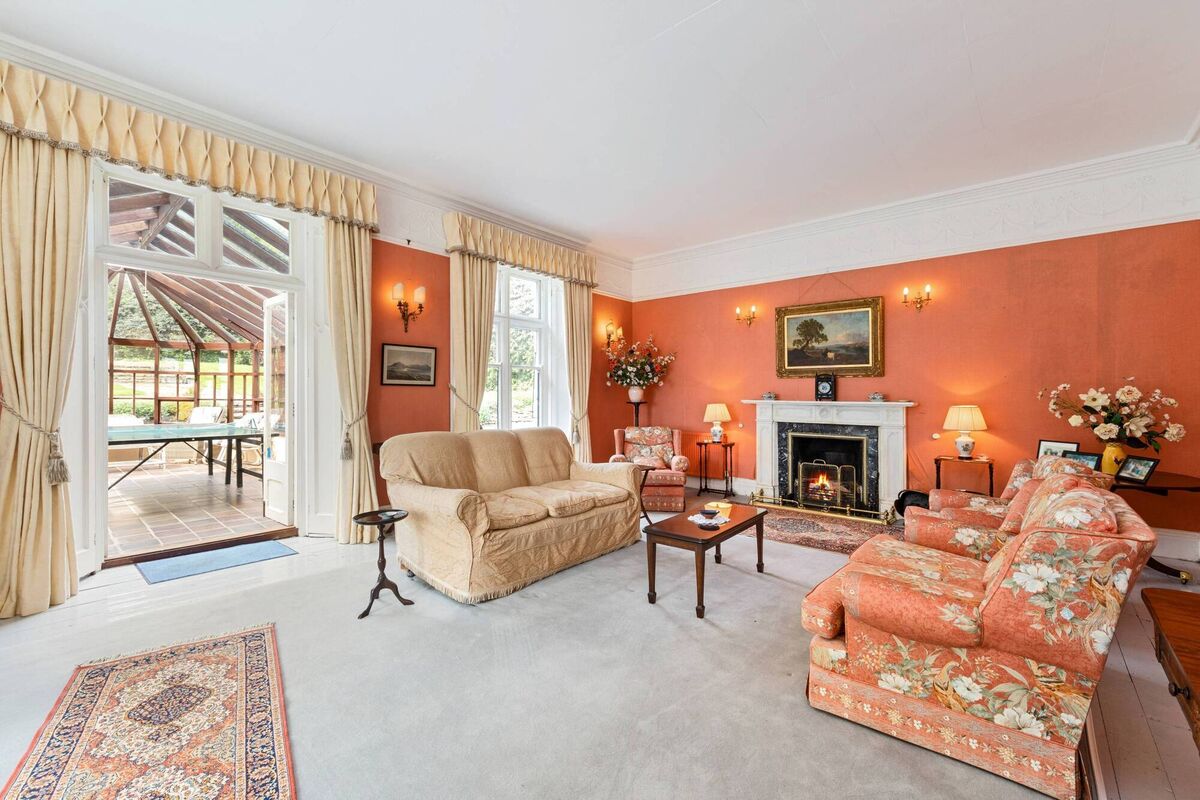
Drawing room with conservatory off

First associated with the Walters family, it passed to the Ronaynes (who also owned Cobh/Great Island’s Marino/Ronayne’s Grove for 200 years.

An early, old Cork family, the Frenchs trace local roots back to the 1600s and titles that French family members have held included Lord Mayor, Sheriff, District Lieutenant, Justice of the Peace and Land Agent, with considerable lands in Cork and on Great Island, until the 1903 Wyndham Land Act.
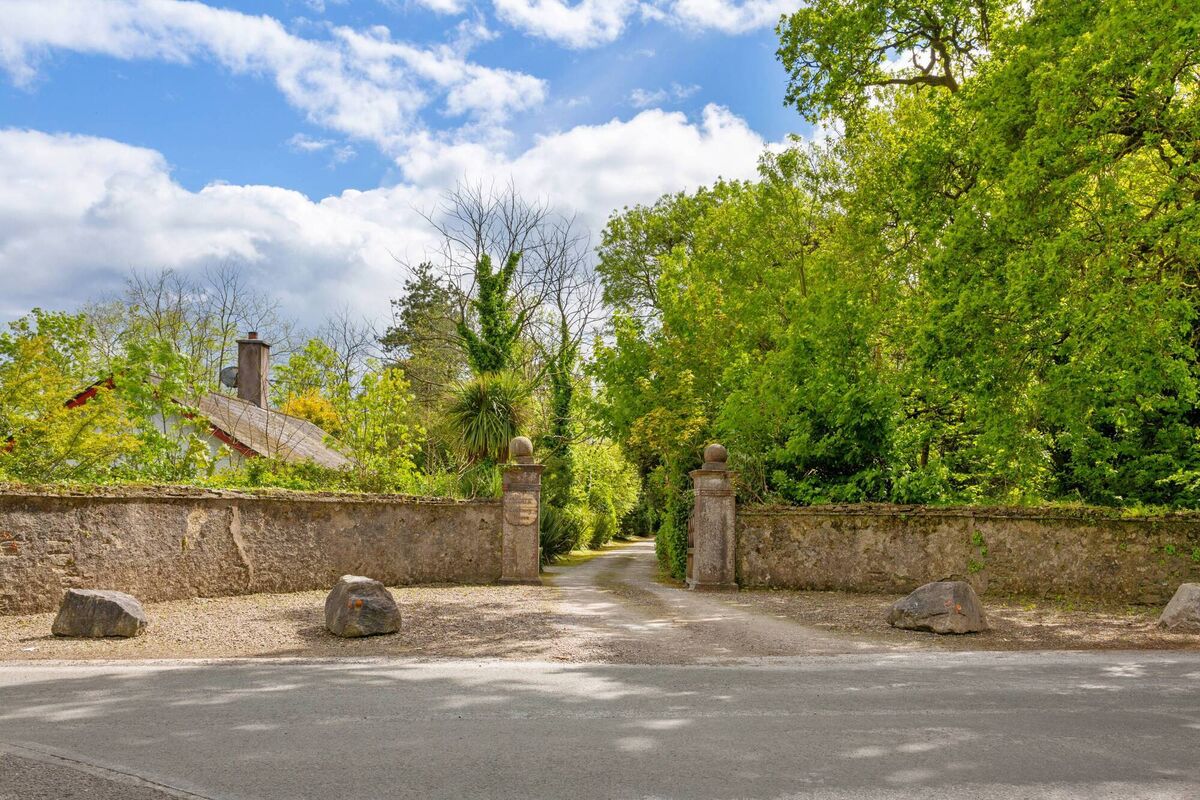
Low-key entrance and start of the property's long water-fronting approach avenue with gate lodge on left

One earlier ancestor, Savage French, bought Cuskinny for a son, also called Savage, on his marriage in 1806, and it has remained in the same long bloodline since, growing and becoming more refined over time.

Later 19th century designs were drafted by architects J & GR Pain (“for Savage French Esq”), with soft Gothic influence in its three front bows, with Cork architects Hills (ancestors of Ballymaloe’s Myrtle Allen), also likely to have had an input into a house which evolved over generations and styles, large but not especially lovely from some viewpoints, it puts its very best face on looking out to sea.
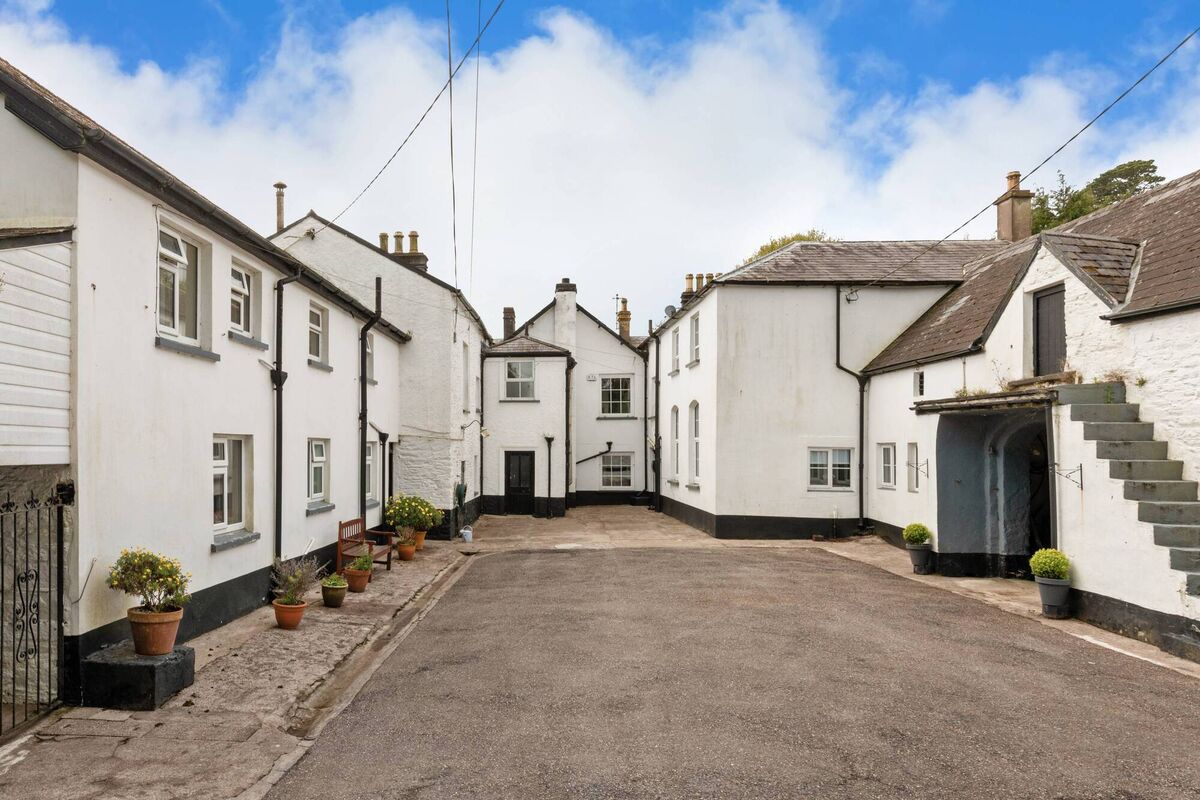
Courtyard has sections older than  the main house

Cuskinny was passed on to Wanda Ronan (nee Goolden) in 1950 when she inherited from her uncle and godfather, Hugh French, as she had direct, hands-on experience of farming having been in the Women’s Land Army (set up in Britain to free up agricultural workers for military service) during the Second World War.

Soon after single-handedly taking on the responsibility of this large house, its garden and farm, she met with John Ronan, who lived locally: they married soon after, having five children, says their oldest daughter, Sarah Tilson, who wrote a loving but keen-eyed dissertation on the house’s long history, and on its French family connections and roles.
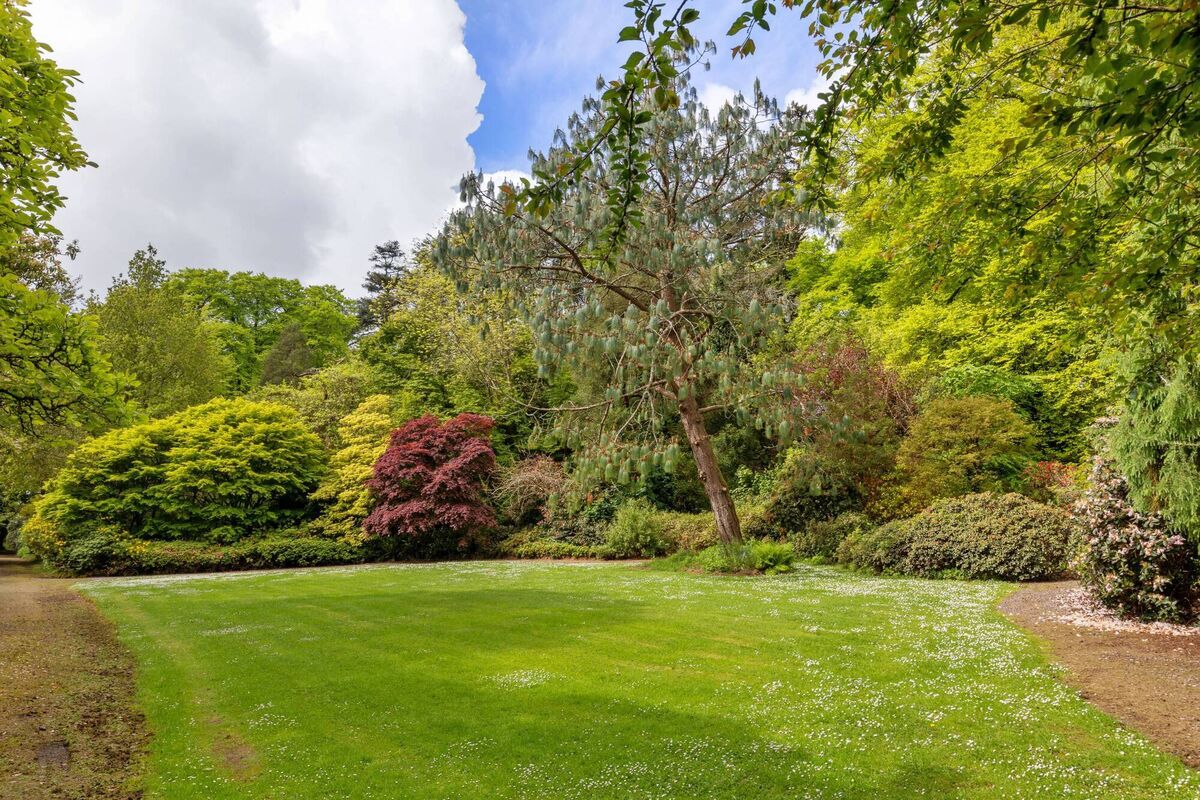
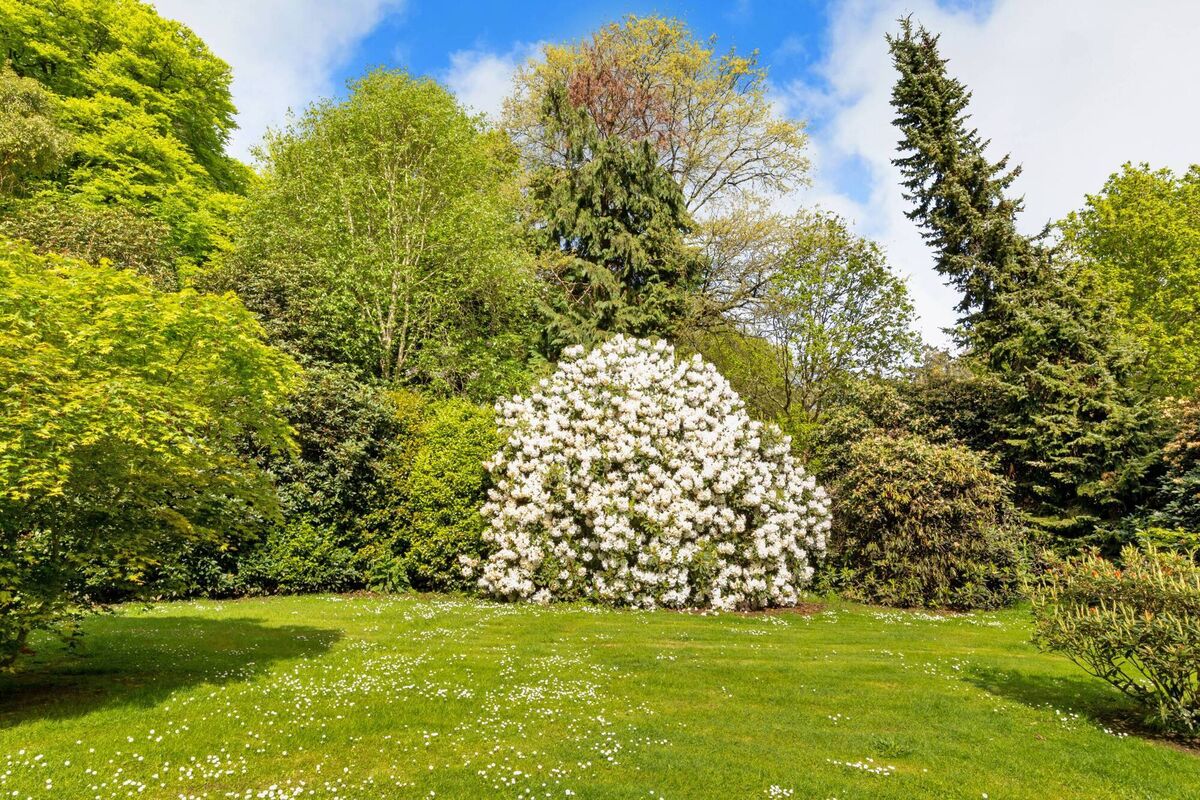
Tended grounds
Tended grounds

She recalls some local upsets as Cuskinny had been in French family/Protestant hands for three generations and John Ronan was Catholic.

“[But] my mother’s mind was made up,” says Sarah, “She loved my father and they married in London in 1952.

“My father loved the sea, he was a keen yachtsman and my mother always said he married her because of the boathouse at Cuskinny!” she says.
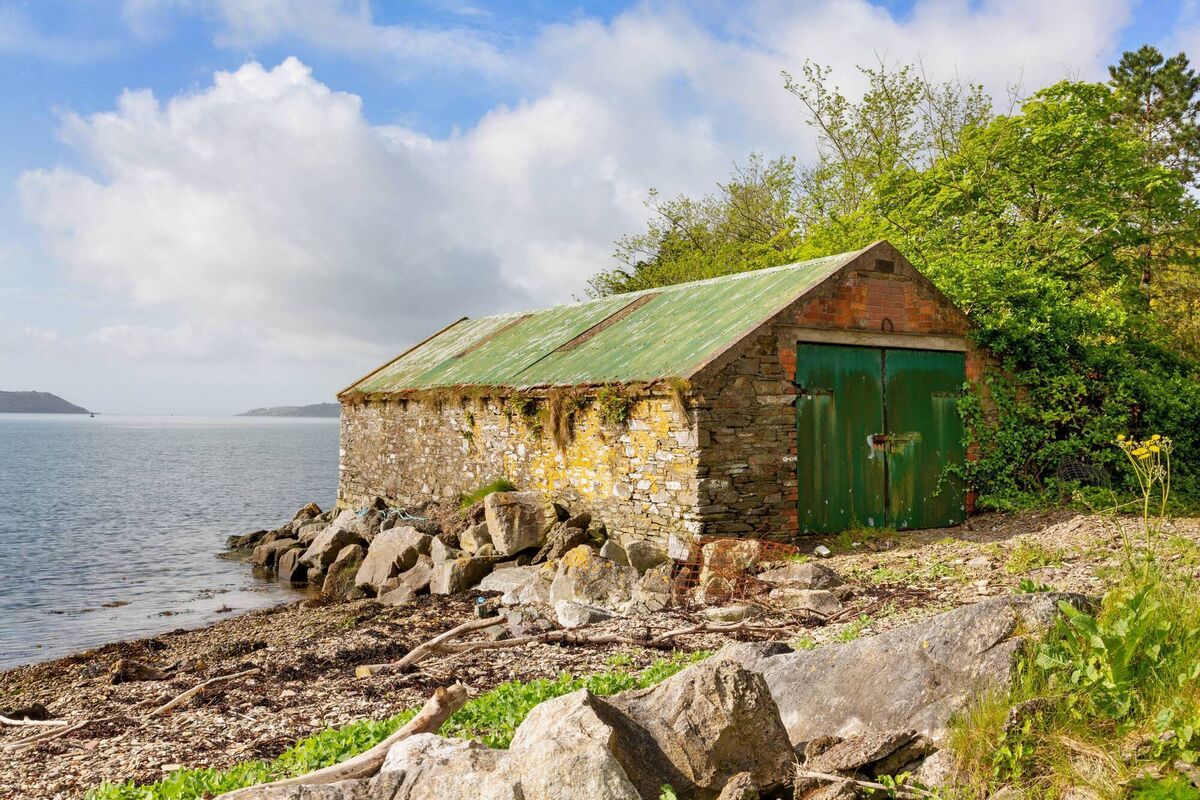
Boathouse with remains of rails and winch for hauling craft up 

Sailor and skilled gardener in time, John Ronan was a lawyer by profession and today the Ronan surname is still attached to the law firm merger he instigated, Ronan Daly Jermyn, one of Ireland’s largest commercial law firms with offices in Cork, Dublin and Galway.

Cork, and the harbour were John Ronan’s passions, though, and while he passed away in 1995 aged 70, his widow Wanda lived on at Cuskinny after him “to the age of 101 and a half,” says the couple’s only son, Simon Ronan, now based in London with his own five children.

There’s understandably huge regret at the family decision to sell Cuskinny House and estate, which started viewings this week as it goes publicly on the market.
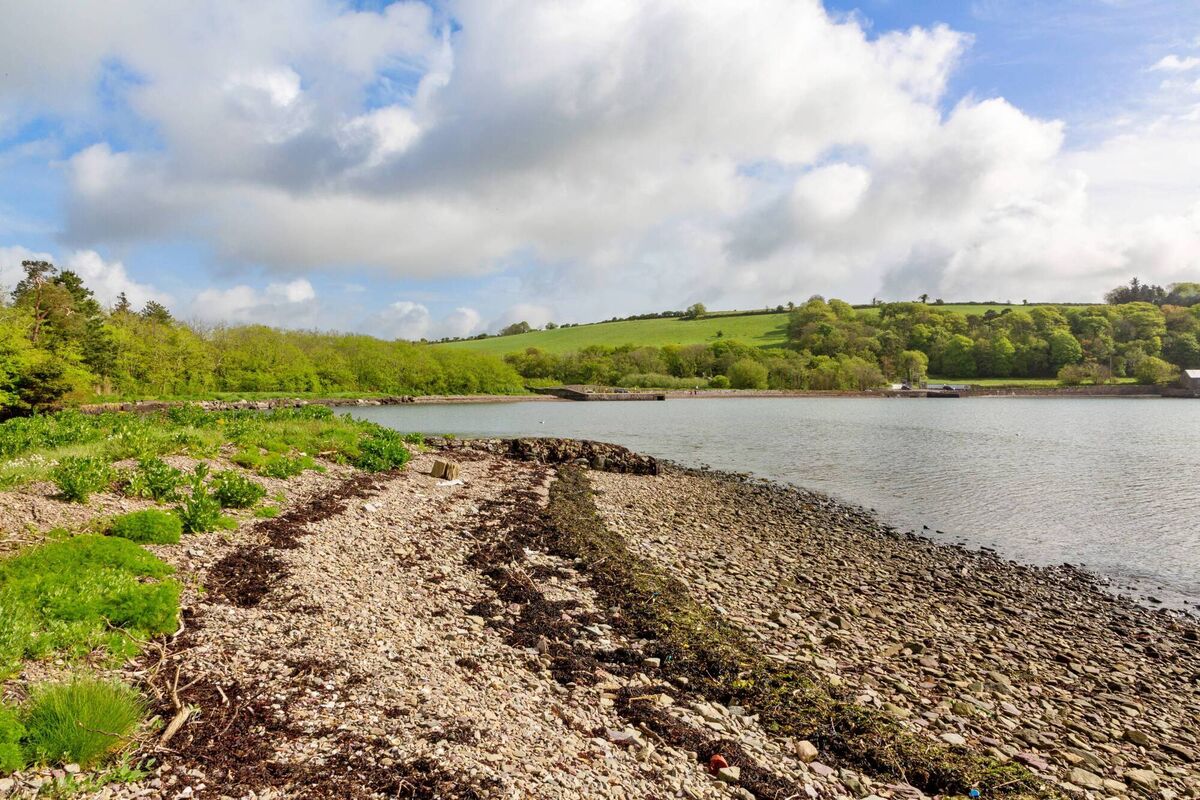
Cuskinny dippers
Cuskinny dippers

Advertised this month in Country Life and internationally, it is certain to get considerable ‘new world’ online traction, and a buyer could quite literally fly in from anywhere, like some exotic avian arrival to the adjacent nature reserve, lured by the setting, the land, the exceptional woodland and walks, the southerly aspect, the potential of the house and additional the property mix, choosing some or all of its rare and unspoiled attributes.
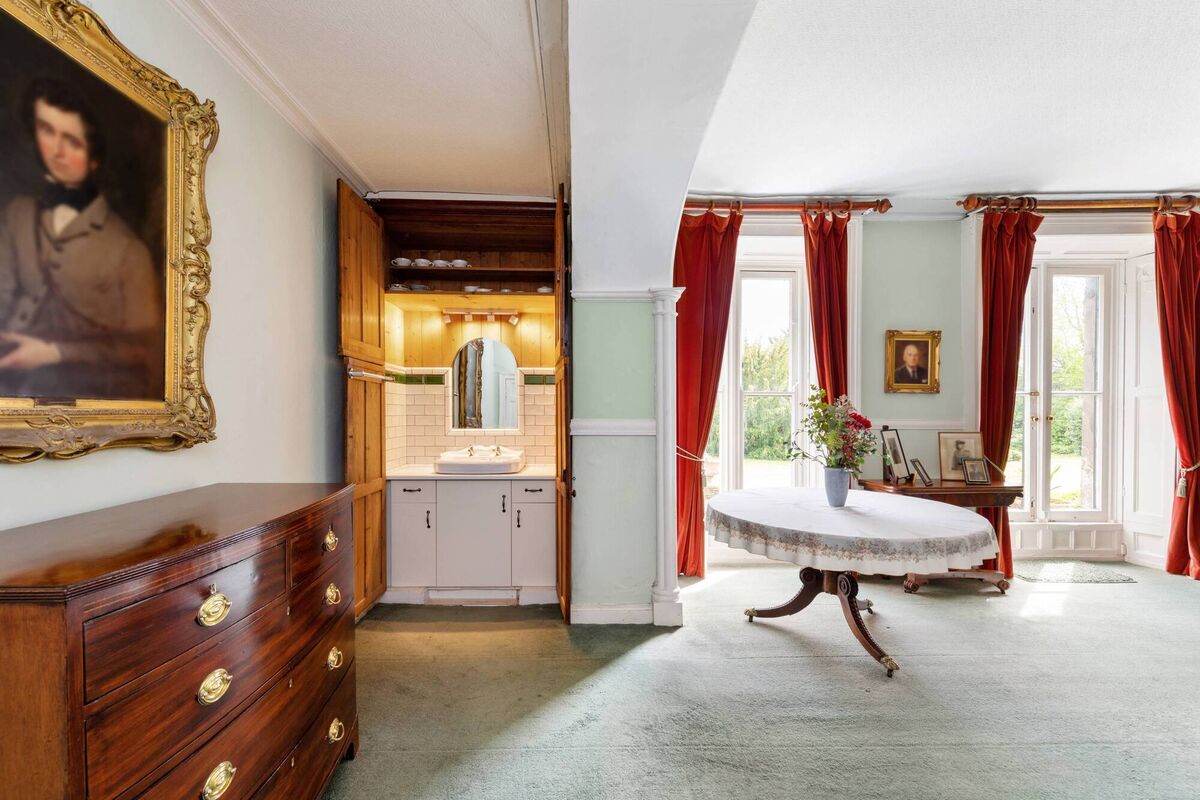
Interior
Interior

It is listed now with joint agents Michael H Daniels, a country homes specialist based in Co Cork and with Guy Craigie of Knight Frank, who almost underplay it in a glossy brochure describing it as “a wonderful coastal estate with the handsome late Georgian Cuskinny House commanding a magnificent position at the water’s edge.”

It can be bought with the entire 163 acres, or in lots, and in fact there is already local interest in the larger of the land lots, Lot 4 of ‘the Upper Farm’, about 80 acres separate from the rest, above the nature reserve and which has guide of €1.5m or under or under €20k an acre.
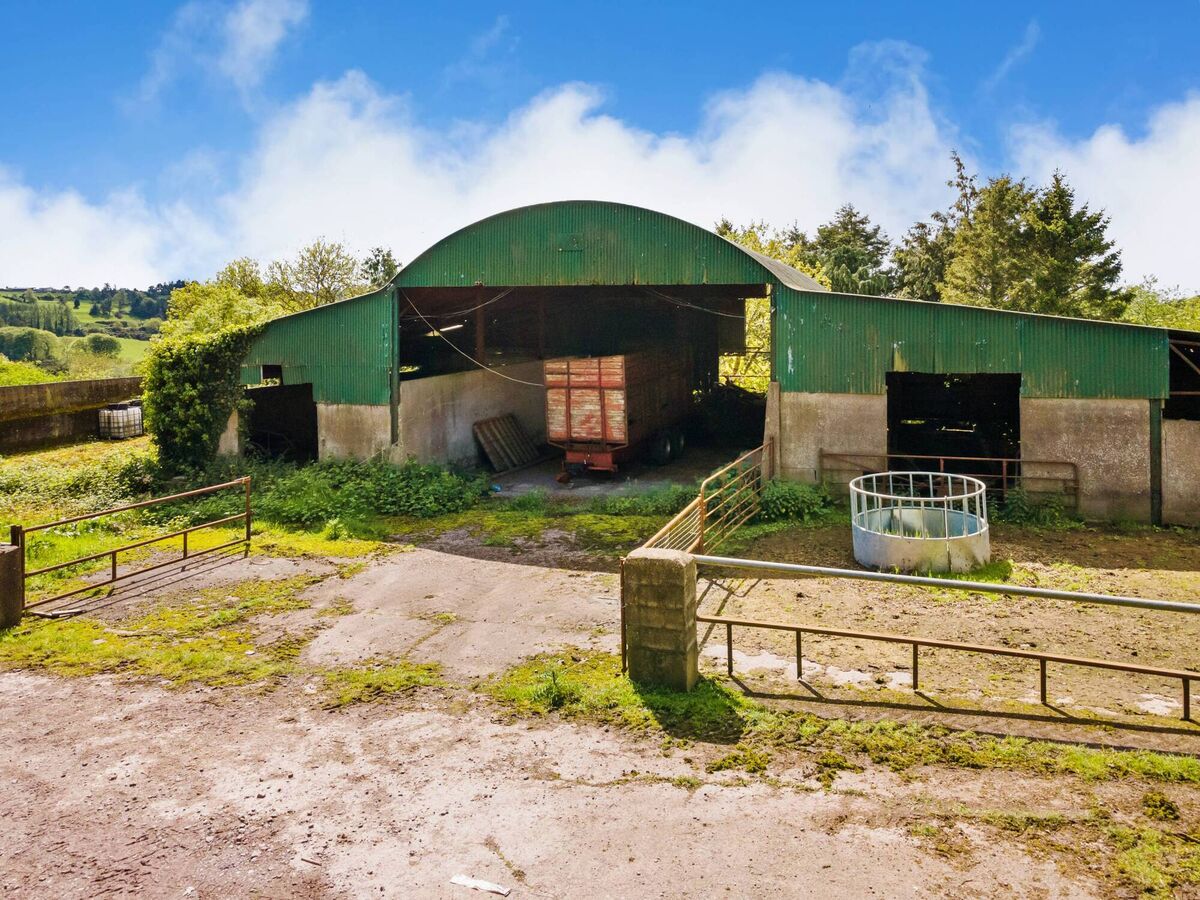
Working farm
Working farm

A smaller land parcel, Lot 2, some 25 acres, ‘the Lower Farm’, across the road from Cobh past French’s Walk, out towards Ballymore/East Ferry via Cuskinny, has a €500,000 AMV, while the main house, gate lodge and farm cottage has a combined €2m guide, and is the glittering prize, for non-farmers.

The nature reserve, meanwhile, Lot 3, is 21 acres, with a far section of the brackish lake/marsh created by a causeway built in the early 1880s by the Frenchs, with a section upstream owned by neighbours, the appropriately-named Bird family.

While the reserve has its own array of habitats and wetland and woodland birds and diverse rich flora, the gardens at Cuskinny are a sight for the human eye to behold, planted by generations and with many trees over 200 years old.

Cuskinny is approached past curved walls and pillars facing the Tee-junction towards Tay Road and by the public shingle beach at Cuskinny itself, which butts up to the estate’s own private shoreline.

There’s an almost concealed gate lodge, a one-bed at the entrance, with the most lovely wooded approach avenue,

hundreds of meters fringed by water on the left, towards a gravelled drive by the house, with another arrow-straight avenue running from the house to the sea: rabbits bounded over the lawns on the day the Irish Examiner visited, possibly to a gardener’s chagrin.

Specimen trees and micro-climate

The gardens cover about 22 acres, featuring native woodland, banks of rhododendron and azaleas, a front drive with cordyline and trachycarpus palms for a tropical air, magnolia, and a rockery with ferns, azalea and heathers.
Many of the mid 20th century plants came from the world-renowned Mount Congreve Estate near Waterford city, due to a connection between John Ronan and industrialist Ambrose Congreve, who developed a passion for gardens from visits to the Rothschild Estate in Exbury in the UK — Congreve won 13 Chelsea Gold Medal during his long lifetime (he lived to be 104).

At one stage, John Ronan had been head Chairman of the Cork Gas Company; Congreve was Chairman of the Waterford Gas Company and the men bonded over gardens and growing — and to Cuskinny’s great benefit, hints son Simon Ronan, noting John Ronan was a trustees of the Mount Congreve Estate also.

Main gardeners at Cuskinny in the Ronan/French decades of ownership were Johnny O’Brien and his son, Seamus, a local postman, as well as Sean Pigott, says Simon Ronan, saying he and his siblings were blessed to grow up in such a setting and also revealing he was the ‘relief milker’ for the family dairy herd during his teenage years.

Other more carefree and youthful activities included tennis with siblings and friends at Rushbrooke and fishing from a 9’ clinker punt — “without a lifejacket, I was told how far I could go and was told not to stand up in the boat,” was the basic health and safety briefing Simon recalls being instilled at the time — and dinghy sailing.

Sea is the next door neighbour, with 800m harbour frontage and sea wall

John Ronan sailed variously in National 18 dinghies, in the larger keel Dragon class and in the fabled Cork Harbour One Design Class, in Imp, a boat still recalled, with moorings off the garden and the sea wall, the dry dock behind and the boathouse with large winch all coming in useful.

What now, for Cuskinny, and for whom?

It’s an exceptional arrival, a once in a lifetime option, not only in the Cork and Munster market but also nationally and, going on the history to date, it’s a once in several lifetimes’ chance to occupy, to own, enjoy, enhance and pass on such a histori harbour home and gardens.

The main house — with six bedrooms, at a a minimum, as there are also attic and annex rooms), drawing room, dining room. library, garden room/conservatory and basic large kitchen plus support rooms — is essentially sound, but hasn’t had much invested in it in decades and will need care, conservation and attention.
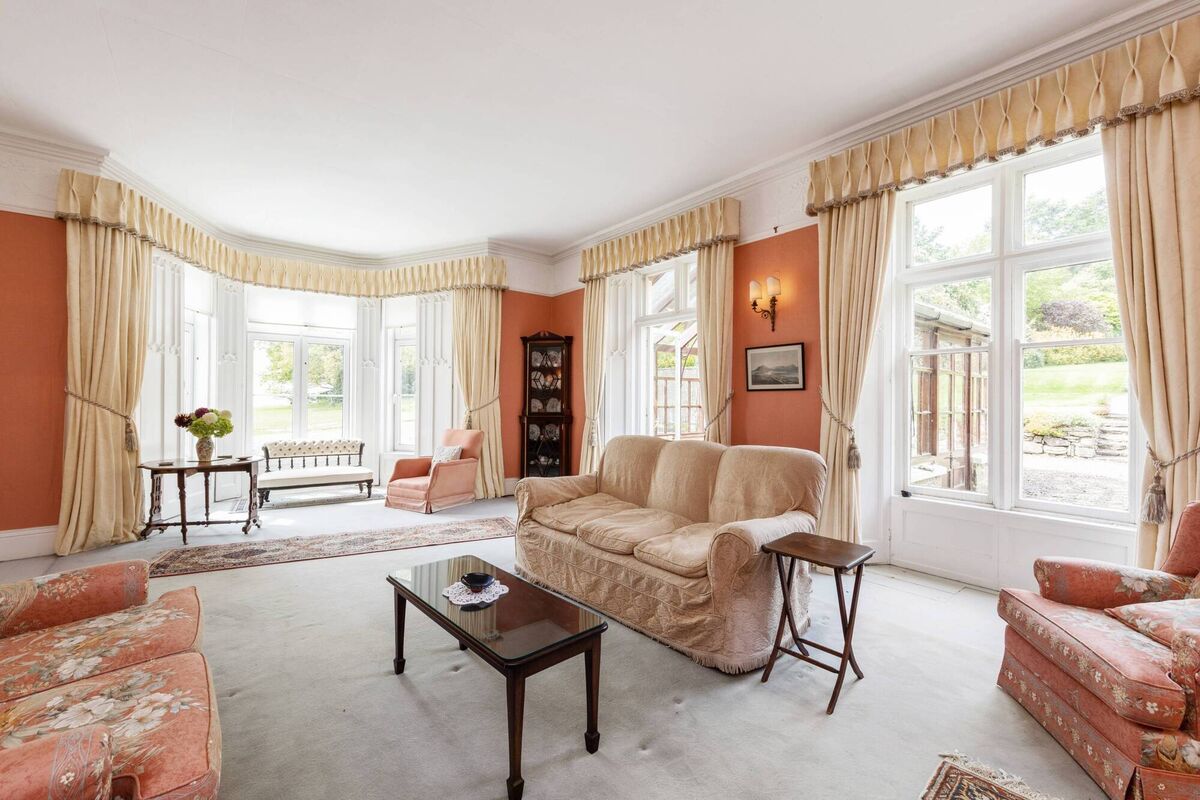
Reception room
Reception room

There’s the old-world courtyard, feeling even older than the house itself, with two self-contained apartments, done up several years ago for rental income, as well as three houses in the grounds, also occupied.

A buyer could be a Cork captain of industry, a tech baron, a fintech whizz, an aesthete with funds or a random blow-in, like the wealthy, and heritage minded individual who came from Northern Ireland via the UK to bring Belvelly Castle, also on Great Island, to a remarkable state of splendour, in a key but less spectacular setting.
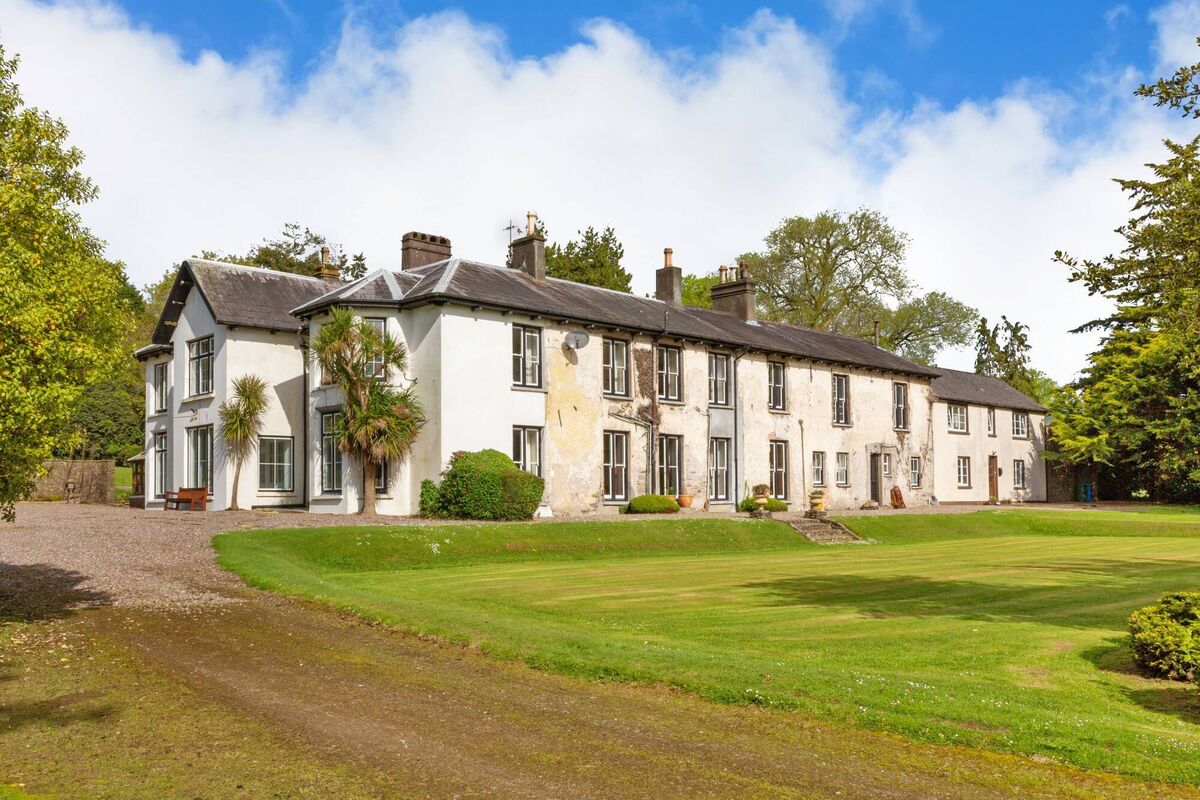
Side view of the 10,000 sq ft late Georgian home

Already there’s been some overseas interest and early visitors from abroad this week.

Given Cobh’s long maritime past, its current tourism trajectory and harbour living allure, the Cuskinny Estate may even find a commercially minded buyer who’ll enhance the house for high-end guests, weddings — the gardens provide a splendid photographic backdrop — and pampering.

VERDICT: With some upgrading, Cuskinny House Estate, on whatever amount of land it’s bought on, will be one of Cork harbour’s Great Homes once more.

x

More in this section

Revoiced

Newsletter

Had a busy week? Sign up for some of the best reads from the week gone by. Selected just for you.

Cookie Policy Privacy Policy Brand Safety FAQ Help Contact Us Terms and Conditions

© Examiner Echo Group Limited