Kieran McCarthy: What to keep in mind when installing a heat pump
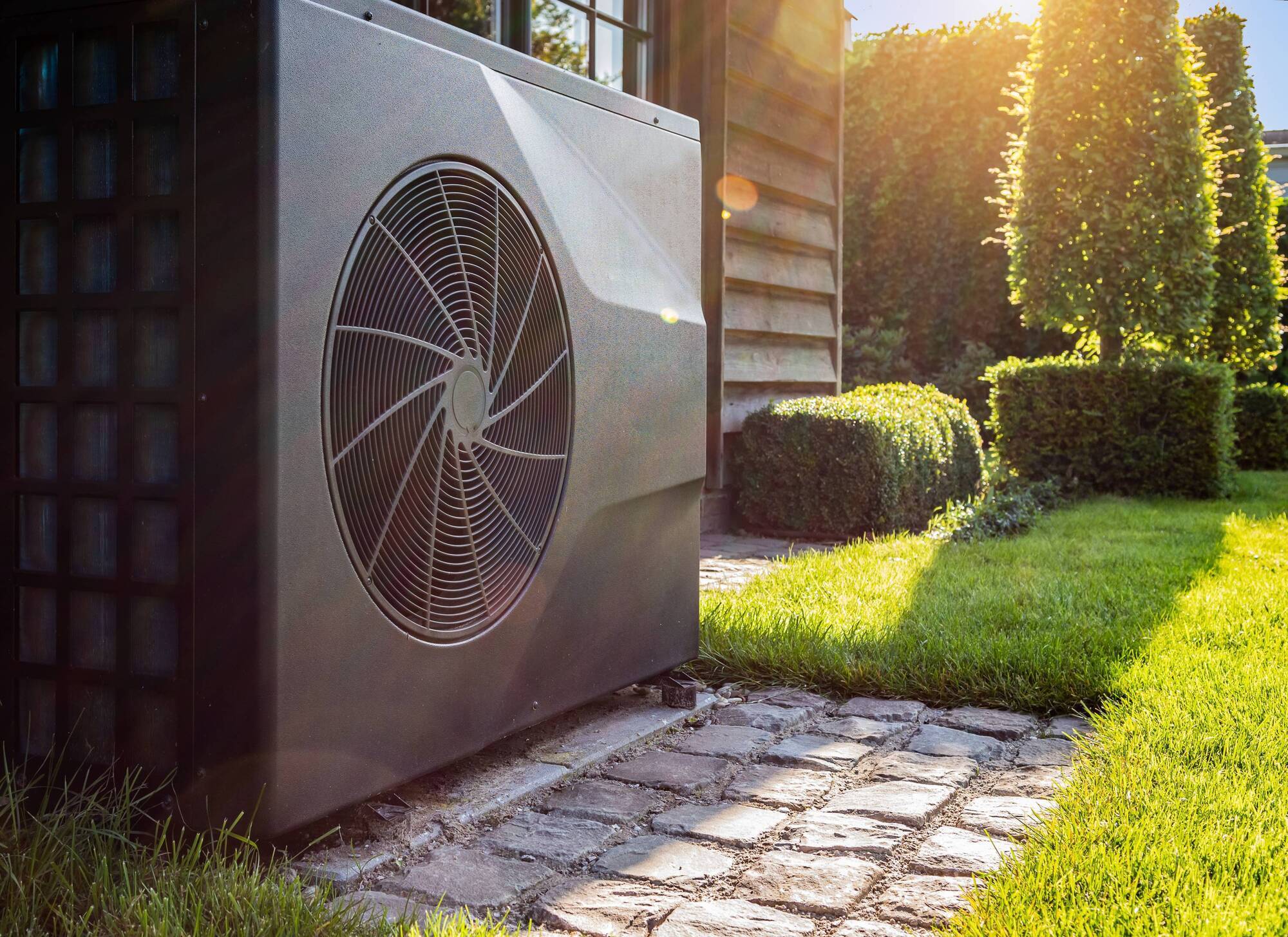
Building engineer Kieran McCarthy explains your options for heat pumps in a new home
 "Heat pumps are great in that they are a very efficient source of heat with electricity being the only fuel input, but the downside is that they run at quite a low running temperature compared to a gas- or oil-fired system."


"Heat pumps are great in that they are a very efficient source of heat with electricity being the only fuel input, but the downside is that they run at quite a low running temperature compared to a gas- or oil-fired system."

Hi Kieran, I am just starting my self-build in Newbridge, do you need an MVHR (mechanical ventilation heat recovery) with a heat pump or is it a personal preference?

Thank you, 

Joan, Kildare.

Hello Joan, Thank you for your question. So, we now exist in the age of the heat pump which is really replacing the fossil-fuelled gas or oil boiler as the primary heat source for a new home. Heat pumps are great in that they are a very efficient source of heat with electricity being the only fuel input, but the downside is that they run at quite a low running temperature compared to a gas- or oil-fired system.

Because of the lower running temperature you need to ensure you have very efficient radiators (generally aluminium) and/or underfloor heating (where the large area compensates for the lower temperature heat source) and a very efficient building fabric. So, let’s consider the fabric in more detail as it relates to your question.

As the heat created by the system is lower, you need to ensure your building is very efficient in capturing the heat created and keeping it inside your building so you don’t need to keep producing it. This is where the external fabric of your building comes in. It’s like a warm coat on a cold day. As we are warm-blooded, our bodies emit energy in the form of heat, which keeps us warm. 

When the outside temperature is cold, we need to wear a warm jumper and jacket to keep the heat that we generate close to our bodies to keep us warm. A jacket that is too thin or left unzipped will not keep enough heat in on a very cold day and your house is no different. A modern home keeps heat in through a combination of insulation and airtightness. So let’s look at each of these in turn.

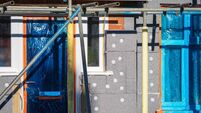
Nowadays we install a vast amount of insulation in a new or renovated home. We insulate under a ground floor (150mm), we insulate walls (180mm plus), we insulate ceilings (300mm plus) and we ensure there are no cold spots (thermal bridging) between insulations. 

Heat pumps are an efficient source of heat with electricity being the only fuel input, but they have a lower running temperature

This provides a complete wrap of insulation top to bottom which keeps the heat inside your home. But what happens to all the drafts we used to remember when we were young? Enter our next line of defence: Airtightness.

Airtightness is the new kid on the block. We have some small familiarity with insulation as there was a very basic level fitted to the houses we grew up in, but airtightness is a new concept. Essentially what we are trying to do here is to remove any uncontrolled drafts (air leakage) from a new house so that these don’t become a significant source of heat loss and a drain on your heat pump. Air leakage occurs principally at junctions; so window and door reveals, plumbing and electrical duct entry points, floor slab bearing, first-floor ceiling junctions, and occasionally through a wall surface depending on the construction. 

As a result, new buildings are designed with a series of tapes and membranes to combat this air leakage. In a new building, there are now minimum airtightness requirements you need to achieve to comply with regulations but if you make your building very airtight (ie, very efficient) you will need to add some mechanical ventilation to get some level of air circulating in your building again to make it more comfortable to live in. So, what type of mechanical ventilation do we need?

Again, depending on the exact level of airtightness you achieve (which you will get measured as part of the building sign-off process) there are various options available in terms of mechanical ventilation input. 

For a medium level of airtightness, I would install a demand control ventilation system (fresh air ducted to all wet rooms eg, kitchen, WC, utility) but for a more airtight house (less warm air leakage) I would generally recommend a full heat recovery (or MVHR) systems where you are ducting fresh air to all habitable rooms (which has been pre-heating by the stale air you are expelling). 

The approach here is that you minimise the amount of (warm) air leakage with airtightness, and you input fresh air though mechanical ventilation with this circulation system designed to meet the level of airtightness you have achieved in your efficient building fabric. Or, to put it another way: In winter, you put on a warm jacket and you zip it right up!

Kieran McCarthy, KMC Homes, engineer and builder.

Kieran McCarthy is a building engineer and director of KMC Homes bespoke A-rated new home builder, serving Cork and Limerick. He is also co-presenter of the RTÉ property show Cheap Irish Homes. 

Follow Kieran on Instagram @kierankmc for more home-building information, tips, and Q&A advice. Tune in to Kieran’s new podcast, Built Around You on Apple Podcasts and Spotify and on the ‘Built Around You’ Youtube channel.

    x

    More in this section

    Revoiced

    Newsletter

    Had a busy week? Sign up for some of the best reads from the week gone by. Selected just for you.

    Cookie Policy Privacy Policy Brand Safety FAQ Help Contact Us Terms and Conditions

    © Examiner Echo Group Limited