Foundation laid for the housing crisis in the Celtic Tiger years
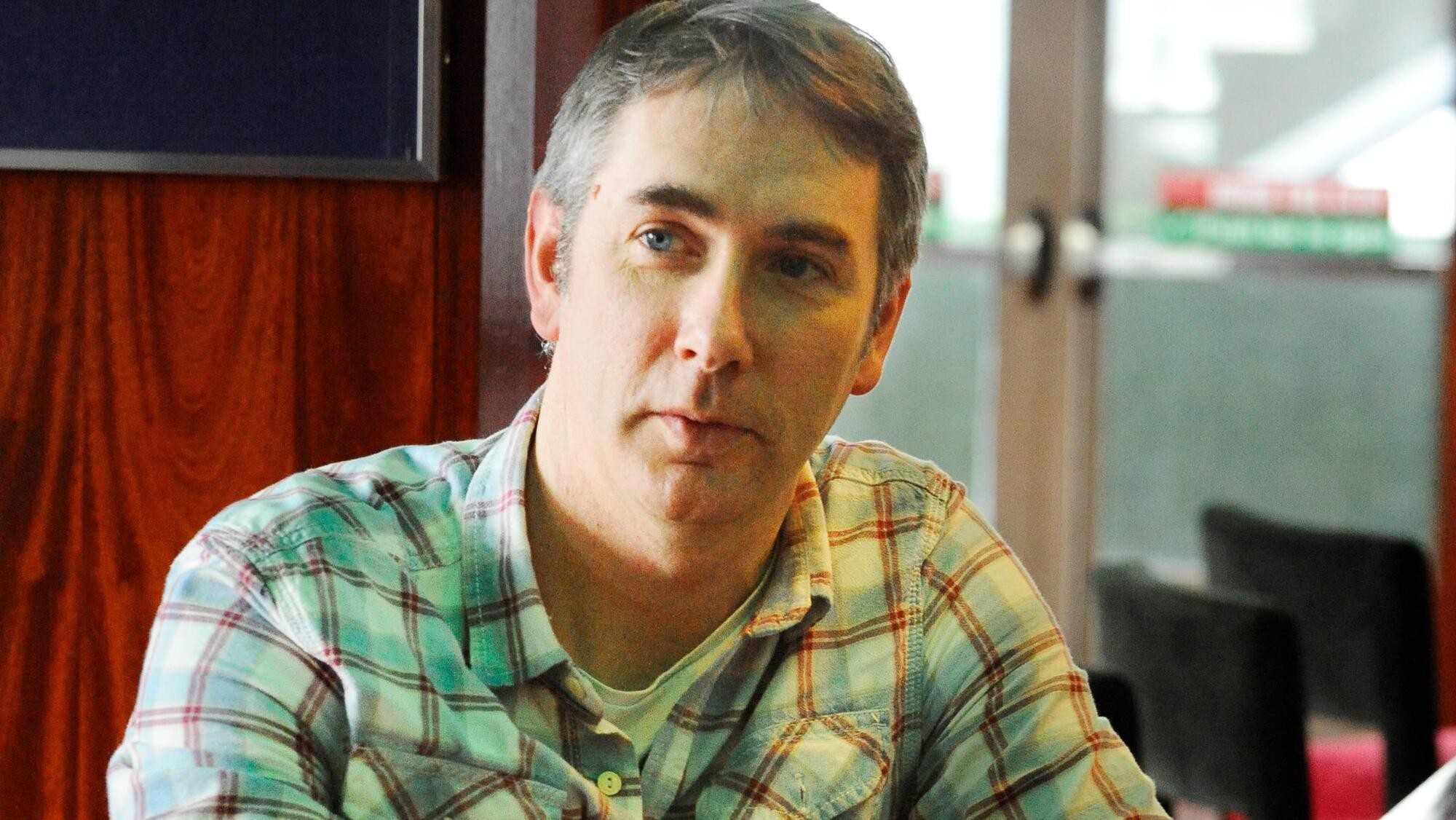
Journalist Conor Power, former estate agent
HAVING spent over a decade working as an auctioneer/estate agent, I can’t help but continue to keep an eye on how things are progressing in the unique and fascinating world of buying and selling houses.
It’s a subject that affects everyone, no matter what their line of work, their nationality or political opinion. We all aspire to having a roof over our heads and sadly, it’s an aspiration that continues to become an increasingly rare commodity.
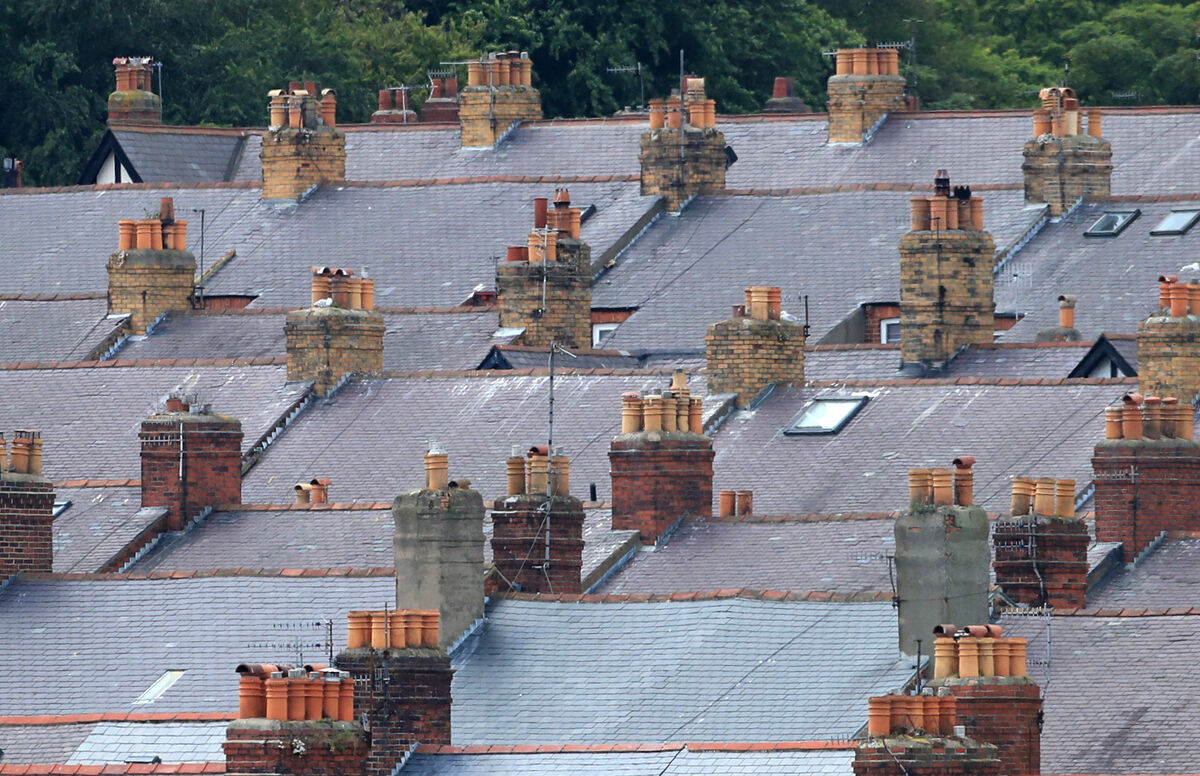
And this is the crux of our problem in Ireland: Is a house a home or is it a commodity? The answer is “both”. It is a place of shelter but it’s also an asset and it’s normally the largest asset that a person will have in the course of their life.
In earlier times – back in the 1980s for example – our culture was firmly towards the “home” definition. In spite of general poverty and high unemployment rates, we had a very high home ownership rate, which was the envy of most of Western Europe. For people who had difficulty in affording a home, the Government stepped in and built homes, offering people the opportunity to begin paying off their large lifetime debt in a manner that suited their pockets. Sounds familiar? The current administration laboured to come up with a similar approach (First Home Scheme) and present it as something new.
Housing policy four decades ago was effective in a two-fold manner: Firstly, it meant that the priority was to ensure that every citizen had a roof over their head. Secondly, by treating property primarily as a home and only secondarily as a commodity, it kept values of houses in check. There was a high proportion of homes in the country that were no more than homes and the conditions simply didn’t exist to facilitate a boom-bust scenario.
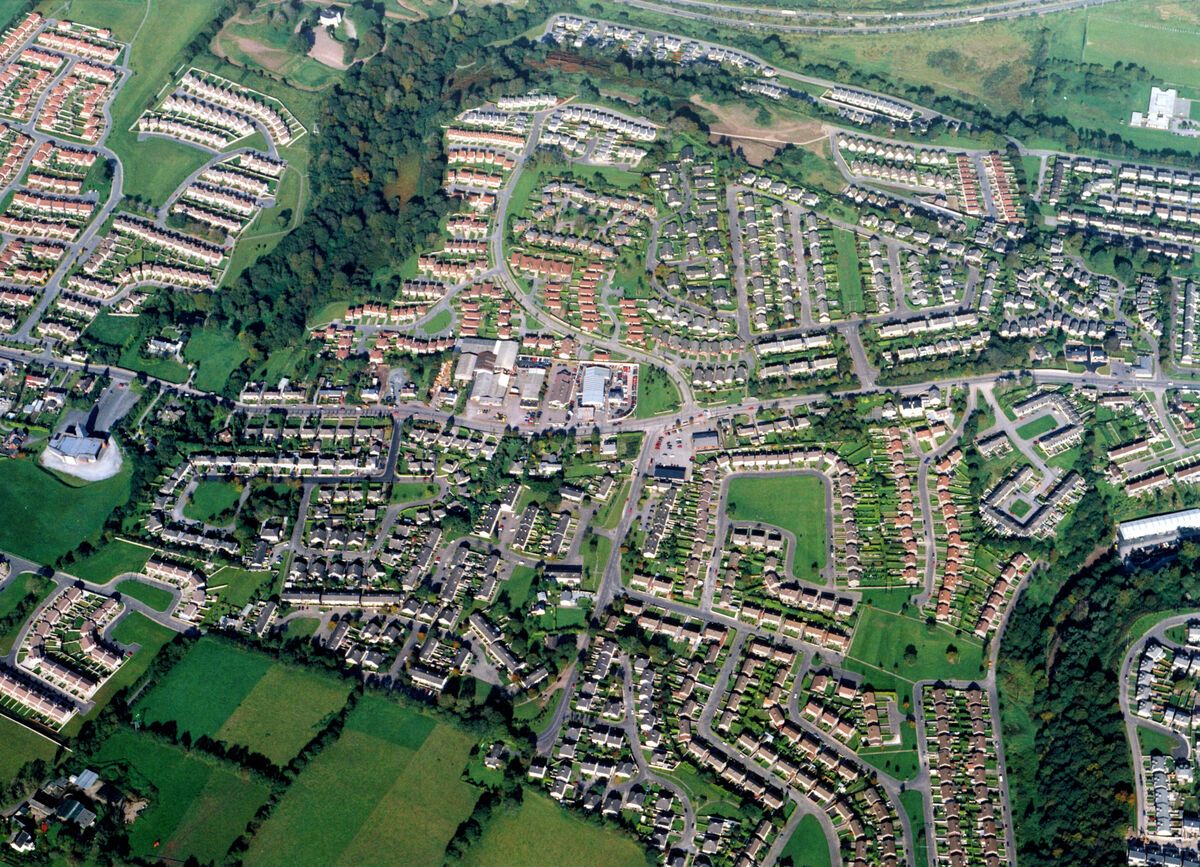
The trouble really started to kick in during the Celtic Tiger era. Suddenly, the Government seemed to have cracked this international game of producing wealth and being successful as a powerful little economy. We were the Hong Kong of Northwest Europe. A new religion began to replace the old. Now, everything was a commodity – a gambling chip if you like – and your house was the biggest one; possibly the best one. Your house suddenly became a “source of capital” which you could tap into to buy other houses... just because. Because you can then increase your “portfolio” of investments.
A hitherto high-falutin' world of finance and property portfolios was now within the reach of the common man. The Government was delighted because everything was all chugging along perfectly – everyone was getting richer in an increasingly fluid liberal economy. They realised that a Government doesn’t need to provide housing for its citizens – not when they’re all stinking rich and when the money is just there in the ether to be earned. Just keep taxes low and keep this engine running. If it stalls, give it a boost.
The problem was, of course, that this was irresponsible thinking. It was greedy and short-term and it was ministers acting like the rainy days would never again return. It was the settling-in of a mindset in administrators that they weren’t responsible for anything anymore.
Once this notion of a home as a source of profit bedded into the conscience of the general public and of our legislators, it became incredibly difficult to shift. Since this period, just about every single Government in power has not dared sully their hands with the job of ensuring that our populace has roofs over their heads. It has become the norm to presume that the market will magically sort all that out. It’s a belief that persists, despite a mountain of evidence to the contrary.
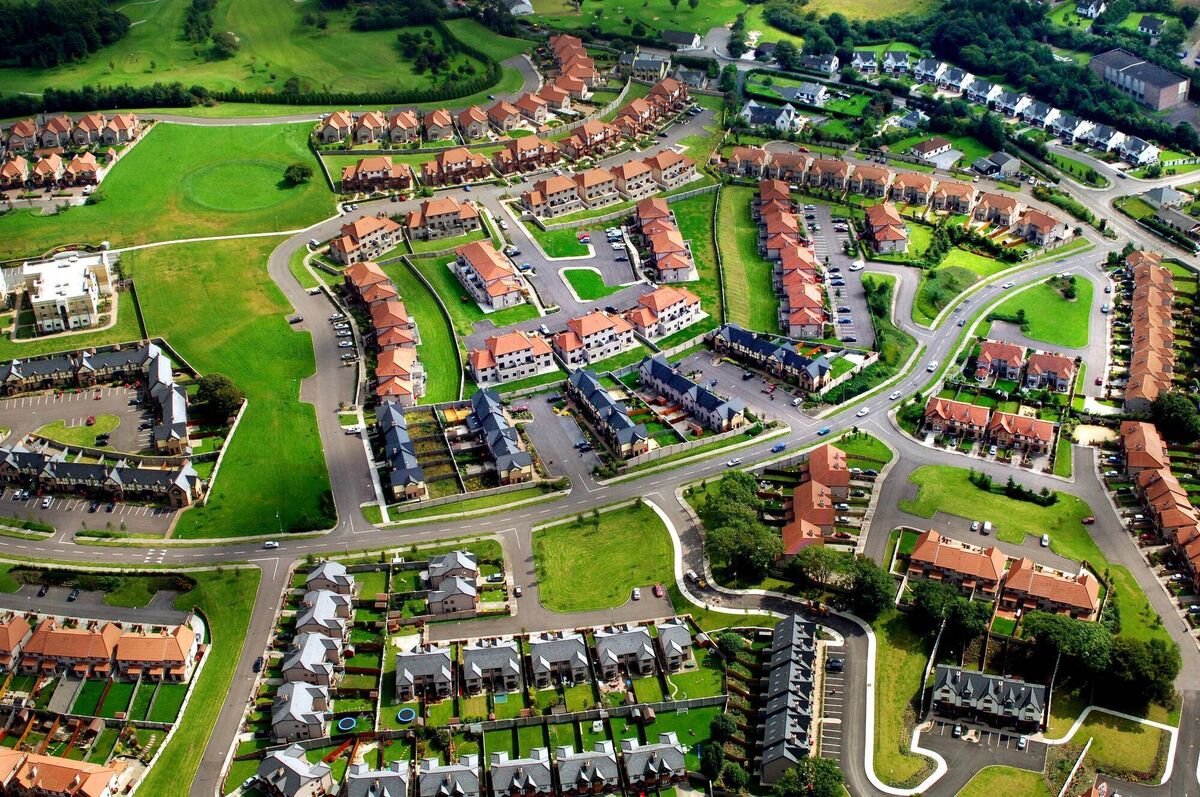
One can point the blame at every administration (including the current rotating one) for floundering and fudging this vital issue but the ones who did have carte blanche with a strong endorsement from the public in 2011 was the FG-Labour administration under Enda Kenny. This was the point at which strong decisions should have been made but once again, there was cowardice and abdication of responsibility.
With building firms closing down all across the country and Irish tradesmen fleeing the sinking economic ship to take up high-paying positions in other countries (or, to flee their multiple debts from their collapsing property portfolios), it was clear to see the housing catastrophe that was already unfolding. Instead of grasping the nettle, that particular Government pretended to believe that the “market” would somehow rise up and fix things like a benign spirit rising from the ashes.
Today, we have a series of measures and plans to rapidly increase our national housing stock. It’s all very welcome, but the problem has gone well beyond crisis. Turning this situation around is akin to making an elephant turn 360 degrees in a lift. Housing for All is a good idea but the plan to provide 28,000 new homes per year is unlikely to have much of an impact in a market where most analysts agree that the annual requirement is around twice that figure.
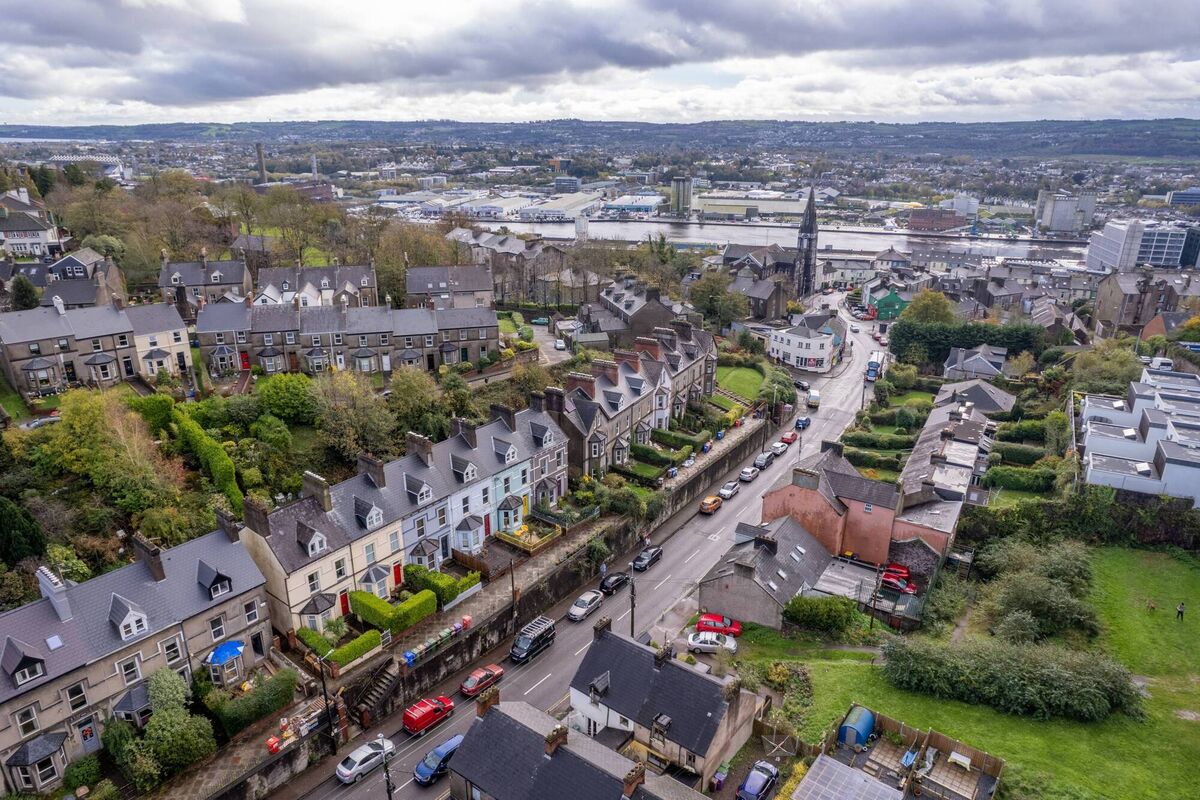
The truth is that if the Government really reacted to this emergency in the appropriate manner (and we know from the Covid scenario that they are well capable of going into emergency gear when they want to), the sudden rapid increase in housing supply would cause national values to fall. Perhaps that’s too much personal pain for legislators to consider.
My favourite days from when I was an auctioneer weren’t the ones where I was helping someone to increase their property portfolio or make an astute investment. They were the ones when a local couple bought a semi-detached house on the outskirts of town, or when a young family from Oxford purchased the home in the countryside that they couldn’t afford in England, or when an architect from Munich bought a site to build a restaurant. In other words, they were the days when I played a small part in making a simple dream come true for someone. The people of Ireland deserve far more than insulting lip-service masquerading as intelligent policy. Having a roof over one’s head isn’t a desirable commodity. It’s a simple dream and dream to which every citizen should have a right.

BLACK FRIDAY
Already a subscriber? Sign in

CONNECT WITH US TODAY



Be the first to know the latest news and updates